Old grout makes an otherwise decent bathroom look tired, and scraping it out by hand with the wrong tool turns a weekend job into a month of sore wrists. The right kit depends on your tile, your patience, and whether you own a rotary or oscillating tool already. This roundup covers five options that handle everything from light caulk cleanup to full mortar grinding, so you can match the tool to the actual job on your calendar.
Your Options, Compared

XsteelPower 11Pcs Silicone Caulking Tools 3-in-1 Grout Scraper
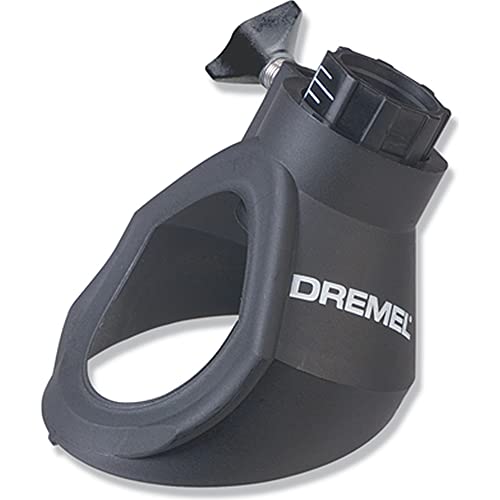
Dremel 568-01 Grout Removal Rotary Tool Attachment

Goldblatt Grout Removal Tool with Replacement Carbide Tip

HEMUNC 5pcs Universal Carbide Oscillating Tool Blades Set

Goopreen Professional Caulk Gun Kit 5 in 1 Caulking Tool Set
What Each Pick Brings To The Table
Eleven pieces is a lot for one small purchase, and this set leans into that. It handles angle scraping, glass glue blades, adhesive residue cleanup, and seam repair, which means you can strip old silicone from a shower corner and smooth fresh sealant without hunting through a drawer mid-job.
The honest read is that this is a hand-tool set, not a power solution. For most bathrooms, though, hand tools give you more control around fragile tile edges than any spinning bit will.
Where It Excels
- Three functions in each core tool cut down on tool swaps during a single session
- Angle scraper design reaches corners where flat putty knives skip
- Works on glass, tile, and tub surrounds without marring glazed surfaces when used with light pressure
- Enough pieces that losing one to a clogged tube won’t stall the project
Small Caveats
- Plastic components wear down faster than carbide on hard cement grout, so expect replacement over years of use
- Owners commonly report the scraper edges need cleaning after sticky silicone jobs or they drag instead of glide
Who Should Grab It
First-time DIYers resealing a bathroom who want one affordable box covering removal, cleanup, and finishing.
A Better Fit Elsewhere
Serious regrouting jobs with hardened mortar lines suit the Goldblatt Grout Removal Tool better, since its carbide tip chews through material plastic can’t touch.
Anyone who already owns a Dremel rotary tool should look here first. This attachment guides the bit between tiles so the line stays centered, which is the difference between clean channels and chipped tile corners. A 30-degree cutting angle keeps the bit tracking along the grout rather than wandering onto the glaze.
Depth adjustment matters more than people expect. You can set the cut up to 3/8 inch below the tile surface, deep enough to remove wall or floor grout fully without guessing how much material remains underneath.
Everyday Wins
- Special guides hold the bit centered between tiles, protecting adjacent glaze from accidental contact
- A large viewing window lets you watch the cut line directly instead of working blind
- Adjustable depth up to 3/8 inch gives repeatable results across long runs of floor tile
- Handles both vertical wall joints and horizontal floor lines with the same setup
Points To Note
- It’s an attachment, so a compatible rotary tool is required before anything happens
- Dust control is on you; grout particles fly, so eye protection and ventilation are part of the routine
At A Glance
Made For
Homeowners with existing rotary tools tackling whole-room regrouting where speed and straight lines both count.
Reach For A Different Pick When
No rotary tool in the garage? The Goldblatt carbide scraper delivers patient, cordless results at a friendlier entry point.
Compared to the powered options here, the Goldblatt is the quiet one: no motor, no dust cloud, just a carbon steel rod and a triangular carbide tip doing slow, deliberate work. Carbide, for those new to the term, is a hardened composite that holds an edge far longer than plain steel, which is why the package includes a spare tip for extended life.
The fine groove pattern on the tip earns its keep during detail passes along narrow joints. That said, your hands supply all the force, so large floors will test your patience.
Positive Takeaways
- Triangular tip with a sharp corner digs into tight corners flat blades can’t reach
- Included spare carbide tip effectively doubles the tool’s working life
- Fine groove texture grips detail areas for cleaner finishing passes
- Carbon steel rod construction resists bending under firm hand pressure
- No power source needed, so it works anywhere from basements to balconies
Honest Caveats
- Manual effort adds up quickly on wide or deeply set grout lines
- The exposed sharp corner demands careful handling; gloves are a sensible habit
The Right Fit
Detail-oriented DIYers doing spot repairs or working in occupied homes where noise and dust are dealbreakers.
Where A Sibling Pick Shines
Whole-bathroom demolition goes faster with the HEMUNC oscillating blade set, which grinds mortar mechanically instead of by wrist power.
Oscillating tools swing a blade side to side in tiny arcs, and carbide-grit versions like these grind through thin-set mortar, tile adhesive, cement, even stone. Five blades arrive in three shapes: semicircle for open sweeps, triangular for corners, and finger profiles for precision rasping. That shape variety is what separates this from a single-purpose grout bit.
Universal fitment means the set slots into most major multitool brands without adapters. In our view, that flexibility makes this the most versatile purchase on the list beyond grout alone.
Strong Points
- Three blade geometries cover grinding, rasping wood, and stone shaping in one kit
- Carbide construction holds up against abrasive mortar that dulls bi-metal blades fast
- Universal shank design fits common oscillating tools without extra hardware
- Semcircle blade clears broad mortar beds quickly on floor demos
Things To Consider
- Grit wears with heavy concrete work, so rotation between blades extends overall life
- Vibration transfer through the host tool can tire hands on long sessions; breaks help
Feature Rundown
Who Will Love This
Multitool owners planning renovation-season projects that mix grout, mortar, and adhesive removal.
Swap It Out When
Tight budget and a single shower job ahead? The XsteelPower hand set handles light caulk and grout scraping for less.
This is the only entry that removes old caulk and applies the new bead in the same box. Alongside the gun itself you get a dried-caulk remover needle, a spout cutter, a scraper, and a spackle knife, which covers the entire reseal cycle from stripping the shower corner to laying a smooth final line.
The rotating barrel is the standout detail. Tight corners behind toilets and under tub lips usually force awkward wrist angles, and being able to spin the barrel while keeping a neutral grip genuinely reduces fatigue on longer sessions.
Useful Strengths
- Rotating barrel reaches awkward corners without contorting your grip
- Remover needle clears clogged tubes so half-used sealant isn’t wasted
- Drip-free dispensing keeps tub surrounds and floors clean mid-project
- Ergonomic lightweight frame suits extended bathroom sessions
- Spout cutter opens new tubes cleanly, avoiding ragged beads
Less Ideal Details
- Geared toward caulk rather than hardened cement grout; pair it with a carbide scraper for masonry lines
- More parts to rinse and store than a single-purpose scraper
Quick Facts
Whose Shelf It Belongs On
Renters and homeowners resealing tubs, sinks, and showers who want application and removal handled by one kit.
Skip It When
Deep grout channel cutting calls for the Dremel 568-01 attachment, which removes material far faster than any caulk-side scraper.
Choosing Between These Options
Match The Tool To The Job
Caulk and grout are different materials, and mixing them up wastes money. Silicone caulk lines around tubs yield to plastic scrapers, while cement-based grout between tiles usually needs carbide edges or powered abrasion. Before buying, poke a joint with a fingernail: soft and rubbery means a hand set like the XsteelPower suffices, gritty and rock-hard points toward the Dremel attachment or oscillating blades.
Power Versus Patience
Powered removal finishes a full bathroom in hours instead of weekends, but it trades dust, noise, and a higher skill floor. Hand tools cost less, stay silent, and forgive mistakes near delicate tile, yet they demand steady pressure over long stretches. Renters doing one tub tend to prefer manual; owners redoing multiple rooms rarely regret going powered.
Tile Sensitivity And Control
Glazed ceramic and polished stone chip easily along edges. Attachments with guide features, such as the Dremel’s centering guides, protect neighboring tiles during powered cuts. On softer or irreplaceable tile, manual scrapers with controlled angles remain the safer default regardless of schedule pressure.
Long-Term Ownership
Consumable edges matter. Sets with spare tips or multiple blades, like Goldblatt’s included replacement and HEMUNC’s five-piece pack, stretch value across future projects. Rinse tools after silicone work, since cured residue degrades edges faster than normal wear does.
Key Considerations Across These Picks
Traps First Timers Fall Into
The most common mistake is buying a powered accessory without owning the host tool. The Dremel attachment and HEMUNC blades are useless on their own, so inventory your garage first. Another frequent slip is attacking cured silicone with carbide meant for cement, which chews the wrong material inefficiently. Match the edge hardness to the joint, not the marketing.
When Paying More Pays Off
Higher-tier spend buys durability and speed rather than shine. Carbide outlasts steel, guided attachments prevent costly tile chips, and multi-piece kits consolidate four purchases into one. For a single weekend refresh, budget hand sets deliver fine results; for repeated renovation work, the premium options repay themselves in saved hours and unbroken tile.
Frequently Asked Questions
Do I need a power tool for grout removal?
No, hand tools with carbide tips work well on smaller jobs. Powered options mainly save time on large floors or deeply set mortar.
Can one tool remove both caulk and grout?
Multi-function kits like the XsteelPower set handle both lightly bonded materials. Hardened cement grout still responds best to carbide or powered abrasion.
How deep should grout be removed?
Removing roughly two-thirds of the joint depth gives fresh grout enough bite to bond. The Dremel’s adjustable depth helps hit that consistently.
Will these tools damage my tile?
Guided and manual options minimize risk when used with moderate pressure. Unguided power bits near tile edges carry the highest chip risk.
How do I maintain these tools?
Rinse off silicone residue promptly and dry metal parts to prevent corrosion. Store carbide edges protected so corners stay sharp.
Closing Remarks
Every option here solves a slightly different version of the same chore. Pick the XsteelPower set for an easy first reseal, the Dremel attachment for serious regrouting, Goldblatt for quiet precision, HEMUNC for multitool versatility, or Goopreen for the complete strip-and-seal cycle. Match the tool to your tile and timeline, and that tired bathroom starts looking newer sooner than you’d expect.