A good hand axe solves a stubborn problem: wood that needs splitting, kindling that needs cutting, ground that needs breaking. Whether you’re feeding a campfire at a weekend site or clearing brush behind the house, the right hatchet turns a half-hour struggle into a few clean swings. This roundup covers five options across different jobs, from traditional Swedish steel to multi-tool survival designs, so you can match the tool to your actual workload instead of guessing.
The Lineup, Simplified

Husqvarna Hatchet with Leather Sheath

Fiskars A-Series Chopping Axe 28″
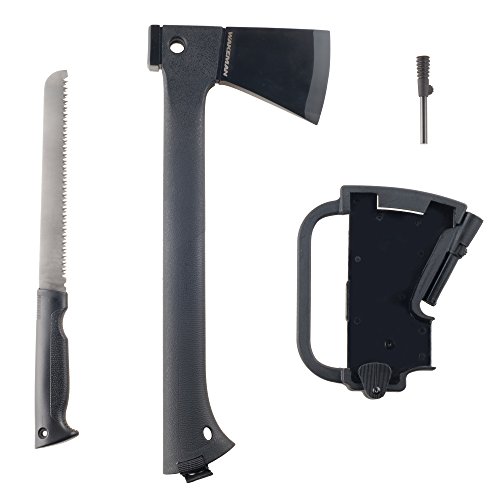
Wakeman Camping Hand Axe Combo
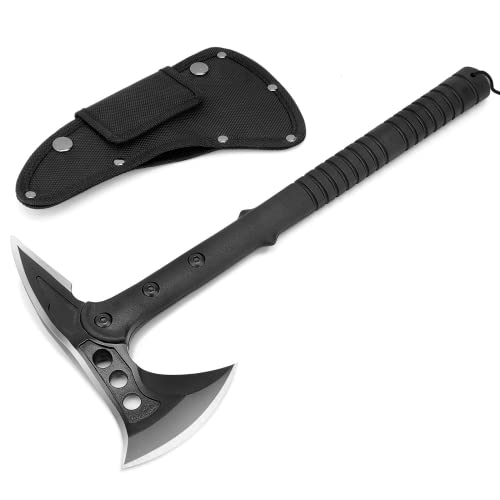
Hitdudu Tactical Tomahawk Hatchet

Fiskars Pro IsoCore Pickaxe & Hoe
Why These Options Stand Out
Built in Sweden with hickory and Swedish steel, this hatchet follows a pattern that predates most of what else on this list. The hand-forged 1.32-pound head sits light enough for genuine one-handed swings, which matters when you’re kneeling by a fire ring trimming kindling or working between vegetable beds.
Compared with the tactical designs further down, it’s a simpler tool with fewer moving parts, and that’s largely the appeal. Owners commonly report the leather sheath holds up well in a truck bed or pack, though it does need occasional conditioning like any leather goods.
The Value In It
- One-handed balance makes quick work of light wood without fatigue setting in early
- Hickory handle absorbs swing vibration better than rigid synthetic grips tend to
- Leather sheath protects the edge during transport and storage
- Hand-forged head means the steel grain stays continuous through the eye
Honest Caveats
- Light head limits it to small branches and kindling; bigger rounds need a longer axe
- The leather sheath will dry out over time without an occasional rub of conditioner
Key Specs
Who It Suits Best
Weekend campers and home gardeners who want a traditional, no-frills hatchet sized for kindling and light yard cuts.
Where Another Pick Shines
Anyone felling whole trees should step up to the Fiskars A-Series Chopping Axe 28″, whose extra length delivers far more leverage per swing.
Where the Husqvarna handles kindling, this 28-inch Fiskars is built for trees. The added length converts each swing into noticeably more head speed, which is exactly what you want dropping small trees or splitting stove-length logs at the woodpile. In our view it’s the most capable pure chopper here.
The trade-off shows up on portability. At this length it won’t tuck into a daypack the way the Wakeman combo does, so think of it as a basecamp or backyard tool rather than a trail companion.
Points In Its Favor
- 28-inch shaft generates real chopping power from modest arm effort
- Handles everything from felling small trees to splitting logs at camp
- Balanced geometry keeps swings accurate rather than glancing off target
- Suits both campsite prep and seasonal backyard cleanup in one tool
Small Limitations
- Too long for backpack carry; plan storage space in a vehicle or shed instead
- Fine detail work like feathering tinder feels clumsy compared with a compact hatchet
Made For
Landowners and frequent campers who regularly process their own firewood and want one serious axe to do it.
Skip It When
Ultralight hikers will get more use from the Wakeman Camping Hand Axe Combo, which packs three functions into a fraction of the length.
This Wakeman earns its spot by doing three jobs in one footprint. The serrated saw slides inside the plastic handle, and a magnesium fire starter rides on the blade sheath, so a single packed item covers limb cutting, hatchet work, and spark-based fire lighting. For anyone building a go-bag or trimming pack weight, that consolidation counts for a lot.
The honest read is that none of its three functions matches a dedicated tool. You may find the saw slow on green wood, and the hatchet won’t split seasoned oak like the Fiskars A-Series will. As a backup-and-convenience kit, though, it’s hard to argue with.
Positive Points
- Nested saw saves pack space versus carrying a separate folding saw
- Magnesium fire starter works when matches get wet or run out
- Ergonomic grip keeps control during extended cutting sessions
Things To Consider
- Plastic handle trades some durability for lightness; avoid prying with it
- Each function performs adequately rather than exceptionally
- Keep the nested saw channel clear of debris or it can jam over time
Quick Facts
Right Fit For
Day hikers, hunters, and emergency-kit builders who value packed versatility over raw cutting muscle.
Swap It Out When
Those wanting a sturdier tactical option with a piercing spike should look at the Hitdudu Tactical Tomahawk Hatchet instead.
The Hitdudu takes a different route than the Wakeman: instead of nesting tools, it puts two working surfaces on one head. A 4.7-inch cutting edge handles wood and tinder, while the rear spike drives tent stakes, breaks down kindling, and pries at stone. Overall length runs 15.3 inches with a listed weight around 1.59 pounds, so it swings fast without wearing out your wrist.
Its nylon-reinforced fiberglass handle shrugs off moisture and won’t crack the way wood can after a wet season, a real advantage over the Husqvarna’s hickory in damp climates. Some owners report the factory edge benefits from a touch-up before heavy use, which is common at this tier.
The Upside
- Dual-edge design covers cutting, pounding, and prying tasks in one swing arc
- Fiberglass handle resists rot, splintering, and weather damage indefinitely well
- Compact 15.3-inch frame balances easily for controlled one-handed work
- Included sheath keeps the edge covered between uses
Less-Strong Areas
- Factory sharpness varies; plan on honing before first serious outing
- Tactical styling draws attention where a plain hatchet would blend in
Feature Snapshot
Whose Shelf It Belongs On
Survival-minded hikers and homestead tinkerers who want one aggressive multi-role tool for stakes, tinder, and wood alike.
Another Choice May Suit
Pure woodworking fans will prefer the Husqvarna Hatchet’s refined balance and traditional steel for cleaner splits.
Not every hand axe job involves wood. This 14-inch IsoCore pairs a pick point with a hoe blade on a riveted forged-steel head, built for breaking hardened ground, severing roots, and prying rocks loose. Depending on your soil, that combination can save an entire afternoon of digging.
The standout engineering is the shock-reduction system, which dampens the jolt that normally travels up the handle on impact. Anyone who has spent a morning with a rigid-handled mattock knows exactly how much that matters to your elbows by lunchtime.
Practical Pluses
- Two working ends handle breaking, cutting roots, and prying without swapping tools
- Shock-reducing handle noticeably softens repeated impacts on rocky ground
- Riveted forged-steel head connection removes wobble concerns over years of use
- Compact 14-inch size fits raised-bed and trench work better than full-length mattocks
Points To Note
- It’s a digging tool first; don’t expect it to fell limbs or split logs
- Short reach means bending or kneeling for most tasks, which tires some backs
The Details
Who Will Love This
Gardeners dealing with clay, rock, or invasive roots who need serious ground-breaking force in a hand-sized package.
Reach For A Different Pick When
Firewood processing calls for the Fiskars A-Series Chopping Axe 28″, whose long shaft and broad bit are made for logs rather than soil.
What Matters Most Before Choosing Hand Axes
Match the Tool to the Job
Start with your actual workload. Kindling and camp chores suit a compact one-handed hatchet under about 1.5 pounds of head weight, while felling small trees demands a longer shaft that builds swing speed. Splitting seasoned hardwood falls somewhere in between and rewards a heavier, broader bit.
Handle Material Changes Everything
Hickory feels classic and damps vibration naturally, but it wants occasional oiling and can crack in extreme dryness. Fiberglass and nylon composites ignore weather entirely and survive neglect, at the cost of a stiffer feel. Choose based on how much maintenance you’ll realistically do.
Weight and Length Trade Off
A lighter head swings longer without fatigue but bites less per stroke. Longer tools generate more power yet stop being portable. Measure your typical task against both numbers before committing.
Extras Earn Their Keep Selectively
Nested saws, fire starters, and rear spikes add real capability, but only if you’ll actually use them. Paying for features you ignore is money wasted, so be honest about your habits.
Key Considerations Across These Picks
Wrong Turns To Avoid
The most common slip is buying too much axe for the task. A 28-inch feller is miserable for whittling tinder, and a pocket-sized combo will bounce off a mature log. Also check the head-to-handle attachment type before committing; a loose-fitting head is the failure mode owners report most often in budget tools.
Where The Extra Money Goes
Higher-tier axes spend more on steel quality, forging, and fit. Better heat treatment holds an edge through seasons of sharpening cycles, and precision-seated heads stay tight for decades. For a tool used weekly, that durability pays for itself; for twice-a-year camp trips, a mid-range pick usually serves just fine.
Frequently Asked Questions
What size hand axe works best for camping?
A compact hatchet with a head around 1.3 pounds handles kindling and campfire prep comfortably. Anything longer becomes awkward inside a tent vestibule or around a crowded fire ring.
Can a hand axe split firewood?
Yes, for smaller rounds and softer woods. Dense hardwood logs generally need a full-length splitting axe or maul to break cleanly without endless pounding.
How often should I sharpen a hatchet?
Light users typically touch up the edge once or twice a season with a file or whetstone. Heavy weekly use warrants a quick hone every few outings to keep cuts efficient.
Are fiberglass handles better than wood?
Each suits different owners. Fiberglass resists moisture and rough handling with zero upkeep, while hickory offers better shock absorption and can be repaired rather than replaced.
Is a tactical tomahawk practical for everyday use?
For mixed tasks like driving stakes, prying, and cutting, yes. For pure woodcraft, a traditional hatchet usually delivers cleaner results with less fuss.
Closing Remarks
The right hand axe comes down to honest self-assessment about what you’ll actually cut, split, or dig this year. Campers leaning toward tradition will be happiest with the Husqvarna, while firewood processors should lean toward the longer Fiskars. Whichever direction fits, match the tool to the task and it’ll serve you for seasons.