Hand electric tillers solve a problem every gardener knows well: soil that’s too compacted to plant in but too small an area to justify dragging out a gas machine. The five options below cover both corded and battery-powered designs, from a familiar brand name to newer value-focused models. Whether you’re refreshing raised beds, working compost into clay, or aerating a tired lawn patch, one of these should fit your space and your arms.
The Leading Options At A Glance
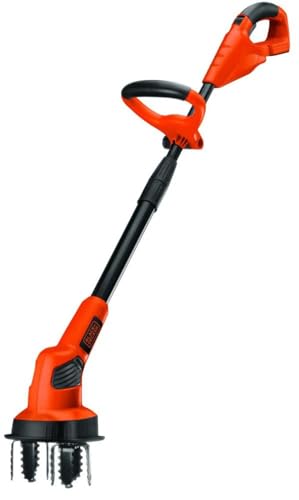
BLACK+DECKER LGC120B Cordless Garden Tiller (Tool Only)

Sun Joe TJ605E Electric Tiller & Cultivator

TaskStar Battery Powered Cordless Tiller Cultivator

Saker 22V Cordless Garden Tiller Cultivator

Muylux 20V Cordless Tiller with 2 x 2.0Ah Batteries
Meet The Standout Selections
The big draw here is compatibility. This unit runs on BLACK+DECKER’s 20V MAX POWERCONNECT battery platform, so anyone who already owns drills, trimmers, or blowers from that line can slot in a pack they own and skip buying one. Note the “tool only” label: you’ll need a compatible battery and charger separately unless you already have them.
In practice, this is a between-plants machine rather than a field breaker. Dual tines are designed to weave through established beds without tangling on weeds, which makes it handy for weeding, seeding, and loosening dry lawn spots. For most small gardens, that’s exactly the job description.
Everyday Wins
- Fits the widely shared 20V MAX POWERCONNECT battery family, cutting extra cost if you’re already invested
- Dual tines work close to plants without chewing up roots or snagging weeds
- Cordless design means no outlet hunting or extension cords stretched across the yard
- Light enough for quick touch-ups between seasons
Things To Consider
- Battery and charger are not included, so first-time buyers face an added purchase
- Cordless power has limits; heavily compacted clay may need several passes, and tines should be cleaned after each use to prevent soil buildup
Who It Suits Best
Gardeners who already own 20V MAX batteries and want a low-effort cultivator for established beds and light seasonal prep.
A Better Fit Elsewhere
Shoppers starting from zero gear will get more complete value from the Muylux 20V Cordless Tiller, since it ships with two batteries and a charger.
Where the BLACK+DECKER trades on convenience, the Sun Joe TJ605E trades on raw turning force. Its 15-amp corded motor spins steel tines at up to 400 RPM, a spec aimed squarely at breaking compact ground and aerating lawns rather than just fluffing topsoil. Assuming a standard outdoor outlet within reach of your beds, runtime never becomes a question.
The wide tilling path covers ground quickly, which matters when you’re prepping a whole backyard plot or maintaining larger garden rows. Owners commonly report it handles tough soil better than smaller battery units, though the trade-off is the cord itself and a heavier push through dense earth.
Benefits That Matter
- 15-amp motor delivers up to 400 RPM, enough torque for hard-packed ground
- Steel tines hold up season after season with basic cleaning
- Wide working path speeds up planting prep across bigger plots
- No batteries to charge, degrade, or replace over the years
- Doubles as a weed-control pass before seeding
Points To Note
- The power cord restricts range, so plan your layout around outlet access
- Heavier than handheld battery models, which you may feel on long sessions
At A Glance
Made For
Gardeners with medium-to-large beds, tough native soil, and an outdoor outlet nearby who want maximum tilling muscle per dollar.
Reach For A Different Pick When
Anyone working far from power or in tight raised beds will find the Saker 22V Cordless Tiller’s untethered design far more practical.
TaskStar positions this unit as a multi-tool replacement: break, loosen, mix, and aerate with one battery-powered device instead of a shed full of hand implements. That framing fits real life well. Mixing compost into a bed by shovel is slow, sweaty work, and a powered cultivator turns it into a ten-minute pass.
Compared with the Sun Joe TJ605E reviewed above, expect less brute force but far more freedom of movement. The honest read is that this suits routine bed maintenance more than virgin-ground breakthrough. For most suburban gardens with previously worked soil, that’s enough.
A Strong Showing
- Handles hard ground, compact soil, and compost mixing in one tool
- Improves soil structure so water and nutrients absorb more easily
- Cordless operation lets you reach corners no outlet can
- Replaces several manual tools, trimming both cost and clutter
Softer Spots
- Battery runtime depends on soil hardness; dense clay drains packs faster than loose loam
- As a newer brand, long-term parts and support history is thinner than established names
- Tines need rinsing after wet-soil sessions to avoid rust and caking
Quick Facts
Right Fit For
Budget-minded home gardeners maintaining established beds who want one versatile tool instead of a collection.
Swap It Out When
Gardeners facing large, never-tilled plots should lean toward the Sun Joe TJ605E, whose 15-amp motor is built for sustained heavy soil work.
Saker built this one around a simple idea: no cords, no outlets, no fuss. The 22V battery platform sits slightly above the 20V class in voltage, and the whole package targets small gardens, backyards, and tight spaces where a full-size tiller simply can’t turn around. Think narrow raised beds, borders along fences, and container-garden refreshes.
Against the TaskStar, the Saker leans harder into portability than versatility. You may find its lighter frame easier to guide between rows, though that same lightness means less downward bite in stubborn soil. One thing worth considering: store the battery indoors over winter, since cold garages shorten lithium cell life.
Features That Help
- Cordless freedom removes outlet hunting and tangled extension runs entirely
- Compact footprint navigates tight beds and fenced corners
- 22V battery offers a bit more headroom than standard 20V packs
- Efficient design keeps short gardening sessions productive
Small Caveats
- Lightweight build sacrifices some penetration depth in hard-packed ground
- Battery care matters; indoor storage and regular charging extend pack lifespan
Who Will Love This
Urban and suburban gardeners with small raised beds or container setups who prioritize easy handling over raw power.
Not Your Match When
Those needing longer runtime per session get better coverage from the Muylux 20V Cordless Tiller, which bundles a second battery for swap-and-go work.
This is the pick that arrives ready to work. Two 2.0Ah batteries and a charger come in the box, so there’s nothing else to buy before your first pass. Each steel-tined head spins at up to 240 RPM and loosens soil roughly 4 inches deep, which suits soil preparation, lawn aeration, and breaking up moderately compacted ground.
For a first tiller, that depth figure is genuinely useful: it matches what most vegetable roots need at planting time. Compared with the Saker’s single-battery approach, the dual-pack setup effectively doubles session length. The trade-off is modest RPM versus the Sun Joe’s 400, so very hard soil will take patience.
The Upside
- Two 2.0Ah batteries plus charger included, ready out of the box
- Loosens soil up to 4 inches deep, matching typical planting needs
- 240 RPM steel tines handle prep and aeration in minutes
- Cordless layout moves freely through tight spots and small gardens
Details To Watch
- Lower tine speed than corded rivals means slower progress in dense clay
- Wipe tines dry after use; stored moisture invites corrosion over a season
Feature Rundown
Who Should Grab It
First-time tiller owners with small-to-medium gardens who want a complete kit and simple, forgiving operation.
Look Elsewhere When
Experienced gardeners already holding BLACK+DECKER 20V batteries will save money with the LGC120B tool-only body instead.
What Matters Most Before Choosing Hand Electric Tillers
Power Source First
Corded models like the Sun Joe TJ605E deliver steady motor output and never run flat, but they chain you to an outlet and an extension cord rated for outdoor use. Battery models trade some torque for total freedom of movement. Match the choice to your yard’s layout: distant beds favor batteries, while large open plots near the house favor cords.
Soil Type And Depth
Loose, previously worked loam forgives almost any machine. Heavy clay demands higher tine speed and stronger motors, and even then expect multiple passes. Working depth matters too; 4 inches covers most annual vegetable planting, while deeper amendment calls for a full-size rear-tine machine outside this category.
Weight And Handling
A tiller you can’t comfortably steer is a tiller that stays in the garage. Lighter battery units shine in raised beds and between rows, where precision beats force. Heavier corded machines suit open ground where straight runs dominate.
Battery Ecosystem
Already owning 20V tools changes the math entirely. A tool-only body like the BLACK+DECKER LGC120B costs less overall when a compatible pack sits on your shelf. Starting fresh? Bundled kits such as the Muylux remove guesswork.
Key Considerations Across These Picks
Traps First Timers Fall Into
The most common mistake is oversizing. A 15-amp corded machine is wasted effort in four raised boxes, and a featherweight cultivator will frustrate anyone facing virgin clay. Measure your actual bed area and probe your soil before committing. Second trap: forgetting the battery. Tool-only listings look cheaper until you price the pack separately.
When Paying More Pays Off
Higher-tier spend buys motor amperage, steel tine quality, and battery capacity. Those three attributes translate directly into faster passes, fewer replacements, and longer sessions. Paying up makes sense past roughly 200 square feet of beds or in soils that resist a hand spade. Below that threshold, budget kits do the job fine.
Frequently Asked Questions
Can a hand electric tiller break new ground?
Lightly compacted turf, yes, usually with several passes. Dense, never-cultivated clay generally requires a heavier machine or manual pre-breaking.
How deep do these tillers actually dig?
Most handheld models work the top 4 inches or so. That depth suits annual beds, aeration, and compost mixing but won’t reach subsoil.
Are cordless tillers powerful enough for regular use?
For established beds and seasonal maintenance, absolutely. Runtime and torque drop off in hard soil, so keep expectations matched to soil condition.
Do I need to remove rocks before tilling?
Yes. Steel tines survive small stones, but larger rocks bend tines and stress motors. A quick rake-through first saves repairs.
How much maintenance do electric tillers need?
Very little. Clean soil off the tines after each use, check for wear seasonally, and store batteries indoors away from freezing temperatures.
Closing Thoughts
Choosing among these five comes down to honest self-assessment. Count your bed square footage, poke a spade into your soil, and check which batteries already live in your garage. The right match handles your specific ground without strain, and any of these picks will earn its storage spot once spring planting rolls around again.