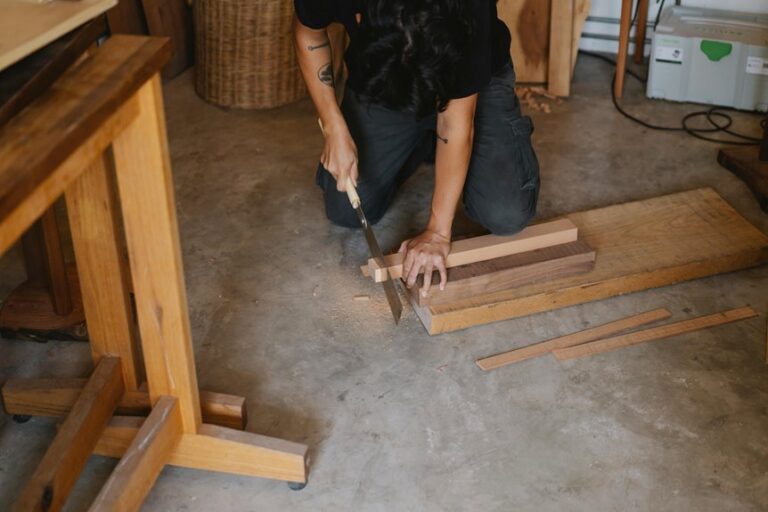
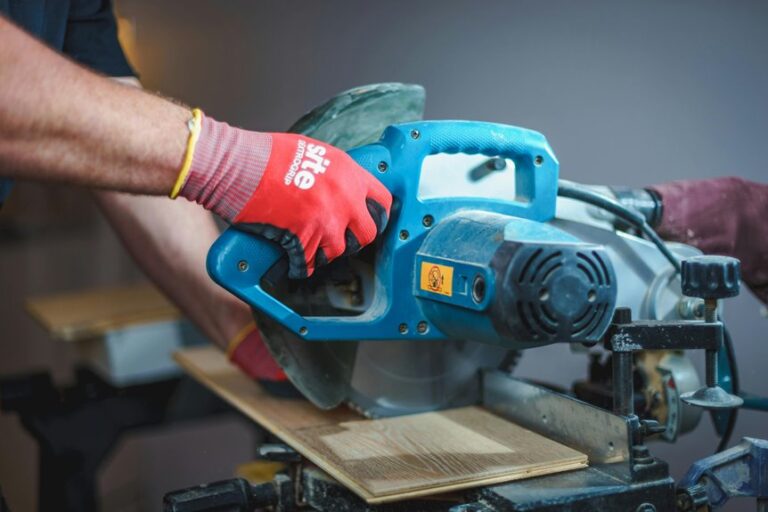
A hand saw looks simple until you’re halfway through a wet oak limb with a blade that binds on every stroke. That’s the problem this list solves. Whether you trim trees for a living, cut joinery at the bench, or just want one dependable saw in the truck, the five options below cover the realistic range: precision coping, folding pruning blades, bushcraft steel, and a cordless mini chainsaw for quick yard cleanup. Each pick is matched to the kind of work it actually handles well, so you can skip the guesswork and get straight to cutting.
The Shortlist At A Glance

IRWIN Tools ProTouch Coping Saw (2014400)
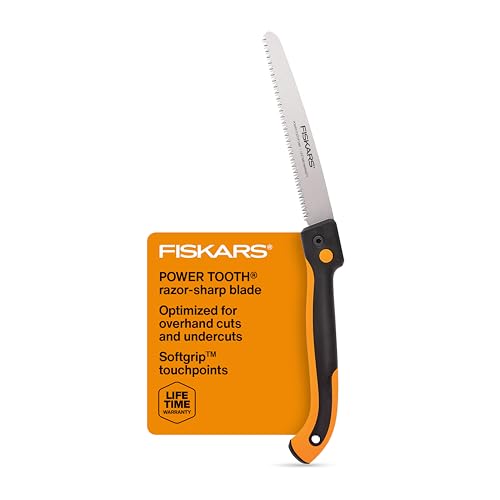
Fiskars 10″ Folding Pruning Saw

Craft911 Folding Camping Saw 11 Inch SK5 Blade

Craft911 Folding Camping Saw 11 Inch (SK5)

IMOUMLIVE 6-Inch Cordless Mini Chainsaw 21V
A Deeper Look At The Lineup
A coping saw is the tool you reach for when a jigsaw is overkill and a chisel can’t follow the curve. This IRWIN model runs a 6-1/2-inch blade inside a 5-1/2-inch deep frame, which gives you enough throat to swing through moldings, dovetail waste, and interior cutouts without the frame fouling the work.
The ProTouch grip matters more than it sounds. Long sessions cutting crown spring angles punish bare metal handles, and the cushioned shape keeps your palm from cramping. Compared with the folding saws later in this list, this one trades portability for accuracy, which is exactly the trade a finish carpenter wants.
A Few Highlights
- High-speed steel blade teeth slice through most common materials without constant resharpening
- Flat-Bar frame paired with DuraSteel pins holds tension so the blade tracks straight under pressure
- The 17-point tooth count leaves a cleaner edge on trim stock than coarse pruning blades ever will
- Ergonomic handle reduces hand fatigue during repetitive cope-and-crown work
Things To Consider
- Blades wear faster on abrasive hardwoods, so keeping spares in the toolbox is a habit worth forming
- The fixed frame won’t fold or stow in a pocket like the Fiskars below
Who It Suits Best
Finish carpenters, cabinet installers, and hobbyist woodworkers who need controlled curved cuts at the bench.
Where Another Pick Shines Instead
Anyone clearing branches outdoors will get far more use from the Fiskars 10″ Folding Pruning Saw’s aggressive tooth pattern.
Pruning work rarely happens at a comfortable angle, and that’s where this Fiskars earns its spot. The blade locks in two open positions, letting you switch between overhand cuts on high limbs and undercut strokes on low growth without losing leverage. In our view, that dual-lock design is the single most practical feature in this whole category.
The triple-ground tooth geometry, where each tooth is sharpened on three faces, pulls aggressively through green wood. Ten inches of blade handles branches most hand pruners give up on. Folded shut, the sharp edge sits protected inside the handle, so it rides safely in a back pocket or tool bag between jobs.
Where It Excels
- Triple-ground teeth bite fast into live wood, cutting session time noticeably on thick limbs
- Two locking positions give real control whether you cut from above or below a branch
- Non-slip grip stays secure with gloved or sweaty hands, a small thing that prevents slips
- Folding design protects the edge and your gear during transport
Worth Noting
- Sap buildup on the blade is commonly reported after heavy evergreen work, so a quick wipe-down after each session keeps the teeth cutting cleanly
Made For
Home gardeners and groundskeepers who prune regularly and want one folding saw that lives in the shed door pocket.
Swap It Out When
Bushcraft users needing a longer 11-inch blade for campfire wood will prefer the Craft911 Folding Camping Saw instead.
SK5 is a high-carbon Japanese steel grade prized for holding a hard edge, and it’s the backbone of this 11-inch folder. Seven teeth per inch sit in the sweet spot for mixed material: aggressive enough for soft green limbs, refined enough to track through seasoned hardwood without chattering.
Where the Fiskars targets garden beds, this Craft911 leans bushcraft and trail use. The extra inch of blade processes wrist-thick firewood rounds faster, and the folding format drops into a pack side pocket without snagging anything. Campers who split their time between tree trimming and wood gathering will find the versatility hard to argue with, though the honest read is that no single blade excels at everything.
Useful Highlights
- SK5 high-carbon steel resists bending and holds its edge through repeated hardwood sessions
- 7 TPI razor-style teeth clear chips quickly, reducing the sticking that plagues cheap folders in wet wood
- Triple-cut tooth grind speeds up both push and pull strokes
- An 11-inch blade reaches deeper into limb crotches than standard 10-inch designs
- Folds flat for safe storage among other pack gear
Potential Drawbacks
- High-carbon steel needs a light oiling in humid climates to prevent surface rust, an easy maintenance step some owners forget
- Coarser teeth leave a rougher finish on craft projects than the IRWIN coping saw
Key Product Details
Right Fit For
Campers, backpackers, and off-grid homesteaders who want one tough folding blade for both trail and yard duty.
Reach For A Different Pick When
Seniors or anyone wanting powered assistance should look at the IMOUMLIVE 6-Inch Mini Chainsaw instead.
This second Craft911 listing carries the same core hardware as the saw above: an 11-inch triple-cut SK5 blade with 7 TPI razor teeth, built for tree trimming, camping, bushcraft, and garden work. The difference comes down to availability and fit rather than function, since listings for identical tools shift independently depending on stock and shipping options.
For most buyers the deciding factor is simple: whichever listing ships sooner or prices better wins. Performance expectations stay identical, fast chip clearance in green wood, solid edge retention in dry hardwood, and a folding body that stows easily. One caution applies equally here: check the lock engagement before each heavy cut, as folding mechanisms deserve a quick glance regardless of brand.
Real Benefits
- Same proven SK5 blade platform as the earlier listing, with strong edge life across mixed materials
- Triple-cut grind keeps cuts moving in both directions, useful for awkward branch angles
- Works as a limb saw, garden saw, and camp saw without swapping tools
Small Caveats
- Carbon steel blades benefit from drying after wet-weather use to avoid spotting
- Two near-identical listings can make comparison shopping slightly confusing
Whose Shelf It Belongs On
Gardeners and weekend woodcutters who want a do-everything manual saw at a working-tool price point.
Consider Something Else When
Precision joinery work calls for the IRWIN Tools ProTouch Coping Saw and its finer 17-point blade instead.
At 2.2 pounds, this mini chainsaw weighs less than a filled water bottle, and that changes who can use it comfortably. Seniors, smaller-framed users, and anyone new to power cutting get one-handed control without the arm fatigue a full-size chainsaw demands. The 6-inch bar suits branches up to roughly forearm thickness, which covers the bulk of routine yard pruning.
Power comes from a stability-tuned pure copper motor fed by a 21V 2.0Ah battery. Copper windings run cooler and hold speed better under load, so cuts stay smooth instead of bogging down mid-branch. Compared with every manual option above, there’s no pulling effort at all; the trade-off is battery charging becoming part of your routine.
A Few Strong Suits
- 2.2-pound weight makes overhead and one-handed cuts genuinely manageable
- Copper motor maintains steady speed in denser wood without stalling
- Rechargeable 21V 2.0Ah battery frees you from cords and fuel mixing
- Compact size stores in a drawer, unlike full-size chain saws
Points To Note
- Chain tension and bar oil habits matter here; skipping basic upkeep is the most commonly reported cause of premature wear
- The short 6-inch bar limits you to smaller branches, so storm cleanup of large limbs needs bigger equipment
Feature Snapshot
Who Will Love This
Beginners, seniors, and casual gardeners who want powered pruning help without the weight or noise of a full chainsaw.
Another Choice May Suit
Purists who never want to charge a battery will stick with the Craft911 Folding Camping Saw’s always-ready manual blade.
What Matters Most Before Choosing Hand Held Saws For Professionals
Match The Blade To Your Material
Tooth pitch decides everything. Fine teeth around 17 points per inch, like the IRWIN coping saw’s, produce clean cuts in trim and joinery. Coarser 7 TPI patterns pull harder through green branches. Buying a fine-tooth saw for firewood means slow, frustrating work, and the reverse ruins delicate stock.
Steel And Edge Retention
High-carbon steels such as SK5 hold a sharper edge longer but demand light oiling in damp climates. High-speed steel resists heat and abrasion well. Decide how much maintenance you’ll realistically perform before committing either way.
Weight, Reach, And Control
An 11-inch blade reaches deeper into crotches but costs maneuverability. Powered options like the IMOUMLIVE remove effort entirely while adding battery management. Professionals cutting daily usually favor lighter tools with proven grips, since fatigue compounds over a full shift.
Locking And Safety Features
Folding designs protect edges during transport, but the lock mechanism deserves scrutiny. Dual-position locks add versatility for angled cuts. Whatever style you choose, confirm the blade seats firmly before every session; a loose lock is the failure point that matters most.
Key Considerations Across These Picks
Traps First Timers Fall Into
The classic error is buying one saw for every job. A coping saw cannot prune an apple tree, and a pruning saw mangles dovetails. Match tooth count to task first. Second mistake: ignoring maintenance. Carbon-steel blades rust without occasional oiling, and mini chainsaw chains loosen with use. Five minutes of care per month extends tool life dramatically.
Where The Extra Money Goes
Higher-tier saws spend on metallurgy and ergonomics. Better steel holds its edge two or three times longer, and shaped grips reduce the hand strain that ends long cutting sessions early. Paying up makes sense once cutting becomes a weekly routine; occasional users get plenty done with value-oriented picks.
Frequently Asked Questions
What tooth count works best for general pruning?
A coarse pattern around 7 TPI clears chips fastest in green wood. Finer pitches sacrifice speed for smoother finishes on dry or crafted stock.
Are folding saws as rigid as fixed-frame models?
Quality folders lock solidly for normal cutting loads. Fixed frames like the IRWIN retain a slight advantage in very fine, high-tension work.
How often does a mini chainsaw chain need tightening?
Check tension before each session, especially when new. Chains stretch during the first several uses and then stabilize with regular adjustment.
Can one hand saw handle both wet and dry wood?
Yes, within reason. SK5 and similar high-carbon blades cut both, though wet sapwood dulls any blade faster and requires more frequent cleaning.
Do I need eye protection with a hand saw?
Sawdust and chips fly unpredictably regardless of tool type. Basic safety glasses are inexpensive insurance for every cutting session.
Closing Thoughts
The right choice comes down to honest self-assessment about your work. Bench carpenters get lasting value from the IRWIN ProTouch, gardeners will wear out the Fiskars happily, and trail users should grab either Craft911 folder. Anyone tired of arm strain gets genuine relief from the IMOUMLIVE mini chainsaw. Match the blade to the job, keep it clean and oiled, and any of these five will serve you well for years.