A hand planer is one of those tools that quietly earns its spot on the bench. Whether you’re flushing a plug, flattening a tabletop, or easing a door that sticks in humid weather, the right plane saves sanding time and leaves a surface no sander can match. The catch is that planes come in wildly different shapes, from palm-sized trimmers to two-foot fore planes.
This roundup covers five options across that whole range. You’ll find a compact chisel-style trimmer, a full-size panel flattener, a classic bench plane, a powered door-planing workhorse, and a mini model for detail work. Each one suits a different shop and skill level, so read with your own projects in mind.
An Overview Of The Picks

POWERTEC Chisel Plane with Flat Blade (72162)

Groz No. 6 Fore Plane Hand Planer 18″ Length

STANLEY No. 4 Adjustable Bench Plane
Bosch PL1632 3-1/4 In. Planer
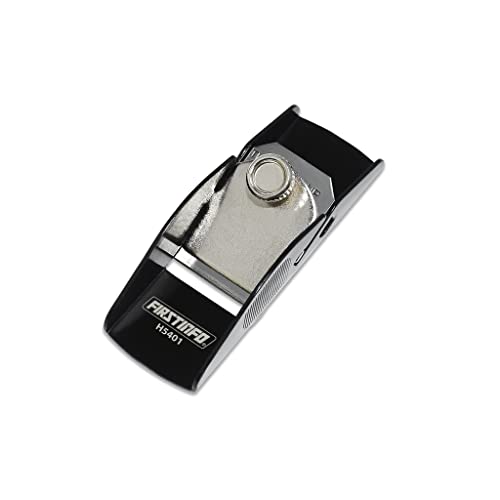
FIRSTINFO Mini Woodworking Hand Plane
A Breakdown Of The Leading Choices
Most planes in this guide remove material in broad strokes; this one exists for the fussy last five percent. A chisel plane sits flush against a flat surface, which makes it the tool you reach for scraping dried glue squeeze-out, paring joinery flush, or trimming wooden plugs without chewing into surrounding grain.
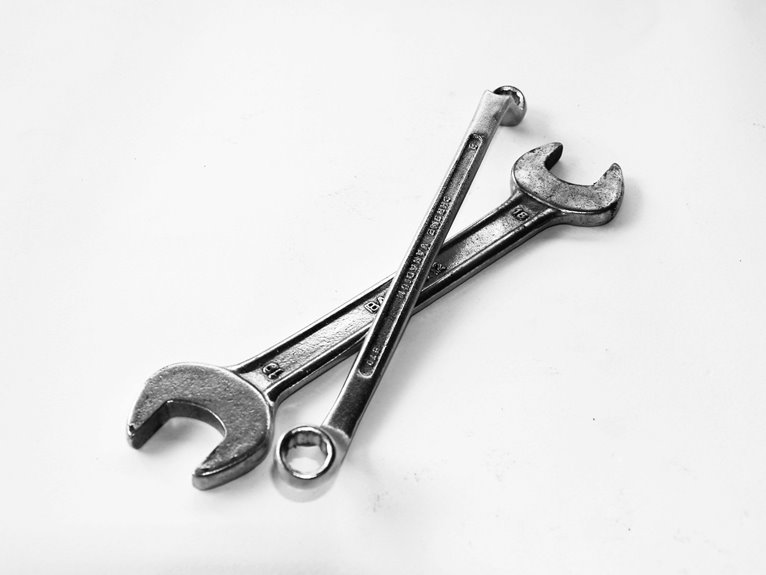
The blade is high-carbon SKD11 tool steel hardened to 58–62 HRC, a hardness range that holds an edge far longer than softer carbon steel. A wrench is included for blade changes, and the compact body works in tight corners where a bench plane simply won’t fit.
Where It Delivers
- SKD11 steel at 58–62 HRC means fewer trips to the sharpening stone during a long glue-up session
- Flush-cutting profile cleans plugs and dowels level without gouging the surrounding face grain
- Small footprint reaches inside casework and along shoulders where larger planes can’t go
- Included wrench makes blade swaps quick instead of a hunt through the toolbox
Things To Consider
- This is a single-purpose trimmer, not a general stock-removal plane, so most shops will still want a bench plane alongside it
- Like any chisel-edge tool, it needs careful storage; a knocked-around edge dulls fast
Key Specs
Who It Suits Best
Furniture makers and cabinet builders who regularly flush-trim plugs, dowels, and joinery will get the most out of it.
A Better Fit Elsewhere
Shoppers wanting one do-everything smoothing plane should look at the STANLEY No. 4 Adjustable Bench Plane instead.
An 18-inch sole changes what a plane can do. The long body bridges dips and rides across the high spots of a wide board, which is exactly how you flatten a tabletop or workbench top by hand. Where the POWERTEC trims details, this Groz moves serious material across big surfaces.
The 60mm-wide cutter takes heavy shavings, and the cast iron body carries enough mass to power through cuts without chatter. An adjustable frog lets you reposition the blade angle to suit tricky grain, something budget planes often skip entirely.
Positive Takeaways
- The long sole self-registers across a panel, so you spend less time checking flatness with a straightedge
- Cast iron construction gives the heft needed for consistent, controlled passes on hardwood
- Adjustable frog helps tame reversing grain that would tear out on a fixed-angle plane
- Hardened steel cutter responds well to honing and keeps working between sharpenings
Worth Noting
- At this size and weight, it’s a poor fit for small parts or one-handed detail work
- New owners commonly report spending some initial time honing the factory edge before it produces its best shavings
- Storage matters; the bare cast iron sole benefits from a light oil wipe in humid shops to prevent rust
Feature Snapshot
Made For
Woodworkers building tables, benches, or panel glue-ups who want traditional hand-tool flattening power.
Swap It Out When
Apartment woodworkers and beginners doing smaller projects will find the STANLEY No. 4 Adjustable Bench Plane far more manageable.
The No. 4 size has been the default first bench plane for generations, roughly nine to ten inches of sole that smooths boards, eases edges, and trims doors. Stanley’s version keeps the formula simple: a cast iron base with precision-ground sides and bottom, wrapped in an epoxy coating that resists rust and shop wear.
Depth and alignment adjust manually, which sounds old-fashioned but teaches you how a plane actually works. The cam-lock lever releases the cutter quickly when it’s time to hone, and the polymer handles keep weight down for longer smoothing sessions.
Notable Gains
- Precision-ground sole and sides give you a true reference surface right out of the box
- Epoxy coating shrugs off sweat, humidity, and sawdust better than bare cast iron
- Manual depth and lateral adjustment builds real skill and fine control over shaving thickness
- Quick-release cam lock means sharpening breaks take seconds, not minutes
Points To Note
- Many owners plan on lapping the sole and honing the cutter before first use to reach peak performance
- High-impact polymer handles trade some of the warmth and feel of traditional hardwood totes
At A Glance
Right Fit For
First-time plane owners and DIYers who want a forgiving, affordable tool to learn smoothing technique on.
Reach For A Different Pick When
Anyone flattening full-size tabletops should step up to the Groz No. 6 Fore Plane, whose 18-inch sole does that job properly.
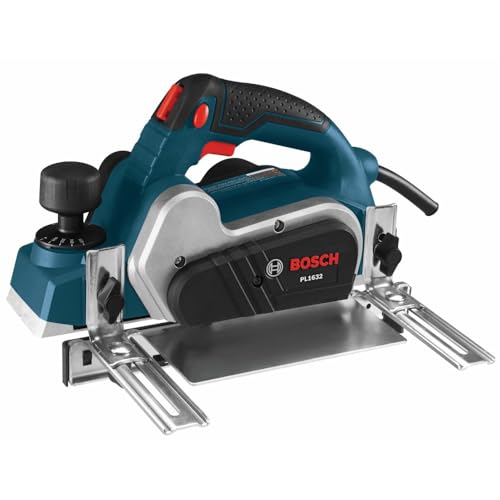
Everything before this point required muscle and sharpening skill. The PL1632 trades that for electricity: a 6.5 Amp motor spinning the cutter head at 16,500 RPM strips a swollen door edge or glued-up panel in seconds. Door hangers and remodelers who plane on site tend to treat this category as essential kit.
Bosch’s guidance system helps keep the shoe flat against the work, which is where cheaper electric planers wobble and leave scallops. An ambidextrous lock-off button prevents accidental starts, a genuinely useful feature when you’re climbing a ladder with the tool in hand.
What Makes Sense
- 16,500 RPM cutter speed removes stock fast while still leaving a finish that needs only light sanding
- Planer-guidance system steadies the tool for even, flat passes across doors and panels
- Lock-off release accessible from either side suits left- and right-handed users equally
- Corded power means no battery swaps mid-job on a full day of door work
Small Caveats
- You’ll need a nearby outlet and a dust plan; electric planers throw chips aggressively, so eye protection and cleanup time are part of ownership
- It can’t match a hand plane for whisper-quiet, zero-tearout finishing passes on figured wood
Who Will Love This
Contractors and serious DIYers who hang doors, scribe countertops, or dimension rough lumber on a deadline.
Another Choice May Suit
Hobbyists working quiet evenings in shared spaces will prefer the FIRSTINFO Mini Woodworking Hand Plane, which makes no noise at all.
Roughly three and a half inches long, this little block fits in a shirt pocket and weighs almost nothing. That size makes it the natural companion for model building, deburring small parts, and touching up edges on craft projects where a full bench plane would be absurd overkill.
A screw adjustment sets both the cutter’s projection and its angle, so you can dial in shallow, clean passes on delicate work. The steel blade arrives sharp enough for softwoods and craft materials, though like any small plane it rewards frequent light honing.
Useful Highlights
- Pocketable dimensions make it easy to keep at the workbench, in a tool roll, or on the go
- Screw-adjusted cutter lets you set precise, shallow depths for fragile model parts
- Steel blade handles trimming, deburring, and light polishing prep across small surfaces
Less Ideal Details
- The tiny body offers limited mass, so cuts on dense hardwood require patience and multiple light passes
- Owners commonly report the small blade needs more frequent touch-ups than a full-size plane’s cutter
Core Details
Whose Shelf It Belongs On
Model makers, crafters, and hobbyists who trim and deburr small wooden parts will use this constantly.
Consider Something Else When
For general board smoothing around the shop, the STANLEY No. 4 Adjustable Bench Plane covers far more ground.
What Matters Most Before Choosing Hand Planers
Match The Size To The Job
Sole length determines what a plane can flatten. Long bodies bridge dips across wide panels; short bodies follow contours and fit tight spaces. Buying a plane bigger than your typical workpiece just adds fatigue, so measure your usual stock first.
Manual Versus Powered
Hand planes leave quiet, tearout-free finishes and cost nothing per pass, but they demand sharpening skill. Electric models like the Bosch strip material fast and suit job-site door work. Most serious shops eventually own one of each.
Blade Quality Decides Everything
A plane is only as good as its edge. Hardness ratings such as the 58–62 HRC on the POWERTEC’s SKD11 steel translate directly into longer intervals between honing. Softer blades dull mid-project and frustrate beginners fastest.
Adjustment And Setup
Look for accessible depth and lateral controls, plus features like an adjustable frog for difficult grain. Planes needing extensive sole-lapping before first use add hours of hidden setup work that many newcomers don’t anticipate.
Key Considerations Across These Picks
Wrong Turns To Avoid
The most common mistake is buying one plane to do every job. A mini trimmer won’t flatten a tabletop, and an 18-inch fore plane is clumsy on drawer parts. Another trap: skipping sharpening gear. Every manual plane here performs dramatically better with a honing stone and strop within reach.
When Paying More Pays Off
Higher-tier planes justify their cost through metallurgy and machining. Hardened tool steel, precision-ground soles, and adjustable frogs all reduce setup time and hold performance longer. Casual users doing occasional trim work can stay entry-level; anyone planing weekly will feel the difference within the first month.
Frequently Asked Questions
What’s the difference between a bench plane and a block plane?
A bench plane is a longer tool held with two hands for smoothing and flattening boards. A block plane is smaller, single-handed, and built for end grain and edge trimming.
Do I need to sharpen a new plane blade?
Almost always, yes. Factory edges are serviceable but rarely razor-sharp, and a few minutes on a honing stone transforms performance.
Can a hand plane replace a power planer?
For small shops and finish work, largely yes. For dimensioning lots of rough lumber quickly, a powered option like the Bosch saves significant time and effort.
How do I prevent tearout on figured wood?
Take lighter cuts, close the mouth if your plane allows it, and skew the plane slightly across the grain. An adjustable frog helps tune the cutting angle for stubborn grain.
Which plane should a complete beginner buy first?
A No. 4-size bench plane is the traditional starting point. The STANLEY in this list offers that classic format with straightforward manual adjustments for learning on.
Closing Thoughts
There’s no single right answer here, only the right tool for the work in front of you. Detail-focused furniture makers will lean on the POWERTEC, panel builders on the Groz, and door-hanging pros on the Bosch. Start with the project you actually have, not the shop you imagine, and add tools as real jobs demand them.