Starting out in hand tool woodworking means learning to read grain, set a blade, and take a shaving you can see through. The right first tools make that learning curve feel like progress instead of punishment. This roundup covers five affordable options that each solve a different problem: edge cleanup, flattening wide panels, shaping curves, leveling joinery, and detail work on small projects. None of them will break your budget, and together they cover most of what a new woodworker actually reaches for in the first year.
A Quick View Of The Lineup
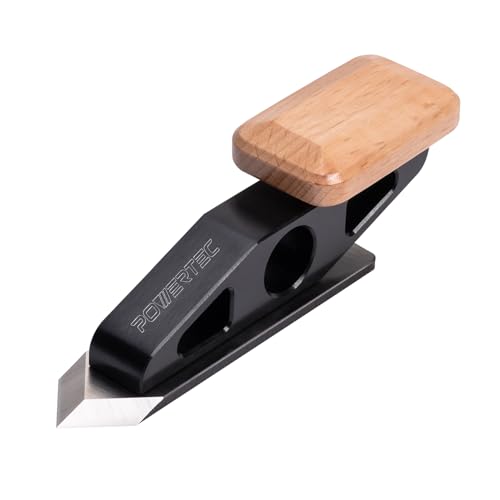
POWERTEC Chisel Plane with Spear Point Blade (72163)

Groz No. 6 Fore Plane 18″ Cast Iron

boeray Adjustable Flat Spokeshave Set with Blades

Cowryman 003 Router Plane, Fourth-Generation
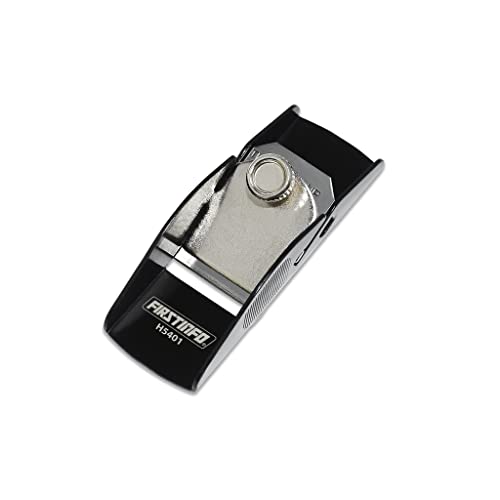
FIRSTINFO Mini Woodworking Hand Plane
Taking A Closer Look At The Options
Most starter kits skip this tool entirely, which is a shame because corner cleanup is where beginner joinery usually looks roughest. A chisel plane works like a blade mounted flush with its sole, letting you shave plugs, trim dowels, and square up inside corners that a bench plane physically cannot reach.
The spear point tip is the detail here. It tapers to a fine point, so narrow angles and irregular shapes stay within reach. Anyone gluing pocket-hole plugs or cleaning up mortise corners will find it earns its drawer space quickly.
The Practical Payoff
- High-carbon SKD11 tool steel blade holds an edge through repeated plug trimming without constant resharpening
- Hardness in the 58–62 HRC range means the cutting edge resists wear far longer than soft budget blades
- Spear point profile reaches corners and tight angles a standard block plane simply cannot access
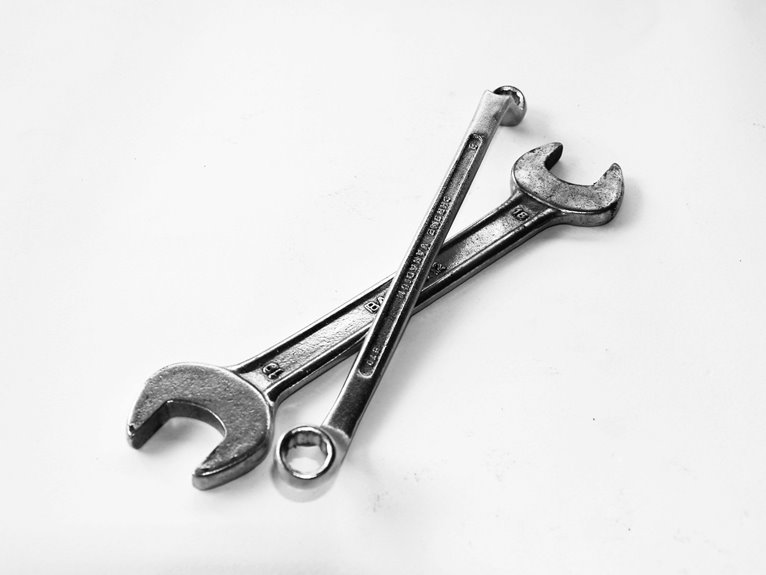
- A wrench comes included, so blade adjustments start the day it arrives
Things To Consider
- This is a single-purpose tool; owners working mostly on broad surfaces may find it sits idle between joinery sessions
- The blade needs occasional honing to keep that fine point crisp, so factor sharpening into your routine
Who Should Grab It
Beginners building casework, trimming plugs, or refining joinery corners who want one focused tool that does that job well.
Where A Sibling Pick Shines
For general surface smoothing across wider stock, the FIRSTINFO Mini Woodworking Hand Plane or the Groz fore plane below covers more ground per pass.
Where the POWERTEC chisel plane handles the fiddly stuff, the Groz No. 6 is the muscle. An 18-inch sole bridges dips and ridges on wide boards, knocking tabletops and panel glue-ups down to flat faster than any smaller plane could manage.
The cast iron body carries real heft, and that weight does half the work for you. Beginners often fight light planes that chatter and skip; a heavier fore plane tends to glide more predictably, which builds confidence early.
What Earns Its Place
- Sole machined to a 0.003-inch flatness tolerance, so minimal lapping is needed before serious use
- 60mm-wide hardened steel cutter takes wide, even shavings across full board faces
- Adjustable frog lets you tune blade angle and mouth opening for different woods and cut depths
- Accurately machined blade seating means setup time stays short out of the box
Points To Note
- At 18 inches it demands bench space and decent storage room, a real constraint in small shops
- The weight that helps on flats makes it clumsy for edge work or small parts
- Cast iron bodies benefit from a light coat of oil during humid-season storage to prevent rust
Key Specs
Made For
New woodworkers tackling their first tabletop, workbench top, or glued-up panel who want a serious flattening tool from day one.
Swap It Out When
Apartment dwellers and hobbyists working mostly on small parts will get far more use from the compact FIRSTINFO mini plane instead.
A spokeshave is the tool you reach for once a board stops being flat: chair spindles, canoe paddles, curved aprons, anything with a sweep to it. You hold it by its handles and draw it along the grain like a very controlled drawknife. This set gives you two sizes, 9-inch and 10-inch bodies, so tight curves and long sweeps each get the right tool.
Compared with the single-purpose POWERTEC chisel plane, this kit trades specialization for range. Six metal blades come in the package, four of them replaceable spares, which matters because beginners burn through edges fast while learning sharpening angles.
The Upside
- SK2 steel blades heat-treated to 58–60 HRC hold a working edge through extended shaping sessions
- Precision-ground cutters produce cleaner, more accurate cuts on curved surfaces than rough-ground budget blades
- Adjustable bodies let you change blade depth and projection as the work demands
- Spare blades mean less downtime mid-project when an edge dulls
Small Caveats
- Spokeshaves take practice; expect some gouging on your first few attempts at concave curves
- Blades arrive sharp but benefit from a quick strop before fine finishing passes
Right Fit For
Hobbyists moving into chair making, carving-adjacent work, or any project with curves that a flat-soled plane cannot follow.
Another Choice May Suit
Woodworkers staying strictly with flat-panel furniture should put that budget toward the Groz No. 6 instead, since curves rarely enter those builds.
A router plane has nothing to do with the power tool of the same name. It holds a small cutter below a flat base and levels surfaces by depth stop: dado bottoms, groove floors, hinge recesses, tenon cheeks. Every hand-cut joint ends up slightly uneven, and this is the tool that fixes it.
This fourth-generation version refines the formula with raised handles, smoother rounded edges, updated screws, and better base preparation. Those sound like small changes until you spend an afternoon making repeatable shallow passes; comfort and adjustment quality are the whole experience here.
What Stands Out
- One-piece 8mm HSS cutter resists flex, keeping depth consistent across a full pass
- Handles dados, grooves, hinge mortises, and tenon cheeks with one tool
- Raised handle design improves control during slow, deliberate cuts
- Depth-controlled cutting produces repeatable results, ideal while learning joinery tolerances
Worth Bearing In Mind
- It only cuts where the base can sit flat, so deep or narrow recesses need patience and multiple setups
- The straight cutter handles most tasks, but shaped profiles require separate cutters over time
Feature Snapshot
Who Will Love This
Beginners cutting joints by hand who want flat, consistent bottoms without investing in a full-size premium router plane yet.
Look Elsewhere When
Shoppers focused purely on surface smoothing have no use for it here; the Groz No. 6 Fore Plane serves that role far better.
At just 3.38 by 1.14 by 0.94 inches, this little plane fits in a shirt pocket, and that is precisely the point. Model makers, box builders, and anyone deburring small parts will grab it dozens of times per session for jobs where an 18-inch fore plane would be absurd.
Think of it as the opposite end of the lineup from the Groz. Where the big plane flattens panels, this one trims a proud dovetail, eases an edge, or cleans up a model part. The screw adjustment sets both cutter depth and projection, which teaches you how blade exposure changes the cut, a genuinely useful lesson for a first plane.
Advantages To Know
- Pocket-sized footprint makes it the easiest tool here to keep within arm’s reach at the bench
- Steel planer blade arrives sharp enough for trimming and deburring right away
- Single screw adjusts both cutting depth and blade projection for fine-tuned passes
- Suits model making, polishing prep, and small-part cleanup that larger planes cannot manage
Less Ideal Details
- Tiny size limits it to light passes; heavy stock removal is off the table entirely
- Some owners report the adjustment screw benefits from a drop of oil to move smoothly over time
Quick Facts
Whose Shelf It Belongs On
Model builders, crafters, and beginners working small stock who want an inexpensive, low-risk introduction to how a plane behaves.
Consider Something Else When
Anyone flattening boards wider than a hand span should step up to the Groz No. 6, whose 18-inch sole exists for exactly that job.
What Matters Most Before Choosing Hand Planes For Beginners
Match The Tool To Your Actual Projects
Buy for the workbench you have, not the shop you imagine. Flat-panel furniture points toward a fore plane like the Groz; curves and carvings call for a spokeshave; joinery-heavy builds justify a router plane. One well-matched tool teaches more than three mismatched ones gathering dust.
Weight And Sole Length Do Real Work
Longer soles flatten better because they bridge hollows, and heavier bodies cut with less chatter. That same mass becomes awkward on small parts, though. Consider your typical stock size before committing to either extreme.
Blade Steel And Adjustability
Hardened steels such as SKD11 or SK2 hold an edge noticeably longer, meaning fewer interruptions to hone. Screw-based depth adjustment matters just as much, since learning to dial in blade projection is half of what a first plane should teach you.
Key Considerations Across These Picks
Wrong Turns To Avoid
New woodworkers often buy one jack-of-all-trades plane and force it into every job, then blame the tool. Another common slip is skipping sharpening gear entirely; even the best blade dulls, and a dull plane tears grain instead of shaving it. Match the tool to your next actual project instead.
When Paying More Pays Off
Higher-tier models spend their extra cost on machining tolerance, harder steel, and smoother adjustment hardware. The Groz’s 0.003-inch sole flatness is a good example: less lapping, better shavings, faster progress. Casual hobbyists can start cheaper; committed learners usually recoup the difference in saved frustration.
Frequently Asked Questions
What is the best first hand plane for a complete beginner?
A small, adjustable plane like the FIRSTINFO mini is the gentlest entry point. It costs little, teaches blade-depth control, and suits the small parts most beginners actually start with.
Do I need more than one hand plane?
Eventually yes, because flattening, curving, and joinery cleanup demand different geometries. Start with one matched to your current project and add tools as projects demand them.
How often do hand plane blades need sharpening?
Light hobby use typically means touching up the edge every few sessions. Harder exotic woods dull blades faster, so strop frequently and hone when shavings stop coming clean.
Can a beginner use a router plane safely?
Yes, since it cuts slowly and only when pushed deliberately. Keep fingers behind the cutter, take shallow passes, and secure the workpiece before starting.
What maintenance do cast iron planes require?
Wipe the sole after use and apply a thin oil film during humid months to prevent rust. Store blades backed off from the sole to protect both surfaces.
Closing Thoughts
Five tools, five distinct jobs, and no wrong answer among them for the right shopper. Start with the pick that matches your next project, learn it properly, and let real work tell you what to add next. That habit, more than any single purchase, is what turns a beginner into a woodworker.