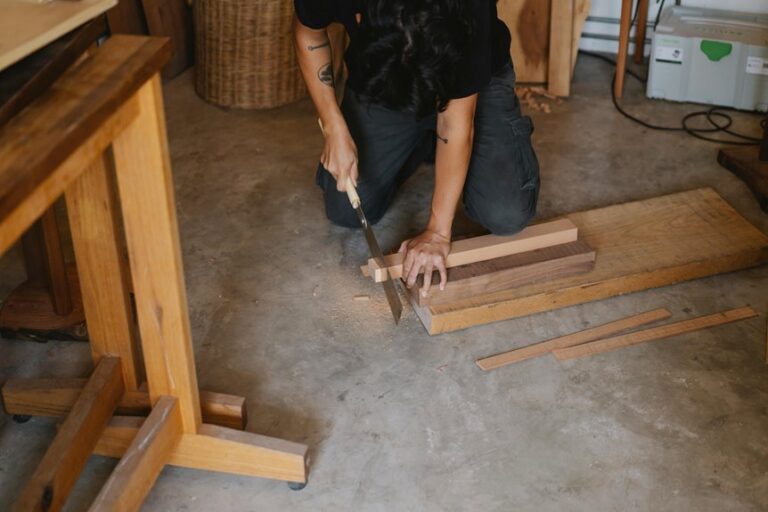
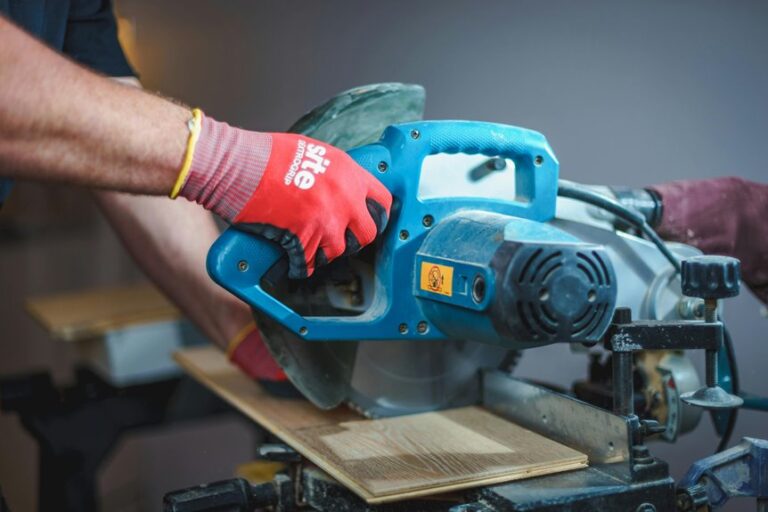
A good hand saw still earns its place in a toolbox full of power tools. It’s quiet, it never needs an outlet, and for trim work, branch cleanup, or a quick cut in the garage, grabbing one beats dragging out the circular saw every time. The catch is that “hand saw” covers everything from fine coping blades to aggressive pruning teeth, and picking the wrong style leaves you fighting the wood instead of cutting it. This roundup sorts five distinct options by job type so you can match the tool to your actual projects.
The Leading Options At A Glance

IRWIN ProTouch Coping Saw (2014400)

IRWIN Coarse Cut Hand Saw 15-Inch
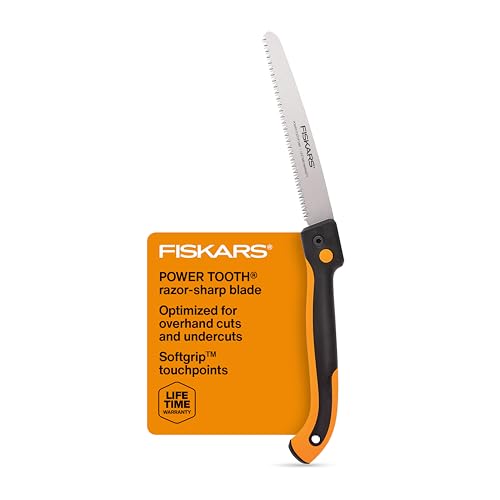
Fiskars 10″ Folding Pruning Saw

Craft911 Folding Camping Saw 11 Inch

Temple Tool Japanese Flush Cut Saw
More Details On Our Top Picks
A coping saw is the narrow-blade specialist of hand tools, built for curves, interior cutouts, and fitting crown molding joints. This IRWIN version pairs a 6-1/2-inch high-speed steel blade with a flat-bar frame held by DuraSteel pins, a combination that resists flex while you steer tight turns through hardwood or softwood.
The 17-point tooth count sits in the sweet spot for woodworking: fine enough to leave a clean edge, coarse enough to keep progress moving. The ProTouch grip matters more than it sounds here, because coping work means long sessions of small, controlled strokes where a hard plastic handle wears on your palm.
Notable Gains
- High-speed steel blades slice through most common materials without bogging down
- Flat-bar frame and DuraSteel pins hold tension steady over years of shop use
- Ergonomic handle reduces hand fatigue during detailed, repetitive cutting
- Compact frame reaches into interior cutouts larger saws can’t touch
Small Caveats
- Blades are thin by design, so twisting too hard mid-cut can snap them; keeping spares on hand is smart practice
- The 5-1/2-inch frame depth limits how far from an edge you can cut
Who It Suits Best
Finish carpenters, model builders, and hobbyist woodworkers who need controlled curved cuts rather than raw speed.
Where A Sibling Pick Shines
For straight crosscuts through framing lumber or sheet goods, the IRWIN Coarse Cut Hand Saw 15-Inch covers that job far better than any coping frame.
This is the saw most people picture when they hear “hand saw,” and IRWIN has loaded it with tooth geometry that does the work for you. Tri-Ground teeth are sharpened on three faces for faster bite, while M2 tooth technology keeps each stroke efficient across dimensional lumber, plywood, and boards alike.
Two details separate it from bargain-bin panels saws. Deep gullets, the spaces between teeth, clear chips quickly instead of clogging mid-cut, and a thick-body blade stays rigid so the kerf tracks straight. The tapered-pitch nose improves clearance near the tip, which helps when starting a cut or working close to another surface.
Positive Takeaways
- Tri-Ground teeth make fast, aggressive cuts through construction lumber
- Thick blade body gives you straighter tracking and better control
- Deep gullets resist chip buildup during long rip cuts
- Tapered nose starts cleanly without the saw jumping off your pencil line
- ProTouch handle cushions grip through full days of demolition or deck work
Things To Consider
- Coarse teeth leave a rougher edge than fine-tooth saws, so expect to sand visible cuts on finished pieces
- At 15 inches it’s a full-size tool; storage in a crowded closet or vehicle takes planning
Key Specs
Made For
DIYers tackling decks, fences, and framing repairs who want one dependable general-purpose saw.
Skip It When
Precision joinery is the goal; the Temple Tool Japanese Flush Cut Saw delivers the clean, fine finish this coarse cutter can’t.
Pruning saws live a rough life: sap, bark, damp weather, and a ride in the truck bed between jobs. Fiskars designed this 10-inch folder around those realities, starting with a triple-ground blade whose razor-sharp teeth pull aggressively through thick branches on the draw stroke.
The standout feature is the dual-position lock. The blade secures in two open angles, letting you switch between overhand cuts and undercuts without losing leverage, which makes a real difference when removing a limb flush to the trunk. A non-slip grip keeps the handle planted even with wet gloves on, something gardeners will appreciate after rain.
What Earns Its Place
- Triple-ground teeth power through dense branches faster than standard pruning blades
- Dual-position locking adds control for both overhead and undercut angles
- Folding design protects the blade and slips into a back pocket or tool bag
- Non-slip handle holds firm in damp or sweaty conditions
Points To Note
- Sap builds up on the blade over a season; a quick wipe with solvent after sticky cuts keeps it running smooth
- The 10-inch reach handles limbs up to a point, but large trunks call for a bow saw or chainsaw instead
Feature Snapshot
Right Fit For
Homeowners with mature trees and shrubs who prune seasonally and want a safe, pocketable blade.
Another Choice May Suit
Backpackers and bushcraft campers get more versatility from the Craft911 Folding Camping Saw’s longer 11-inch SK5 blade.
Compared to the Fiskars folder above, this Craft911 leans harder into rugged outdoor duty. Its 11-inch blade uses SK5 high-carbon steel, a Japanese-grade alloy favored for edge retention, paired with 7 TPI razor teeth. TPI stands for teeth per inch, and seven is a coarse spacing that clears fibers fast in green, sappy wood.
In practice that setup suits firewood processing, trail clearing, and shelter building, where you’re cutting wet branches more often than dry lumber. The folding format keeps the teeth shielded inside a pack, and the extra inch of blade over the Fiskars gives longer strokes on bigger limbs. For most camping trips, that difference shows up within the first armful of firewood.
Strong Points
- SK5 high-carbon steel holds its edge through repeated hard use
- 7 TPI teeth chew through wet branches and green wood efficiently
- 11-inch blade covers larger limbs than typical folding saws
- Folds safely for pack carry between campsite tasks
Honest Caveats
- High-carbon steel trades some rust resistance for toughness, so drying the blade before storage matters, especially in humid climates
- Coarse teeth leave a splintery finish, which is irrelevant for firewood but noticeable on craft cuts
Whose Shelf It Belongs On
Campers, bushcraft enthusiasts, and landowners clearing brush who need a tough, packable limb saw.
Consider Something Else When
Your cutting happens mostly at a workbench; the IRWIN Coarse Cut Hand Saw 15-Inch offers steadier control for lumber-sized stock.
Flush cutting is a niche skill with a dedicated tool: slicing a protruding dowel, peg, or tenon perfectly level with the surrounding surface without scratching it. This Temple Tool pull saw handles exactly that job. Unlike Western push-stroke saws, Japanese-style saws cut on the pull, which lets the thin blade stay under tension and track dead straight.
The double-edge design gives you two tooth configurations on one 6-inch blade, useful across both hardwoods and softwoods. Build quality is where it separates itself from utility flush saws: a solid beech handle in dark brown with brass fittings feels like a tool meant to be handed down, not replaced. In our view, that craftsmanship justifies the step up for anyone doing visible joinery.
Strengths Worth Knowing
- Pull-stroke action produces fast, accurate cuts with minimal tear-out
- Double-edge blade serves both hardwood and softwood tasks
- Solid beech handle with brass components offers lasting build quality
- Leaves a smooth, professional finish on exposed dowels and trim
Worth Bearing In Mind
- Thin pull-saw blades demand a light touch; forcing the cut is the most commonly reported way to kink one
- It’s a single-purpose tool, so it complements rather than replaces a general panel saw
Core Details
Perfect Match For
Furniture makers and trim carpenters who need blemish-free flush trimming on dowels, wedges, and tenons.
Reach For A Different Pick When
You’re breaking down sheet goods or framing lumber; the IRWIN Coarse Cut Hand Saw 15-Inch is built for that volume of work.
What Matters Most Before Choosing Hand Saws For Wood
Match The Tooth Count To The Task
Tooth count decides everything about how a saw behaves. Coarse spacing, roughly 7 TPI, removes material fast but leaves rough edges, ideal for pruning and construction cuts. Finer patterns, like the 17-point blade on the IRWIN coping saw, trade speed for clean lines on visible work. Buying a coarse saw for fine work guarantees frustration.
Blade Steel And Longevity
High-speed steel and SK5 high-carbon alloys hold sharp edges far longer than basic carbon steel, but they demand basic care. Wipe blades dry after wet cuts, especially on outdoor saws, since high-carbon steel rusts readily. A blade that stays sharp also cuts safer, because you stop forcing strokes.
Handle Comfort And Control
Grip design matters more on hand saws than almost any other tool category, since your hand supplies all the power. Cushioned handles such as IRWIN’s ProTouch reduce fatigue over long sessions, while contoured wooden grips give finer feedback for precision cuts. Choose based on session length, not looks alone.
Portability Versus Capability
Folding saws sacrifice some rigidity for safe carry, which suits yard work and camping. Fixed-frame saws deliver straighter tracking on lumber but take up real space. Honest assessment of where you’ll actually cut prevents buying the wrong format entirely.
Key Considerations Across These Picks
Traps First Timers Fall Into
The most common mistake is buying one saw expecting it to do every job. A pruning saw mangles plywood edges, and a panel saw destroys delicate joinery. Another frequent error is ignoring blade replacement costs; coping saw blades snap eventually, so factor spares into the total cost of ownership.
What Separates Premium From Basic
Higher-tier saws spend their budget on steel quality and tooth geometry, not marketing. Triple-ground and M2 tooth designs cut noticeably faster per stroke, which compounds over a project. Paying up pays off most for frequent users; occasional DIYers can start simpler and upgrade later.
Frequently Asked Questions
What’s the difference between push and pull stroke saws?
Western saws cut on the push stroke, using thicker blades for rigidity. Japanese-style saws cut on the pull, allowing thinner blades that track straighter and remove less material.
How often should I sharpen a hand saw?
With moderate household use, quality hardened teeth stay sharp for years. Heavy daily use may warrant professional sharpening once a season or blade replacement.
Can I use a pruning saw on dry lumber?
You can, but the aggressive teeth will leave a very rough edge. Pruning saws are optimized for green, fibrous wood rather than finished boards.
What does TPI mean on a saw blade?
TPI stands for teeth per inch, measuring how closely spaced the teeth are. Lower numbers cut faster and rougher, higher numbers cut slower and cleaner.
Are folding saws as strong as fixed-blade models?
Modern locking folders handle most pruning and camping tasks well. Fixed blades still win for long, straight cuts where maximum rigidity matters.
Closing Thoughts
The right choice comes down to matching the blade to your actual workload. Woodworkers should lean toward the IRWIN coping saw or the Temple Tool flush saw, while the IRWIN 15-inch covers general carpentry with authority. Gardeners and campers will get the most mileage from the Fiskars and Craft911 folders respectively. Whichever direction your projects pull, one well-chosen saw beats a drawer full of wrong ones.