


Most cars on the road today still lack built-in voice control, and fumbling with a phone at a red light is a habit worth breaking. That’s where hands free driving systems earn their spot: they route calls, music, and navigation through your speakers so your hands stay on the wheel. The five options below cover every budget and setup, from a $20-style FM transmitter to a full portable touchscreen. Whether your car is a 2008 commuter or a newer ride missing wireless features, one of these fits.
An Overview Of The Picks

TIANSHILI Bluetooth FM Transmitter Car Kit

TIANSHILI Bluetooth FM Transmitter Car Kit (Black)
FingerLakes FL11 External Microphone Assembly

GTVFS 9” Wireless CarPlay & Android Auto Screen

OQIMAX Bluetooth 5.3 AUX Adapter
The Strengths Of Each Pick
An FM transmitter is the simplest kind of hands free driving system: it pairs with your phone over Bluetooth, then rebroadcasts audio to an empty FM station that your car radio already tunes into. This TIANSHILI unit covers the standard 88.1 to 107.9 MHz band, works with iPhone, iPad, and Android devices, and needs no wiring at all.
The flexibility is what makes it interesting. Beyond calls and streaming, it accepts a USB flash drive or TF card loaded with MP3s, plus a wired AUX path. For anyone whose car predates Bluetooth entirely, that’s four playback routes from one small gadget.
Benefits That Matter
- No installation required: plug in, tune the radio, pair your phone, done in minutes.
- TF card and USB drive playback means your road-trip playlist lives offline, no data needed.
- Built-in microphone keeps calls on the cabin speakers instead of your handset.
- AUX output adds a second way to connect when local FM bands are crowded.
Things To Consider
- FM transmission quality depends on finding a clear frequency; in dense cities you may hunt a bit.
- The cigarette-lighter socket stays occupied, so plan charging around it.
Who It Suits Best
Drivers of older vehicles without aux inputs who want basic call handling and music streaming at minimal cost.
Reach For A Different Pick When
If your dash already has a 3.5mm jack, the OQIMAX Bluetooth 5.3 AUX Adapter delivers cleaner sound without fighting radio interference.
This is the black-finish sibling of the first TIANSHILI transmitter, aimed at the same job: adding hands free calling to a car that never shipped with it. The meaningful difference sits on the face of the unit. An LCD readout shows the active FM frequency at a glance, which sounds minor until you’ve squinted at a blank plastic stick trying to confirm your tuning.
Daily commuters will appreciate how little thought it demands once set up. Pair once, park it on a quiet station like 87.9 or 107.5, and every trip after starts with automatic reconnection. Playback options mirror its sibling: USB drive, micro SD card, and a 3.5mm line-in alongside standard Bluetooth streaming.
What It Does Well
- LCD display removes guesswork when scanning for an open frequency.
- Three media sources (USB, TF card, AUX) keep music playing even with a dead phone battery.
- Answering calls takes one button press, no phone handling at highway speed.
Small Caveats
- Audio still rides on an FM signal, so expect typical radio-grade fidelity rather than aux-level clarity.
- Owners commonly report needing to re-tune after driving between cities with strong stations.
Made For
Commuters who drive the same routes daily and want set-and-forget hands free calls with visible status feedback.
Where A Sibling Pick Shines
For richer app-based navigation and maps on screen, step up to the GTVFS 9-inch CarPlay display reviewed below.
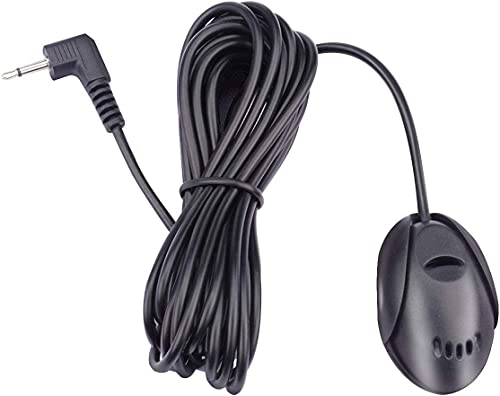
Not every hands free problem is about the head unit itself. Plenty of aftermarket radios ship with a cheap, badly placed microphone, and call quality suffers no matter how good the receiver is. The FingerLakes FL11 is a replacement external mic assembly for Bluetooth-enabled car stereos with a standard 3.5mm mic input, including many Kenwood and similar units.
The spec sheet reads sensibly for the price tier: an omnidirectional capsule covering 50Hz to 20kHz, sensitivity around -30dB, and a signal-to-noise ratio above 58dB. In plain terms, it picks up voices across the cabin without amplifying every tire hum. The nine-foot cord reaches from a visor clip down to nearly any dash-mounted head unit.
Good Reasons To Consider
- Plug-and-play 3.5mm connector means no cutting, soldering, or adapter hunting.
- Removable clip lets you position the mic near the driver’s mouth for noticeably clearer calls.
- Nine feet of cable covers large trucks and SUVs with room to spare.
- Included foam filter tames wind noise from open windows or vents.
Worth Noting
- Compatibility varies by head unit brand, so verify your stereo accepts a 3.5mm external mic before ordering.
- Routing the cable neatly along the A-pillar takes some patience during install.
Key Specs
Right Fit For
Anyone upgrading or repairing call audio on an aftermarket Bluetooth car stereo, especially DIY installers comfortable running a cable.
Swap It Out When
Drivers wanting a complete system rather than a single component should look at the GTVFS CarPlay screen instead, which includes its own calling setup.
Where the transmitters above add a feature or two, this GTVFS unit adds a whole second dashboard. It’s a nine-inch portable touchscreen that mounts on or near your dash and runs wireless CarPlay and Android Auto, the phone-mirroring platforms that put navigation, messages, and media behind voice commands. No head-unit surgery required; power it, pair it, and go.
Voice control is the headline benefit here. Saying an address aloud beats typing one, and Siri or Google Assistant handles texts while both hands stay on the wheel. Audio routes back through your existing speakers via Bluetooth or FM, and mirror link extends coverage to apps outside the official platforms.
The Practical Payoff
- Wireless connection means no cable plugged into your phone every trip.
- Large HD touchscreen makes map glances quicker than squinting at a phone mount.
- Built-in GPS navigation works independently of your phone’s screen.
- Hands free calling is integrated rather than bolted on.
- Portable design moves between vehicles easily, handy for shared family cars.
Potential Sticking Points
- It occupies meaningful dash real estate compared to a palm-sized transmitter.
- You’ll want a tidy power-cable route to keep the windshield area clean.
- Screen glare can appear in direct sunlight depending on mounting angle.
Details At A Glance
Who Will Love This
Tech-minded drivers of older or base-trim vehicles who want modern smartphone integration without replacing the factory stereo.
Consider Something Else When
Minimalists who only need calls and music will find the OQIMAX AUX adapter simpler and far less obtrusive.
The OQIMAX earns its place by doing something none of the others can: working in both directions. As a receiver, it streams phone audio into any aux-equipped car stereo. Flip it to transmitter mode and it sends audio from a TV, laptop, or treadmill out to Bluetooth headphones. One pocket-sized device, two jobs.
Bluetooth 5.3, the current-generation wireless standard, brings steadier pairing and lower latency than older adapters, which matters for video watching more than for podcasts. USB-C recharging tops it up like your phone, and hands free calling works through its built-in mic. Compared with the TIANSHILI transmitters, sound quality skips the FM-radio middleman entirely, so fidelity depends only on your car’s speakers.
Strengths Worth Knowing
- Dual RX/TX modes make it useful in the garage, living room, and gym, not just the car.
- Bluetooth 5.3 holds a stable link with fewer dropouts than aging adapters.
- USB-C charging shares cables with most modern phones and tablets.
- Bypasses FM interference completely for cleaner music reproduction.
Honest Caveats
- Requires an existing 3.5mm aux port, which rules out many pre-2010 dashboards.
- Battery-powered units need occasional recharging, unlike lighter-powered transmitters.
Quick Facts
The Right Fit
Owners of aux-equipped cars who also want one adapter for home stereo and TV listening duty.
Another Choice May Suit
Cars lacking any aux jack are better served by the TIANSHILI FM transmitter, which needs nothing but a radio tuner.
What Matters Most Before Choosing Hands Free Driving Systems
Match The System To Your Car’s Ports
Start with what your vehicle actually has. A 3.5mm aux jack opens up the cleanest-sounding option, the OQIMAX adapter. No aux and no Bluetooth means an FM transmitter like either TIANSHILI unit is the practical path, accepting radio-band audio quality in exchange for universal fitment. Checking the dash before shopping saves a return shipment.
Decide How Much Screen You Want
A transmitter answers calls and plays music; a portable display like the GTVFS adds live maps and message handling on a dedicated panel. The trade-off is dash space and setup time. Daily drivers who rely on navigation get real value from the bigger screen, while podcast-and-commute types rarely need it.
Think About Power And Placement
Cigarette-lighter devices run indefinitely but occupy your only charging socket, so consider whether you also charge a phone there. Battery models charge over USB-C but need topping up. Mic placement matters too: the FingerLakes FL11 exists precisely because a poorly positioned microphone ruins otherwise good hardware.
Factor In Long-Term Ownership
Cheaper transmitters tend to show wear at the plug joint after years of insertion cycles, a commonly reported failure point. Units with displays add another component that can fail. Spending slightly more on a well-reviewed build often costs less than replacing a flimsy pick annually.
Key Considerations Across These Picks
Where Shoppers Go Wrong
The classic mistake is buying an FM transmitter for a car that secretly has an aux jack, then living with avoidable static. Another frequent slip: assuming any Bluetooth gadget pairs with any stereo. Verify connector types and supported protocols against your specific head unit before committing.
What Separates Premium From Basic
Higher-tier systems buy you wireless phone mirroring, larger displays, and current Bluetooth standards. The GTVFS screen costs several times a basic transmitter, yet replaces three separate accessories. Paying more pays off when you use navigation daily; it’s overkill for a ten-minute school run.
Frequently Asked Questions
Do FM transmitters work in any car?
Yes, as long as the vehicle has a working FM radio and a 12V power socket. Sound quality depends on finding a clear frequency in your area.
Is wireless CarPlay better than an FM transmitter?
Wireless CarPlay offers navigation, messaging, and app access on a dedicated screen, not just audio routing. It suits drivers who want fuller smartphone integration.
Can I improve my car’s Bluetooth call quality?
Often yes, by relocating the microphone closer to the driver. A replacement like the FingerLakes FL11 with a longer cable makes repositioning straightforward.
Do these systems drain my phone battery?
Streaming over Bluetooth draws modest power, comparable to normal music playback. Keeping a charger in the socket covers longer trips comfortably.
Are hands free devices legal while driving?
In most regions, voice-controlled operation is specifically encouraged because it removes handheld phone use. Local laws vary, so check the rules where you drive.
Closing Thoughts
Hands free driving systems range from a simple plug-in transmitter to a full portable smart display, and the right choice follows directly from your car’s ports and your daily habits. Match the connection type first, decide whether you need a screen second, and place the microphone well. Any of these five will keep your hands on the wheel and your attention on the road, which is the whole point.




