


Splitting kindling by hand sounds simple until you’re wrestling a full-size axe in a cramped backyard or a damp campsite. The right hatchet turns that chore into a five-minute task before dinner. This roundup covers five options across very different budgets and philosophies, from a hand-forged German heirloom to budget-friendly camp tools. Whether you feed a wood stove all winter or just want clean splits at the firepit, there’s a fit here for your hands and your workload.
A Side-By-Side Look
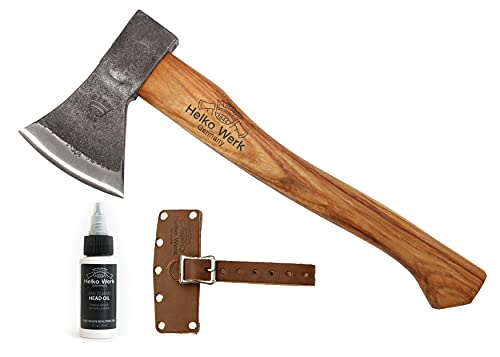
1844 Helko Werk Traditional Rheinlander Hatchet

Husqvarna Hatchet with Leather Sheath
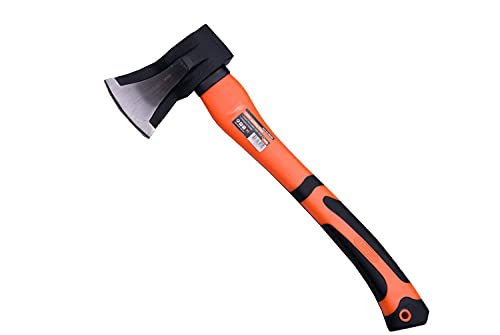
Edward Tools Wood Splitting Maul 17”

Tivoli 15 Inch Bushcraft Camping Axe

DESHIL 15 inch Chopping Hatchet Axe
A Deeper Look At The Lineup
This is the tool you buy once and pass down. Handmade in Wuppertal, Germany, the Rheinlander carries a traditional wide-bit blade pattern named after the Rhine River Valley, a profile that excels at fine cutting rather than brute-force splitting. Compared with the Husqvarna further down this list, it leans more artisan than mass-market.
For anyone who processes kindling regularly, the wide bit matters: it bites cleanly into grain instead of wedging and bouncing. Carving feather sticks, limbing small branches, shaping tent pegs, all sit comfortably in its wheelhouse.
A Few Strong Suits
- Hand-forged construction means consistent steel quality you can feel in every swing
- The traditional wide-bit blade slices kindling with less effort per cut
- Versatile enough for carving detail work, not just chopping
- A genuine heirloom piece that holds value over decades of use
Things To Consider
- Premium European forging shows up in the price tag, so casual users may not recoup the investment
- The head needs occasional oiling and edge maintenance, as owners of handmade axes commonly report
Who Will Love This
Serious bushcrafters and wood-stove households who appreciate traditional craftsmanship and split kindling weekly.
A Better Fit Elsewhere
Occasional campers will get more practical value from the Husqvarna Hatchet, which costs less and handles rougher treatment without ceremony.
Where the Helko Werk chases tradition, Husqvarna brings Swedish manufacturing discipline to the same job. The 1.32-pound hand-forged head sits on an American hickory handle, sized deliberately for one-handed swings at light wood. That weight lands in a sweet spot: heavy enough to split wrist-thick branches, light enough to swing all afternoon without fatigue.
In practice, this reads as the do-everything mid-tier option. Garden pruning one weekend, campfire prep the next, and the included leather sheath keeps the edge protected between tasks.
Everyday Wins
- One-handed balance makes repetitive kindling sessions far less tiring
- Hand-forged Swedish steel holds an edge well through a season of regular work
- Hickory handle absorbs shock better than fiberglass in cold weather
- Leather sheath included, so safe storage comes out of the box
- Doubles as a gardening tool for root trimming and brush clearing
Worth Noting
- Wooden handles benefit from periodic linseed oil treatment to prevent drying and cracking
- Light-duty head design means dense hardwood rounds may stall it out
At A Glance
Made For
Weekend campers and homeowners who want one dependable hatchet for both yard work and firewood duty.
Swap It Out When
Anyone facing knotty, dense logs should step up to the Edward Tools splitting maul, whose heavier head powers through what this one bounces off.
A maul, for those new to the term, combines an axe blade with a sledgehammer-style weighted head. The Edward Tools version packs that concept into a short 17-inch frame with a 3-pound forged steel head, essentially replacing a hammer-and-wedge setup for smaller rounds. Against the Husqvarna’s finesse, this thing is built for stubbornness.
The ergonomic fiberglass handle takes abuse that would crack hickory, which makes it a sensible garage or shed tool that survives being loaned out.
Notable Gains
- Weighted maul head drives through twisted grain where standard hatchets wedge and stick
- Forged steel blade arrives sharp and ready for immediate splitting
- Fiberglass handle shrugs off moisture, rot, and rough handling
- Rubber sheath protects the edge during storage
Small Caveats
- Three pounds gets heavy fast in one-handed use, so longer sessions demand two hands
- Short 17-inch reach limits leverage on larger diameter logs
- Fiberglass grips can feel slick in wet conditions compared with hickory
Feature Snapshot
Right Fit For
Homeowners burning seasoned hardwood who need to break down dense rounds before making kindling.
Where A Sibling Pick Shines
Fine cutting and carving tasks belong to the 1844 Helko Werk Rheinlander, whose wide-bit blade does delicate work this maul was never designed for.
Backpack space dictates everything on the trail, and the Tivoli’s 15-inch frame slides into a pack side pocket without complaint. The hardened carbon steel head is forged and quenched, terms meaning the steel was heat-treated twice for hardness, then fitted with a roughly 2cm sharpening bevel that arrives ready to cut. No first-session sharpening required.
Beyond kindling, the maker positions it for trail clearing, hunting camps, even yanking roots out of garden beds. That breadth is exactly why it earns a spot here.
Real-World Strengths
- Quenched carbon steel resists chipping through rough backcountry use
- Pre-sharpened edge works straight out of the box
- Short length packs easily for hiking, hunting, and survival kits
- Handles yard work like root clearing when it’s not traveling
Points To Keep In Mind
- Carbon steel edges need drying and a light oil wipe after wet trips to prevent rust
- General-purpose grind won’t match the refined feel of the Husqvarna’s Swedish steel
Who Should Grab It
Hikers and hunters building a lightweight kit who want one axe covering camp, trail, and backyard duties.
Another Choice May Suit
Campers prioritizing a hammer function alongside the blade should look at the DESHIL hatchet below, which adds a striking face the Tivoli lacks.
The DESHIL covers the most ground per dollar in this lineup. Its heat-treated 45 carbon steel blade handles kindling and small log splitting, while the flat hammer back doubles as a camp mallet for tent stakes and wooden pegs. One tool, two jobs, zero extra pack weight.
The shock-reducing fiberglass handle with an anti-slip grip deserves mention too. In our view, that combination suits damp morning firewood sessions far better than bare wood, since wet hands and wet handles are how accidents happen.
Good Reasons To Consider
- Hammer back eliminates the need to carry a separate camp mallet
- Heat-treated 45 carbon steel keeps its edge through repeated chopping
- Anti-slip fiberglass grip maintains control in rain or with gloved hands
- Balanced swing weight helps newer users land accurate strikes
Less Ideal Details
- Entry-level finish means the factory edge may benefit from a quick touch-up before heavy use
- Owners commonly report checking handle-to-head tightness periodically on tools in this price class
Quick Facts
The Right Fit
First-time axe owners and family campers wanting an affordable, forgiving tool that covers firewood and camp setup together.
Reach For A Different Pick When
Shoppers wanting heirloom-grade steel should direct their attention to the 1844 Helko Werk Rheinlander at the top of this list instead.
What Matters Most Before Choosing Hatchets For Kindling
Head Weight And Swing Style
Head weight decides everything about how a session feels. Light heads around one pound favor one-handed, wrist-driven cuts that suit kindling and limbing, while heavier three-pound maul heads trade speed for raw splitting force on dense rounds. Match the weight to your typical wood, not the biggest log you might someday meet.
Steel Type And Edge Care
Carbon steel takes a keen edge but rusts without care, so it demands a wipe-down after damp outings. Stainless options resist corrosion yet often need more frequent sharpening. For most home users splitting dry kindling near a covered porch, either works; frequent rain-soaked campers lean carbon steel plus a small oil cloth.
Handle Material Trade-Offs
Hickory feels classic and absorbs vibration well, though it wants seasonal oiling to stay sound. Fiberglass ignores moisture and survives neglect, at the cost of slightly harsher feedback on impact. Renters and occasional users usually prefer fiberglass for its forgiveness.
Length And Portability
A 15-inch hatchet rides in a backpack or car trunk easily, while longer tools gain leverage at the woodpile. Decide honestly where yours will live, because the best-length answer differs between a trunk organizer and a gear closet.
Key Considerations Across These Picks
Traps First Timers Fall Into
The commonest error is buying too much axe. A heavy maul for soft pine kindling exhausts your arms by the tenth split. The opposite mistake hurts too: choosing a light hatchet for oak rounds and wondering why it bounces. Also skip any tool sold without a sheath or edge guard, because loose sharp blades in a shed cause more injuries than swinging ever does.
What Separates Premium From Basic
Higher prices buy forging consistency, better heat treatment, and handle-fit precision. On the Helko Werk, that translates to steel that sharpens easier and holds its edge longer. Budget tools like the DESHIL get you functional performance now, with the understanding that edge upkeep happens more often. Pay up when usage is weekly, save when it’s monthly.
Frequently Asked Questions
Can a hatchet actually split firewood?
Yes, for branches and small rounds under a few inches thick. Larger, denser logs call for a heavier maul like the Edward Tools pick above.
How often should I sharpen my hatchet?
For regular kindling duty, a touch-up every few weeks keeps cuts clean. Occasional users can stretch that to a couple times per season.
Do I need to oil a wooden handle?
Hickory benefits from a light linseed oil coat once or twice yearly. Fiberglass handles need nothing beyond a wipe-down.
Is carbon steel or stainless better for kindling?
Carbon steel generally holds a sharper working edge for chopping. Stainless trades some sharpness for easier rust prevention.
What’s the safest way to store a hatchet?
Keep it sheathed or edge-guarded, hung or laid flat away from foot traffic. Never leave a bare edge loose in a drawer or truck bed.
Closing Thoughts
Kindling shouldn’t be a workout. Match the tool to your wood and your routine, and the whole job shrinks to minutes. The Helko Werk rewards serious users with heirloom quality, the Husqvarna balances cost and craft beautifully, and the budget picks cover camp duty without fuss. Start with honest self-assessment of how often you’ll swing it, then choose accordingly. Your future firesides will thank you.




