


Splitting wood by hand comes down to matching the tool to the task. A heavy splitter chews through dense rounds, a compact hatchet handles kindling at camp, and a worn-out handle sometimes just needs replacing rather than a whole new axe. This list covers all three situations, from a German hand-forged splitter to budget-friendly camp hatchets and one repair part that keeps an old favorite alive. Whatever your firewood routine looks like, there’s a fit here.
An Overview Of The Picks
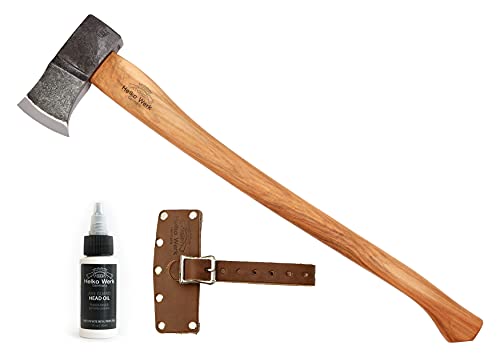
1844 Helko Werk Germany Traditional Saxon Log Splitting Axe

V & B Mfg. Co. Boy Scout Axe Handle, 14″
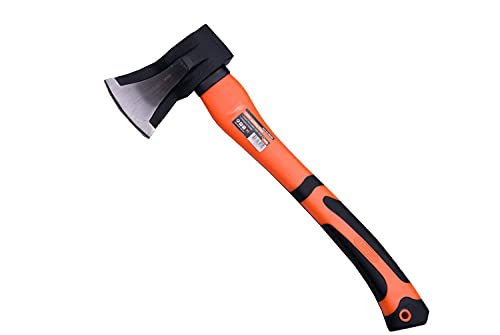
Edward Tools Wood Splitting Maul 17″

DESHIL 15 inch Chopping Hatchet Axe

DESHIL 15-Inch Wood Splitting Hatchet Axe
Taking A Closer Look At The Options
This is the serious option on the list, and it behaves differently from everything below it. Helko Werk forges the Saxon in Germany as a heavy-duty splitter aimed squarely at large rounds and gnarly logs that stall lighter tools. The head geometry delivers forceful strikes without pinching or binding in the wood, which matters most when you’re working through a stubborn knot.
In practice, you get something close to maul-level splitting power while keeping the balance and control of a traditional axe. That combination suits anyone processing a winter’s worth of firewood rather than trimming kindling at a campsite. Compared to the Edward Tools maul further down, this one trades portability for raw capability and finish quality.
Useful Strengths
- Hand-forged construction gives the head durability and edge retention you’d expect from traditional German smithing.
- The anti-stick head shape reduces the frustration of blades wedging mid-split in dense grain.
- A turnaround hook on the blade’s lower edge helps free stuck blades and adds leverage during awkward pulls.
- Maul-class weight paired with axe-style balance means less fatigue across a long splitting session.
- Built for large rounds, so it scales up where camp hatchets simply give up.
Honest Caveats
- The heft that makes it effective also makes it overkill for kindling and small branches.
- Premium forged steel deserves basic care: wipe the head dry after damp weather and oil it occasionally, or surface rust can appear.
Who It Suits Best
Homeowners who split serious volumes of seasoned hardwood each season and want a tool built to outlast cheaper alternatives.
Where Another Pick Suits Better
Weekend campers will find the DESHIL 15 inch Chopping Hatchet far easier to pack and swing for small campfire wood.
Not every wood-splitting problem needs a new axe. When a trusted hatchet’s handle cracks or splinters, this 14-inch American-made replacement from V & B Mfg. Co. brings the old head back to work instead of sending it to the scrap pile. It’s sized for standard 1-1/4 lb boy scout pattern heads, so measure your eye before ordering.
Rehanging an axe sounds intimidating, but the included hardware removes most of the guesswork. You get both a wooden wedge and a steel wedge, which is exactly what you need to seat the handle firmly into the eye. For workshop tinkerers and anyone restoring a family heirloom axe, this part turns a half-day project into a satisfying afternoon.
Useful Highlights
- Sized specifically for 1-1/4 lb heads, taking the guesswork out of matching common camp hatchets.
- Ships with both wood and steel wedges, so the rehanging kit is complete out of the box.
- Restoring a quality old head often beats replacing it with a budget axe entirely.
Things To Weigh Up
- You’ll need basic fitting skills: sawing the kerf, driving wedges, and trimming flush are on you.
- The listed eye dimensions must match your head closely, or the fit won’t seat properly.
Key Product Details
Made For
DIY-minded owners of older hatchets who enjoy hands-on restoration and want their tools to last decades.
A Better Fit Elsewhere
Anyone without a functional head to salvage should start fresh with the Edward Tools Wood Splitting Maul instead.
A maul is essentially an axe and a sledgehammer fused into one head, and Edward Tools shrinks that concept down to a manageable 17 inches. The 3 lb forged steel head carries enough mass behind a sharpened grain-splitting blade to pop small logs apart, no separate wedge-and-hammer kit required. For camp duty, that consolidation is the whole point.
The fiberglass handle is the quiet hero here. Fiberglass absorbs shock better than bare hickory in this price range and shrugs off moisture that would eventually swell or crack wood. Owners commonly report the rubber sheath holds up well in truck beds and gear bins, protecting both the edge and whatever it rides next to.
A Strong Showing
- Combined axe-and-sledge design means one tool covers splitting and light pounding tasks.
- The weighted forged steel head drives deeper into grain than a standard camp axe of similar size.
- Ergonomic fiberglass grip cushions impact, sparing your wrists on repetitive swings.
- Rubber sheath makes storage and transport safer around other gear.
Small Limitations
- At 3 lb on a short shaft, big hardwood rounds will still resist; this isn’t a full-size maul substitute.
- Fiberglass handles can’t be rehung like wood, so a broken shaft means replacing the tool.
Feature Snapshot
Right Fit For
Car campers and homeowners who split modest amounts of wood and want one rugged tool instead of several.
Reach For A Different Pick When
Processing cords of dense rounds calls for the heavier, better-balanced Helko Werk Saxon instead.
Camp gear earns its place by doing double duty, and this DESHIL hatchet understands that assignment. Beyond chopping kindling and splitting small logs, the flat hammer back drives tent stakes and wooden pegs, so it replaces a separate mallet in your pack. At 15 inches, it stows easily behind a car seat or in a gear tote.
The heat-treated carbon steel blade arrives sharp enough for campfire prep, and the shock-reducing fiberglass handle with its anti-slip grip keeps swings controlled even with cold or wet hands. In our view, that grip detail matters more than any spec sheet number when you’re working at dusk after rain.
Bright Spots
- Hammer back doubles as a camp hammer for stakes and pegs, cutting redundant gear.
- Anti-slip fiberglass grip maintains control in damp or gloved conditions.
- Heat-treated carbon steel holds its edge through repeated kindling sessions.
- 15-inch length balances packability against usable swing leverage.
Points To Note
- Carbon steel benefits from a quick wipe-down and light oiling after wet trips to prevent surface rust.
- No dedicated blade guard is mentioned, so wrap the edge for safe packing among other equipment.
Who Should Grab It
Tent campers and overlanders who want one compact tool handling both firewood and campsite setup chores.
Skip It When
Your main job is backyard fire pit kindling, where the coated-head DESHIL 15-Inch Wood Splitting Hatchet offers better rust resistance for storage outdoors.
This sibling to the previous DESHIL shares the same 15-inch frame and fiberglass shock-reduction handle, but it leans toward home use. The coated axe head resists rust and wear, which pays off for backyard fire pit users whose tools live in a garage or shed between weekends rather than riding in a dry vehicle cab.
For beginners, the shorter length is genuinely helpful: a 15-inch shaft keeps swings predictable and close to the body while you learn technique. Campers, hikers, and homeowners prepping kindling for a patio fire bowl all fall comfortably within what this tool was designed to do. Just keep expectations realistic about log diameter.
Strong Points
- Rust-resistant coating extends head life in humid garages and sheds.
- Short 15-inch profile gives newer users confidence and control.
- Heat-treated carbon steel head splits small logs and produces kindling efficiently.
- Shock-reducing fiberglass handle softens the sting of missed or hard strikes.
Worth Bearing In Mind
- Small logs only; anything wrist-thick and dense belongs on the Edward Tools maul’s workload.
- Unlike the V & B handle option, a damaged fiberglass shaft can’t be repaired at home.
Core Details
Whose Shelf It Belongs On
First-time axe owners and casual fire pit hosts who split occasional kindling close to home.
Another Choice May Suit
Frequent travelers needing hammer functionality should step up to the DESHIL 15 inch Chopping Hatchet with its stake-driving back.
What Matters Most Before Choosing Hatchets For Splitting Wood
Match The Tool To The Wood
The single biggest mistake in this category is bringing too little tool to the job. Dense oak or knotty rounds demand mass behind the blade, which is why the Helko Werk Saxon exists. Kindling and thumb-thick branches need almost none. Estimate the largest diameter you’ll regularly split, then buy for that, not for the rare exception.
Handle Material Changes Ownership
Wood handles feel traditional and can be replaced, as the V & B option proves, but they swell, crack, and demand occasional oiling. Fiberglass absorbs vibration and ignores weather, yet once it fails, the whole tool goes. Your storage environment should decide this more than aesthetics.
Weight And Length Work Together
A heavier head splits harder but tires you faster, especially on a short shaft where you generate speed with your arms alone. Longer handles add leverage but sacrifice packability. Camp users should favor 15 to 17 inches; home splitters can go heavier.
Think About Maintenance Before You Buy
Carbon steel needs wiping and light oiling after damp conditions. Coated heads reduce that chore. Sheaths protect edges and fingers alike, so factor one into your decision if the tool will share space with other gear.
Key Considerations Across These Picks
Wrong Turns To Avoid
Don’t buy a heavy maul for campfire kindling or expect a 15-inch hatchet to handle cordwood; mismatched tools frustrate fast. Also skip any replacement handle without measuring your axe head’s eye first, since a near-miss fit won’t seat safely.
What Separates Premium From Basic
The extra money on a hand-forged German splitter buys steel quality, balance, and a head shape refined over generations. That translates to fewer stuck blades and decades of service. Casual users won’t feel the difference; high-volume splitters will every single session.
Frequently Asked Questions
Can a hatchet really split firewood?
Yes, for small-diameter logs and kindling. Anything beyond roughly wrist thickness generally needs a heavier maul or full-size splitting axe.
What does “eye size” mean on an axe handle?
It’s the opening in the axe head where the handle inserts. Measure yours before buying a replacement handle to ensure a proper fit.
How do I stop my axe head from rusting?
Wipe the head dry after use and apply a thin coat of oil periodically. A protective coating, like on some DESHIL models, reduces but doesn’t eliminate this upkeep.
Is fiberglass better than wood for axe handles?
Each has trade-offs. Fiberglass resists weather and dampens shock, while wood can be repaired and replaced using wedges.
Why choose a maul over a regular axe?
A maul combines a weighted splitting head with a hammer face, driving through grain more effectively than a thinner axe blade on tough rounds.
Closing Remarks
The right choice here depends honestly on how much wood you actually split. Heavy seasonal work justifies the Helko Werk Saxon, weekend camps suit either DESHIL, and a cracked handle is worth repairing with the V & B kit. Match the tool to your real workload and it’ll pay you back every time the fire needs feeding.




