


A hawkbill blade curves like a bird of prey’s talon, and that shape changes how you cut. Instead of pushing a straight edge through material, you pull toward yourself, which gives you control on rope, carpet, cardboard, vines, and zip ties. Anyone who opens boxes all day, works in landscaping, or wants a compact EDC option will feel the difference immediately.
This roundup covers five folding hawkbills built for very different hands: a jobsite workhorse, a karambit-style carry piece, a budget utility knife, a lightweight Spyderco design, and a dedicated pruning tool. Each one earns its spot for a specific kind of user.
How The Shortlist Stacks Up

Milwaukee 48-22-1985 Fastback Hawk Bill Folding Knife
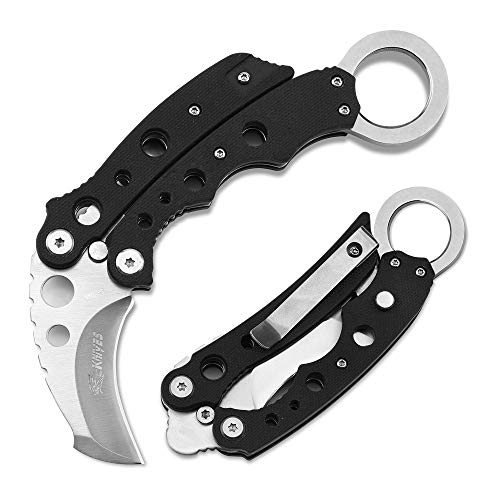
NedFoss Folding Karambit Claw Pocket Knife
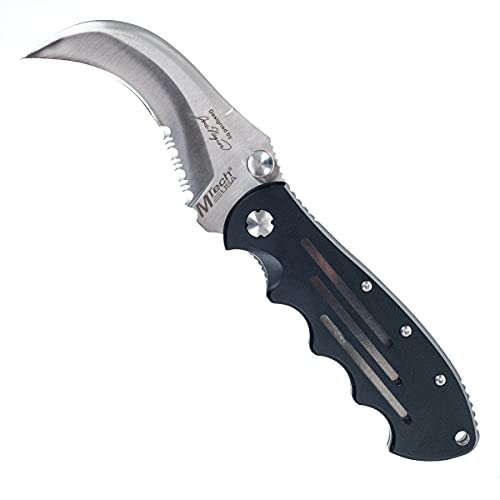
Whetstone Hawk Bill Pocket Knife Partial Serrated Edge

Byrd by Spyderco Hawkbill Folding Pocket Knife BY22SBK

SZCO Rite Edge Hawkbill Pruning Knife 4-Inch
The Details Behind The Selections
Milwaukee built this one for people who open shrink-wrap and cut strapping before lunch every day. The curved stainless blade shears cleanly when you drag it along a surface toward you, and the pointed tip bites into material without slipping off. A belt clip and lanyard hole mean it stays where you put it.
Compared with the lighter Byrd later in this list, the Fastback trades some portability for durability, which is exactly what a tool belt demands. Owners commonly report the metal body shrugs off drops from ladder height.
The Case For It
- Hawk bill geometry pulls cuts toward you, giving clean shear lines on packaging film and cordage
- Pointed tip grips surfaces so the blade stays planted mid-cut instead of wandering
- Metal body handles rough job-site treatment better than plastic-handled alternatives
- Belt clip keeps it accessible even with gloved hands and full pockets
- Lanyard hole adds a tethering option for anyone working at height
Things To Consider
- The heavier build may feel bulky in slim jeans pockets compared with the NedFoss below
- Stainless steel edges benefit from occasional touch-ups to stay shearing sharp through daily use
Built With In Mind
Electricians, warehouse staff, and contractors who cut packaging and cable ties dozens of times a shift.
Swap It Out When
Garden-focused shoppers will get more value from the SZCO Rite Edge Hawkbill Pruning Knife’s longer four-inch blade and plant-friendly curve.
The karambit shape takes the hawkbill idea further, wrapping the claw around your finger for a locked-in hold. NedFoss pairs a 2.35-inch 7Cr17MoV steel blade with a contoured G10 handle, a fiberglass composite prized for grip even when wet or oily. A button lock secures the blade open, which you can operate one-handed.
In our view, this is the most comfortable pick here for sustained slicing, since the ring and finger grooves reduce grip fatigue. The trade-off is that the small blade limits deep cutting tasks.
What Makes Sense
- 7Cr17MoV steel balances edge retention with easy resharpening for routine carry use
- G10 handle texture stays secure in rain, sweat, or glove work
- Button lock engages positively and releases quickly one-handed
- Finger ring anchors the knife during aggressive pull cuts
A Few Limitations
- The 2.35-inch blade is short for cutting thick material or wide box flaps
- The karambit ring takes practice, and some owners report an adjustment period before it feels natural
Feature Snapshot
Who Should Grab It
Everyday carriers and martial arts enthusiasts who want a secure, ergonomic claw knife for light-duty slicing.
Where Another Pick Suits Better
Anyone needing serious cutting depth should look at the Milwaukee Fastback’s longer working blade instead.
Not everyone needs a premium folder, and this Whetstone proves the point. Its 3.625-inch stainless blade splits into two personalities: a plain hawkbill section for smooth shearing and a partially serrated rear for sawing through fibrous rope or woody stems. A thumb stud opens it one-handed, and the lock holds the blade steady under load.
For campers and garden dabblers, that serrated section does real work. You may find the fit and finish more basic than the Byrd, but the price reflects that honestly.
Real Benefits
- Dual-edge design handles both clean pull cuts and rough sawing without swapping tools
- Thumb stud allows fast single-hand opening when your other hand is occupied
- Belt clip carries securely on waistbands, packs, or garden aprons
- Longer 3.625-inch blade reaches deeper than most EDC-sized hawkbills
Small Caveats
- Build quality sits a tier below the Spyderco-designed option, so expect simpler tolerances
- Serrations complicate sharpening, and owners commonly report needing a tapered rod for that section
Right Fit For
Casual campers, hobbyist gardeners, and first-time hawkbill owners who want capability without a big spend.
Another Choice May Suit
Users wanting refined ergonomics and lighter weight will prefer the Byrd by Spyderco BY22SBK.
Byrd is Spyderco’s value line, and the engineering shows. This model runs a two-inch 8Cr13MoV blade in full SpyderEdge serrations, backed by skeletonized stainless liners inside a fiberglass-reinforced nylon (FRN) handle. Bi-Directional Texture, Spyderco’s molded grip pattern, keeps the handle planted from any angle.
Weight is the story here: FRN construction makes it one of the lightest options you’ll pocket all day. The honest read is that a two-inch blade won’t tackle big jobs, but for box opening and cord work it disappears into a pocket until needed.
The Good Stuff
- FRN handle keeps carried weight minimal for all-day comfort
- Bi-Directional Texture maintains grip confidence in any hand position
- Skeletonized liners add structural strength without bulk
- Full serrated edge excels on rope, webbing, and fibrous materials
- Backed by Spyderco’s established design lineage for long-term reliability
Points To Note
- The two-inch blade is the shortest here, limiting reach on larger cutting tasks
- An all-serrated edge means keeping a sharpening rod handy for maintenance
Quick Facts
Made For
Minimalist everyday carriers, commuters, and anyone prioritizing low weight over raw cutting capacity.
Reach For A Different Pick When
Deep-draw cutting tasks call for the Whetstone’s 3.625-inch blade or the Milwaukee Fastback’s stouter frame.
This is the specialist of the group, shaped for grafting, budding, and harvesting rather than general carry. The four-inch stainless blade offers the deepest reach here, and its hook naturally cradles stems and branches as you pull. A classic wooden handle brings warmth and reduces hand fatigue during long sessions in the beds.
Unlike the tactical-leaning NedFoss above, everything about this knife points outdoors and toward plants. Lockback locking, where a spine-mounted bar catches the blade tang, keeps it safely fixed during forceful pruning strokes.
A Few Highlights
- Four-inch blade reaches deep into growth for clean bud and graft cuts
- Rust-resistant stainless steel stands up to sap, moisture, and soil contact
- Wooden handle stays comfortable through extended trimming sessions
- Lockback mechanism prevents accidental closure during firm pulls
Trade Offs To Consider
- Wood requires occasional oiling to prevent drying and cracking over seasons of outdoor storage
- The traditional styling lacks modern pocket-carry features such as clips
Core Details
Who Will Love This
Serious home gardeners, orchard tenders, and landscapers who graft, bud, and harvest regularly.
Look Elsewhere When
General-purpose pocket duty calls for the NedFoss Karambit or the Milwaukee Fastback instead.
What Matters Most Before Choosing Hawkbill Knives
Match the Curve to Your Cutting Style
The whole appeal of a hawk bill lies in pull cutting. Rope rescue crews, carpet layers, and electricians rely on that hooked profile because it digs in rather than skating. Straight-blade lovers often find the curve awkward at first, so give yourself a week of regular tasks before judging the shape.
Size and Steel Go Together
Blade lengths here run from two inches up to four. Shorter blades carry easier and face fewer legal restrictions, while longer ones handle thicker stock. On steel, 8Cr13MoV and 7Cr17MoV offer dependable budget performance, sharpening quickly and resisting stains well enough for damp conditions.
Handle Material Shapes Daily Comfort
G10 and FRN shrug off water and chemicals, making them smart choices for sweaty or outdoor work. Wood feels warmer in hand and suits garden duty beautifully, though it asks for seasonal oiling. Metal bodies, like Milwaukee’s, survive drops that would crack polymer.
Locking Mechanisms Deserve Attention
Button locks operate fast one-handed, lockbacks are simple and time-tested, and liner systems vary by execution. Whatever the style, confirm the blade seats solidly under a firm pull cut before trusting it with real material.
Key Considerations Across These Picks
Traps First Timers Fall Into
Many shoppers grab the longest blade available, then find it uncomfortable for daily pocket carry. Others overlook maintenance entirely: serrated edges need rod-style sharpeners, and wooden handles need oil. Buy for your actual weekly tasks, not the most dramatic scenario you can imagine.
What The Higher Tier Buys
Paying more typically gets you refined ergonomics, better heat-treated steel, and tighter manufacturing tolerances. The Byrd by Spyderco illustrates this well: the FRN handle and textured grip cost more than basic folders but deliver years of comfortable service. Spend up when the knife rides in your pocket daily; save when it lives in a toolbox drawer.
Frequently Asked Questions
What is a hawkbill knife used for?
Its hooked blade excels at pull cutting, where you drag the edge toward you through rope, carpet, cardboard, or plant stems. That motion gives superior control on fibrous and stretchy material.
Are hawkbill knives legal to carry?
Knife laws differ significantly by state, county, and city, so check your local regulations before carrying any blade. Curved profiles sometimes receive extra scrutiny in certain jurisdictions.
Do serrated hawkbill edges sharpen differently?
Yes, serrations require a tapered sharpening rod worked into each scallop individually. Plain edges sharpen faster on standard whetstones or guided systems.
Can a hawkbill replace a straight-blade EDC knife?
For slicing and pull-cutting tasks, absolutely. For piercing, push cuts, and general utility work, many owners carry both shapes or accept the compromise.
How do I maintain a wooden-handled pruning knife?
Wipe the handle dry after wet use and apply mineral oil a few times per year. This prevents cracking and keeps the wood comfortable in hand.
Bottom Line
The right hawkbill depends on where yours will live. Contractors get the most from Milwaukee’s Fastback, minimalist carriers will love the featherweight Byrd, and gardeners have no better match than the SZCO pruning knife. Pick the one that fits your daily rhythm, and let that curved edge do what straight blades never could.




