


A hobby knife looks simple until the first time a cheap one slips mid-cut and ruins an hour of careful work. Whether you’re trimming model parts, cutting stencils, or scoring foam board, the handle in your hand decides how clean that line comes out. This roundup covers five options spanning single knives to full tool kits, so you can match the tool to your actual projects instead of guessing.
The Picks In Brief

Westcott Precision Hobby Knife with Four #11 Blades

The Army Painter Hobby Tool Kit

X-ACTO X3000 Rubber-Barrel Hobby Knife
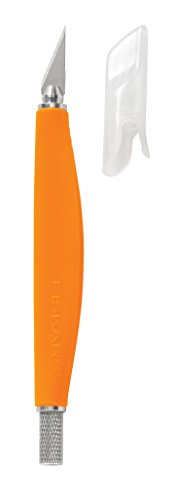
Fiskars 8″ SoftGrip Detail Craft Knife

X-ACTO X5285 Basic Knife Set
The Picks, Examined More Closely
Westcott has spent decades building its reputation on cutting tools, and this knife carries that focus into a straightforward package: one precision handle plus four #11 replacement blades. The #11 is the classic angled blade shape most crafters reach for first, which means you can swap in a fresh edge without hunting for compatible spares.
In practice, this suits someone working through paper templates, vinyl decals, or light balsa work at a kitchen table. The cushioned soft-grip barrel gives your fingers something forgiving to hold during longer sessions, and having four backups on hand means a dull tip never stalls a project halfway through.
A Few Strong Suits
- Four included #11 blades keep you cutting for months before reordering
- Cushioned soft-grip reduces finger pressure on detailed cuts
- Lightweight handle stays comfortable through school-project marathons
- Simple design means nothing to break, lose, or maintain beyond blade swaps
Small Caveats
- A single-handle setup offers no alternate blade shapes for curved or chiseled cuts
- Loose spare blades deserve a small container; owners commonly report misplacing them in desk drawers
Who It Suits Best
Paper crafters, scrapbookers, and DIYers who want one dependable knife with spares ready to go.
Where A Sibling Pick Shines
Model builders juggling several tasks will get more mileage from the X-ACTO X5285 Basic Knife Set’s multiple blade styles.
Where the Westcott covers one job well, this kit aims to cover every job a miniature painter faces on day one. The Army Painter designed it around wargaming tables: sprue cutters, files, a hobby knife, tweezers, and glue all live in one box, so a new painter unboxes ready to assemble rather than making three separate orders.
The bundle also includes a 5g tube of super glue and printed guides covering tool safety plus the brand’s painting techniques. That documentation matters more than it sounds; beginners routinely nick themselves or snap blades because nobody explained basic handling. For anyone starting a Warhammer or similar army from zero, this removes most of the guesswork.
The Helpful Details
- One-box coverage of cutting, filing, gripping, and gluing saves separate purchases
- Included super glue gets you assembling immediately out of the box
- Safety and technique guides shorten the learning curve for newcomers
- Tools are sized for small-scale miniature work, not oversized general hardware
Points To Keep In Mind
- Individual tools are entry grade; heavy sprue-cutting volume may wear them faster than dedicated single tools
- Experienced painters likely own most of these pieces already, which dilutes the value
Feature Snapshot
Made For
New wargamers and miniature hobbyists building their first army who want a complete starter bench in one purchase.
Swap It Out When
Crafters focused purely on paper or fabric should pick the Fiskars SoftGrip Detail Knife instead, since the extra tools here would sit unused.
The X3000 solves a problem most knife makers ignore: where do spare blades live? Unscrew the back of the barrel and up to five #11 blades store inside the handle itself, so your extras travel with the knife instead of rattling around a pencil cup. Three blades and a safety cap ship in the package.
Two more details earn their place on a busy desk. The textured rubber barrel keeps your grip steady when hands get sweaty or adhesive-covered, and an anti-roll flat prevents the knife from wandering off an inclined table, a small thing you’ll appreciate the hundredth time it doesn’t hit the floor. Students sharing workspace will find that alone worth it.
A Favorable Mix
- Built-in storage holds up to five spare #11 blades inside the handle
- Textured no-slip grip maintains control during long or fiddly cuts
- Anti-roll design keeps the knife put on sloped or crowded surfaces
- Safety cap protects both the blade edge and your fingers between sessions
Worth Noting
- The rubber barrel texture can attract lint and dust over time, needing an occasional wipe-down
- Blade storage unscrewing adds a step some users may find fiddly compared to a plain cap
Quick Facts
Right Fit For
Art students, designers, and anyone whose knife lives on a shared or slightly cluttered desk.
Another Choice May Suit
Shoppers wanting maximum comfort over clever features may prefer the Fiskars SoftGrip Detail Knife’s longer ergonomic barrel.
Fiskars built its name on scissors that don’t punish your hands, and the same thinking shows up here. At eight inches long, the SoftGrip barrel gives you substantially more handle than the X-ACTO X3000, spreading pressure across your whole palm instead of pinching two fingers. Anyone who has finished a three-hour cutting session with an aching thumb knows exactly why that counts.
The standard #11 blade handles lightweight materials cleanly, from cardstock to thin foam, and the sharp angle holds a fine line on curves. Fiskars also backs the product with a quality-focused seller standard on the listing side, which tends to reflect consistent supply. In our view, this is the comfort-first option of the five.
Reasons It Performs
- Eight-inch ergonomic barrel noticeably reduces hand fatigue on extended projects
- SoftGrip surface cushions fingers through repetitive detail work
- #11 blade geometry delivers precise straight edges and tight curves alike
- Longer handle improves leverage when cutting dense material
Things To Consider
- No spare blades ship in the package, so plan a separate blade purchase
- The longer barrel takes slight adjustment for people used to short pen-style knives
Who Will Love This
Crafters with arthritis-prone hands or anyone logging multi-hour sessions on scrapbooks, stencils, and signage.
Consider Something Else When
Miniature builders needing cutters, files, and glue alongside a knife will find the Army Painter Hobby Tool Kit a fuller fit.
Not sure which blade shape your projects need yet? That uncertainty is exactly what this set answers. X-ACTO, the brand that popularized the hobby knife category decades ago under Elmer’s Products, bundles multiple handles and blade profiles here so you can experiment before committing to a favorite.
Compared to the single-blade Westcott earlier in this list, the trade-off shifts from simplicity toward versatility. You give up the cushioned grip but gain the ability to switch between fine detail points and broader cutting shapes as the task demands. For a first toolkit covering school projects, model kits, and household odds and ends, that flexibility usually wins out.
Good Reasons To Consider
- Multiple blade types cover detail, trimming, and heavier cutting in one purchase
- Long-established X-ACTO blade ecosystem makes replacements easy to source later
- Versatile enough to serve craft rooms, dorm desks, and home workshops alike
Honest Caveats
- Basic handles lack the cushioning of the Fiskars or Westcott grips, which matters on very long sessions
- Multiple loose components need a small case or drawer tray to stay organized
Core Details
Whose Shelf It Belongs On
First-time crafters and students building a starter toolkit who want range without researching individual blades.
Reach For A Different Pick When
Shoppers who already know they only use a #11 blade will be happier with the simpler Westcott Precision Hobby Knife.
What Matters Most Before Choosing Hobby Knives
Grip And Handle Length
Your hand does all the steering, so the barrel deserves as much attention as the blade. Short pen-style handles suit quick trims, while eight-inch barrels like the Fiskars spread pressure and fight fatigue. Cushioned or rubberized surfaces also help when adhesives make fingers slippery.
Blade Type And Availability
The #11 angled blade is the default for good reason: it cuts fine lines and gentle curves across paper, foam, and plastic. Check that replacements are easy to find before committing, since a knife locked to rare blades becomes shelf decoration once the original edge dulls.
Single Tool Versus Kit
Kits like the Army Painter bundle make sense when you’re starting from zero, but buying twelve tools to use two wastes money and drawer space. Honest self-assessment beats enthusiasm here; most crafters genuinely only need one knife and a blade pack.
Storage And Safety Habits
Exposed tips ruin pockets and fingertips alike. Caps, blade compartments, and anti-roll designs all reduce everyday risk. Whatever you choose, build the habit of capping the blade before it leaves your hand.
Key Considerations Across These Picks
Traps First Timers Fall Into
The classic mistake is grabbing the cheapest handle and ignoring grip entirely, then abandoning detailed work because it hurts. Another common slip: forgetting spare blades exist until mid-project. Buy the refills with the knife.
What The Higher Tier Buys
Pricier kits add ergonomics, blade variety, and accessories like guides or glue. That spend pays off for daily users; occasional crafters rarely notice the difference and do fine with a solid single knife.
Frequently Asked Questions
What is a #11 blade?
It’s the standard triangular hobby blade with a sharp angled point, used for fine detail cuts. Most craft knives accept it, which makes replacements easy to source.
How often should hobby knife blades be replaced?
Swap the blade whenever cuts start tearing material instead of slicing it. Heavy users often change blades weekly; casual crafters may go months.
Are hobby knives safe for kids?
They’re sharp tools meant for supervised teen and adult use. Younger children should stick to safety scissors until handling skills develop.
Can one knife handle wood, foam, and paper?
A #11 blade manages all three in thin stock, though dense materials dull edges faster. Keep spares handy for mixed-material projects.
Do I need a full kit or just one knife?
One quality knife covers most crafting needs. Kits pay off mainly for miniature modeling, where cutters, files, and glue join the routine.
Bottom Line
Match the tool to the table, not the wishlist. Paper crafters get everything they need from the Westcott or the Fiskars depending on how much comfort matters, while the X-ACTO X3000 rewards anyone who values clever storage. New miniature painters should start with the Army Painter kit, and undecided beginners can’t go wrong exploring the X5285 set. Whichever lands on your desk, cap the blade and let the cuts speak for themselves.




