Cutting through steel studs, conduit, or a stainless panel with the wrong hole saw is a slow, frustrating way to ruin both the blade and your afternoon. The right one bites fast, clears chips, and pops the plug out without a pry bar. This shortlist covers single bi-metal saws in common sizes plus two kits, so you can match the tool to the job instead of guessing.
A Quick View Of The Lineup
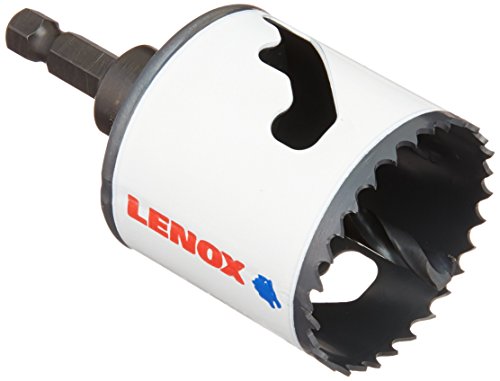
LENOX Hole Saw with Arbor, Speed Slot, 2-Inch
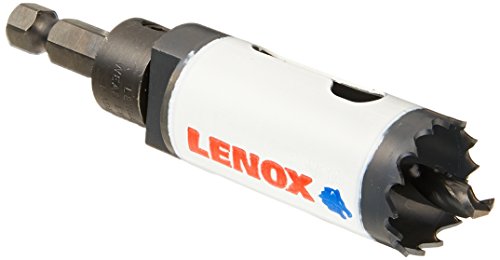
LENOX Hole Saw with Arbor, Speed Slot, 1-Inch

LENOX Bi-Metal Speed Slot Hole Saw, 7/8-Inch

Milwaukee 49-22-4185 Ice Hardened Hole Saw Kit, 28 Piece

GSTK TCT Hole Cutter Set for Metal, 8 PCS
Inside Each Recommended Option
A 2-inch opening is the workhorse size for metal electrical boxes and pass-through holes, and this LENOX arrives with the arbor already fitted, so it goes from package to pilot hole without extra purchases. The thicker cutting wall is the detail that matters here: it resists flexing and keeps teeth seated longer than slimmer-walled saws.
Electricians running Romex through stud faces will appreciate how quickly the larger tooth geometry starts its bite. The Speed Slot, a staircase-shaped notch in the sidewall, gives you leverage to snap out the metal plug once the cut completes.
A Favorable Mix
- Reinforced wall thickness cuts down on stripped or lost teeth over a blade’s life
- Speed Slot design lets you eject plugs with a screwdriver twist instead of digging them out
- Larger, sharper teeth start cutting faster in sheet steel and thin plate
- Arbor included means one purchase covers drilling right away
- Suits repeated use across a full workday without frequent blade swaps
Things To Consider
- Bi-metal construction handles most mild steel well but will wear faster on stainless, where carbide-tipped options hold up better
- At 2 inches, it demands steady drill pressure; wandering is common on curved pipe surfaces unless you center-punch first
The Right Fit
Best suited to electricians and DIYers who regularly cut 2-inch openings in studs, junction boxes, and sheet metal.
Swap It Out When
For smaller conduit holes, the LENOX 1-Inch Speed Slot model covers that range at a lower cost per cut.
One inch is arguably the most-reached-for diameter in metal work: it clears standard conduit, copper supply lines, and anchor bolts with room to spare. This version shares the same reinforced-wall body and Speed Slot plug ejection as the 2-inch LENOX above, just scaled down for lighter stock.
In daily use, that smaller diameter is easier on cordless drills too. Less material in the kerf means less torque demand, so a mid-range 18V driver handles it comfortably even overhead in a ceiling joist bay.
Noteworthy Benefits
- Matches the most common conduit and pipe penetrations without adapter fuss
- Lower cutting load makes it friendlier to compact drills and long overhead sessions
- Same durable thick-wall build as its bigger sibling, so tooth retention carries over
- Arbor comes attached, keeping your tool bag one piece lighter
Small Caveats
- Pilot bits dull before the cup does for many owners, so keeping a spare arbor pilot on hand is smart maintenance
- Cutting oil matters more at this size; dry cutting shortens life noticeably in thicker stock
Made For
Ideal for plumbers, low-voltage installers, and home workshops that keep one reliable go-to size mounted and ready.
A Better Fit Elsewhere
Shoppers needing a wider opening for boxes or vents should step up to the LENOX 2-Inch model instead.
Seven-eighths of an inch sits in that awkward zone between twist-drill territory and full hole-saw sizes, which is exactly why having this dedicated cup pays off. It’s arbored like the other two LENOX picks in this list, and the bi-metal construction pairs a hard tooth edge with a softer, shock-absorbing body.
That combination explains why these saws tend to survive the occasional nail or weld bead hidden inside framing. For cabinet hardware jigs and small gauge-panel knockouts, the narrow profile also tracks straighter than wider cups.
Strong Points
- Fills a size gap most basic kits skip entirely
- Bi-metal design absorbs impact better than all-steel alternatives when you hit a surprise obstruction
- Speed Slot still applies, so plug removal stays quick even in a tight cup
- Narrow diameter wanders less on flat sheet metal than larger saws
Points To Note
- Small cups clog faster with swarf; pausing to clear chips protects both finish and tooth life
- Too small for anything beyond light-gauge applications, so check your target diameter carefully before ordering
Built With In Mind
A strong match for HVAC techs, cabinetmakers, and metal-fabrication hobbyists working in light-gauge steel and aluminum.
Reach For A Different Pick When
Stainless steel is your main material; the GSTK TCT set later in this list holds its edge far better there.
Owning individual saws works until a job calls for three different diameters in one afternoon. Milwaukee’s 28-piece kit solves that with a spread of Ice Hardened cups, a heat treatment aimed at extending tooth life well past standard bi-metal blades, plus Matrix II bi-metal teeth and positive rake angles for aggressive starts.
The deeper gullets matter more than they sound on paper: wide chip channels mean fewer stalls when you’re boring deep into a 4×4 post or stacked steel stud. Radiused tooth backs spread stress so teeth resist snapping under side load.
Strengths Worth Knowing
- Ice Hardened treatment targets up to half again more blade life than competing saws
- Positive rake geometry pulls the cutter into metal for faster penetration with less feed pressure
- Deep gullets evacuate chips quickly, reducing binding mid-cut
- Slot geometry simplifies plug removal across the whole set
- 28 pieces cover plumbing, electrical, and general fabrication from one case
Where It May Fall Short
- The full case adds real weight to a tool bag, which overhead-trades workers notice by end of day
- Replacement pilots and arbors are consumables; budgeting spares keeps the kit productive long term
Key Specs
Who Should Grab It
General contractors and serious remodelers who face mixed-diameter metal jobs weekly and want one case to rule them all.
Not Your Match When
Occasional users who need only one or two sizes save money with the single LENOX saws earlier in this roundup.
Tungsten carbide tipped (TCT) cutters are the answer when bi-metal teeth give up, and stainless steel is exactly that situation. This GSTK set swaps the traditional cup-and-teeth layout for a circular carbide-edged cutter head with a three-edged profile, built to shear hard alloys rather than grind them.
The kit includes six cutter heads, two spare pilot center drills, and two ejector springs, so the consumable parts that usually strand a cutter are covered from day one. A double-circular chip channel helps clear swarf and move heat away from the cutting edge, which is what preserves sharpness in stubborn material.
Real Benefits
- Carbide tips retain hardness in stainless and hardened steel where bi-metal saws glaze over
- Three-edged cutter head shears cleanly, leaving smoother hole walls with less deburring
- Spare pilots and springs extend usable life without hunting for odd-size replacements
- Rust-resistant construction suits humid shops and outdoor site storage
Details To Watch
- TCT cutters reward patience: run them slower than bi-metal saws, or you risk chipping a tip that’s difficult to repair
- Eight pieces cover fewer diameters than the Milwaukee 28-piece kit, so verify your needed sizes against the set
Feature Rundown
Whose Shelf It Belongs On
Fabricators and marine or food-service installers who routinely punch stainless and need edges that survive the job.
Where A Sibling Pick Shines
Mild steel and everyday stud work are cheaper and faster with the Milwaukee Ice Hardened kit’s bi-metal cups.
What Matters Most Before Choosing Hole Saws For Metal
Tooth Construction Comes First
Bi-metal saws pair hardened teeth with a flexible body, making them forgiving on unknown materials and obstructions. Carbide-tipped cutters trade some toughness for extreme hardness, which is why they dominate stainless and cast iron work. Match the metallurgy to your most common stock rather than buying for the worst-case scenario.
Size Range Versus Single Purpose
A lone 1-inch saw covers most conduit work for less money, while a 28-piece kit eliminates mid-job stops to order another diameter. Tradespeople billing hourly usually recover a kit’s cost quickly; weekend users rarely do.
Plug Removal And Chip Control
Features like staircase slots and deep gullets sound minor until you’ve pried a welded-in plug out of a hot cup with pliers. Good chip evacuation also keeps heat down, and heat is what kills tooth edges prematurely.
Arbor Quality And Spares
The arbor and pilot bit take as much abuse as the cup itself. Kits with included spares, like the GSTK set, keep you drilling when a pilot snaps mid-job.
Key Considerations Across These Picks
Traps First Timers Fall Into
The classic error is buying a saw sized for the finished hole instead of the fitting passing through it, then discovering a conduit coupling won’t clear. Another common stumble is running any metal saw dry at full speed; a few drops of cutting oil roughly double usable life in thicker stock.
When Paying More Pays Off
Premium pricing buys heat treatments, tooth geometry, and thicker walls that show up as cuts per dollar rather than sticker shock. Anyone cutting metal weekly benefits from those gains. Twice-a-year users get identical results from a basic bi-metal cup and patience.
Frequently Asked Questions
Can a standard cordless drill power these hole saws?
Yes, for the smaller diameters in this list, especially the 7/8-inch and 1-inch LENOX saws. Larger cups and carbide cutters benefit from a lower-speed, high-torque drill to prevent stalling and edge damage.
Do I need cutting oil for metal hole saws?
Light machine oil or purpose-made cutting fluid dramatically extends tooth life in steel thicker than sheet gauge. Thin aluminum and sheet metal often cut acceptably dry.
Why does my hole saw plug stick after every cut?
Tight-fitting cups trap the slug as the kerf closes slightly during cutting. Designs like LENOX’s Speed Slot exist precisely to break that grip with a screwdriver lever.
How do I stop the saw from walking at the start of a cut?
Center-punch the mark first and start at low speed until the pilot bit seats. A firm pilot bite guides the whole cup from there.
Are carbide and bi-metal interchangeable for the same jobs?
They overlap on mild steel, but each has a clear home turf. Bi-metal handles general-purpose and shock-prone work, while carbide owns stainless, cast iron, and hardened alloys.
Closing Thoughts
The honest read is that most people need exactly one of these tools, not five. Pick the LENOX 1-inch for everyday conduit duty, the 2-inch for electrical boxes, the Milwaukee kit when variety pays for itself, or the GSTK carbide set when stainless is on the menu. Match the saw to your most frequent material and size, add cutting oil to the routine, and every one of these will earn its place in the toolbox.