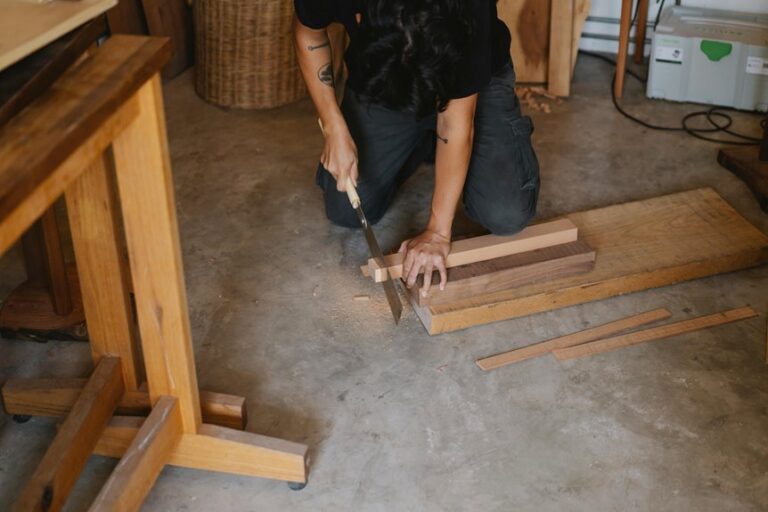
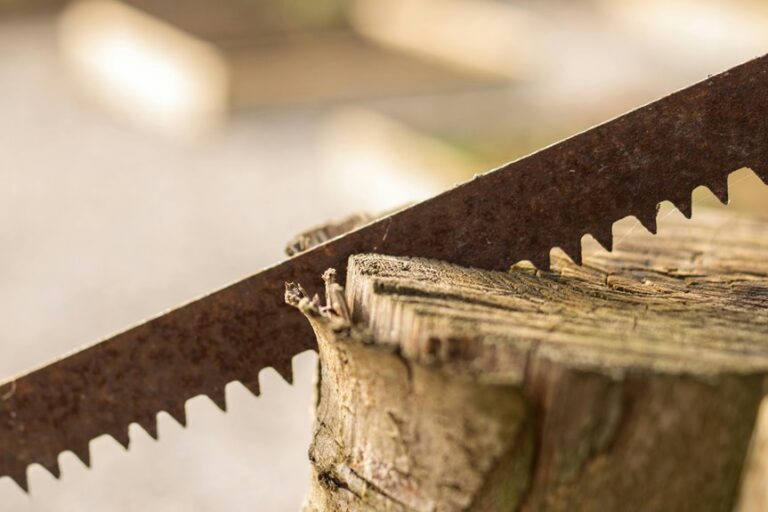
Pull-cut saws changed how woodworkers and gardeners think about cutting. Instead of pushing a blade through material and fighting the grain, you pull, and the thin blade follows your line with far less effort. That’s the core appeal of Japanese saws, whether you’re pruning an overgrown apple tree or trimming a dowel flush on a bookshelf. This roundup covers five very different options: a pro-grade pruning saw, a folding camp tool, a double-edge workshop pullsaw, a specialist flush-cutter, and a precision panel saw for fine work.
The Choices Worth Comparing

Samurai Ichiban 13″ Curved Pruning Saw GC330LH

Craft911 Folding Camping Saw 11 Inch

SUIZAN Ryoba Double Edge Saw 8″

Temple Tool Co. Japanese Flush Cut Saw 6″
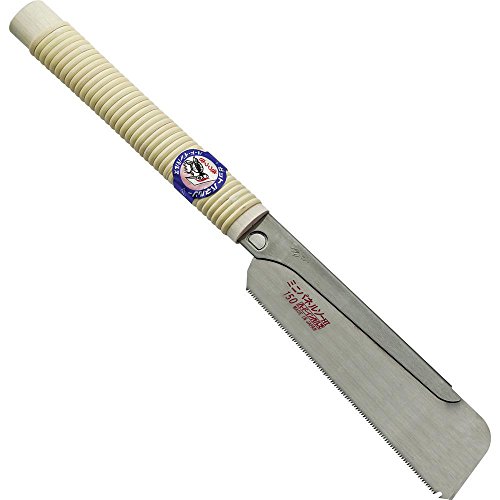
ROCKLER Japanese Mini Dozuki Panel Saw 150mm
A Closer Look At Each Pick
The 13-inch curved blade is the whole story here. The curve lets gravity help on downward cuts through green limbs, so you’re not muscling every stroke the way you would with a straight handsaw. Impulse hardening, which heat-treats just the teeth to a harder state than the blade body, keeps the edge sharp far longer than standard ground teeth.
This is the kind of tool arborists keep holstered at their hip all season. The included scabbard matters more than it sounds; dragging an exposed 330mm blade in and out of a truck bed is how cuts happen. For most homeowners with mature trees, one saw covers years of seasonal pruning.
Everyday Advantages
- Impulse-hardened teeth hold their edge through seasons of abrasive green wood
- The curved profile promotes full-length strokes with steady resistance from start to finish
- Scabbard makes belt carry safe around ladders and brush
- Long 330mm reach handles branches too thick for folding saws like the Craft911 below
Things To Consider
- The open design collects sap and sawdust; owners commonly report needing regular cleaning to keep the sheath sliding smoothly
- No fold-away protection means storage demands the scabbard stay with the saw
Key Specs
Who Should Grab It
Working arborists, landscapers, and serious property owners who prune thick hardwood limbs regularly.
Another Choice May Suit
Campers who only trim small branches occasionally will find the Craft911 Folding Camping Saw easier to stow and lighter to haul.
Where the Samurai is a fixed-blade trade tool, this one folds shut like a pocketknife, which changes where it can go. Tossed in a backpack or glovebox, an 11-inch SK5 high-carbon steel blade disappears into its own handle until firewood duty calls. SK5 is a Japanese high-carbon steel known for taking and holding a keen edge.
The triple-cut tooth pattern at 7 TPI (teeth per inch) splits the difference between fast softwood cutting and reasonably clean work on harder stock. Around camp that means processing deadfall without carrying a full-size bow saw. In our view, it earns its place as a trunk-and-pack tool rather than a shop saw.
The Value In It
- Folding design protects the blade and your pack during transit
- SK5 carbon steel sharpens easily with a basic file when the edge dulls
- 7 TPI razor teeth bite quickly into green branches and dry kindling alike
- One tool covers trail clearing, bushcraft projects, and backyard limb removal
Small Caveats
- Carbon steel will rust if stored damp; dry the blade before closing it away
- An 11-inch blade tops out on limbs well under what the Samurai Ichiban handles
- Lock mechanism deserves a quick check before each heavy cut, as folding joints can loosen over time
Made For
Hikers, campers, and bushcraft enthusiasts who need real cutting capability packed down small.
Skip It When
Woodworkers wanting fine joinery cuts should look at the SUIZAN Ryoba instead, since coarse camp teeth leave rough surfaces.
A ryoba is the classic Japanese double-edged saw: coarse rip teeth along one side of the blade for cutting with the grain, finer crosscut teeth on the other for cutting across it. Flip the blade mid-project and you’ve swapped tools. The pull-stroke action also means the thin blade stays under tension while cutting, so it tracks straighter than most Western push saws of similar cost.
The 8-inch (210mm) size suits shelf boards, trim, and general shop duty. First-time pull-saw users sometimes break blades by twisting sideways on the stroke; let the saw do the work and the blade lasts. Compared to the ROCKLER Dozuki later in this list, this one trades some precision for versatility.
The Helpful Details
- Two tooth patterns eliminate swapping between rip and crosscut saws
- Pull cutting needs noticeably less force, easier on wrists during long sessions
- Thin kerf removes less material, which means faster cuts and cleaner edges
- Lightweight build suits smaller hands and overhead or awkward-angle cuts
Worth Noting
- Replacement blades are a recurring cost once the teeth dull past filing
- Thin blade flexes if you push instead of pull, a habit new users must unlearn
Product Snapshot
Right Fit For
Beginning woodworkers building their first hand-tool kit, plus DIYers doing occasional trim and shelving cuts.
Where A Sibling Pick Shines
Anyone whose main task is slicing dowels flush with a surface will get better results from the Temple Tool Co. Flush Cut Saw.
Flush cutting is a narrow job done badly by general-purpose saws. When a dowel, tenon, or wedge sticks proud of a finished surface, you need teeth that shear the protrusion level without scratching the surrounding face. This 6-inch double-edge pull saw exists for exactly that moment, and the offset tooth geometry keeps the plate riding flat against the workpiece.
The dark brown solid beech handle with brass fittings gives it a bench-tool presence the plastic-handled competition lacks. It won’t fell a branch or rip a board; that’s not the point. As a finishing step in furniture making, though, few tools earn their drawer slot faster.
Positive Points
- Cuts dowels and wedges truly flush without marring adjacent surfaces
- Beech and brass construction looks good hanging on a French cleat wall
- Pull action gives fine control on delicate trim pieces
- Works equally well on hardwood and softwood offcuts
Less Ideal Details
- Single-purpose tool; pair it with a general saw like the SUIZAN Ryoba rather than replacing one
- Short 6-inch blade limits stroke length on wider panels
- The wood handle prefers dry storage, since humidity swings can swell the fit over time
Who Will Love This
Furniture builders and joinery-focused hobbyists who peg, wedge, or dowel their assemblies and want clean finished surfaces.
Reach For A Different Pick When
General board breakdown calls for the SUIZAN Ryoba, whose longer double-sided blade handles full crosscuts this specialist cannot.
A dozuki adds a stiff metal backbone along the top of the blade, and that spine is both the strength and the limit here. It keeps the ultra-thin 0.30mm plate dead straight for hairline-accurate cuts, but the same reinforcement caps how deep the saw can travel. With 106 teeth packed into a 150mm blade at a tight 1.41mm pitch, this thing scores veneer and slices panels with a kerf barely wider than a pencil line.
Retailers commonly recommend dozukis like this one as a first Japanese saw, and the logic holds: the rigid spine forgives shaky technique. Electricians even reach for these on trim-out work. You may find the shallow depth frustrating on thick stock, so know the trade-off going in.
What Stands Out
- 0.30mm blade thickness leaves an exceptionally narrow 0.49mm kerf, wasting minimal material
- Metal back reinforcement produces straight, splinter-free starts
- Fine 106-tooth layout glides through veneer and plywood faces cleanly
- Small footprint fits a tool roll or apron pocket
Potential Sticking Points
- The backing rail restricts maximum cutting depth compared to open-blade saws
- Ultra-fine teeth demand gentle handling; forcing the stroke bends teeth, and replacements aren’t filed back easily
Feature Rundown
Built With In Mind
Veneer workers, model makers, and first-time pull-saw users who value accuracy over cutting depth.
Consider Something Else When
Thicker dimensioned lumber calls for the SUIZAN Ryoba, whose unsupported blade cuts deeper than any backed dozuki can.
What Matters Most Before Choosing Japanese Saws
Match The Tooth Pattern To The Job
Teeth are everything in this category. Coarse, widely spaced teeth (low TPI) chew through green branches fast but leave rough faces. Fine pitch teeth produce glassy finishes on seasoned wood yet clog in wet, fibrous stock. A ryoba sidesteps the choice with two edges, while specialists like flush cutters commit fully to one task.
Understand Pull Versus Push
Japanese saws cut on the pull stroke, which keeps the thin blade taut and lets manufacturers use steel far thinner than Western saws allow. The payoff is narrower kerfs and less effort. The adjustment period is real, though: pulling requires a lighter grip and zero sideways pressure, habits worth building before your first expensive blade.
Weight Blade Support Against Depth
Backed designs such as dozukis track perfectly straight but stop cutting at a fixed depth set by the spine. Open blades like ryobas and pruning saws cut as deep as the blade runs, trading a little straightness freedom for range. Decide which constraint bothers your typical project more.
Factor In Carry And Storage
Fixed blades need scabbards or sheaths; folders protect themselves. Carbon steel rusts, so drying before storage becomes part of the routine. Anyone hauling tools between sites should weigh closed length and weight as heavily as cutting performance.
Key Considerations Across These Picks
Traps First Timers Fall Into
The most common mistake is buying one “do-everything” saw and forcing it onto jobs it wasn’t shaped for. Pruning teeth wreck veneer; dozuki spines stall out on thick limbs. Another frequent slip is pushing instead of pulling, which kinks thin plates within weeks. Start by naming your primary task honestly, then pick accordingly.
What Separates Premium From Basic
Higher-tier models spend money where it counts: impulse-hardened or finely milled teeth, harder steels like SK5, and replaceable blade systems. Those upgrades translate directly into edge life and cut quality. Occasional users rarely notice the difference; anyone cutting weekly will feel it by the second month.
Frequently Asked Questions
Why do Japanese saws cut on the pull stroke?
Pulling keeps a thin blade under tension, so it can be made much thinner than a push-loaded plate. The result is a narrower kerf, less effort, and straighter tracking.
Can I sharpen a Japanese saw blade?
Hardened impulse teeth generally can’t be filed and get replaced instead. Some traditional-style blades accept sharpening, so check the tooth treatment before trying.
What does “ryoba” mean?
It refers to a double-edged blade with rip teeth on one side and crosscut teeth on the other. One saw handles both grain directions.
Are these saws suitable for green wood?
Pruning models like the Samurai Ichiban are designed specifically for wet, fibrous growth. Fine-tooth panel saws tend to bind in green stock, so match the tool to the moisture.
How long do replacement blades last?
It depends heavily on use frequency, material hardness, and technique. Light home projects can stretch a blade across years, while daily trade use wears teeth in months.
Bottom Line
Five saws, five honest roles. The Samurai Ichiban owns the yard and job site, the Craft911 rides in the pack, and the SUIZAN Ryoba anchors a growing woodworking kit. Round things out with the Temple Tool flush cutter for finished joinery and the ROCKLER dozuki when accuracy matters more than depth. Name your main cutting task, choose the tool built for it, and let each blade do what it was shaped to do.