A ragged lawn edge can undo hours of mowing and mulching in a single glance. The right edging tool fixes that, whether you’re cutting a fresh trench along a driveway or holding back grass creep into a flower bed. This roundup covers five options built around different jobs: a heavy steel manual cutter, a flexible plastic barrier, two serrated half-moon diggers, and a saw-tooth blade designed to spare your back. Match the tool to your soil, your height, and how often you actually edge, and the work gets noticeably easier.
The Essentials At A Glance
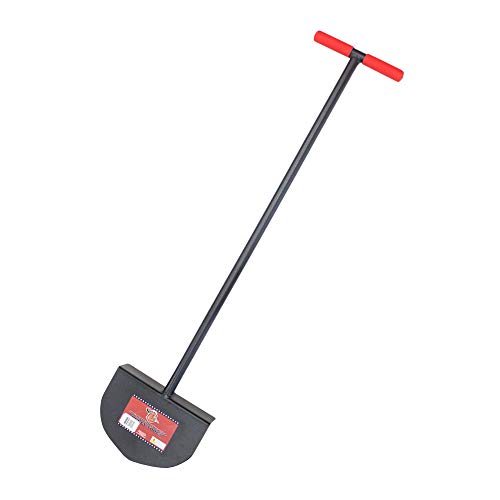
BULLY TOOLS 12-Gauge Manual Lawn Edger
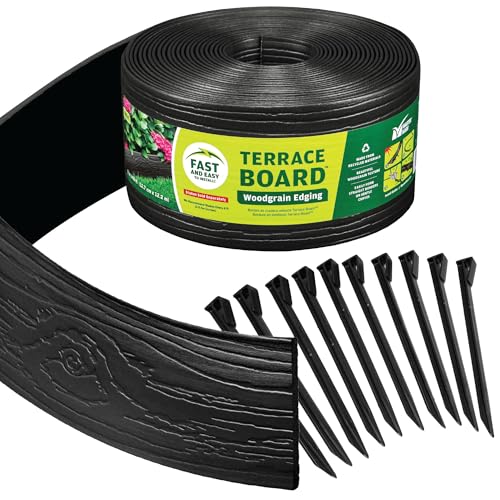
Master Mark Terrace Board Landscape Edging 5 in. x 40 ft.

Root Slayer 22711 XL Serrated Garden Edger

Root Slayer 22611 Serrated Garden Edger

Byhagern Professional Edge Lawn Tool Half Moon Blade
A Closer Look At Each Pick
Most hand edgers flex or chip the first season you lean on them. This one starts with a 12-gauge steel blade, which is thick stock by hand-tool standards, paired with a 38-inch shaft topped by a T-style grip. That combination is aimed squarely at people cutting fresh edges rather than refreshing soft ones.
Picture a spring cleanup along a sidewalk that hasn’t been edged in years. The weight of the blade does much of the penetration work, and the tall shaft keeps your torso closer to upright than a short D-handle design would. In our view, this is the closest thing here to a professional crew’s trenching spade.
The Good Stuff
- 12-gauge steel blade resists bending when you hit dense clay or gravelly soil.
- The 38-inch length suits average-to-tall users and cuts down on stooping during long sessions.
- Doubles as a sod cutter and shallow trenching tool, so one purchase covers three spring jobs.
- T-style grip gives you a firm two-handed push without wrist twist.
Things To Consider
- A manual steel blade needs a rinse and light oil after wet-soil days to stay ahead of surface rust.
- Heavier construction means more effort on very long runs compared with lighter half-moon designs.
Key Specs
Who It Suits Best
Homeowners tackling neglected borders, sod removal, or irrigation trenches who want commercial-grade muscle in a quiet hand tool.
Swap It Out When
If your main job is maintaining an existing edge in soft turf, the Byhagern Professional Edge Lawn Tool’s toothed half-moon blade will feel faster and less tiring.
Everything else in this list cuts an edge; this one holds one. The Master Mark Terrace Board is a coiled barrier strip, five inches tall and forty feet long, that you stake into a shallow cut to keep grass from creeping into beds. Unlike the BULLY TOOLS edger above, there’s no blade to swing, just a border that stays put year after year.
The black finish carries a wood-grain texture, which reads far better against mulch than glossy plastic usually does. Because the material is thin and pliable, it follows sweeping curves around trees and walkways where rigid edging simply won’t bend. Installation is a same-afternoon project for most yards.
Real-World Strengths
- Forty feet of continuous coil covers a large bed perimeter without seams or connectors.
- Five-inch height gives enough wall to contain mulch, rock, or raised soil layers.
- Ten included stakes mean the package is genuinely install-ready out of the box.
- Wood-grain texture blends into naturalistic plantings instead of shouting “plastic.”
Small Caveats
- You’ll still need a spade to open the slot it sits in, so budget for a cutting tool too.
- Thin flexible panels can bow outward under heavy mulch pressure unless stakes are spaced closely.
- Prolonged sun exposure is commonly reported to make buried plastics brittle over many seasons.
Made For
Gardeners laying out curved flower beds or path borders who want low-effort, set-and-forget containment rather than a cutting tool.
Another Choice May Suit
Anyone needing to slice through established turf first should reach for the Root Slayer 22611 Serrated Garden Edger before installing any barrier.
Height matters more than most tool listings admit. The Root Slayer 22711 XL exists because standard-length edgers force taller gardeners to hunch with every cut, and a whole afternoon of that shows up in your lower back. The extended shaft changes the geometry so you can stand closer to vertical.
Underneath, it shares the family’s signature approach: an inverted V-shaped tip that pierces roots instead of skidding off them, plus serrated edges for gripping tough turf. Compared with the standard Root Slayer below, the trade-off is simple. The XL favors posture and leverage over compact storage, which is exactly the right call for anyone over roughly six feet.
A Few Highlights
- XL shaft lets taller users edge a full bed line without constant bending.
- Inverted V tip bites through roots and obstructions rather than bouncing off.
- Longer lever arm translates body weight into deeper, cleaner cuts with less push.
Points To Note
- The extra shaft length makes it awkward in tight sheds or car trunks.
- Shorter gardeners may find the reach reduces downward control on hard ground.
Right Fit For
Taller homeowners doing seasonal edge maintenance who’ve written off manual tools because of back strain.
Where A Sibling Pick Shines
Gardeners under about five-foot-eight will get better control from the shorter Root Slayer 22611 Serrated Garden Edger, which uses the same cutting head.
This is the standard-shaft member of the Root Slayer line and the one most yards should start with. Its half-moon blade carries a sharpened V point and aggressive serrations, a pairing meant to chew through compacted soil and shallow roots where smooth blades just skate. No fuel, no cord, no noise, which matters if you edge early on weekends.
The build details hold up well on paper: a powder-coated carbon steel head resists corrosion, and the resin-encased fiberglass shaft adds stiffness without the weight of all-steel. Owners commonly report the grip staying comfortable across long sessions, though any carbon steel benefits from drying off after damp use.
What Pays Off
- Serrated V-tip cuts clean lines through turf and roots instead of slipping sideways.
- Powder-coated carbon steel shrugs off moisture between uses better than bare steel.
- Fiberglass core shaft delivers solid leverage at a manageable carry weight.
- Silent operation means you can edge at 7 a.m. without waking the street.
- Works double duty as a bed-digging shovel in a pinch.
Honest Caveats
- Standard shaft height still means some bending for users over six feet; see the XL version.
- Serrations hold soil more than smooth blades do, so wipe the head clean before storing.
Core Features
Built With In Mind
Intermediate DIY landscapers dealing with rooty, compacted borders around mature trees and older walkways.
Look Elsewhere When
For purely decorative bed containment with no cutting involved, the Master Mark Terrace Board coil handles the job with far less labor.
The clever part of this Byhagern sits where your shoe goes. A wide footplate spans the top of the blade, letting you drive it down with your full leg strength regardless of shoe size, something the Root Slayer models don’t offer. Combined with teeth lining the bottom of the half-moon blade, it’s built to bite rather than merely press.
That toothed profile earns its keep in dense turf, where straight-edged blades tend to compress grass instead of slicing it. The long handle keeps your spine reasonably neutral, and the non-slip grip holds up even with sweaty or damp hands. For occasional users, the honest read is that this design forgives technique mistakes better than most.
The Upside
- Saw-tooth blade edge slices grass and shallow roots instead of pushing them flat.
- Wide footplate accepts any shoe size and multiplies downward force comfortably.
- Extended handle meaningfully cuts back strain during longer edging sessions.
- Non-slip grip maintains control in wet morning conditions.
Trade-Offs To Consider
- Toothed edges collect packed soil quickly, so plan on a quick scrape after each use.
- Heavy-duty steel construction leans heavier than basic hardware-store edgers.
The Main Details
Who Will Love This
Weekend gardeners with average-height frames who want maximum cutting efficiency per step and care about protecting their back.
Skip It When
Anyone breaking new ground or removing sod will get more done with the thicker 12-gauge BULLY TOOLS 12-Gauge Manual Lawn Edger.
What To Weigh Before You Buy
Match The Tool To The Job
Cutting and containing are different tasks. Manual edgers like the BULLY TOOLS and Root Slayer models slice new boundaries, while the Master Mark board preserves one you’ve already made. Decide which problem you’re solving before comparing anything else, because no single product does both well.
Soil And Root Conditions Drive Everything
Sandy loam forgives almost any blade. Clay-heavy or root-filled ground rewards serrated tips and thicker gauges, since thin smooth blades deflect on contact. Walk your border first and note where tree roots or old concrete compaction live; that map tells you which build quality you actually need.
Handle Length Is A Back-Saver
A 38-inch or longer shaft keeps most adults within a comfortable working posture. Shorter tools cost less but tax your lower back fast, especially across a fifty-foot driveway run. Taller users should prioritize the XL option even at a small premium.
Maintenance You Can Live With
Carbon steel wants a wipe-down and dry storage after wet sessions. Plastic coil edging wants nothing but correctly spaced stakes. Choose the upkeep level matching your habits honestly, because a rusted blade performs worse than a cheaper tool kept clean.
Key Considerations Across These Picks
Traps First Timers Fall Into
The classic error is buying a cutting tool when the real need is a barrier, or vice versa. Another common slip: choosing a short-handled edger to save money, then abandoning the routine once back soreness sets in. Measure your longest border run and your own height before committing.
Where The Extra Money Goes
Higher-tier picks spend on thicker steel, powder coating, and resin-encased fiberglass, materials that resist bending and rust across seasons. Budget options often work fine in soft soil twice a year. Paying up makes sense for root-heavy ground, frequent use, or anyone planning to skip replacing a bent blade next spring.
Frequently Asked Questions
How often should lawn edges be re-cut?
Most lawns look sharp with edging every two to four weeks during peak growing season. Slower seasons can stretch that to monthly touch-ups.
Can a manual edger replace a gas-powered one?
For typical residential borders, yes, with more physical effort per session. Very long runs or commercial properties justify powered equipment.
How deep should an edging cut go?
Two to three inches usually separates turf cleanly from beds and walks. Deeper cuts help with root barriers or drainage trenches.
Do I need to sharpen a serrated edger?
Light filing once a season keeps the teeth biting well. Powder-coated blades mainly need cleaning and dry storage rather than frequent sharpening.
How do I install coil landscape edging properly?
Cut a slot a few inches deep, press the board in leaving the top edge exposed, and stake every couple of feet. Firm staking prevents bulging under mulch weight.
Closing Thoughts
Every yard has one boundary line that drives you slightly crazy, and one of these five tools will end that argument. Cutters handle the slicing, the coil handles the keeping, and the right match depends on your soil, your height, and your patience for upkeep. Start with the job in front of you, not the fanciest listing. Your lawn’s edges will thank you all season.