


Hanging a TV, mounting shelves, or framing a gallery wall all start with the same question: what’s behind that drywall? The right laser level stud finder answers it fast, marking studs while projecting a straight line so your install ends up level the first time. This roundup covers five options built for renters, DIYers, and homeowners who want fewer holes and cleaner results.
An Overview Of The Picks

PREXISO 2-in-1 Stud Finder with Laser Level

Zircon StudSensor A100 Stud Finder w/Live Wire Detection

FNIRSI WD-01 6 in 1 Rechargeable Stud Finder Wall Scanner

OFIRCREATION Stud Finder Wall Scanner With Laser Level
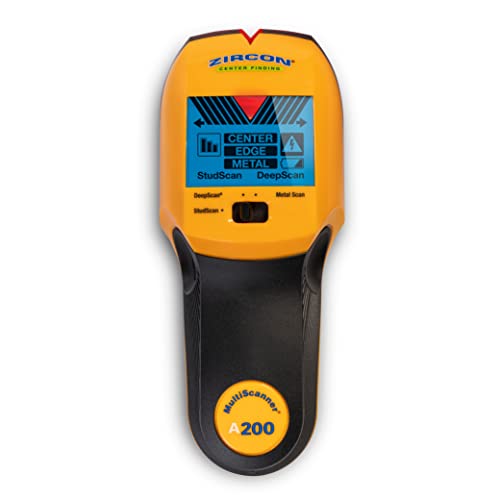
Zircon MultiScanner A200 Stud Finder with Metal & Live Wire Detection
Inside Each Recommended Option
Few tools collapse two jobs into one body as neatly as this Prexiso. The rechargeable cross line laser projects horizontal, vertical, or crossed reference lines, while the scanner side locates studs behind drywall, so you can mark and mount in a single session instead of juggling separate devices.
The trade-off worth knowing up front: the laser is manual-leveling rather than self-leveling, meaning you align it using bubble vials rather than internal pendulum correction. That keeps cost down, though it asks a bit more patience from you.
Practical Advantages
- Rechargeable battery cuts down on disposable-cell waste over years of use
- Cross line projection lets you hang multiple frames along one level plane without re-marking
- Built-in bubble vials provide alignment feedback whenever laser mode is active
- One-tool workflow suits apartment dwellers short on storage space
- Detection mode helps you avoid fastening into empty wall cavity
Things To Consider
- Manual leveling demands steady hands and a flat surface to get lines truly plumb
- Owners commonly report the scanner function needs calibration before each session for consistent results
Who Should Grab It
Renters and casual decorators who want stud location plus a level line from one compact gadget.
A Better Fit Elsewhere
Shoppers wanting dedicated, no-laser scanning simplicity will find the Zircon StudSensor A100 more focused.
Zircon has been making wall scanners since before most competitors existed, and the A100 shows that experience in its simplicity. This unit finds the edges of wood and metal studs behind standard drywall, which is exactly what you need for shelves, mirrors, and curtain rods.
Where it earns its keep is live wire detection, an alert system that warns when AC wiring sits near your scan path. Drilling into an electrical line is the mistake every first-timer fears, and this feature quietly removes most of that risk. The four-pack packaging also makes sense for households that keep a tool in more than one room.
Features That Help
- Edge-finding design gives clear left-and-right boundaries so you can pencil in the center yourself
- Live AC wire warning adds a safety layer before any drilling starts
- Handles both wood and metal framing behind common interior walls
- Compact footprint slips into a kitchen drawer between projects
- Multi-pack value covers garages, rentals, or shared workshops
Small Caveats
- Edge-only reading means you locate two edges and mark center manually, adding a step compared with center-finding models like the Zircon MultiScanner A200
- Consistent readings depend on calibrating against a known-clear section of wall before each scan
Key Specs
Right Fit For
First-time DIYers tackling straightforward hanging jobs who want brand pedigree without extra modes to learn.
Swap It Out When
Anyone needing multi-mode depth scanning should reach for the FNIRSI WD-01 instead.
Compared with the single-purpose A100 above, the FNIRSI WD-01 reads like a different category of tool. Six scan modes cover wood, metal, pipes, and live AC wiring through walls and floors, letting one device handle everything from hanging art to checking what runs beneath bathroom tile.
The standout detail is the redesigned positioning hole, a small notch that lets you drop a pencil point exactly where the sensor flags an edge or center. It sounds minor until you’ve fumbled marks on a dozen scans. Rechargeable power rounds out a package aimed at people who renovate regularly rather than once a decade.
What Works In Its Favor
- Six detection modes adapt to wood studs, metal framing, pipes, and energized wiring
- Positioning hole speeds accurate marking of both edges and centers
- Rechargeable cell eliminates mid-project battery runs to the store
- Floor scanning extends usefulness beyond vertical walls into plumbing checks
- Fast readouts cut scan time on large mounting layouts
Potential Sticking Points
- More modes mean a learning curve; expect a few practice scans on a known wall first
- Readings can vary with wall thickness and material density, so double-checking critical anchors is wise
Feature Snapshot
Made For
Hands-on homeowners and hobbyist renovators working across mixed materials and repeated projects.
Another Choice May Suit
Occasional hangers who find six modes excessive will prefer the simpler Zircon StudSensor A100.
This OFIRCREATION unit takes the combo-tool idea further than the Prexiso by folding in a third function: an etched metric ruler along the body. Gallery-wall planning happens right on the device, spacing measurements included, which trims the tape measure from your hand entirely.
The scanner pairs with three laser line modes plus vertical and horizontal bubbles, and the Class IIIA laser output (capped at 3.5mW) sits at the low-power end appropriate for indoor layout work. In practice, that makes it a picture-hanging specialist more than a construction-grade layout tool, and it’s honest about that role.
Why It Works Well
- Integrated metric ruler handles frame spacing without a separate tape
- Three laser line modes cover vertical, horizontal, and angled layout needs
- Low-power indoor-safe laser suits living rooms and hallways
- Scanner function locates solid backing before nails go in
- Light enough for one-handed overhead work on tall walls
Points To Note
- Laser output tops out lower than dedicated line lasers, so bright sunlit rooms may wash out the beam
- Adhesive mounting strips tend to lose grip on dusty or textured surfaces, so plan your placement carefully
- Generalist design means neither the scanner nor the laser matches a dedicated tool’s depth
Whose Shelf It Belongs On
Apartments and rental units where gallery walls, mirrors, and shelving make up nearly every project.
Reach For A Different Pick When
Heavy-duty mounting jobs call for the deeper mode set of the FNIRSI WD-01.
Think of the A200 as the A100’s more capable sibling. Instead of stopping at stud edges, this scanner pinpoints centers, edges, and even the direction studs run, information that matters enormously when anchoring a heavy television or upper cabinet where a missed hit means a torn anchor hole.
Metal and live wire detection round out the sensing package, giving you a fuller picture of the wall cavity before the drill spins up. For most households mounting anything over twenty pounds, that extra certainty justifies stepping up from the entry model.
Useful Strengths
- Center-finding logic removes guesswork, marking the strongest fastening point directly
- Stud-direction reading helps you plan long horizontal runs like rail systems
- Metal detection catches ductwork, conduit, and steel framing other tools miss
- Live wire alerts protect against hidden electrical runs
- Suits demanding installs: TVs, cabinets, handrails, and fixtures
Honest Caveats
- Calibration against a clear section of wall before each scan is part of the routine; skipping it commonly produces false positives
- Denser wall assemblies can slow readings, so patience pays on older homes
Details At A Glance
The Right Fit
Homeowners planning substantial mounts, especially TVs and cabinets, who want maximum confidence per hole.
Consider Something Else When
Light-duty décor hangers get everything they need at lower complexity from the Zircon StudSensor A100.
What Matters Most Before Choosing Laser Level Stud Finders
Match The Sensor To Your Walls
Drywall over wood studs is the easy case nearly every model here handles well. Plaster, tile, or dense masonry demands stronger penetration and multi-mode sensing, which pushes you toward the FNIRSI WD-01 or Zircon A200. Older homes often hide metal lath behind plaster, so metal detection stops being optional.
Decide Whether You Need The Laser Half
A combined unit saves drawer space and money, but manual-leveling lasers rely on bubble vials rather than automatic correction. Casual picture hanging rarely notices the difference. Cabinet rows and long shelf runs benefit from the steadier reference, and dedicated pros may still want a standalone self-leveling laser alongside their scanner.
Weight Of What You’re Mounting
Light frames need any solid anchor point. Televisions and cabinets demand dead-center stud hits, which is why center-finding tools earn their premium. Know your heaviest planned project before shopping, then buy for that job rather than the smallest one.
Power And Daily Handling
Rechargeable models suit frequent use and skip battery costs. Compact scanners store anywhere but reward calibration discipline; whichever pick lands in your cart, build the habit of a test scan on a known-clear wall section first.
Key Considerations Across These Picks
Traps First Timers Fall Into
The classic error is scanning without calibrating, which produces confident-looking nonsense. Skipping the live-wire check before drilling is the second. Both take ten seconds and prevent the two most common failures reported with these tools.
The Case For Spending Up
Higher-tier units add center finding, more detection modes, and rechargeable power. For anyone mounting heavy items or renovating repeatedly, those features pay back quickly in avoided mistakes and redo time.
Frequently Asked Questions
Do laser level stud finders work on plaster walls?
They can, though dense plaster reduces detection depth and increases false readings. Multi-mode scanners with metal detection handle older walls far better than basic edge finders.
Is a manual-leveling laser accurate enough for home projects?
For picture hanging and shelving, yes, provided you set it on a stable surface and trust the vials. Long cabinet runs benefit more from self-leveling designs.
How often should I recalibrate my stud finder?
Before each scanning session is the widely recommended habit. Calibration takes seconds and dramatically improves consistency.
Can these detect wires inside conduit?
Live wire detection senses energized AC lines near the surface, typically within standard drywall depth. Conduit buried deep in masonry usually falls outside consumer scanner range.
Are rechargeable models better than battery-powered ones?
For frequent users, rechargeables save money and avoid mid-project swaps. Occasional users may prefer batteries that never sit depleted in a drawer.
Bottom Line
Your wall type and heaviest project decide this purchase more than any spec sheet does. Light décor duty points toward the Zircon A100 or OFIRCREATION combo, mixed materials favor the FNIRSI WD-01, and serious mounting jobs justify the Zircon A200’s center-finding precision. Whichever fits, calibrate before scanning and let the tool tell you where the studs actually are.




