A dull blade tears grass instead of slicing it, leaving brown tips and a lawn that looks tired even after a fresh mow. Swapping or sharpening a blade sounds intimidating until you have the right gear in hand. This roundup covers five tools that handle the whole job: holding the blade steady while you loosen the bolt, balancing it after sharpening, replacing worn blades outright, and scraping the gunk off your deck so the next install goes smoothly. Whether you run a walk-behind push mower on a small lot, a riding tractor on acreage, or a robotic mower that quietly laps the yard, there’s something here built for your setup. Each pick below breaks down where it shines and where it doesn’t, so you can match the tool to your actual maintenance routine rather than guessing.
The Shortlist At A Glance

SporGain Lawn Mower Blade Balancer Universal Metal

KINTLE 490-850-0005 Universal Mower Blade Removal Tool

Greenworks 2905203 21-Inch Mower Blade
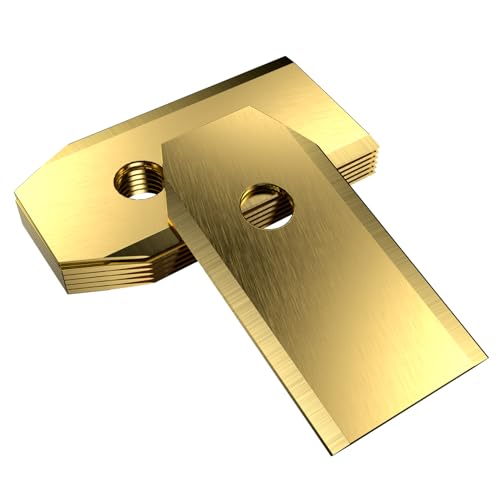
Headley Tools Robotic Mower Blades Titanium Pack of 30

Good Vibrations Grass Hawk Deck Scraper
More Details On Our Top Picks
A balancer is the step most home mechanics skip, and it’s usually why a freshly sharpened mower still shakes across the yard. The SporGain sits on its cone-shaped hub and lets the blade tip toward the heavy side, showing you exactly where to remove more metal. Its metal construction feels more durable than the plastic balancers commonly sold at big-box stores.
Anyone who sharpens their own blades twice a season will get real value here. An unbalanced blade stresses the spindle bearings and engine over time, so this small tool protects equipment you’ve already spent serious money on.
What Works In Its Favor
- Metal body holds up season after season, unlike thinner plastic versions that crack in a cold garage.
- Universal design accepts round and square center holes, covering nearly every standard blade you’ll own.
- Cuts vibration noticeably once the blade sits level, which means a smoother cut and less engine strain.
- Small enough to live in a toolbox drawer between uses.
Points To Note
- It only diagnoses imbalance; you still need a file or grinder to correct it, so budget for both tools.
- Very light blades can wobble slightly on the cone depending on how cleanly the center hole was cut.
The Right Fit
Homeowners who sharpen their own push-mower blades each spring and want the job done properly rather than approximately.
Where A Sibling Pick Shines
If your blades are past saving, the Greenworks 2905203 replacement blade suits Greenworks 21-inch mower owners better than any amount of regrinding.
Loosening a stuck blade bolt is the moment most DIY swaps go wrong, because nothing stops the blade from spinning with the wrench. This clamp locks onto the blade itself, freeing both your hands and keeping fingers away from the cutting edge. It’s listed as compatible with MTD 21-inch walk-behind and riding mowers, along with model numbers like 11A-B13M729 and 339079.
Compared with the SporGain balancer above, which handles post-sharpening work, this one earns its keep during removal, the riskiest part of the job. Owners of single- and twin-blade decks up to 42 inches are the natural audience.
What It Does Well
- Clamps the blade solidly so the bolt breaks loose without the blade spinning under the wrench.
- Works across walk-behind and riding decks, including twin-blade tractor setups.
- Listed compatibility with specific MTD model numbers takes the guesswork out of ordering.
- Turns a two-person job into a solo task, which matters when you’re working alone on a Saturday.
A Few Limitations
- Fits decks up to 42 inches, so larger garden tractors fall outside its range.
- The clamp jaw can slip on heavily rusted blades, so a wire-brush cleanup first helps the grip.
Feature Rundown
Built With In Mind
First-time blade swappers on MTD-brand mowers who want a safer, steadier removal process without improvising with blocks of wood.
Swap It Out When
Robotic mower owners should skip this entirely and look at the Headley Tools titanium blade pack instead, since robot blades use a completely different mounting style.
Sometimes the right replacement tool isn’t a tool at all, it’s the factory-correct part. This is the genuine Greenworks blade for 21-inch decks, cut from heat-treated steel that holds an edge longer than bargain-bin alternatives. Heat treating, briefly, is a controlled hardening process that makes steel resist wear without turning brittle.
Where the KINTLE clamp helps you remove an old blade, this one is what goes back on. Fitment covers a long list of Greenworks 80V models, including units numbered 2501202, 2533402, and 1356602 among others, so checking your model against the list before ordering is worth thirty seconds.
Everyday Advantages
- Genuine part status means the hole pattern and balance match your deck exactly, no shimming or guesswork.
- Heat-treated steel keeps a working edge through a full season of weekly cuts for most suburban lawns.
- Direct compatibility with a wide range of Greenworks 80V mowers simplifies reordering year after year.
- A clean factory edge gives a visibly sharper finish than a blade you’ve resharpened four times.
Things To Consider
- It serves one brand and deck size only, so confirm your model number before buying.
- Like any bare steel blade, damp storage leads to surface rust, so a light oil wipe before winter helps.
Quick Facts
Who Should Grab It
Greenworks cordless mower owners who prefer swapping in a fresh factory blade each season over filing edges by hand.
Another Choice May Suit
Husqvarna Automower and Gardena robot owners won’t fit this blade at all; the Headley Tools titanium pack is the matching option for those machines.
Robotic mowers chew through small razor blades faster than any push mower, often needing fresh ones every month or two during peak growth. A thirty-pack changes that math entirely, giving you a full season or more of swaps in one order. These blades use stainless steel with a titanium coating, a thin ceramic-like layer that slows corrosion and adds surface hardness.
Fitment spans Husqvarna Automower, Gardena robots, Segway Navimow, and YARDCARE models, so verify your machine against the list. Unlike the single Greenworks blade above, this is a consumable supply rather than a one-time part.
What Earns Its Place
- Titanium-coated stainless steel resists rust far better than plain blades stored in a humid garage.
- The thirty-pack quantity means fewer reorder cycles across a long mowing season.
- Clean, smooth cutting edges leave grass tips intact instead of shredding them.
- Broad brand coverage makes this a practical stock-up for multi-robot households or neighbors who split an order.
Worth Bearing In Mind
- Blades this small dull quickly in sandy soil, so coastal yards may cycle through them faster than expected.
- Always handle and dispose of used razor blades carefully; a labeled container keeps everyone safe.
Core Details
Right Fit For
Automated-lawn owners running Husqvarna, Gardena, or Navimow robots who want a season-long blade supply on hand.
Not Your Match When
Push-mower owners need full-size blades, not razors; the Greenworks 2905203 fits that crowd far better.
Nobody enjoys lying under a mower chipping dried grass off the deck with a screwdriver. The Grass Hawk replaces that ritual with a purpose-built scraper carrying two working profiles: a flat edge for broad surfaces and a curved edge for tight corners around the spindle housings. A pivot knob flips between them without swapping tools.
It also accepts an extension pole, which lets you clean a tractor deck while standing upright. Paired with the KINTLE clamp from earlier in this list, it rounds out a complete seasonal service kit.
Useful Highlights
- Two blade shapes in one head cover flat deck floors and curved corners alike.
- The quick-knob pivot switches profiles in seconds mid-job.
- Extension-pole adaptability saves your back on riding mower decks.
- A cushioned grip handle keeps control when caked-on clumps fight back.
Softer Spots
- Scraping by hand still takes elbow grease on heavy buildup; some owners spray the deck with oil afterward to slow future sticking.
- Store it dry, since wet grass residue left on the blade edges invites rust over a winter.
Whose Shelf It Belongs On
Riding-mower and lawn-tractor owners who do their own end-of-season cleaning and want the job done standing up.
Look Elsewhere When
You only need help loosening bolts rather than cleaning; the SporGain balancer and KINTLE clamp address the mechanical side of blade work instead.
Choosing Well: What Matters Before You Buy
Match The Tool To Your Machine
Start with your mower type, not the product listing. Push mowers take full-length steel blades, robotic mowers take small razor cartridges, and riding tractors may need twin-blade clearance. Buying across categories wastes money and returns trips.
Fitment Beats Features
A clamp that almost fits your deck is worse than none, because slippage under torque is how knuckles get hurt. Check model numbers against the manufacturer’s compatibility list every time, especially with brands like MTD that reuse deck designs across many nameplates.
Think In Seasons, Not Jobs
Consumables reward bulk thinking. A thirty-pack of robot blades or a genuine replacement blade bought ahead of spring costs less per mow than emergency orders mid-season, and spares mean you never stretch a dull blade another week.
Steel Quality Drives Longevity
Heat-treated and coated steels cost more upfront but hold edges longer and resist rust in humid garages. For anyone mowing weekly on a half-acre or more, the durability difference shows within a single season.
Key Considerations Across These Picks
Traps First Timers Fall Into
The most common error is ordering on looks alone and skipping the compatibility chart, which is how mismatched blades end up returned. Another frequent misstep: removing a blade without securing it first, letting it spin freely under the wrench. Always disconnect the spark plug or battery before touching anything under the deck.
The Upgrade Payoff
Higher-tier options earn their price through materials and coverage. Titanium coatings, heat-treated steel, and metal tool bodies outlast basic versions by seasons, not months. Frequent mowers and robotic-mower households see the payback fastest; occasional users on tiny lots can comfortably stick with simpler gear.
Frequently Asked Questions
How often should mower blades be replaced?
Most residential blades need sharpening once or twice per season and replacement after two to three years of regular use. Swap sooner if you notice torn grass tips or repeated nicks from rocks.
Do I really need a blade balancer?
An unbalanced blade causes vibration that wears spindle bearings and engine mounts prematurely. For anyone sharpening at home, a balancer is inexpensive insurance.
Are universal blade clamps safe to use?
A properly fitted clamp is far safer than improvised methods like wedging wood against the deck. Confirm compatibility with your deck size and always disconnect power first.
Can I use third-party blades on my robotic mower?
Replacement blades designed for your specific robot model work fine and are widely used. Match the mounting hole pattern and length to your machine’s requirements.
Why does grass build up under the mower deck?
Damp grass clings to the deck and dries into a hard layer that reduces airflow and cut quality. Scraping the deck clean a few times per season restores proper discharge.
Bottom Line
A complete blade-care setup costs less than a single service visit and pays for itself the first time you skip the shop. Pair the KINTLE clamp with the SporGain balancer for safe removal and smooth results, add the Good Vibrations scraper for seasonal cleanup, and keep genuine or coated blades stocked for your specific machine. Match each tool to your mower type, work safely under the deck, and your lawn will show the difference all season long.