A snapped bolt in an engine block or a sheared stud behind a manifold can stall a whole weekend project. Left-hand drill bits attack that problem directly: they spin counterclockwise, so the torque that drills into the broken fastener often backs it right out. This shortlist covers five options for 2026, from a professional-grade jobber set to all-in-one extractor kits, so you can match the tool to your bench and your budget.
The Lineup, Simplified

Chicago-Latrobe 150L Left-Hand Jobber Drill Bit Set (15-Piece)

Irwin Screw Extractor/Drill Bit Set 10-Piece
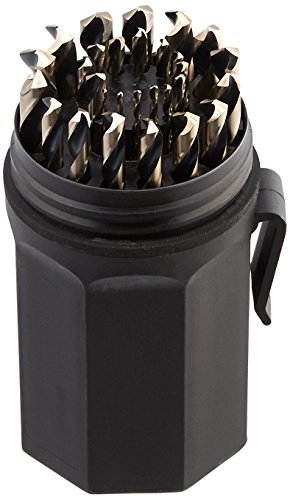
Norseman M35 Cobalt Metric Drill Bits Set (1mm-10mm)

XEWEA 49PCS Screw & Bolt Extractor Set

UYECOVE 35 Pcs Spiral Extractor Set Left Handed Drill Bit
Meet The Standout Selections
This set is pure purpose: fifteen high-speed steel bits running 1/16-inch through 1/2-inch in 1/32-inch steps, each ground with a left-hand helix so the flutes pull counterclockwise. That reverse cut is what makes extraction possible, because drilling torque works with you instead of against the stuck fastener. The bright, uncoated finish keeps edges sharp and honest, which machinists tend to prefer over coated bits that can hide wear.
Jobber length sits between stubby screw-machine bits and long taper-length drills, giving enough reach for most bench work without flexing much. Compared with the extractor kits later in this list, this one skips the extractors entirely and just does drilling, extremely well.
Where It Excels
- Reverse helix lets drilling torque back out broken bolts instead of tightening them.
- Fifteen sizes in 1/32-inch steps cover nearly every common fastener shank.
- Straight shanks drop into standard three-jaw chucks without adapters.
- High-speed steel holds an edge through repeated soft-metal work.
- The 118-degree conventional point starts predictably on flat surfaces.
Things To Consider
- No extractors included, so badly seized studs still need a separate removal tool.
- Uncoated HSS benefits from cutting oil and slower speeds in tougher alloys.
Key Specs
Who It Suits Best
Machinists, engine rebuilders, and anyone who already owns quality extractors but needs reliable reverse-cutting drills.
A Better Fit Elsewhere
Home users who want drill-and-remove in one purchase will find the XEWEA 49-piece kit more convenient.
Where the Chicago-Latrobe set drills only, this Irwin pairing handles the whole removal sequence. Ten pieces combine spiral-flute extractors with matching left-hand drill bits, sized EX-1 through EX-5, so you pilot-hole and back out a broken bolt with tools designed to work together. Size markings etched onto each tool mean less squinting mid-job, which matters when you’re leaning over an engine bay in bad light.
The aggressive left-hand spiral on the extractors embeds deeper as resistance rises, a design that has made this style a garage staple for decades. Owners commonly report success on snapped studs, socket screws, and pipe fittings, though patience and a center punch help enormously.
Key Advantages
- Matched bit-and-extractor pairs remove guesswork from sizing.
- Spiral flutes grip harder as torque increases, reducing slip-out.
- Etched size labels survive shop grime better than printed ones.
- Compact ten-piece format stows easily in a truck box or drawer.
Worth Noting
- Fewer drill sizes than dedicated sets, so odd-diameter studs may need another source.
- Extractors are hardened and brittle by design; side-loading one can snap it, and retrieval gets tricky.
The Right Fit
Weekend mechanics and DIYers who want a proven, no-frills extraction pair for occasional broken-bolt duty.
Swap It Out When
Anyone facing rusted lug nuts or rounded axle nuts should look at the UYECOVE 35-piece set instead, since its nut removers handle those jobs directly.
Honest caveat first: these are right-hand-cut bits, not left-hand ones. They earn their place here as the companion piece, because extracting a broken bolt often means drilling out the remains afterward, and cobalt alloy is what survives that chore. M35 steel carries roughly five percent cobalt, which raises hot hardness, meaning the edge stays sharp at temperatures that would anneal ordinary HSS.
Nineteen bits span 1mm to 10mm in metric increments, a sensible range for imported machinery, motorcycles, and European hardware. Norseman manufactures in St. Paul, Minnesota, and the brand has a long reputation for consistent tool-steel quality among trade users. In our view, this is the set you buy once alongside an extraction kit rather than instead of one.
What Works In Its Favor
- M35 cobalt resists heat buildup during slow, high-pressure drilling.
- Nineteen metric sizes suit imported equipment and fine incremental work.
- Straight shanks fit standard chucks across corded and cordless drills.
- American manufacturing gives traceable, consistent metallurgy.
Small Caveats
- Metric sizing won’t match inch-based fasteners without conversion planning.
- Cobalt bits cost more per piece than basic HSS, so losing one stings.
Quick Facts
Made For
Fabricators and maintenance techs who regularly drill stainless steel, cast iron, or other hard alloys after extraction work.
Reach For A Different Pick When
Users who need actual reverse-cutting action should stick with the Chicago-Latrobe 150L set, which delivers true left-hand geometry.
Forty-nine pieces make this the broadest kit here: thirteen multi-spline extractors, six spiral extractors, thirteen bolt extractors, and sixteen left-hand cobalt drill bits, all staged for the full remove-a-stud workflow. Multi-spline extractors use parallel grooves rather than a spiral thread, which suits hollow or thin-walled fittings where spiral flutes would split the shell. Having both styles on hand covers more failure modes than any single-design kit.
The reverse-groove drill bits are built to bite downward and grip as they cut, pulling loosening torque into the fastener. One manufacturer note worth respecting: the cobalt bits are not recommended for stainless steel, so plan your material accordingly.
Everyday Wins
- Four tool families handle screws, bolts, studs, and fittings in one case.
- Sixteen left-hand cobalt bits give deep size coverage for pilot holes.
- Reverse spiral grooves increase grip as resistance builds.
- Multi-spline plus spiral designs cover fragile and solid fasteners alike.
Points To Note
- Cobalt bits are flagged as unsuitable for stainless steel, a real limit on some automotive work.
- Large kits need organized storage; owners commonly report misplacing small extractors between jobs.
- Fit tolerances on budget-brand extractors may run looser than premium brands.
Right Fit For
General repair garages and handy households that face varied fastener failures and want one comprehensive answer.
Consider Something Else When
Precision-focused machinists wanting tighter-tolerance individual drills will prefer the Chicago-Latrobe 150L set’s single-purpose consistency.
This thirty-five piece kit splits the difference between the Irwin’s simplicity and the XEWEA’s bulk. You get ten multi-spline extractors, seven spiral extractors, twelve left-hand cobalt drill bits, five nut removers, and an extension bar, a mix that adds rounded-nut capability neither of those rivals includes. Cr-Mo steel construction on the extractors brings high hardness with some shock resistance, paired with 4341/6542-grade HSS in the drill bits.
Corrosion-resistant finishes help the tools survive damp garages, and the extension reaches recessed fasteners a chuck alone can’t touch. For the money, the breadth is genuinely hard to argue with, though expect trade-offs in refinement.
Features That Help
- Nut removers tackle stripped hex heads and rounded lugs directly.
- Included extension bar reaches sunken or recessed fasteners.
- Cr-Mo extractors balance hardness against breakage risk.
- Thirty-five pieces cover most household extraction scenarios.
A Few Limitations
- Twelve drill bits offer narrower coverage than the XEWEA kit’s sixteen.
- Budget-tier steel typically demands lighter feed pressure to preserve edges.
Who Will Love This
DIYers building a first serious toolkit who want extraction, nut removal, and reverse drilling without piecing together separate purchases.
Not Your Match When
Daily commercial use calls for the heavier-duty Chicago-Latrobe 150L set, whose American-made HSS stands up to repeated shop abuse.
What Matters Most Before Choosing Left Hand Drill Bits
Match The Tool To The Failure
Broken fasteners come in flavors. A sheared stud sticking proud of the surface needs a left-hand drill bit and little else, while a bolt snapped flush inside a tapped hole demands extractors too. Buying the wrong category means owning half the solution, so audit your most common failure before spending.
Material And Geometry Drive Results
High-speed steel handles soft metals and general work affordably. Cobalt alloys hold their edge in stainless and cast iron where plain HSS dulls quickly. Point angle matters too: a 118-degree point starts easily in softer stock, while harder materials reward careful speed control regardless of geometry.
Sizing Coverage Versus Depth
Count the fasteners you actually encounter. Inch-based machinery favors sets like the Chicago-Latrobe’s 1/32-inch steps, while imported equipment runs metric. A wide-range kit prevents the frustrating moment when the one size you need is missing.
Storage And Longevity
Hardened extractors chip if rattled loose in a drawer, and small bits vanish easily. A fitted case, regular light oiling, and keeping bits away from moisture extend usable life considerably.
Key Considerations Across These Picks
Traps First Timers Fall Into
The classic error is buying extractors without matching drill bits, or vice versa. Another common slip: running left-hand bits at full speed, which overheats the edge and work-hardens the broken stud, making removal harder. Slow speeds and steady pressure win here.
When Paying More Pays Off
Premium steel shows up exactly when the job gets ugly. Cheap bits that skate on a hardened bolt waste time and patience; cobalt and well-ground HSS bite through. For occasional home repairs, budget kits suffice. Frequent extraction work pays back the upgrade quickly.
Frequently Asked Questions
How do left-hand drill bits actually remove broken bolts?
Their counterclockwise flute direction means drilling torque twists against the stuck fastener’s threads. Often the friction and vibration alone back the bolt out as you drill.
Can I use left-hand bits in any drill?
Yes, most drills spin both directions via a forward-reverse switch. Just confirm your trigger lock and chuck grip are secure before reversing under load.
Are extractor kits suitable for beginners?
They’re approachable, but technique matters. Start with a center punch, drill a proper pilot hole, and turn extractors gently to avoid snapping them inside the hole.
Why choose cobalt over standard HSS bits?
Cobalt retains hardness at higher temperatures, resisting the edge dulling that comes from drilling hard metals slowly under pressure. It costs more but lasts far longer in tough materials.
Do I need cutting oil with these bits?
On steel, yes, a few drops make a noticeable difference in finish and bit life. On aluminum, oil helps mainly with chip evacuation rather than heat.
Bottom Line
Broken fasteners don’t have to end a project day. Match the kit to your typical failure: the Chicago-Latrobe 150L for serious reverse-drilling, Irwin for straightforward extraction, Norseman for hard-metal companion work, and the XEWEA or UYECOVE kits for broad all-in-one coverage. Whichever route fits your bench, slow speeds and patient technique will do more for your results than any spec sheet.