


Most scissors on store shelves are built for right hands, which means a lefty squeezing them all day fights the blade geometry on every cut. The right pair fixes that instantly: cleaner lines through fabric, less hand fatigue during long craft sessions, and edges that actually meet where your thumb pushes. This shortlist covers heavy-duty office shears, precision everyday pairs, budget multi-packs, professional fabric shears, and safe options for kids.
The Picks In Brief

Westcott 16935 8-Inch Heavy-Duty Lefty Carbo-Titanium Scissors

Scotch 8-Inch Precision Scissors
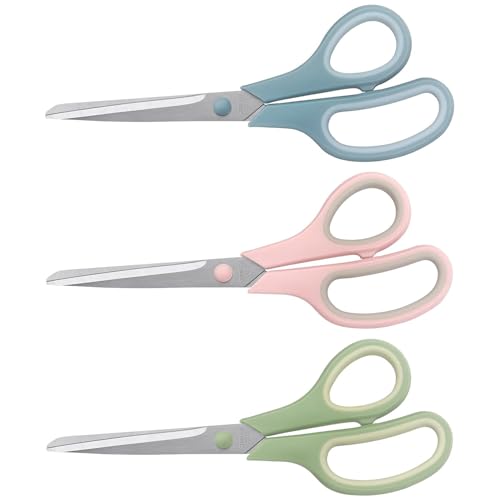
LONGKEY 8.5″ Pastel Scissors 3-Pack
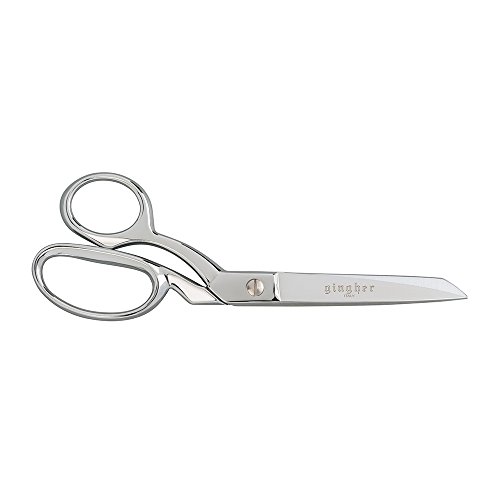
Gingher Knife Edge Bent Lefthanded 8 Inch Shears

Asdirne Left Kids Scissors Blunt Tip 3-Pack
Why These Options Stand Out
The Westcott 16935 is aimed squarely at people who cut more than printer paper. Its eight-inch straight body carries CarboTitanium-bonded blades, a coating that fuses titanium with carbon to add hardness and corrosion resistance over plain steel. In practice that means cardboard, packaging tape, and light fabric are all fair game without chewing up the edge.
For a left-handed user working in an office or home studio, the longer blade span covers more material per stroke, so trimming poster board or opening boxes takes fewer passes than a six-inch pair would need.
What Works In Its Favor
- Bonded blade coating adds hardness where ordinary shears dull first
- Corrosion resistance holds up in humid kitchens or damp basements
- Eight-inch length slices wide sheets in fewer strokes
- Handles paper, cardboard, and fabric without swapping tools
Things To Consider
- The coating layer means sharpening later is trickier than with bare steel
- Straight handles suit flat cuts best; curved trimmers feel steadier along a table edge
At A Glance
Who It Suits Best
Busy households and shared offices that need one durable pair to handle everything from mail to cardboard.
Where A Sibling Pick Shines
Sewists who cut layered fabric will get better results from the Gingher Knife Edge Bent Shears below.
Where the Westcott leans tough, this Scotch pair leans smooth. Precision-sharpened stainless steel blades glide cleanly through heavyweight paper and photographs, the two materials most likely to snag or tear on a worn edge. The handle uses a soft comfort grip, and the design works acceptably in either hand, which makes it a practical pick for mixed households.
Honest caveat: because these are not fully mirrored left-handed blades, a strict lefty may notice slightly less clean action on demanding curves compared with a dedicated pair like the Gingher. For routine desk work, most users report it feels effortless.
Points In Its Favor
- Stainless steel holds a sharp edge through long cutting life
- Soft grip reduces pressure points during extended sessions
- Ambidextrous layout fits shared desks and family drawers
- Precision grind leaves smooth edges on photos and cardstock
Worth Noting
- Blades are not mirrored for lefties, so fine detail work can drag slightly
- Soft grips attract grime over time; a quick wipe keeps them tack-free
Right Fit For
Students, teachers, and home offices that want one dependable pair for daily paper and photo tasks.
Another Choice May Suit
Lefties doing serious sewing should step up to the Gingher bent shears instead of settling for an ambidextrous compromise.
Three pairs for the cost of one name-brand pair is the whole pitch here, and the LONGKEY set backs it up with thicker-than-average stainless blades that hold sharpness through steady use. At 8.5 inches they run slightly longer than the Scotch pair above, giving you a touch more reach per cut.
The pastel finishes also earn their keep practically: assign each color to a room, a project bag, or a family member, and nobody argues over whose pair went missing. Handles use a soft ergonomic grip usable in either hand, though again these are not mirrored left-handed blades.
A Few Strong Suits
- Thicker blade stock keeps its edge after months of regular cutting
- Soft-grip handles stay comfortable across long craft sessions
- Three-pack spreads value across kitchen, desk, and hobby bag
- Distinct colors make each pair easy to track down
Small Caveats
- Ambidextrous rather than truly mirrored, so precision lefties may notice some resistance
- Pastel coatings can scuff with rough handling in a crowded drawer
Whose Shelf It Belongs On
Classrooms, craft groups, and busy families who go through multiple pairs and want spares on hand.
Skip It When
You need one heirloom-quality tool for fabric; the Gingher shears deliver that caliber of build instead.
This is the only pair on the list engineered from the ground up for a left hand, with blades actually reversed so the cutting line sits where your eye expects it. The knife-edge grind, meaning a beveled blade face honed to a fine angle, stays sharp all the way to the tips. An eight-inch bent-handle body lets you shear smoothly across a tabletop while fabric stays flat underneath.
Gingher builds these to slice multiple layers of cloth at once, which is exactly what pattern cutting and seam trimming demand. Compared with every other pick here, this is the tool a committed sewist reaches for daily.
Features That Help
- Truly mirrored blades give lefties a clean, unobstructed sightline
- Knife-edge grind cuts flawlessly through several fabric layers
- Bent handle lifts fabric off the table for smoother strokes
- Longer cut length speeds up pattern layout work
Points To Note
- Premium pricing stings if you only cut paper occasionally
- Steel benefits from occasional oiling at the pivot to stay silky
Quick Facts
Who Will Love This
Left-handed quilters, tailors, and garment makers who cut fabric weekly and want a lifetime-grade tool.
Consider Something Else When
General household paper duty calls for something cheaper; the Scotch 8-Inch Precision Scissors cover that job well.
Kids’ scissors labeled for lefties are often just rebranded right-hand pairs, and that mismatch teaches children to cut awkwardly from day one. Asdirne’s set avoids that trap with genuinely mirrored blades sized at 13.5 cm, small enough for small hands to control. Blunt tips remove the poke risk that comes with pointed school scissors.
The build combines stainless steel blades with rubber and ABS plastic handles, so there’s no rust worry and no odd smell out of the box. Assorted colors mean siblings can each claim a pair, which in most homes prevents half the arguments before they start.
Real-World Strengths
- True left-handed blade orientation supports natural cutting form early
- Rounded tips lower injury risk during unsupervised craft time
- Rust-resistant stainless steel survives damp pencil cases
- Soft rubber grips cushion small fingers through long projects
- Three-pack equips home, backpack, and classroom simultaneously
A Few Limitations
- Blunt tips won’t snip fabric or thick card the way adult pairs do
- Small size frustrates teens and adults with larger hands
Feature Card
Built With In Mind
Preschool and elementary-age lefties learning to cut at home or in school art classes.
Swap It Out When
Older students need full-size reach; the LONGKEY 8.5-inch three-pack bridges that gap affordably.
What Matters Most Before Choosing Left Handed Scissors
Blade Orientation Comes First
True left-handed shears have mirrored blades, so the top blade sits on the left and your cutting line stays visible. Ambidextrous models simply use a neutral handle and work either way, but they don’t correct the visibility problem. Dedicated lefties doing detailed work should insist on mirrored geometry.
Match Length To The Task
Six to seven inches suits paper, coupons, and quick trims. Eight inches and up earns its size on wrapping paper, poster board, and fabric, where each extra inch removes passes. Longer blades also demand more hand strength, so smaller hands may prefer mid-size.
Handle Comfort Decides Long Sessions
Soft-grip overlays spread pressure across the thumb and finger during hour-long craft marathons. Hard plastic is fine for a five-minute envelope opening, punishing otherwise. Bent handles matter most for fabric, since they lift material off the table and keep cuts flat.
Material Drives Lifespan
Stainless steel resists rust and shrugs off bathroom humidity. Coated or bonded blades trade easy resharpening for harder, longer-wearing edges. Choose based on how often you’ll actually use the pair.
Key Considerations Across These Picks
Wrong Turns To Avoid
The biggest error is buying a “left-handed” label without checking whether the blades are genuinely mirrored. Ambidextrous handles look similar on a product page but behave differently in hand. Also skip oversized shears for kids; a too-large pair forces bad technique fast.
Where The Extra Money Goes
Premium shears like the Gingher charge more for precision grinding, tighter pivot tolerances, and true handedness. Casual users won’t feel the difference on paper. Anyone cutting fabric weekly will, and the upgrade pays for itself in cleaner seams and less fatigue.
Frequently Asked Questions
Are ambidextrous scissors good enough for left-handers?
They work, since the handles fit either hand comfortably. They lack mirrored blades, so the cut line stays partly hidden during precise work.
Why do regular scissors tear paper for lefties?
Right-handed blades push the paper away from the natural left-hand squeeze, causing the sheets to buckle. Mirrored blades apply even pressure instead.
Can left-handed scissors be sharpened?
Yes, standard sharpeners work, though coated blades lose their protective layer when ground. Bare stainless steel takes an edge back easily.
What size suits general household use?
An 8-inch pair covers most jobs, from packages to craft paper. Smaller 6-inch versions suit detail work and travel kits.
How do I keep scissors cutting smoothly?
Wipe blades dry after damp materials and add a drop of oil at the pivot occasionally. Store them closed to protect the edges.
Closing Thoughts
Your dominant hand shouldn’t cost you clean cuts, and any pair on this list fixes that in its own lane. Grab the Westcott for tough household duty, the Scotch or LONGKEY for everyday value, the Gingher if fabric is your medium, or the Asdirne set for young lefties still building their skills. Match the tool to the task and cutting stops feeling like a fight.




