


Owning an electric vehicle changes your routine only as much as your charging setup lets it. A standard wall outlet trickles in a few miles per hour, which turns every overnight session into a math problem. A proper Level 2 unit flips that: you plug in after dinner and wake up to a full battery, no planning required. This roundup covers five options across portable dual-voltage units and hardwired smart stations, so commuters, Tesla owners, and two-car households can each find a match.
A Quick View Of The Lineup

EVDANCE Level 1&2 EV Charger with 25FT Cable

SEGUMA Level 1/2 Tesla Charger

EMPORIA Level 2 EV Charger w/ J1772 Connector, 48 Amp
VDLPOWERVP Level 2 EV Charger 32A/7KW Portable
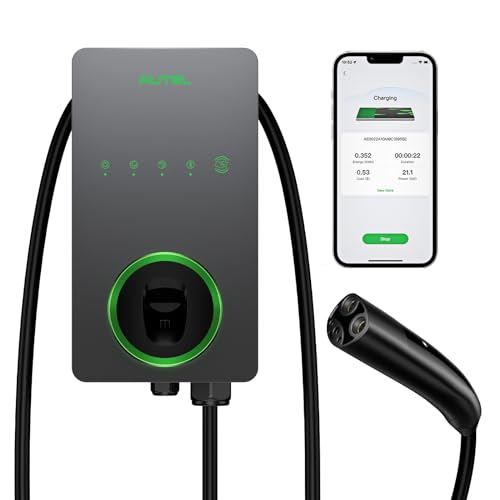
Autel Level 2 Home Smart EV Charger NACS
Why These Options Stand Out
This is the pick that lives in your trunk rather than on your wall. The EVDANCE runs off a NEMA 6-20 plug at 240 volts for roughly 16 amps of output, then drops down to a standard household outlet through its adapter when that is all a location offers. For apartment dwellers or anyone who visits relatives without charging infrastructure, that dual-mode design removes the biggest obstacle to EV ownership.
The 25-foot cable reaches across most driveways, which matters more than it sounds once you have parked nose-in at a friend’s house. Tesla drivers will need a J1772 adapter, worth budgeting for up front.
A Strong Showing
- Switches between 240V fast mode and everyday 120V trickle without extra purchases.
- The long cable covers two-car garages and awkward parking angles.
- ETL-listed construction gives some reassurance on electrical safety standards.
- Packs into a storage bag, so it travels cleanly between home and work.
Honest Caveats
- A 16A ceiling adds miles slowly compared with wall-mounted units; expect overnight sessions rather than top-ups.
- Cable management falls entirely on you, and coiled cords left on garage floors tend to collect dust and scuffs over time.
Key Specs
Who Will Love This
Renters, frequent travelers, and second-car households who need one charger to work anywhere a plug exists.
A Better Fit Elsewhere
Drivers wanting serious speed at home should step up to the EMPORIA 48 Amp station, covered next.
Tesla owners get a simpler equation here: no adapter, no fuss, just a native North American Charging Standard (NACS) connector that plugs straight into the charge port. Where the EVDANCE above targets the broader J1772 crowd, this SEGUMA unit is purpose-built for Tesla vehicles, and that focus shows in how little setup thinking it demands from a first-time EV driver.
Output mirrors the EVDANCE almost exactly, with a 240V mode around 16 amps for faster home sessions and a 120V fallback for ordinary outlets. In practice that means nine to twelve miles of range per hour on a dedicated circuit, enough to recover a typical commute by morning. One thing worth considering: because it is Tesla-specific, it will not serve a mixed-brand household, so a Chevy or Hyundai in the driveway means looking elsewhere.
Where It Helps
- NACS plug connects directly to Tesla ports without buying a separate adapter.
- Dual voltage handles both garage circuits and guest-house outlets.
- Simple operation suits drivers new to home charging altogether.
Points To Note
- Limited to Tesla vehicles, so multi-brand driveways need a J1772 alternative like the VDLPOWERVP below.
- Portable units like this rely on the outlet condition at each location; older wiring may limit real-world amperage.
Right Fit For
Solo Tesla drivers renting an apartment or topping up at work, especially those buying their first charger.
Where A Sibling Pick Shines
Households with both a Tesla and a J1772 car are better served by the EVDANCE charger earlier in this list.
Speed is the entire argument for this station. At 48 amps on a 240V hardwired connection, the Emporia can add range several times faster than any portable unit in this roundup, which translates to a mostly empty battery reaching full during an evening rather than an overnight stay. Long-haul commuters who arrive home depleted benefit most from that headroom.
WiFi connectivity brings scheduling and monitoring into an app, useful for taking advantage of off-peak utility rates where available. Installation is the honest trade-off: this ships preconfigured for hardwiring, so an electrician visit is part of the plan, unlike the plug-in SEGUMA or EVDANCE picks. The 25-foot cable still gives flexible parking once mounted.
Key Advantages
- 48A output dramatically shortens recharge time versus portable options.
- WiFi app control supports scheduled charging windows and remote monitoring.
- Long 25ft cable suits wide garages and shared driveways.
- J1772 connector works across nearly all current non-Tesla EVs.
Small Limitations
- Hardwired installation means professional labor and a dedicated circuit, adding cost beyond the unit itself.
- No plug-in option, so renters cannot take it along when they move.
Feature Rundown
Made For
Homeowners with high daily mileage who want maximum charging speed and already plan an electrician install.
Swap It Out When
Renters or low-mileage drivers get better value from the portable VDLPOWERVP unit reviewed below.
Here is the middle path between trickle charging and a hardwired station. The VDLPOWERVP pulls 32 amps from a 240V NEMA 14-50 outlet, the same receptacle many RV hookups and kitchen ranges use, delivering around 7 kilowatts of output. That is double the pace of the 16A EVDANCE while staying fully portable, a combination that fits a lot of suburban garages well.
An onboard control box monitors the session continuously, with protection against surges and leakage faults built into the design. Owners commonly report that plugging into a properly wired 14-50 receptacle makes setup nearly instant, though verifying your circuit beforehand is always wise. The 20-foot cable trails the EVDANCE’s 25 feet slightly, which rarely matters in single-car bays but can pinch in deeper driveways.
Points In Its Favor
- 7kW output roughly halves charging time compared with 16A portables.
- NEMA 14-50 plug matches a common existing garage or RV outlet.
- Intelligent chip monitoring adds surge and leakage safeguards during sessions.
- J1772 compatibility covers the widest range of EV brands here.
Trade Offs To Consider
- Requires a 14-50 receptacle; homes lacking one face an electrician visit anyway.
- Shorter cable than the EVDANCE, limiting reach in longer driveways.
The Right Fit
Homeowners who already own a 14-50 outlet and want meaningful speed without committing to a wall-mounted station.
Reach For A Different Pick When
Commuters needing the fastest possible turnaround belong with the EMPORIA 48 Amp station instead.
Cold climates change everything about charging hardware, and this Autel addresses that directly. Its 25-foot cable stays flexible in extreme sub-zero temperatures, a detail that matters enormously the first January morning you try to uncoil a stiff cord at 6 a.m. Output tops out near 50 amps on a hardwired 240V feed, putting it alongside the Emporia for raw speed while adding a NACS connector aimed at Tesla drivers.
The companion app handles scheduling and session control, and the housing is rated for outdoor mounting, so a driveway install works where indoor-only stations would not. Like the Emporia, expect professional installation since there is no plug-in option. For Tesla households wanting premium hardware, the SEGUMA portable remains the lighter-duty alternative.
Notable Gains
- Up to 50A output delivers very fast overnight recovery for large batteries.
- Cold-rated cable stays pliable in harsh winter conditions.
- Outdoor-capable enclosure expands mounting locations beyond the garage.
- App control enables remote scheduling and monitoring from anywhere.
- Native NACS connector skips adapters for Tesla vehicles.
Worth Bearing In Mind
- Hardwired-only setup requires an electrician, similar to the Emporia.
- NACS focus means J1772 cars need an adapter, the reverse of the EVDANCE arrangement.
Technical Highlights
Who Should Grab It
Tesla owners in cold-weather regions mounting a station outdoors, who want top-tier speed and app control together.
Not Your Match When
Non-Tesla drivers without an adapter preference will find the EMPORIA J1772 station a cleaner match.
Factors That Matter Before You Buy
Match Amperage To Your Driving
Amperage determines how many miles of range return per hour of charging. A 16A portable adds roughly ten miles hourly, adequate for commutes under forty miles round trip, while 48A or 50A stations can restore a long-range battery in an evening. Check your vehicle’s onboard charger limit too, since some cars cannot accept the full output of a high-amperance station regardless of what you install.
Know Your Outlet And Circuit Situation
Portable units need the right receptacle already in place: NEMA 6-20, 14-50, or a plain 120V household outlet. Hardwired stations require a dedicated circuit and an electrician, typically adding a few hundred dollars to the project. Walk out to your garage and identify what exists before ordering anything.
Connector Type Decides Compatibility
J1772 is the standard plug for most non-Tesla EVs and plug-in hybrids sold in North America. Tesla’s NACS port appears on Teslas directly and increasingly on other brands. Mixed households should favor J1772 plus an adapter, or plan around each car separately.
Portability Versus Permanence
Renters and multi-location drivers gain real value from a bag-and-cable unit they can carry along. Homeowners settled for years usually extract more from a mounted smart station with scheduling features tied to cheaper overnight electricity rates.
Key Considerations Across These Picks
Traps First Timers Fall Into
The most common mistake is buying a 48A station for a car that accepts only 32A, paying for speed the vehicle cannot use. Another frequent misstep involves assuming an outlet exists: verify the receptacle type and breaker capacity before the box arrives. Skipping the electrician consultation on hardwired installs leads to failed inspections and rework.
What Separates Premium From Basic
Higher-tier stations add WiFi scheduling, weatherproof enclosures, cold-rated cables, and higher continuous amperage. Those features pay off for heavy commuters, outdoor installations, and regions with time-of-use electricity pricing. Light drivers charging occasionally lose little by sticking with a capable portable instead.
Frequently Asked Questions
Do all Level 2 chargers work with my EV?
Most do, provided the connector matches. J1772 units cover nearly all non-Tesla vehicles, while NACS connectors fit Teslas natively, and adapters bridge the gap either direction.
Is a portable charger slower than a wall-mounted one?
Usually yes, since portables typically draw 16A to 32A while hardwired stations reach 48A or 50A. The trade-off is flexibility across multiple locations.
Can I install a hardwired charger myself?
Electrical codes generally call for a licensed electrician on hardwired 240V circuits. Professional installation also protects the integrity of the dedicated circuit the station depends on.
Will a Level 2 charger increase my electric bill noticeably?
Charging costs track your mileage, not the charger itself. Faster units simply concentrate the same energy consumption into fewer hours, often during cheaper overnight rate windows.
How long does a typical overnight session take?
A 32A to 50A station restores most depleted batteries within four to eight hours. A 16A portable needs closer to ten or twelve hours for the same result.
Bottom Line
Your driving pattern should drive this decision more than anything else. Short commutes and rental living point toward the EVDANCE or SEGUMA portables, while the VDLPOWERVP hits a sweet spot for homeowners with a 14-50 outlet already waiting. Heavy drivers and Tesla households in cold climates justify the EMPORIA or Autel installations. Match the amperage to the car, confirm the outlet, and any of these five will quietly disappear into your routine.




