


Torque wrenches solve a problem every garage owner eventually learns the hard way: overtightened bolts strip threads, and loose ones back out at speed. Whether you’re torquing carbon handlebars on a weekend bike build or reassembling a cylinder head in a home shop, guessing by feel stops working fast. The five options below cover the full spread, from a three-wrench click set to digital tools with calibration certificates. Each one fits a different kind of workbench and budget, so match the tool to what you actually turn.
A Quick View Of The Lineup

YIYEIE 8Pcs Click Torque Wrench Set with Adapters

VANPO 1/4-Inch Drive Click Torque Wrench for Bike

ACDelco ARM601-34 Digital Torque Wrench Combo Kit
GEARWRENCH 3/8 Drive Electronic Torque Wrench 85076
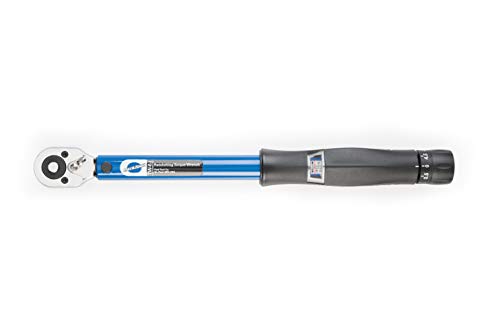
Park Tool TW-6.2 Ratcheting Torque Wrench 3/8-Inch
What Each Pick Brings To The Table
A torque wrench is a socket driver that clicks audibly once your preset tightness level is reached, protecting threads from over-torque. This YIYEIE set bundles three of them, so one purchase covers everything from delicate 1/4-inch bike hardware up to 1/2-inch suspension bolts.
The dual-scale markings let you work in inch-pounds or foot-pounds without mental math, which matters when a service manual switches units mid-job. For anyone assembling a first home toolkit, this is the widest coverage per dollar here.
Good Reasons To Consider
- Three drives (1/4, 3/8, 1/2 inch) mean no buying separate wrenches as your projects grow
- Five included adapters and extension bars reach recessed fasteners without extra purchases
- ±3% accuracy spec is solid for hobbyist automotive and bicycle work
- Sturdy plastic case keeps all eight pieces organized between jobs
Things To Consider
- Click-type mechanisms should be dialed down to their lowest setting after use to preserve spring calibration
- Hobbyist-grade accuracy may not satisfy professional shop requirements
Key Specs
Who It Suits Best
New DIYers building a complete garage setup who want every common drive size covered in a single case.
Where A Sibling Pick Shines
Shoppers focused purely on bicycle work will find the VANPO 1/4-inch wrench lighter and more specialized for low-torque components.
Carbon seatposts, stem clamps, and derailleur mounts live in a narrow torque window where a few inch-pounds too many cracks expensive parts. The VANPO targets exactly that zone, spanning 20 to 240 in.lb, and skips the heavy-duty range you’d never use on a bike anyway.
The click mechanism gives you a distinct sound and feel at target torque, so you can keep eyes on the bolt instead of a display. Compared to the YIYEIE kit above, this trades versatility for a finer focus on low-torque precision work.
Well-Handled Touches
- Dual-range scale reads in both in.lb and Nm, matching most bicycle manual charts directly
- Included 1/4-to-3/8 adapter and 10cm extension bar reach deep bottle-cage and frame bosses
- Click-type feedback prevents the over-tightening that ruins aluminum and carbon parts
Small Caveats
- The 20 in.lb floor leaves a gap for ultra-light fasteners rated below that threshold
- Owners commonly report storing click wrenches at minimum setting to protect internal springs, an easy habit to forget
Right Fit For
Mountain bikers and home bicycle mechanics servicing their own drivetrains, cockpits, and wheel systems regularly.
Skip It When
Anyone needing foot-pound range for car wheels or engine work should step up to the GEARWRENCH electronic model instead.
Digital torque wrenches replace the mechanical spring with a sensor and screen, giving you a numeric readout plus audible and visual alerts. ACDelco ships two here: a 3/8-inch unit covering roughly 3.7 to 37 ft-lbs and a 1/2-inch unit reaching about 147.5 ft-lbs, together handling most passenger-car fastening jobs.
Both come with hard-shell cases and run on AAA batteries, which keeps replacements trivial. Each carries ISO 6789 standards compliance with a calibration certificate, paperwork that matters to anyone documenting shop work. That’s a step beyond anything else in this lineup.
Why It Works Well
- Buzzer plus LED flash notification means you never miss the target moment in noisy garages
- Calibration certificate supports professional documentation needs
- Two wrenches cover brake, wheel, and engine-bay ranges without overlap gaps
- Individual hard cases protect the electronics during transport
Points To Keep In Mind
- Batteries are not included, so plan ahead before the first job
- Electronic units need battery checks before critical work; dead cells mean no readout at all
- No 1/4-inch option for fine bike-level torque
Core Details
Made For
Home mechanics doing regular automotive repair who want verified accuracy and clear alerts rather than listening for a click.
Consider Something Else When
Bicycle-focused users get better value from the Park Tool TW-6.2, whose lower range matches bike fasteners far more closely.
GEARWRENCH built its reputation on hand tools for working technicians, and this single 3/8-inch electronic wrench reflects that orientation. Its span runs from 7.4 up to 99.6 ft-lbs, unusually wide for one drive size, so intake manifolds through lug nuts sit within its envelope depending on your vehicle’s specs.
Against the ACDelco combo, you give up the second wrench and the calibration certificate but gain a simpler, single-tool workflow for general auto work. Owners commonly praise how quickly a numeric display speeds up repetitive fastening compared to squinting at a scale.
Where It Excels
- 7.4 to 99.6 ft-lb range handles most under-hood and wheel tasks with one tool
- Electronic measurement removes scale-reading errors entirely
- 3/8-inch drive balances strength and access in typical engine compartments
Less Ideal Details
- Single drive size limits flexibility versus a multi-size set like the YIYEIE kit
- Battery-dependent operation requires periodic checks before important jobs
Who Should Grab It
Weekend auto technicians who want one dependable electronic wrench covering the majority of car fasteners without carrying a full kit.
Swap It Out When
Documented calibration matters most; the ACDelco ARM601-34 combo includes certificates that this model does not provide.
Park Tool supplies professional bicycle shops worldwide, and the TW-6.2 is a fixture on those benches. Its steel body and dial-adjust click system cover 10 to 60 Nm, the sweet spot for bottom brackets, cassette lockrings, and pedal spindles, with a ratcheting 3/8-inch drive that accepts standard bike sockets.
The dial adjustment differs from the twist-grip micrometer style on cheaper wrenches: you rotate a numbered collar until the desired setting aligns, then lock it in. Shop mechanics tend to favor this layout because settings hold firm during repeated daily use. You pay a premium for that durability, though.
The Upside
- Steel construction stands up to constant shop-floor handling
- Dial-adjust system sets and holds torque values quickly between jobs
- 10-60 Nm range maps cleanly onto most major bicycle component ratings
- Ratcheting head speeds up multi-bolt assemblies like stems and cranks
- Backed by a brand with deep cycling-industry support
A Few Limitations
- Nm-only range won’t suit users working from inch-pound charts without conversion
- Pricier than hobbyist alternatives for occasional home use
Product Snapshot
Whose Shelf It Belongs On
Serious cyclists and home mechanics who wrench weekly and want shop-grade longevity rather than a starter tool.
Another Choice May Suit
Occasional riders tightening only bars and seatposts will find the VANPO’s lower range and friendlier entry point a better match.
What Matters Most Before Choosing Mades In Usa Torque Wrench
Match The Range To Your Fasteners
The single biggest mistake is buying a wrench whose range doesn’t overlap your actual bolts. Bicycle manuals specify values in Nm or in.lb, while automotive manuals favor ft-lbs. Check three or four of your most-serviced fasteners first, then pick a tool whose scale sits comfortably inside them rather than at the extreme edge.
Understand Accuracy And Calibration
Accuracy percentages describe how close the applied torque lands to the setting. Click wrenches drift over years as internal springs relax, so periodic recalibration keeps them honest. Digital models often ship with certificates, useful for documented work, but they depend on healthy batteries and careful storage.
Click Versus Digital Operation
Click wrenches cost less and never need batteries, but they rely on your ear and feel. Digital versions display numbers and alert you with sound and light, which reduces missed targets in noisy spaces. Frequent users usually justify the upgrade; occasional users rarely do.
Storage Habits Protect Your Investment
Every mechanical wrench in this list uses an internal spring that fatigues if left under tension. Dialing the setting to minimum before storage is the habit that separates tools lasting decades from ones drifting out of tolerance in two seasons.
Key Considerations Across These Picks
Traps First Timers Fall Into
Shoppers often grab a wrench whose maximum rating dwarfs their needs, sacrificing fine control at the low end where delicate parts live. Others skip checking whether the scale units match their manuals, forcing constant conversion math. Both problems disappear with ten minutes of spec reading before checkout.
Where The Extra Money Goes
Higher-tier tools buy tighter tolerances, better materials, and calibration paperwork. Steel bodies and certified sensors survive thousands of cycles that budget springs cannot. Spending up makes sense for weekly use; for a twice-a-year tune-up, a well-reviewed midrange click wrench serves just as well.
Frequently Asked Questions
How often should a torque wrench be recalibrated?
Most manufacturers suggest annual recalibration under regular shop use. Occasional home users can stretch longer, though any drop onto concrete warrants a check.
Can I use a torque wrench to loosen bolts?
No, these tools are designed for tightening only. Backing bolts off can damage the internal mechanism and throw off future readings.
What happens if I ignore the click and keep turning?
You apply excess torque past your setting, risking stripped threads or cracked components. Stop immediately once you hear or feel the signal.
Do digital wrenches need batteries to measure accurately?
Yes, a weak battery can affect performance or shut the unit down mid-task. Fresh batteries before important jobs are cheap insurance.
Is a 1/4-inch or 1/2-inch drive better for beginners?
It depends on the work. Bike maintenance favors 1/4-inch, while car wheels and engines call for 1/2-inch. Multi-drive sets remove the guesswork.
Closing Thoughts
Your best choice comes down to honest self-assessment of what you actually tighten. The YIYEIE set suits newcomers wanting full coverage, the VANPO protects fragile bike parts, and the ACDelco combo brings certified digital precision to serious auto work. GEARWRENCH covers general car care with one tool, while the Park Tool TW-6.2 rewards frequent wrenching with shop-grade build quality. Pick the range that matches your projects, store it properly, and it’ll serve you for years.




