


Upgrading a living room theater usually means one thing: choosing between spending big and settling for thin sound. Mid level receivers split that difference, giving you real power, modern HDMI, and immersive audio formats without flagship pricing. This roundup covers five models that handle everything from nightly movie sessions to weekend gaming marathons. Each one suits a different kind of room, listener, and budget mindset.
The Essentials At A Glance

Onkyo TX-NR6100 7.2-Channel THX Network AV Receiver

YAMAHA RX-V6A 7.2-Channel AV Receiver with MusicCast

YAMAHA RX-V4A 5.2-Channel AV Receiver with MusicCast

Denon AVR-X1700H 7.2 Channel AV Receiver with HEOS
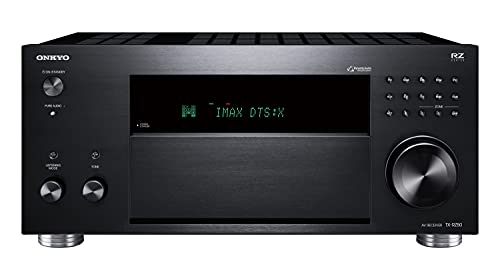
Onkyo TX-RZ50 9.2-Channel THX AV Receiver
The Details Behind The Selections
THX Select tuning is the headline here, a benchmark originally built so cinema audio survives the trip from studio to sofa. In a medium-sized living room, that translates to dialogue that stays anchored and effects that land with weight rather than volume alone.
The TX-NR6100 also runs 5.2.2-channel Dolby Atmos and DTS:X playback, meaning you get overhead effects from two ceiling or height speakers plus a second subwoofer zone. Compared to the Yamaha RX-V4A further down this list, it trades some simplicity for noticeably more channel flexibility.
Notable Upsides
- THX Select performance targets mean movie nights sound closer to a commercial screening room than a TV speaker bar ever will.
- Three 8K-ready HDMI inputs at 40Gbps give next-gen consoles and disc players room to breathe without unplugging anything.
- Discrete Zone 2 audio and video lets you send a different source to a patio or bedroom setup while the main room keeps playing.
- Dynamic Audio Amplification holds its composure during loud action scenes, something owners commonly highlight after long listening sessions.
Points To Note
- At 210 watts per channel into lower impedances, it runs warm in enclosed cabinets, so ventilation space matters.
- Setup menus are dense for newcomers; expect an evening with the manual before everything is dialed in.
Key Specs
Who It Suits Best
Movie-focused listeners who want reference-style sound in a typical family room and plan to run a 5.2.2 speaker layout.
Where A Sibling Pick Shines
Shoppers chasing maximum processing headroom should look at the Onkyo TX-RZ50 below, which adds more channels and Dirac Live correction.
Where the Onkyo leans cinematic, the RX-V6A spreads its attention across the whole household. MusicCast, Yamaha’s multi-room platform, lets compatible wireless speakers around the house play in sync with whatever the receiver is handling, which matters more than most people expect until they live with it.
Connectivity is generous too: seven HDMI inputs with HDCP 2.3 and eARC, including three 8K-capable ports. Voice control works through Google Assistant devices, Siri over AirPlay 2, and Alexa hardware. For a busy home where someone streams Spotify in the kitchen while a film plays in the den, that combination earns its keep.
The Case For It
- Seven HDMI inputs outpace most rivals here, so a console, Blu-ray deck, cable box, and streaming stick all stay plugged in.
- AirPlay 2 and Bluetooth cover Apple households and casual phone streaming without extra boxes.
- MusicCast syncs Yamaha wireless speakers across rooms, turning one purchase into a whole-home audio foundation.
- eARC support sends full-quality audio from smart TV apps back down a single HDMI cable, cutting clutter behind the panel.
- Dolby Atmos decoding gives 7.2 setups proper object-based surround for films and games alike.
Worth Bearing In Mind
- The front panel design divides opinion; some owners find the touch-sensitive controls less satisfying than physical knobs.
- With this many network services onboard, occasional firmware updates are part of ownership, and the app occasionally needs a restart after them.
Quick Facts
Whose Shelf It Belongs On
Households already using Yamaha wireless speakers, or anyone juggling four or more HDMI sources across gaming, film, and music.
Reach For A Different Pick When
If budget is the deciding factor, the YAMAHA RX-V4A delivers much of this same streaming toolkit in a smaller 5.2-channel package.
This is the sensible starting line of the group. Five channels and two subwoofer outputs cover the classic 5.2 layout that fits most apartments and starter homes, yet Yamaha kept the 8K HDMI section intact rather than trimming it to hit a price.
You still get MusicCast multi-room, AirPlay 2, Spotify Connect, and dual-band Wi-Fi, plus YPAO automatic calibration, which measures your speakers with the included mic and adjusts levels for you. First-time builders often report the setup feels far less intimidating than expected because of it.
The Value In It
- Four HDMI inputs with eARC and HDCP 2.3 handle a console, player, and streaming device comfortably in smaller systems.
- YPAO auto-calibration flattens the learning curve, tuning speaker distances and levels in minutes.
- MusicCast carries over from its bigger sibling, so adding wireless speakers later stays simple.
Small Caveats
- Five channels means no native Atmos height support; ceiling-effect formats decode only in downmixed form.
- Four inputs fill up quickly for households with several consoles and legacy gear.
- Power reserves suit small-to-mid rooms best; very large spaces may want the extra headroom of the RX-V6A.
Details At A Glance
Right Fit For
Apartment dwellers and first-time system builders running a straightforward 5.1 or 5.2 arrangement in a modest room.
Another Choice May Suit
Growth-minded shoppers planning height speakers soon should step up to the Denon AVR-X1700H, which decodes full Dolby Atmos and DTS:X.
Denon’s mid-tier entry reads like a checklist of what gamers and streamers actually need. Eighty watts per channel drives most bookshelf and tower speakers confidently, and the HDMI board supports 8K/60 passthrough, select 4K/120 for high-frame-rate gaming, variable refresh rate, and auto low-latency mode.
Those last two deserve plain English: VRR stops screen tearing when frame rates wobble, and ALLM switches your TV into its lowest-lag setting automatically. Alongside Dolby Vision and HDR10+ passthrough, the X1700H is arguably the most console-friendly unit here. HEOS handles multi-room audio duties the way MusicCast does for the Yamahas above.
A Strong Showing
- Select 4K/120 passthrough plus VRR and ALLM makes PS5 and Xbox Series X gameplay smooth on compatible TVs.
- Full Dolby Atmos and DTS:X decoding, with virtualization modes for rooms that cannot fit height speakers.
- HEOS streaming integrates Denon and Marantz wireless speakers for synchronized whole-home playback.
- Alexa voice control lets you change sources or adjust volume hands-free from across the couch.
Things To Consider
- Eighty watts per channel is honest mid-tier output; demanding floor-standing speakers in big rooms may reveal its limits.
Built With In Mind
Console gamers and mixed-use viewers who want current-generation HDMI features without jumping to flagship pricing.
Swap It Out When
Pure two-channel music listeners may prefer the Onkyo TX-NR6100’s amplifier character for stereo-heavy libraries.
The TX-RZ50 sits at the top of this list for a reason: it processes up to 11.2 channels, carries THX Select-level performance targets, and includes Dirac Live room correction. Dirac deserves explanation, since it changes ownership more than any other spec here. Unlike basic auto-setup tools such as YPAO, Dirac measures how your specific walls, furniture, and ceilings distort sound, then corrects timing and frequency response across the whole room.
In practice, owners frequently describe tighter bass and clearer dialogue after running it, especially in rectangular rooms with hard surfaces. Against the TX-NR6100 earlier in this article, you gain four additional processing channels and a materially smarter correction system, at a higher price.
Features That Help
- Dirac Live correction adapts output to your actual room geometry, often the single biggest audible upgrade available at this tier.
- 11.2 channels of processing leave headroom for 7.2.4 layouts with four height speakers and dual subwoofers.
- THX Select benchmarks keep large-volume playback composed during demanding film mixes.
- 8K HDMI passthrough keeps the video chain current for years of console and disc upgrades.
- High-current amplification drives harder-to-run speakers that smaller receivers strain against.
Honest Caveats
- It is physically large and heavy; confirm shelf depth and clearance before ordering.
- Full Dirac setup takes patience, and the included microphone is adequate rather than laboratory grade.
Core Details
The Right Fit
Dedicated theater rooms and enthusiasts building 7.2.4 systems who want correction technology normally reserved for costlier separates.
Look Elsewhere When
Smaller rooms and simpler 5.1 ambitions are better served by the YAMAHA RX-V4A, which costs considerably less for that job.
What Matters Most Before Choosing Mid Level Av Receivers
Match Channels To Your Actual Layout
Count your speakers first, then buy. A 5.1 system needs five amplified channels, while a 7.2.4 layout demands nine or more. Overspending on channels you will never wire wastes money that could go toward better speakers, and undersizing forces an upgrade sooner than planned.
HDMI Inputs Deserve Honest Counting
List every source you own today and expect to own in two years. Consoles, disc players, set-top boxes, and PCs each take a port. Seven inputs like the RX-V6A offers removes daily cable swapping; four inputs works only for lean setups.
Room Correction Shapes Everything
Automatic calibration tools measure your speakers and adjust for distance, level, and room acoustics. Basic versions handle rectangular bedrooms well. Advanced systems such as Dirac Live go further, correcting reflections that muddy dialogue, and they matter most in rooms with hard floors and high ceilings.
Power Ratings Need Context
Watts per channel only tells part of the story. Speaker sensitivity and room size determine how much output you actually hear. Small rooms with efficient speakers run happily on 80 watts, while large open spaces reward heavier amplification sections.
Key Considerations Across These Picks
Traps First Timers Fall Into
The most common mistake is buying for specs instead of the room. A 9-channel powerhouse crammed into a 12-by-14 space delivers little benefit over a 5-channel unit. Ventilation is the second trap: receivers run warm, and封闭 cabinets shorten component life. Leave several inches above and behind whichever model lands on your shelf.
What Separates Premium From Basic
Higher tiers spend your money on three things: more amplification channels, stronger power supplies, and smarter room correction. The jump from the RX-V4A to the TX-RZ50 illustrates it clearly, trading basic calibration for Dirac Live and doubling processing capacity. Pay up when your room is difficult or your speaker plans are ambitious; otherwise the savings serve better spent elsewhere.
Frequently Asked Questions
Do I need an 8K receiver if my TV is 4K?
No, though it future-proofs your setup for a later TV upgrade. Every model listed here passes 4K signals cleanly regardless.
How many speakers does Dolby Atmos require?
The minimum is a 5.1.2 layout: five ear-level speakers, one subwoofer, and two height channels. Virtualization modes approximate overhead effects without those extra speakers.
Can these receivers work without a TV attached?
Yes, all five stream music over Wi-Fi, Bluetooth, or their respective multi-room platforms independently of any display.
Is professional installation necessary?
Most owners complete setup themselves using the guided on-screen wizards and included calibration microphones. Complex in-wall wiring is the only task worth hiring out.
How long do AV receivers typically last?
Well-ventilated units commonly serve ten years or more. HDMI standards evolve faster than the amplifiers do, which is why generous port selection protects longevity.
Closing Remarks
Each receiver here solves a slightly different problem, and that is the point of shopping this tier deliberately. Match the channel count to your speaker plans, count your HDMI sources honestly, and prioritize room correction for tricky spaces. Do those three things and any pick on this list will serve your living room well for years.




