Tight spaces punish full-size sanders. Between chair spindles, knife bevels, weld seams, and door jambs, a bulky machine either can’t reach or removes too much too fast. That gap is exactly where a mini belt sander earns its spot on the bench.
This roundup covers five options spanning corded kits, air-powered body-shop tools, and a cordless polisher that doubles as a detail sander. Each one suits a different kind of work, so the goal here is matching the tool to your projects rather than crowning a single choice.
A Snapshot Of The Selections
3M Mini Belt Sander Assembly (33586)

Blissthrill Mini Belt Sander Kit with 30 Belts

Jellas 7Amp Handheld Belt Sander with Dust Bag

Astro Tools 3036 Air Belt Sander (3/8″ x 13″)
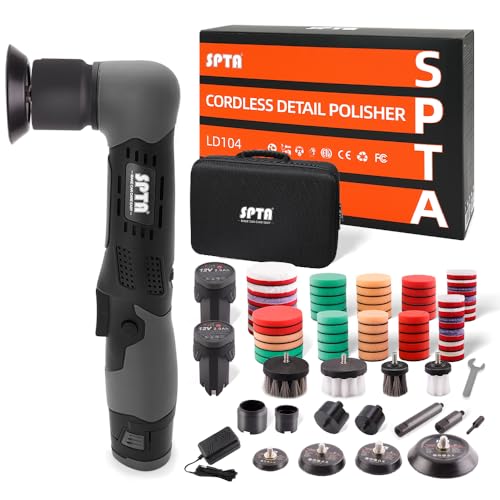
SPTA 12V Cordless Mini Polisher RO/DA
Meet The Standout Selections
The 33586 comes from a company with deep roots in automotive abrasives, and that pedigree shows in where this tool belongs: panel repair, spot blending, and seam work where control matters more than raw power. Shops that live by repeatable results tend to lean on 3M hardware for exactly this reason.
You won’t find a long spec sheet attached to this listing, which makes it a pick based on reputation and intended use rather than numbers. For most home garages, that’s a leap of faith worth taking only when finish quality pays your bills.
What Pays Off
- Backed by a brand known across professional collision and paint shops
- Purpose-built for automotive surface prep and finishing work
- Protection plans covering drops, spills, and breakdowns are available at checkout
- Claims handling is typically quick, filed online or by phone
Points To Keep In Mind
- Detailed specifications aren’t published in the listing, so confirm compatibility before ordering
- Better suited to trade use than casual weekend projects
Whose Shelf It Belongs On
Working auto body techs and restoration specialists who value proven shop-grade tooling over bargain alternatives.
A Better Fit Elsewhere
Hobbyists on a budget will get far more included accessories from the Blissthrill kit further down this list.
Where the 3M unit assumes you already own a full setup, the Blissthrill arrives as a complete starter station. Seven adjustable speeds let you match aggression to the material, and the 330mm x 30mm belts handle blade bevels, small welds, and craft-scale shaping without swallowing your whole bench.
The bundle is the honest selling point here: thirty sanding belts, a grinding wheel, a polishing wheel with wax, twenty sanding discs, an adapter, and wrenches. One thing worth considering, owners commonly report the unit acting unresponsive when the power adapter isn’t seated firmly, so check that connection first.
What It Does Well
- Seven speed settings cover delicate sharpening through heavier grinding
- Thirty included belts mean you’re sanding on day one, not shopping
- Grinding and polishing wheels expand it beyond sanding alone
- Compact footprint suits crowded hobby benches and shared garages
Softer Spots
- Adapter connection needs firm seating, a common early stumbling block
- Small belt width limits coverage on wider surfaces
Key Specs
Right Fit For
Beginning knife makers, jewelry crafters, and DIYers who want one affordable box containing everything they need to start.
Swap It Out When
Anyone flattening tabletops or removing heavy stock should step up to the Jellas handheld instead.
This is the muscle of the group. A 7-amp motor driving the belt past 13 feet per second strips old finishes, evens glued panels, and tames rough lumber far faster than any palm sander could manage. Six speed dials let you dial back for finer passes on softer woods.
The clever bit is its second life as a bench tool: flip it upside down, clamp it to a table with the two included metal C-clamps, and it becomes a stationary sanding station. A lock-on button keeps your hand free during long runs, which matters more than it sounds once you’ve spent an afternoon flattening a desktop.
A Strong Showing
- 7-amp motor delivers serious stock removal on hardwoods
- Converts to a clamped-down bench sander for hands-free work
- Lock-on switch reduces fatigue during extended sessions
- Dust bag captures debris, keeping indoor workshops cleaner
Things To Consider
- Larger 3 x 21-inch format won’t fit inside tight corners like the Astro
- Heavier body demands two-handed control on vertical surfaces
Who Will Love This
Woodworkers refinishing furniture or prepping boards who want one tool that works both in-hand and clamped to the bench.
Where Another Pick Suits Better
Metalworkers chasing weld seams in narrow gaps should look at the Astro Tools 3036 instead.
An air-powered file belt sander lives where electric tools can’t follow: between exhaust pipes, inside frame rails, along door skin edges. The Astro’s slim 3/8-inch-wide belt reaches into those gaps while a simple tension lever swaps belts in seconds, no tools required.
Variable speed control gives you finesse on thin sheet metal, and the non-slip grip helps when gloves and grime enter the picture. Three starter belts ship in the box so you’re working immediately. You’ll need a compressor, though, and that dependency is the whole trade-off in one sentence.
Benefits That Matter
- Narrow belt profile accesses gaps larger sanders physically cannot
- Tool-free belt tension lever speeds up grit changes mid-job
- Adjustable airflow lets you feather pressure on delicate panels
- Three belts included cover coarse through medium prep stages
Small Caveats
- Requires an air compressor, adding cost if your shop isn’t set up for pneumatic tools
- Three included belts go quickly on bigger jobs, so plan resupply
Quick Facts
Who Should Grab It
Fabricators and body techs with compressor access who regularly clean up welds and shaped metal edges.
Reach For A Different Pick When
Cordless convenience around vehicles matters more than reach, which points straight at the SPTA polisher next.
Full-size polishers fight you on bumpers, mirrors, and rocker panels. This 12-volt micro machine, running in rotary or dual-action mode, is built precisely for those cramped spots where a big pad would sling compound everywhere. Its light weight means less wrist strain during longer correction sessions.
SPTA includes both foam polishing pads and wool pads, so light sanding, compounding, and final gloss work all happen with one tool. Stable speed and low noise make garage-evening sessions pleasant. Compared with the corded Jellas, this trades raw power for freedom of movement, and around a car that trade usually wins.
Everyday Advantages
- Cordless design reaches every panel without dragging a cable across paint
- RO/DA modes switch between cutting power and swirl-safe finishing
- Lightweight housing reduces fatigue on multi-panel jobs
- Both foam and wool pads included for varied correction levels
Worth Noting
- Small pad size covers large panels slowly, better as a companion than a sole polisher
- Battery runtime limits marathon detailing days, depending on usage
Feature Snapshot
Best Suited To
Detailing enthusiasts and mobile detailers correcting tight areas like bumpers, pillars, and badge surrounds.
Not Your Match When
Shop users needing continuous all-day runtime will prefer the corded consistency of the Jellas sander.
What Matters Most Before Choosing Mini-Belt Sanders
Match The Tool To Your Material
Wood, steel, and automotive paint each demand different aggression levels. Variable speed control, present on the Blissthrill, Jellas, and Astro picks, is the single feature that separates versatile tools from one-trick units. Fixed-speed machines force compromises that show up as burn marks on softwood or gouged sheet metal.
Power Source Shapes Your Workflow
Corded models deliver steady output for long sessions but tether you to outlets. Air tools like the Astro need compressor infrastructure yet run cool indefinitely. Cordless options prioritize mobility at the cost of runtime. Honest self-assessment of your workspace beats spec-sheet comparison every time.
Belt Size Determines Reach
Narrow belts, such as the Astro’s 3/8-inch width, slip into channels and seams. Wider formats remove material faster across flat faces. Measure the actual gaps in your typical projects before committing, because a half inch of width often decides whether a job is possible at all.
Factor In Consumables From Day One
A sander without belts is a paperweight. Bundles like Blissthrill’s 30-belt kit front-load months of use, while bare tools require immediate extra spending. Check replacement belt availability and pricing for whichever model catches your eye.
Key Considerations Across These Picks
Traps First Timers Fall Into
The classic mistake is buying for power instead of access. A 7-amp motor means nothing inside a door jamb. Shoppers also overlook consumable costs and adapter quirks, then blame the tool. Read what ships in the box, and confirm your workspace supports the power source.
Where The Extra Money Goes
Higher-tier models spend your money on motor durability, bearing quality, and refined ergonomics rather than headline wattage. That shows up as years of daily use without wobble or overheating. Trade professionals recoup that premium fast; occasional DIYers rarely notice the difference.
Frequently Asked Questions
What is a mini belt sander used for?
It sands, grinds, and shapes in spaces full-size sanders can’t reach, such as knife bevels, weld seams, and furniture joints. The compact belt also offers finer control for detailed work.
Can a mini belt sander sharpen knives?
Yes, especially models with multiple speed settings and narrow belts. Low speeds with fine grits let you hone an edge gradually without overheating the blade.
Do air-powered belt sanders need special equipment?
They require an air compressor supplying adequate pressure and volume. Without one already in your shop, the total setup cost rises considerably.
How often do sanding belts need replacing?
It depends entirely on material hardness and usage frequency. Softwood may wear a belt slowly, while metal grinding can dull grit in a single session.
Is a mini polisher the same as a belt sander?
No, a polisher uses rotating pads for buffing and light correction, not abrasive belts. Some, like the SPTA, accept sanding attachments, but their core purpose is finishing rather than material removal.
Closing Thoughts
The right choice here comes down to your bench, not the spec sheets. Knife makers and crafters get the fullest package from the Blissthrill kit, woodworkers strip stock fastest with the Jellas, and metal fabricators will reach for the Astro daily. Auto enthusiasts round things out with the SPTA. Match the tool to the work waiting in your garage, and any of these five will earn its shelf space.