


Hanging pickets is repetitive work, and a good nail gun turns a long afternoon into a satisfying one. A brad nailer with the right gauge and length range leaves clean holes that vanish under paint or stain, while a mismatched tool splits cedar, leaves proud heads, or makes you reload every two minutes. The five picks below cover the most common fence-picket scenarios, from quiet weekend driveway runs to full perimeter builds where battery freedom actually matters.
The Shortlist At A Glance
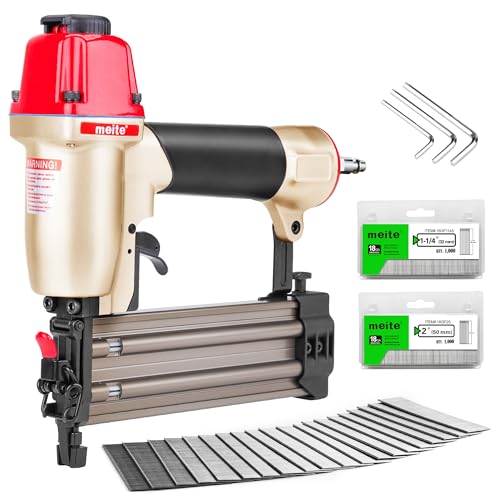
meite F50C Pneumatic Brad Nailer (1-1/4″, 2″)
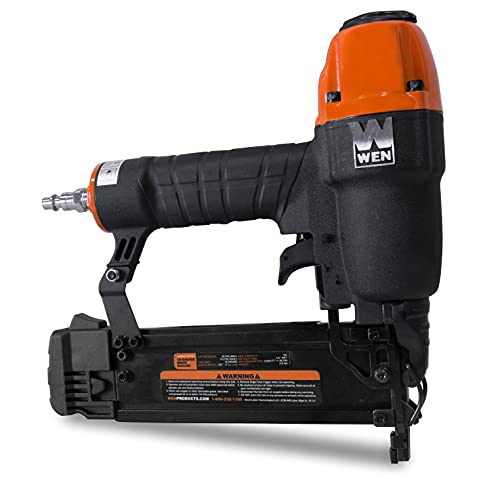
WEN 18-Gauge 3/8-Inch to 2-Inch Pneumatic Brad Nailer (61721)
Cordless 18GA Brad Nailer for Dewalt Battery, 5/8″–1-1/4″

MtiolHig Cordless 2-Inch Brad Nailer for Dewalt 20V

Cordless 2″ Brad Nailer for Dewalt 20V, 2-in-1
What Each Pick Brings To The Table
The meite F50C is a 18-gauge pneumatic brad nailer, a tool that drives thin-head nails meant to leave nearly invisible holes in trim, casing, and yes, fence pickets. It comes with a generous starter load, roughly 1,000 nails in each of the two most useful lengths, so the first fence section goes down without a separate supply run.
Working pressure spans 70 to 100 PSI (pounds per square inch, a measure of compressor output), and the air inlet uses a standard 1/4 NPT fitting (a common threaded connector for shop air lines). For most backyards with a 6-gallon pancake compressor, that lands in the comfortable middle of the operating window.
Bright Spots
- 2,000 brads included, so fence day one starts without a parts run
- Standard 1/4 NPT inlet pairs with virtually any home compressor
- 18-gauge head leaves small holes that disappear under exterior paint or stain
- Accepts both 1-1/4″ and 2″ brads, covering most common picket thicknesses
Things To Consider
- Needs a compressor and hose, which adds setup and a tail to drag around the yard
- Operating at 70-100 PSI means a small 2-gallon compressor may cycle constantly on long runs
Built With In Mind
First-time fence builders who already own or plan to buy a compressor, want a complete nail-and-gun package, and appreciate not making a separate trip for brads.
Look Elsewhere When
The MtiolHig cordless 2-Inch Brad Nailer suits anyone working far from a power outlet, such as a long side yard or a rural property without convenient compressor access.
The WEN 61721 stretches from 3/8″ brads all the way to 2″, a wider range than most entry-level pneumatic nailers offer. For fence work that range is genuinely useful, because thin 1/2″ cedar pickets and beefy 1″ dog-ear pine boards want very different fasteners. The magazine holds up to roughly 100 brads, which keeps reloads infrequent on a typical 50-foot run.
PSI tolerance is broad at 60 to 115, so the tool plays well with a budget 3-gallon pancake or a larger shop compressor. Compared with the meite F50C above, the WEN trades included fasteners for that extra length versatility, which matters if your picket profile varies across the build.
Everyday Advantages
- Length range from 3/8″ to 2″ handles thin trim and thick pickets in one tool
- Wide 60-115 PSI window suits most home compressors
- Spring-loaded magazine makes reloads fast on long fence runs
Points To Note
- Sold without a starter nail assortment in many bundles, so budget for a box of brads
- Pneumatic design means a hose and compressor must travel with you across the yard
- Lightweight body, but you may find rubber grip texture less cushioned on full-day sessions
Whose Shelf It Belongs On
DIYers with a compressor in the garage who want a single brad nailer to cover fence pickets, baseboard, and picture-frame trim without swapping tools.
Reach For A Different Pick When
The meite F50C is a better match for someone who would rather have 2,000 starter nails in the box than a slightly wider length range.
This cordless 18-gauge nailer runs on a Dewalt 20V battery (sold separately), which makes it the lightest picket-hanging option in the roundup at roughly 5.9 pounds with a pack. The 2-in-1 design switches between 18-gauge brads from 5/8″ to 1-1/4″ and 18-gauge staples from 5/8″ to 1″, which is convenient when a fence section ends and the trim begins.
Two firing modes, sequential for precision and a contact mode for speed, let you slow down on face-nailed pickets and accelerate along the rails. Where the WEN above drags a hose behind you, this one is genuinely free, so a 100-foot run to a back corner no longer means threading air line through the garden.
The Value In It
- Battery power removes the hose-and-compressor tail from the workflow
- 2-in-1 brad and staple functionality covers pickets, trim, and backing in one tool
- Brushless motor (a motor with no physical brushes, which tends to last longer and run cooler) for longer runtime and cooler operation
- Two firing modes suit both detail work and long horizontal runs
Honest Caveats
- Max 1-1/4″ brads limit it to thinner pickets, so 1″ rough-sawn cedar is the practical ceiling
- Tool only, no battery, so factor in a Dewalt 20V pack if you do not own one
- Owners commonly report the staple nose piece needs a small adjustment swap between modes
Right Fit For
Homeowners with a Dewalt 20V collection who fix one fence section, hang a gate, or do small trim repairs without dragging out a compressor.
Where Another Pick Suits Better
The MtiolHig Cordless 2-Inch Brad Nailer is the better tool for full perimeter fence builds, since it reaches the 2″ brads most picket profiles need.
The 2026 version of the MtiolHig cordless brad nailer takes the same Dewalt 20V battery platform as the smaller model, but extends drive depth to a full 2″. That single spec change opens up thick cedar, redwood, and pressure-treated pickets that the 1-1/4″ version cannot fully seat. The 2-in-1 magazine also accepts 18-gauge staples, so the same tool handles the screen molding around a gate or the trim cap on top of a fence.
At 7.2 pounds it is heavier than the compact cordless pick above, but you gain reach and a brushless motor that tends to keep its speed as the battery drains. Owners commonly report a single 5Ah pack drives several hundred brads before the tool slows, which is enough for a 40-foot fence run between swaps.
Strengths Worth Knowing
- 2″ brad capability covers the picket profiles most fence projects actually use
- Dewalt 20V compatibility lets you share batteries across an existing tool kit
- Brushless motor for consistent drive depth and longer service life
- 2-in-1 brad and staple functionality means one tool for pickets, trim, and backing
Trade-Offs To Consider
- Tool-only sale, so a Dewalt 20V pack is a separate purchase if you do not already own one
- Heavier than compact cordless options, which can fatigue the wrist on overhead cap work
- You may find depth adjustment takes a couple of test fires to dial in on dense hardwoods
Best Suited To
Contractors and serious DIYers running a full-day fence build who want cordless freedom plus the 2″ reach the smaller MtiolHig model lacks.
Swap It Out When
The WEN 61721 is a smarter choice for shoppers on a tight budget who already own a compressor, since it covers the same length range at a lower entry point.
This sibling to the MtiolHig above also pushes 2″ 18-gauge brads and runs on the same Dewalt 20V battery family, with the same 2-in-1 brad and staple capability. At 7.2 pounds it sits in the same handling class, and the brushless motor is built for the kind of continuous drive cycles a long fence section demands.
The real reason to consider this variant over the previous one is often availability and minor accessory bundles, since the two listings overlap heavily on specs. For a fence project that ends with a top cap or privacy screen, the staple function means the same tool handles both jobs without a swap.
Points In Its Favor
- 2″ brad range covers standard 1″ and 5/8″ picket thicknesses cleanly
- 2-in-1 design swaps between brads and staples for fence plus finishing work
- Brushless motor for steady drive depth across a full battery cycle
- Dewalt 20V compatibility keeps the platform simple for existing tool owners
Small Caveats
- Tool only, so a 20V battery is a separate purchase for newcomers to the platform
- Heavier than pneumatic brad nailers in the roundup, which matters on long overhead runs
- Spec overlap with the other MtiolHig 2″ model means the right pick often comes down to what is in stock
Who Should Grab It
Shed builders and weekend renovators who want one cordless tool to cover fence pickets, gate trim, and interior finish work without juggling separate nailers and staplers.
A Better Fit Elsewhere
The meite F50C is a smarter grab for someone setting up a workshop from scratch, since it ships with 2,000 brads and only needs a basic compressor to start.
Choosing The Right Brad Nailer For Fence Pickets
Gauge And Length Coverage
Most fence pickets are 5/8″ to 1″ thick, and an 18-gauge brad from 1-1/4″ to 2″ seats flush without splitting cedar. Shorter brads leave proud heads, and longer brads can poke through the back side of thin stock. A tool that covers at least 1-1/4″ to 2″ handles almost every standard picket profile, and a wider range adds room for trim caps and screen molding.
Pneumatic Versus Cordless
Pneumatic brad nailers cost less and run all day on a compressor, but they drag a hose across the yard. Cordless models with a brushless motor trade a higher entry price for hose-free freedom, which becomes a real time-saver on long runs. Workshops with a compressor already in place usually favor pneumatic, while properties without shop air lean cordless.
Magazine Capacity And Reload Frequency
Fence picket work burns through brads quickly, and a magazine that holds 80 to 100 nails cuts reload stops. Smaller magazines slow you down on long runs, especially with thin 18-gauge brads that strip into the chamber by the dozen. A higher capacity magazine paired with a quick-release latch keeps momentum up.
Weight, Grip, And Comfort
Hanging pickets involves thousands of trigger pulls and a lot of overhead work, so a tool under 6 pounds reduces wrist fatigue. Heavier cordless options add reach but tire you out faster, and rubberized grips matter more on long sessions than on short trim work. Try the grip before committing when possible, since comfort is hard to judge from a spec sheet.
Key Considerations Across These Picks
Wrong Turns To Avoid
Buying a 16-gauge nailer thinking thicker is better usually ends in split pickets, since 16-gauge holes are visible without putty. Skipping the battery in a cordless purchase is another common slip, since tool-only listings mean the actual usable cost is much higher than the headline. Finally, ignoring PSI requirements leads to a nailer that fires weakly or not at all on a small compressor.
When Paying More Pays Off
The jump from pneumatic to brushless cordless costs real money, and the return shows up in mobility, faster setup, and motor longevity. Premium cordless models also tend to add depth-of-drive adjustment, dual firing modes, and a 2-in-1 brad and staple head, which collapses two tools into one. For a one-time fence repair the pneumatic picks are the honest value, while a full perimeter build or a working contractor often earns back the cordless premium within a season.
Frequently Asked Questions
What gauge brad nail works best for fence pickets?
An 18-gauge brad in the 1-1/4″ to 2″ range seats cleanly into most standard picket thicknesses, including cedar, pine, and pressure-treated boards. Thinner 23-gauge pins lack the holding power, and 16-gauge nails tend to split cedar along the grain.
Can a brad nailer handle pressure-treated lumber?
Yes, with stainless or hot-dip galvanized brads to resist the corrosive treatment chemicals. Standard electro-galvanized brads can stain and weaken over time on treated pine, so fastener choice matters as much as the tool choice.
Do I need a compressor for a brad nailer?
Only for pneumatic models, which require a compressor and a 1/4 NPT air hose. Cordless brad nailers run on 18V or 20V battery platforms and skip the compressor entirely, which is a real advantage for fence work far from a garage outlet.
How deep should brads sit in a fence picket?
Flush with the surface is the goal, so the brad head neither sticks out to catch a glove nor punches below the wood fiber. A nailer with tool-free depth adjustment makes dialing that in fast across different wood densities.
What safety gear should I wear when nailing pickets?
Safety glasses protect from flying wood chips, and hearing protection matters during long pneumatic sessions. Closed-toe shoes are essential because brads that miss the picket can ricochet off the rail below and end up at foot level.
Bottom Line
A 1-1/4″ to 2″ 18-gauge brad nailer covers the majority of residential fence picket work, and the choice between pneumatic and cordless comes down to whether a compressor is already part of your shop. The meite F50C is the smart grab for a one-and-done package, the WEN 61721 is the budget compressor pick, and the two MtiolHig cordless models earn their place for hose-free freedom. Match the tool to your yard, your battery shelf, and the scope of the build, and the pickets go up fast.




