


Welding and metalwork don’t always need a 200-amp MIG rig. Plenty of plumbing repairs, automotive patches, HVAC brazing, and farm fabrication tasks actually come together faster with a portable oxy acetylene setup. The catch is finding a kit that won’t leave you short on tips, regulators, or hose the first time you pull it out of the tote. After sorting through dozens of options, these five stand out for the kind of work most home and shop users actually tackle.
The Lineup, Simplified
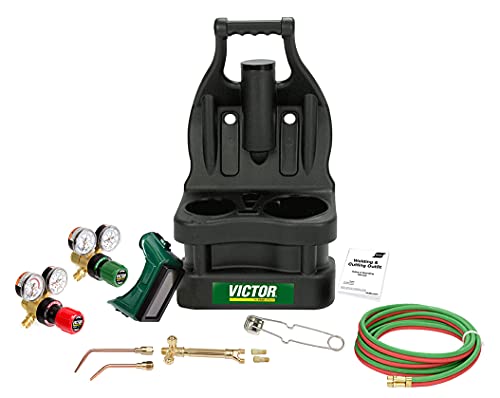
ESAB Victor 0384-0945 G150 J-P Light Duty Gas Welding Tote Kit
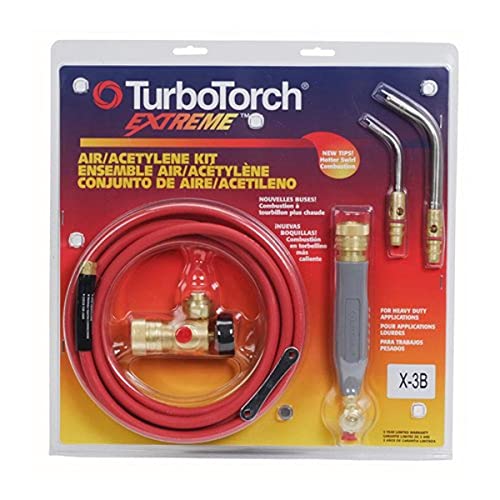
Thermadyne TurboTorch 0386-0335 X-3B Air Acetylene Torch Outfit

RX WELD Light Duty Oxy-Fuel Welding and Cutting Torch Kit

RX WELD Medium Duty Torch Kit with Check Valves

RX WELD Medium Duty Oxy Acetylene Cutting Torch Kit with Check Valves
More On The Choices That Made The List
The Victor name carries serious weight in gas welding, and the G150 tote kit leans into that heritage. It bundles a 103-01FP torch handle, a striker, R150-200 and R150-540 regulators, 12.5 feet of 3/16-inch hose, goggles, and a tank key into a portable carrying case. The kit ships without tanks, so you bring your own oxygen and acetylene cylinders to the party.
This setup fits the person who already knows they want a brand with deep service support and replacement parts availability. For weekend auto restoration, plumbing sweat work, or small fabrication, the regulator pair and proper hose length let you move around a job without dragging the cylinders behind you.
Points In Its Favor
- Regulators and torch handle come from a long-established American gas-welding line, so fittings and consumables are easy to source down the road.
- The 12.5-foot hose gives real working reach between the torch and the cylinders, useful in a garage or shop where tanks sit against a wall.
- Tote-style storage keeps the goggles, striker, and tank key together so nothing wanders off between jobs.
- Backed by ESAB’s broader welding and cutting catalog, which matters when you eventually want to add tips or swap a regulator.
Trade Offs
- Light-duty classification means thicker plate work or extended cutting sessions will push the kit past its comfort zone.
- Tanks are not included, which is fine for seasoned users with cylinders on hand but adds an extra purchase for first-timers.
Feature Snapshot
Who It Suits Best
Home shop users with some gas-welding experience who want a name-brand setup for occasional brazing, light cutting, and repair work.
Look Elsewhere When
The RX WELD Medium Duty Torch Kit with Check Valves makes more sense if you need to cut 6-inch steel or run a longer session and value the safety of built-in check valves.
The TurboTorch X-3B takes a different path than the Victor kit. Instead of oxy acetylene, it runs on air acetylene, meaning you only need one cylinder (fuel) plus a small air pump or shop air supply. The kit includes an AR-B regulator, G-4 handle, and AH-12 hose along with swirl-flame tips.
That swirl-flame design is the real story. Instead of a straight jet, the flame spirals out of the tip, wrapping around the workpiece for more even heating. You can see the appeal for refrigeration, plumbing, and HVAC work where heat needs to soak into copper or thin steel quickly without blowing through it.
What Earns Its Place
- Swirl-flame technology concentrates heat on the workpiece and stays stable in breezy or drafty conditions, which is a real asset on rooftop HVAC jobs.
- Color-coded O-rings on the quick-disconnect tips make fuel identification fast, reducing the chance of cross-connecting tips mid-job.
- Single-fuel setup simplifies transport, especially for service techs driving between calls.
Worth Noting
- Not a true oxy acetylene setup, so it cannot cut steel the way the other kits in this list can.
- Air acetylene tops out at lower flame temperatures than oxy acetylene, which limits it on heavy brazing and welding tasks.
Made For
HVAC service techs, plumbers, and refrigeration pros who need portable brazing heat without hauling two cylinders to every call.
Consider Something Else When
The ESAB Victor 0384-0945 G150 tote is the smarter pick for hobbyists who want a general-purpose gas welding setup, not a dedicated brazing torch.
RX WELD built this kit with A-size regulators (CGA540 for oxygen and CGA200 for acetylene), which means it pairs with the smaller portable cylinders rather than the full-size tanks you see at welding supply shops. For a hobbyist running a garage bay or a contractor jumping between sites, that smaller footprint actually matters.
The package targets light-duty brazing and small welding jobs: think HVAC repairs, thin sheet metal work, copper-to-copper joints, and craft projects. It is not the kit to grab for cutting thick plate, but for the kind of finesse work most people picture when they think “oxy acetylene,” it lines up well.
Positive Points
- A-size regulator setup makes the kit easier to carry into tight spaces and lighter to transport in a work van.
- Designed for HVAC and light brazing from the start, so the included tips tend to match real-world service work rather than industrial plate welding.
- Portable layout helps first-time users get oriented without wrestling with heavy cylinders.
Room For Improvement
- Light-duty rating means heavier fabrication or extended cutting sessions will quickly outpace the kit.
- Regulator connectors are sized for A cylinders, so anyone with existing B-size tanks will need adapters or different fittings.
Best Suited To
New gas-welding users, HVAC apprentices, and craft-focused metalworkers who want a portable setup for precision tasks.
Skip It When
The RX WELD Medium Duty Torch Kit with Check Valves is the better call for anyone regularly cutting steel up to 6 inches or working thicker than half-inch plate.
The medium-duty step up from RX WELD adds two features that experienced users notice immediately: integrated check valves and larger 2.5-inch diameter regulators. The check valves sit at the torch and regulator, stopping flashback (a dangerous reverse flow of flame back into the hose or regulator) from traveling up the line.
Source specs put clean cuts up to 6 inches and welding or brazing on material up to 1/2 inch thick within reach when paired with the right tips. That covers scrap-yard slicing, farm equipment repair, and most automotive frame work without taxing the system. The regulator pair uses CGA-510 acetylene and CGA-540 oxygen fittings, which excludes MC and B tank sizes, so plan cylinder choices accordingly.
Advantages To Know
- Built-in check valves add a real safety layer for anyone working around flammables or running long hose runs.
- 2.5-inch regulators support higher flow rates, which is what enables those 6-inch cuts and thicker brazing passes.
- Heating nozzle kit broadens the use cases beyond basic cutting, useful for heat-shrinking, bending, or preheating welds.
Points To Keep In Mind
- CGA-510 acetylene fitting does not work with MC or B-size acetylene cylinders without an adapter.
- Check valves require occasional inspection and cleaning, so storage in a dry, clean case is recommended.
Who Will Love This
Farm shop owners, auto repair techs, and serious DIY welders cutting thicker steel and running longer sessions.
A Better Fit Elsewhere
Light hobbyists and HVAC techs will find the RX WELD Light Duty Oxy-Fuel Welding and Cutting Torch Kit easier to handle and better matched to thin-gauge work.
This kit shares most of its bones with the medium-duty RX WELD above, including the 2.5-inch regulators, CGA-510 acetylene and CGA-540 oxygen connectors, and integrated check valves. The difference is the standard tip configuration skews toward cutting rather than balanced welding and cutting.
For someone whose main job is slicing steel plate, pipe, or rebar, that tip selection saves the trouble of buying extra cutting nozzles later. The same 6-inch clean cut and 1/2-inch welding or brazing ceiling applies when you match the right tip to the job.
Everyday Wins
- Cutting-focused tip package means a smoother first-day experience for users who mostly need to cut, not weld.
- Same 2.5-inch regulator body as the heavier RX WELD kit, so gas flow stays consistent during longer cuts.
- Check valves come standard, a meaningful upgrade over kits at similar prices that leave safety hardware as an add-on.
Possible Compromises
- Standard cutting emphasis means fewer brazing or welding tips out of the box than a balanced kit.
- CGA-510 acetylene connector excludes MC and B acetylene cylinders, so tank compatibility should be confirmed before purchase.
The Right Fit
Shops and homeowners focused on cutting plate, pipe, and structural steel who want a medium-duty system with safety valves built in.
Reach For A Different Pick When
The TurboTorch X-3B is a better match for service techs who need brazing heat only and want a single-fuel, lighter kit to carry.
What To Weigh Before Choosing Your Oxy Acetylene Torch Kit
Cut, Weld, or Braze First
Start by being honest about 80% of the work you plan to do. If cutting plate, pipe, and scrap steel is the priority, a medium-duty oxy acetylene kit with 2.5-inch regulators and the right cutting tip is worth the extra weight. If brazing copper and HVAC repairs dominate, a lighter setup or an air-acetylene torch like the TurboTorch X-3B can be more practical. Buying a kit that does everything poorly is rarely as useful as one that does your main job well.
Cylinder Fittings Matter More Than You’d Think
Regulator connectors (CGA codes) determine which tanks your kit will accept. CGA-540 for oxygen is nearly universal in the US, but acetylene fittings vary: CGA-200 pairs with small A-size cylinders, CGA-510 fits standard B-tanks, and MC acetylene uses yet another fitting. Verify cylinder type before ordering, since adapters add cost and potential leak points.
Safety Hardware Worth Paying For
Check valves and flashback arrestors sit inside the torch handle and regulator to stop flame from traveling back into the hose or cylinder. They cost a little more up front, but for any work that involves long sessions or enclosed spaces, they pay for themselves the first time a flashback tries to happen. Kits that skip this hardware are fine for short, supervised tasks, but serious users should look for it included.
Portability vs. Performance
Bigger regulators deliver more flow, which translates to cleaner cuts and stronger brazing beads. The trade-off is weight. A medium-duty kit in a hard case can run 20+ pounds before adding cylinders, while a light-duty A-size setup is far easier to load into a service van. Match the kit’s weight class to how often you actually move it.
Key Considerations Across These Picks
Mistakes Worth Dodging
Skipping the cylinder-fitting check is the single most common stumble. Shoppers see “oxy acetylene kit” and assume any tank will fit, then end up with regulators that do not match their existing acetylene supply. Always confirm the CGA numbers on both regulators before completing a purchase.
Where The Extra Money Goes
The jump from a light-duty kit to a medium-duty package pays for larger regulators, integrated check valves, and a more complete tip selection. For occasional hobby work, those upgrades feel like overkill. For anyone cutting steel regularly or running longer sessions, they translate to cleaner cuts, fewer interruptions, and a meaningful safety margin that cheaper kits simply do not offer.
Frequently Asked Questions
What size acetylene tank pairs with these kits?
Most medium-duty oxy acetylene kits use CGA-510 fittings, which match standard B-size acetylene cylinders (the common 145-cubic-foot size). Light-duty kits with CGA-200 fittings pair with smaller A-size cylinders, which are easier to transport but hold less fuel.
Can one kit handle both cutting and brazing?
Yes, most full oxy acetylene kits include both cutting and welding or brazing tips. The torch handle accepts different tips for different jobs, and swapping them takes seconds. Cutting tips have more preheat holes, while welding tips use a single focused flame.
How often should regulators be inspected?
For shop or hobby use, a quick visual check before each session and a leak test every few months is a reasonable routine. Regulators used in production environments should be tested annually by a qualified service shop, and any unit that shows damage or pressure creep should be pulled from service immediately.
Are check valves really necessary?
Check valves and flashback arrestors are not legally required for every user, but they add a meaningful safety layer. They block reverse flame flow that could otherwise travel into the hose or regulator, which is a real risk during tip changes or back-pressure events. For any kit that sees regular use, they are a smart upgrade.
What is the difference between air acetylene and oxy acetylene?
Air acetylene uses one fuel cylinder plus a small air pump or shop air, while oxy acetylene uses two cylinders (oxygen and acetylene). Oxy acetylene burns hotter, which is why it can cut steel, while air acetylene is usually limited to brazing and softer heating tasks.
Bottom Line
The right kit comes down to your main job, the cylinders you already own, and how much weight you can carry to the work. The ESAB Victor tote is the most established pick for general home-shop use, the RX WELD medium-duty kits handle real cutting and thicker work, and the TurboTorch X-3B is a specialist tool for service techs. Pick the one that matches your most common task, and the rest of the details tend to fall into place.




