


Chalk paint has a reputation for being thick, sometimes lumpy, and demanding a soft, even hand, so the sprayer you choose has to deliver a fine atomization without forcing endless thinning. The wrong nozzle clogs mid-coat, the wrong pressure spits on a freshly waxed dresser, and the wrong cup size means constant refills on a kitchen cabinet run. This roundup focuses on sprayers that handle the viscosity quirks of chalk paint, balance control with output, and suit a range of workshop styles from occasional furniture flips to frequent refinishing work. The list below mixes serious workhorses, hobbyist-friendly HVLP units, and one budget grab-and-go option that surprises for casual projects.
An Overview Of The Picks

Wagner Control Pro 130 HEA Paint & Stain Sprayer
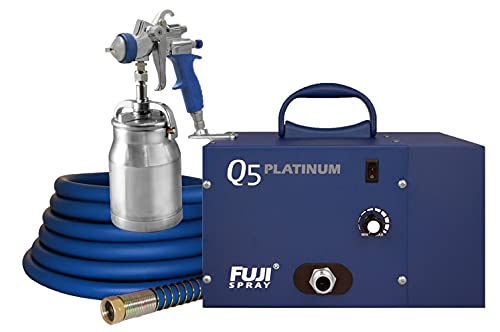
Fuji Spray 3005-T70 Q5 Platinum HVLP System

Wagner Control Spray QX2 HVLP Stain Sprayer

Wagner FLEXiO 570 HVLP Paint & Stain Sprayer

CUIOFREE 1000W Electric Spray Paint Gun
A Deeper Look At The Lineup
The Wagner Control Pro 130 HEA is the airless option in this group, and that’s an important distinction for chalk paint users who push thick finishes through a system all day. HEA stands for High Efficiency Airless, a technology designed to soften the spray pattern and reduce the fine mist that normally drifts around an airless rig. In a garage or workshop, that means less masking and more time actually spraying, especially on large dressers, cabinet doors, or a stack of dining chairs.
Compared to the Fuji Q5 below, this unit is less about furniture-shop precision and more about throughput. You trade some of that fine atomization for raw coverage speed, which is the right call when a single project means a dozen pieces in a row.
Good Reasons To Consider
- Airless pressure handles thicker chalk paint blends with less thinning than most HVLP rigs demand
- Reduced overspray keeps the surrounding shop area cleaner, which matters in a shared workspace
- Continuous flow design suits long production runs on cabinet doors or matched sets
- Pulls from a larger container setup, so you spend less time refilling mid-coat
Things To Consider
- Bigger footprint than handheld HVLP units, and the hose setup takes up floor space
- Airless rigs demand thorough flushing between finishes to avoid clogging the pump
- Less ideal for very small decorative pieces where a turbine HVLP offers more control
Key Specs
Built With In Mind
Refinishers running multiple chalk-painted pieces a week and cabinet makers who want airless output with manageable mist.
Consider Something Else When
The Fuji Spray 3005-T70 Q5 suits you better for fine-detail refinishing where turbine precision matters more than raw coverage.
The Fuji Spray Q5 Platinum is the only turbine-based HVLP system in this lineup, and it earns its spot by solving a problem most sprayers ignore: noise. A 5-stage turbine (a motor that builds pressure through five internal fan blades rather than a single compression stage) running through Fuji’s Heat Dissipation Chamber runs noticeably quieter than competing HVLP rigs, and that’s a real quality-of-life gain if your shop shares a wall with living space or you work evenings.
For chalk paint specifically, the trade-off is real. HVLP systems atomize through a high volume of air at lower pressure, which gives a soft, controlled fan pattern ideal for furniture but does require thinning heavy chalk paint slightly more than the airless Control Pro 130 above.
What Makes Sense
- 5-stage turbine delivers stronger atomization than entry HVLP units, helping chalk paint lay down evenly
- Proprietary heat management keeps the motor running cooler during long sessions
- Quieter operation suits home workshops and shared spaces
- Pro-grade finish quality on detailed furniture profiles and turned legs
Points To Keep In Mind
- Premium price tier that may not suit casual hobbyists
- HVLP setup rewards careful thinning, and chalk paint formulas vary batch to batch
- Turbine unit stays tethered to the spray gun via hose, limiting reach into tight corners
The Right Fit
Serious furniture refinishers and small-shop professionals who want a quiet turbine and pro-grade atomization.
Reach For A Different Pick When
The Wagner Control Pro 130 HEA fits better for high-volume cabinet runs where airless throughput beats turbine precision.
The QX2 is the lightweight handheld option in this roundup, and it’s the sprayer most weekend chalk painters reach for first. Three spray patterns cover the common furniture shapes you actually spray: horizontal, vertical, and a focused round pattern for chair spindles or carved drawer fronts. It uses HVLP technology, meaning it atomizes paint through a high volume of low-pressure air, which is gentler on chalk paint than airless but still delivers a noticeably faster coat than brushing.
Against the FLEXiO 570 below, the QX2 is simpler and lighter, but it doesn’t separate into a handheld detail unit, so reaching inside a cabinet box is a bit more awkward.
Practical Advantages
- Three spray patterns cover flat panels, edges, and detail work without swapping tips
- Compact handheld form makes it easy to bring to a flea market haul or garage sale find
- Straightforward controls help first-time sprayers avoid common chalk paint mistakes
- Quicker cleanup than brush and roller on small projects
Honest Caveats
- Smaller cup means frequent refills on a full dresser or kitchen table
- Less power than the FLEXiO 570, so heavy chalk paint may need extra thinning
Who Should Grab It
Hobbyists flipping small furniture pieces and beginners testing spray application before committing to a larger rig.
A Better Fit Elsewhere
The Wagner FLEXiO 570 suits you better for bigger indoor projects where a detachable handheld and higher output make a real difference.
The FLEXiO 570 splits the difference between the QX2 above and the Fuji Q5, and for many home refinishers it lands right in the sweet spot. The iSpray nozzle handles broad surfaces like a tabletop or a set of cabinet doors, and the whole spray head detaches into a handheld unit for smaller projects, which is why “FLEXiO” is in the name. That’s a feature the QX2 doesn’t offer, and it makes a real difference when you’re working on a secretary desk with cubbies.
For chalk paint users, the appeal is versatility. You can spray unthinned paint on most interior surfaces, and the wide pattern adjustment keeps the fan consistent across furniture, walls, and outdoor pieces.
Reasons It Performs
- Detachable handheld expands the unit’s reach into tight furniture interiors
- Sprays most unthinned paints, reducing the prep work chalk paint usually demands
- XBoost turbine dial adjusts air volume for fine detail or broader coverage
- Covers interior and exterior projects without swapping equipment
Worth Noting
- Cleaning takes a few extra minutes given the dual-nozzle setup, though removable parts help
- Not as quiet as the Fuji Q5, so neighbors in attached workshops may notice
Key Specs
Who It Suits Best
Multi-project DIYers handling furniture one day and a fence or accent wall the next, without switching gear.
Look Elsewhere When
The Fuji Spray 3005-T70 Q5 fits better for pro-shop use where turbine power and quieter operation outweigh handheld convenience.
The CUIOFREE 1000W is the grab-and-go option on this list, and it earns its spot by removing the cost barrier for anyone curious about spraying chalk paint without committing to a four-figure HVLP rig. The 1000W motor delivers a high output for its size, and the unit ships with multiple nozzle sizes and spray patterns to cover different furniture shapes. For a single small side table or a one-off thrift store chair, the math often works in its favor.
For chalk paint, though, expectations matter. Thick chalk formulas will still need thinning, and finish quality sits a tier below the Wagner and Fuji units reviewed above, which is the trade for the price.
Positive Takeaways
- Accessible price point for first-time sprayers testing chalk paint application
- Multiple nozzle sizes and patterns cover common furniture shapes out of the box
- Compact and easy to store in a closet or small workshop
Trade Offs
- Finish quality sits below the Wagner and Fuji options on detailed or large surfaces
- Requires more thorough thinning for thicker chalk paint brands
- Less durable build, so longevity on heavy weekly use may fall short
Feature Snapshot
Best Suited To
First-time sprayers and casual hobbyists tackling one or two chalk paint projects a year.
Skip It When
The Wagner FLEXiO 570 fits better for regular refinishing work where finish quality and durability matter more than upfront cost.
What To Weigh Before Choosing A Chalk Paint Sprayer
Chalk paint behaves differently from latex wall paint, so the usual sprayer advice only goes so far. The finish is thicker, often contains chalk and pigment fillers, and reacts badly to high pressure that forces it into orange peel texture (a dimpled surface finish caused by paint particles drying before they fully level out). A few attributes consistently separate a good chalk paint experience from a frustrating one.
Sprayer type sets the tone for everything else. Airless rigs like the Control Pro 130 push paint through high pressure and handle thick finishes with minimal thinning, but they overspray more and demand careful masking. HVLP units like the Fuji Q5, FLEXiO 570, and QX2 use a high volume of low-pressure air, which gives a softer, more controlled fan pattern that suits furniture and detailed work. Most chalk paint users land on HVLP for the finish quality.
Thinning tolerance matters because chalk paint brands vary. Some pour smoothly; others sit thick in the can. A sprayer that handles unthinned paint saves prep time, but most HVLP rigs still want a small amount of water added for a true atomization. Look for a unit with adjustable air volume so you can tune the fan to the paint’s viscosity.
Cup size and refills shape your workflow on a given project. Smaller cups mean stopping every few minutes on a dresser; larger setups keep you spraying. The QX2 and CUIOFREE sit on the smaller side, while the Control Pro 130 pulls from a much larger reservoir for extended runs.
Cleanup affects how often you actually use the sprayer. Removable parts, simple flushing paths, and tool-free disassembly make the difference between a sprayer that gets used weekly and one that sits on a shelf because cleaning feels like a chore. A few extra minutes of disassembly upfront pays back across every project.
Key Considerations Across These Picks
Common Shopping Slip Ups
Buying the cheapest handheld sprayer and expecting furniture-shop finish quality is the most common misstep. Budget units work for occasional touch-ups, but they lack the atomization consistency for a smooth chalk paint coat on larger pieces. The other trap is ignoring thinning needs. Even strong HVLP rigs benefit from a small amount of water added to thick chalk paint, and skipping that step leads to spitting and uneven texture. Always test your mix on scrap wood before spraying a finished piece.
Where The Extra Money Goes
The jump from budget to mid-tier, like the Wagner FLEXiO 570 over the CUIOFREE, buys better atomization, more consistent fan patterns, and longer motor life under repeated use. The jump to a pro-tier turbine like the Fuji Q5 adds quieter operation, stronger airflow, and finish quality suitable for client work. For weekend hobbyists, mid-tier usually covers the need. For frequent refinishers earning income from the work, the pro tier pays back through saved time and rework.
Frequently Asked Questions
Can you use chalk paint in a paint sprayer without thinning it?
Most HVLP sprayers benefit from light thinning with water, even when the manufacturer lists the paint as spray-ready. Airless units like the Wagner Control Pro 130 handle thicker formulas with less thinning, but most chalk paint still benefits from a small amount of water added gradually until the mix flows smoothly through a strainer.
What nozzle size works best for chalk paint?
A medium-tip nozzle in the 1.4 to 1.8 mm range handles most chalk paint formulas once thinned. Smaller tips clog on thick paint; larger tips over-apply on furniture surfaces. The CUIOFREE’s multi-nozzle kit and the FLEXiO 570’s iSpray adjustment both let you tune the output without buying extras.
Is HVLP or airless better for chalk paint furniture?
HVLP typically produces a smoother furniture-grade finish because of the lower pressure and softer atomization. Airless rigs win on raw coverage speed for cabinet runs and large projects. Most home refinishers favor HVLP for furniture and switch to airless only when spraying many pieces in succession.
How do you clean a chalk paint sprayer after use?
Flush the system with warm water until the runoff runs clear, then disassemble the nozzle and cup for a final rinse. Chalk paint residue dries hard, so cleaning within minutes of finishing prevents clogs. Removable parts, like those on the QX2 and FLEXiO 570, make this step much faster.
Can a handheld sprayer handle a full kitchen cabinet refinish?
Small handheld units like the QX2 will work but require constant refills and frequent repositioning. A detachable handheld like the FLEXiO 570 or a turbine HVLP setup like the Fuji Q5 handles a full cabinet run with far fewer interruptions and a more consistent finish across door fronts.
Closing Thoughts
The right chalk paint sprayer comes down to how often you spray and how much finish quality matters for the pieces you refinish. A weekend hobbyist gets plenty of value from the QX2 or the CUIOFREE, while a frequent refinisher benefits from the FLEXiO 570’s versatility, and a pro-shop operator lands best on the Fuji Q5 or Control Pro 130. Match the sprayer to the volume of work in front of you, and the finish takes care of itself.




