


Stripping an old dresser, a tired deck railing, or a chalky front door feels like detective work. The wrong formula can leave gummy residue, raise the wood grain, or push you back outside for a second round. The right gel clings to vertical surfaces, softens multiple layers, and scrapes off without scorching the surface underneath.
This shortlist covers four citrus-scented paint strippers for wood built around DIY-friendly gels, each from the same trusted family of removers but tuned for different project sizes. The goal here is matching the chemistry to your surface, your timeline, and the mess you’re willing to make.
A Snapshot Of The Selections

Smart ‘n Easy Paint & Varnish Remover Gel 32oz

Smart ‘n Easy Paint & Varnish Remover Gel 1/2 Gallon

Smart ‘n Easy Paint & Varnish Remover Gel 1 Gallon
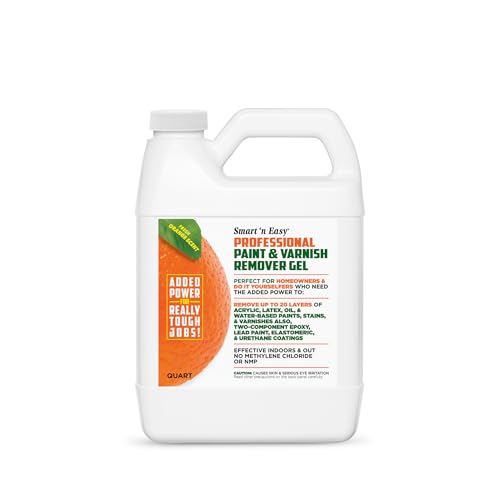
Smart ‘n Easy Professional Paint & Varnish Remover Quart
The Picks, Examined More Closely
The 32-ounce Smart ‘n Easy gel is the entry point most DIYers reach for, and for good reason. Its thick consistency clings to chair legs and spindle backs without dripping onto your drop cloth, which is the exact moment most beginners lose control of a project.
Formulated to lift multiple layers of acrylic, latex, oil-based, and water-based coatings, it saves you from playing chemistry detective before each pass. For a small bookshelf or a pair of bedside tables, one application typically clears everything down to bare wood.
Notable Upsides
- Thick gel formula stays put on vertical spindles, moldings, and table aprons where liquid strippers run straight to the floor.
- Designed to remove several stacked layers in a single pass, cutting weekend projects down to a single afternoon session.
- Compatible with the most common DIY coatings, so you skip the trial-and-error of matching chemistry to finish.
- 32-ounce size fits a small furniture batch without leaving half a jug to dry out in the garage.
Things To Consider
- Always run a small patch test first: the formula lists compatibility checks as a prerequisite before full removal.
- For larger decks or whole-room projects, you’ll burn through this bottle fast and end up repurchasing mid-job.
Who It Suits Best
First-time strippers tackling a small furniture refresh who want predictable results without committing to a gallon.
Consider Something Else When
You face thick epoxy or urethane coatings, in which case the Smart ‘n Easy Professional Quart handles the chemistry far better.
Step up to the half-gallon and you get the same dependable gel in a citrus-scented version, sized for kitchen cabinet runs or a full set of interior trim. The orange citrus profile makes a real difference in a closed-up mudroom or a basement workshop where ventilation is a struggle.
Where the 32-ounce handles one or two pieces, this container covers a full cabinet refacing without a mid-project refill. Compared to the smaller bottle, the trade-off is mainly storage space and weight once the jug is half-used.
The Practical Payoff
- Citrus scent softens the harsh solvent smell that drives most DIYers outdoors in summer.
- Half-gallon volume suits a full cabinet door batch plus drawer fronts in one purchase.
- Same multi-layer chemistry as the 32-ounce, so a single application usually clears latex over oil over stain.
Worth Noting
- Heavier and bulkier than the 32-ounce, which can be awkward on a ladder when stripping crown molding alone.
- Still requires that compatibility test patch the brand flags for every coating before you commit a whole surface.
Quick Facts
Made For
Homeowners refinishing a full kitchen’s worth of cabinet doors on a tight weekend timeline.
Not Your Match When
You need to clear a giant deck surface, where the 1-gallon Smart ‘n Easy gel is the smarter volume play.
The 1-gallon jug is where hobby projects tip into contractor territory. Stripping a wraparound porch railing, a paneled front door, or an entire room of tongue-and-groove wainscoting chews through smaller containers in a single session.
You get the same citrus-scented gel as the half-gallon, just with the headroom to leave a thick coat across a deck’s worth of boards without rationing. For anyone staging a flip or prepping a house for listing, this is the volume that matches the work.
What Works In Its Favor
- One full gallon means you finish a deck railing, a fence panel, or a six-panel door without scrambling for a refill.
- Citrus scent keeps the odor manageable on a long outdoor session in still summer air.
- Thixotropic gel consistency, meaning it flows when brushed and then sets, holds on posts and balusters without thinning out.
- Cost-per-ounce favors the gallon for multi-room or multi-piece projects.
Trade Offs
- Heavy jug is awkward to carry up a ladder, so plan your staging area before pouring.
- Once opened, leftover gel can skin over in the jug if you don’t seal it tightly between sessions.
- Still does not reach the chemical strength needed for urethanes or epoxies that the Professional formula targets.
Best Suited To
DIYers with a multi-surface, multi-day restoration who want to buy once and finish the project.
Look Elsewhere When
You’re tackling marine-grade epoxy on a boat trailer or industrial urethane on a workshop floor, where the Smart ‘n Easy Professional Quart is purpose-built for the job.
The Professional Quart from Dumond exists for the moments a standard gel can’t crack. Where the other three Smart ‘n Easy formulas target everyday latex and oil layers, this one lists urethanes, elastomerics, epoxies, and high-performance coatings in its wheelhouse.
You still get the orange citrus scent, but the chemistry under the hood is dialed harder. It is the right call for a garage floor coating that flaked, a marine varnish that’s gone opaque, or a factory-finished cabinet that laughs at gentler strippers.
A Few Strong Suits
- Tackles urethanes, epoxies, and elastomerics, which is the specific job the other gels in this list walk away from.
- Quart size is manageable for a tough one-piece restoration like a built-in bar or a single heavy door.
- Citrus scent keeps a stronger formula from becoming a respiratory event in a home shop.
- Functions across wood, masonry, plaster, and fiberglass, so one jug can move between project types.
Some Limits To Know
- Compatibility test is non-negotiable here, since stronger chemistry means a higher cost if the wrong finish reacts badly.
- Quart volume is small for whole-room work; expect to buy multiple if you’re stripping a basement floor.
- Stronger coatings mean longer dwell times, so plan on waiting rather than scraping fast.
Feature Snapshot
Perfect Match For
Restorers who have already hit the wall with a standard stripper and need chemistry strong enough for factory-grade finishes.
Reach For A Different Pick When
You’re simply refreshing a dated dresser or a small set of chairs, where the Smart ‘n Easy 32-ounce gel does the job for less per ounce.
What To Weigh Before Buying A Paint Stripper For Wood
Chemistry is the first fork in the road. Standard paint strippers handle latex, oil-based paints, and most varnishes, but urethanes, epoxies, and elastomeric coatings (flexible waterproof membranes often found on exterior stucco or roofs) require a stronger formula like the Professional Quart. Matching the stripper to the existing finish saves you from buying twice.
Viscosity matters as much as strength. A gel that clings to a turned spindle or a vertical door panel beats a thin liquid every time, because liquid runs where you don’t want it and dries before it does the work. The Smart ‘n Easy family leans gel for that reason.
Scent and ventilation are practical, not cosmetic. Citrus-scented formulas don’t eliminate fumes, but they reduce the harsh solvent bite in a closed garage or a winter workshop. Open-air projects on a deck tolerate stronger odors, while a kitchen cabinet job rewards the milder profile.
Project volume should drive container size. A 32-ounce jug covers a small furniture batch. A half-gallon fits a cabinet refacing. A full gallon is right for a deck, a fence, or a paneled room. Buying the smallest size to save money often costs more once you factor in a second trip to the retailer.
Things Worth Knowing Across These Picks
Where Shoppers Go Wrong
Picking the strongest formula by default is a common slip. The Professional Quart handles urethanes and epoxies, but on a simple latex dresser it works no better than the 32-ounce gel and costs more per ounce. Match strength to the coating, not to the marketing.
Skipping the compatibility test is the bigger trap. Every formula on this list flags pre-use testing for a reason: a wrong match can stain the wood, raise the grain unevenly, or leave a gummy residue that fights every coat of finish that follows. A five-minute test patch on the back of a cabinet door is cheap insurance.
Where The Extra Money Goes
The Professional Quart’s higher price reflects its wider coating reach, not just stronger solvents. It carries chemistry rated for urethanes, epoxies, and elastomerics, which is a real engineering step beyond the standard gel line. When your project actually contains one of those tough finishes, the upgrade pays for itself in a single avoided re-do. For everyday latex and oil layers, the standard gel delivers the same end result at a friendlier cost.
Frequently Asked Questions
How long does a paint stripper gel need to sit before scraping?
Most gels on this list start working within 15 to 45 minutes, though tough coatings like epoxy can need several hours of dwell time. Always check the surface with a scraper before rinsing, since a gummy layer means it needs more time.
Can paint strippers for wood damage the grain underneath?
A gel that sits too long or is used on raw wood without a test patch can raise the grain or darken certain species. Working in controlled coats and wiping residue promptly protects the surface.
Is ventilation important when using these citrus-scented strippers?
Yes, even citrus formulas release solvent vapors that warrant an open window or a fan. Working outdoors or in a garage with the door cracked is the safer call for any project longer than a few minutes.
Do I need to neutralize the wood after stripping?
Some strippers leave an alkaline residue that interferes with stain and sealer. Wiping the surface with water or mineral spirits, depending on the formula’s instructions, helps the new finish bond properly.
Can the same stripper be used on multiple layers of old paint?
The Smart ‘n Easy gels are designed to remove several stacked layers in a single application. Very thick or decades-old buildups may still need a second pass for full removal.
Wrap Up
The right paint stripper for wood comes down to matching the chemistry to the coating and the container to the project. A small furniture refresh, a full cabinet refacing, a deck restoration, and a tough epoxy job each call for a different jug from this family. Start with a test patch, match the strength to the finish, and the rest of the work tends to take care of itself.




