


A good paste wax does quiet, unglamorous work: it seals a cutting board so a knife glide stops raising the grain, it gives a tired tabletop a soft sheen, and it buys furniture another decade of service. Picking the right one matters more than most people expect, because paste waxes for woodworking vary wildly in formulation, food-safety, and how often you have to reapply. This roundup narrows five options down to the ones that genuinely earn their spot on the bench.
The Main Contenders
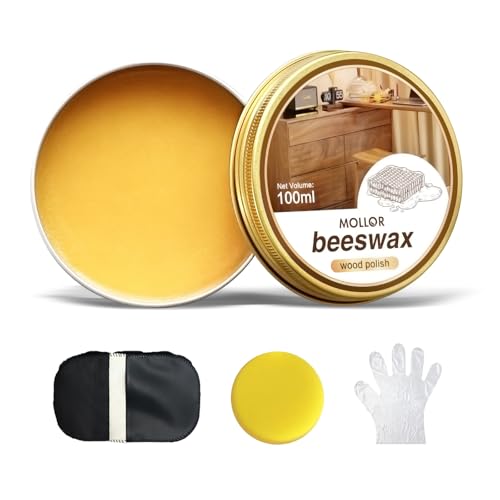
Mollor Non-Toxic Wood Wax for Furniture (3.5 Oz)

Block & Board Specialist Chopping Board Complete Kit (3-Piece)

Block & Board Specialist Cutting Board Oil (8.5oz / 250ml)

Walrus Oil Wood Wax (3 oz Can)

Block & Board Specialist Cutting Board Wax (8.5oz / 250ml)
The Strengths Of Each Pick
Where most paste waxes lean on solvents or petroleum distillates, Mollor skips the harsh chemistry and leans on a plant-oil and beeswax blend built around carnauba (a hard, glossy plant wax from Brazilian palm leaves). In a household with kids, pets, or a curious nose, that shift matters; the low odor lets you wax a side table in a closed room without the usual headache the next morning.
It comes with application tools bundled in, so you can unbox and start finishing on the same afternoon. A thin coat buffs off cleanly, and on chalk-painted dressers it deepens color without that plasticky “sealed in amber” look. Reapplication is light, around once a season on most pieces in normal indoor use.
Where It Helps
- Plant-based formula, no harsh solvent smell, safer in occupied rooms.
- Beeswax and carnauba blend lays down a soft, natural-looking sheen on chalk-painted finishes.
- Helps moisturize dry or aged timber, easing fine surface cracks on heirloom pieces.
- Application tools included, so a first-time user has everything to start.
Trade Offs
- 3.5 oz is a small tin, so it disappears quickly on large dining tables or full floor refinishes.
- Not labeled for direct food contact, so it belongs on furniture, not on cutting boards or salad bowls.
- Carnauba-heavy waxes can feel slightly draggy on the buff cloth compared to softer beeswax-only formulas.
Key Product Details
Best Suited To
Furniture upcyclers and chalk-paint hobbyists who want a low-odor wax that enhances painted finishes without aggressive solvents.
Swap It Out When
Kitchen wood care is the goal, in which case the Block & Board Specialist Cutting Board Oil handles food-contact conditioning far better.
Most kitchen wood owners eventually buy three separate products, a food-safe soap, a conditioning oil, and a finishing wax, and end up with half-used bottles cluttering under the sink. The Block & Board Specialist Kit skips that scavenger hunt by bundling all three into a coordinated system sized for cutting boards, butcher blocks, counters, and utensils.
Each piece plays a different role: the soap handles everyday residue and odors, the oil penetrates and rehydrates thirsty grain, and the wax seals the surface against water spots. The result is a routine that actually makes sense to follow instead of a half-remembered tip from a cooking video.
Advantages To Know
- Three coordinated products in one box, removing the guesswork of mixing brands.
- Food-grade formulation across all three items, safe for boards and utensils.
- Soap, oil, and wax work together to clean, condition, and seal in sequence.
- Suitable for cutting boards, butcher blocks, counters, and utensils alike.
Honest Caveats
- You may not need all three products at once, which makes the kit pricier than buying one bottle alone.
- The three pieces share branding but separate containers, so storage takes a bit more shelf space.
- Targets kitchen wood specifically, not furniture or floors, so it is narrowly useful.
Right Fit For
Home cooks with multiple wooden boards, butcher blocks, or counter islands who want a coordinated maintenance routine without sourcing three separate products.
Reach For A Different Pick When
You only need a food-safe wax topcoat to seal already-oiled wood, in which case the Block & Board Specialist Cutting Board Wax by itself is a leaner buy.
Strictly speaking this is a cutting board oil rather than a paste wax, but no kitchen wood care list is complete without it. Mineral oil is the foundational treatment, a colorless, odorless, tasteless soak that rehydrates dried grain and prepares the surface for a wax topcoat. The Block & Board Specialist Cutting Board Oil does the job in a generous 8.5 oz (250 ml) bottle.
Application is forgiving: brush on an even coat, let it sit overnight, wipe off the excess in the morning, and repeat monthly for boards that see daily use. The result is wood that drinks less, looks richer, and resists the dry, raised grain that makes a board feel fuzzy under the knife.
The Practical Payoff
- Food-grade mineral oil is tasteless, odorless, and colorless, so it never taints food prep.
- 8.5 oz (250 ml) covers a stack of boards or a full butcher-block countertop with room to spare.
- Safe for wood and stone, useful beyond just cutting boards.
- Quick-drying overnight routine, easy to slot into a weekend reset.
Things To Consider
- Not a wax on its own, so without a topcoat it offers limited water resistance.
- Monthly reapplication on heavily used boards, which adds up over a year.
- Mineral oil can feel greasy if you over-apply and don’t wipe off the excess in the morning.
Whose Shelf It Belongs On
Kitchen owners with butcher blocks, end-grain boards, or stone counters who want a safe, regular conditioning routine that any household member can handle.
A Better Fit Elsewhere
Mollor Non-Toxic Wood Wax is the stronger choice when the project is furniture or chalk-painted décor rather than food-contact surfaces.
Walrus Oil has built a small but devoted following among woodworkers, and the 3 oz can of Wood Wax is the workhorse of the line. It doubles as both a wax and a “board cream,” meaning it carries enough body to seal but enough oil to keep things from drying out. The compact can is easy to keep on a workbench, drawer, or kitchen shelf without dominating the space.
On cutting boards and prep surfaces it lays down a thin, food-safe film that holds up to repeated washing better than a pure paste wax. On smaller woodworking projects, like wooden spoons or handles, it buffs to a soft satin without the waxy drag some finishes leave behind.
Noteworthy Benefits
- FDA food-safe formula, suitable for boards, utensils, and counter surfaces.
- Doubles as a wax and a conditioning cream, removing the need to layer two products.
- 3 oz can fits easily on a workbench, drawer, or small kitchen shelf.
- Holds up well under repeated washing on daily-use prep surfaces.
Worth Bearing In Mind
- 3 oz is small, so coverage on a full butcher block or multiple boards runs out fast.
- Higher per-ounce cost than bulkier options, which adds up on bigger projects.
- Cream-style wax spreads thin, so a little goes a long way but takes patience to apply evenly.
Made For
Woodworkers and home cooks who want a food-safe wax-cream hybrid for smaller projects, utensils, and prep boards where compact storage matters.
Look Elsewhere When
You need a coordinated three-step routine for a heavily used butcher block, in which case the Block & Board Specialist Chopping Board Complete Kit covers cleaning, oiling, and waxing together.
The Block & Board Specialist Cutting Board Wax is the dedicated topcoat in the brand’s line, sold separately for wood owners who already oil their boards and just need the sealing step. At 8.5 oz (250 ml), the container is generous enough to wax several boards or a full butcher block in one go, something the smaller 3 oz options can’t match.
Once applied over a mineral oil base, it lays down a water- and stain-resistant film that helps the surface shrug off the daily punishment of knife work and washing. The food-grade formulation is built for kitchen wood, so it is the right finishing choice for boards, butcher blocks, counters, and utensils that need a clean, neutral protective layer.
Real-World Strengths
- Generous 8.5 oz (250 ml) container covers multiple boards or one full butcher block.
- Food-grade and non-toxic, safe for direct kitchen and prep surfaces.
- Creates a water- and stain-resistant layer over oiled wood.
- Absorbs deeply to preserve and restore the look of well-used kitchen wood.
Trade-Offs To Consider
- Best results require an oil base layer underneath, so a single-product routine won’t be enough.
- Reapplication is needed periodically on high-traffic boards, depending on washing habits.
- Wax-only formula, so it doesn’t clean or condition wood on its own.
Quick Facts
Who Should Grab It
Home cooks and woodworkers with a full oiling routine already in place who want a topcoat that seals, resists water, and holds up on daily-use boards.
Not Your Match When
You want one product that handles everything from cleaning to sealing, in which case the Block & Board Specialist Chopping Board Complete Kit is the more complete package.
What Matters Most Before Choosing Paste Waxes For Woodworking
Food Contact Versus Décor
The first fork in the road is whether the wax will ever touch food. A wax used on a cutting board, salad bowl, or spoon needs to be food-grade and non-toxic, while a wax used on a side table or dresser has more flexibility to prioritize sheen and durability. Picking the wrong category is the most common mistake, and it is the hardest to undo once a finish cures into the grain.
Base Ingredients And Build
Paste waxes for woodworking generally fall into two camps. Pure waxes (carnauba, beeswax, or blends) sit on top of the surface and deliver sheen and water resistance. Wax-and-oil hybrids, sometimes called board creams, soak in slightly while still leaving a protective film. Heavy-use kitchen wood benefits from the hybrid approach; furniture that just needs a glow can stick to a pure wax.
Container Size And Coverage
A 3 oz tin is plenty for a few small projects, but vanishes on a full dining table or a stack of cutting boards. Larger 8 oz or 250 ml containers cost more up front but lower the per-application cost significantly. Match the format to the project list, not the other way around.
Reapplication Rhythm
Paste wax is not a one-and-done finish. Kitchen pieces see water, soap, and knife work, so monthly reapplication is common. Furniture in a low-traffic room can go a year or more between coats. Honest expectations here save frustration later, because a wax that “wore off too fast” usually just needed a more realistic schedule.
Key Considerations Across These Picks
Where Shoppers Go Wrong
Treating paste wax as a replacement for oil is the most common slip. Wax seals, oil conditions, and a board that only ever gets wax will slowly dry out from underneath. Another trap is buying the smallest tin to “try it” and then running out halfway through a butcher block, which leads to uneven coats and a false impression of how the product actually performs.
When Paying More Pays Off
Higher-tier paste waxes earn their keep with food-safe certifications, larger containers, and hybrid formulas that combine conditioning and sealing. For a single small spoon, the extra cost rarely shows up in the result. For a full kitchen of boards and a butcher block, the upgrade pays back in fewer reapplication cycles and a more durable finish over the year.
Frequently Asked Questions
Do paste waxes for woodworking need to be food-safe?
Only if the finished surface touches food directly. Cutting boards, utensils, and counters should always use a food-grade wax, while furniture and décor pieces can use standard paste waxes without that requirement.
How often should a cutting board be re-waxed?
Most kitchen wood benefits from a fresh coat every few weeks to a month, depending on how often the board is washed. Boards that go through the dishwasher or sit in standing water will need it more often.
Can paste wax go over an oiled surface?
Yes, and in most cases it should. Oil soaks in and conditions the grain, while wax sits on top and seals it. Skipping the oil step leaves wood that looks sealed but slowly dries out from beneath the finish.
Is paste wax enough on its own for furniture?
For light-use pieces in stable indoor conditions, a quality paste wax is often all you need. For surfaces that see heavy use, water, or temperature swings, a hardwax oil or a film finish underneath will hold up far longer.
What is the difference between a wax and a board cream?
A pure wax sits on the surface for sheen and water resistance. A board cream blends wax with oil so it both seals and conditions in one step. Board creams are useful for routine maintenance, while pure waxes shine as a finishing topcoat.
Wrap Up
The right paste wax comes down to where the wood lives and how it gets used. Furniture and décor lean toward natural-blend waxes like Mollor’s plant-based option, while kitchen wood benefits from food-safe systems built around mineral oil and a dedicated wax topcoat, like the Block & Board line and Walrus Oil’s board cream. Match the formula to the surface, set a realistic reapplication rhythm, and your woodworking pieces will reward you with years of honest service.




