


Half-inch PEX runs through most residential plumbing, and the clamps holding those fittings together matter more than most DIYers realize. A bad ring lets water creep, and a stubborn ring cracks the tool. This shortlist covers the clamps you’ll actually use, plus a ratcheting cinch tool that handles them all, so your next repair or repipe goes smoothly.
A Closer Look At The Lineup
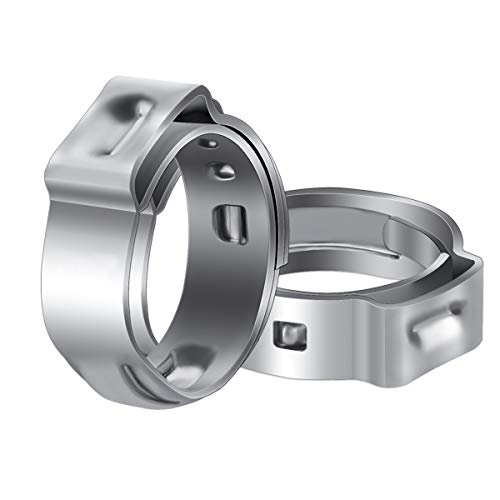
LOKMAN 1/2 Inch PEX Cinch Clamps (50 Pack)
LOKMAN 1 Inch PEX Cinch Clamps (50 Pack)

PEXFLOW 3/4 Inch Oetiker Style Cinch Clamps (50 Pack)
LOKMAN 3/4 Inch PEX Cinch Clamps (50 Pack)

IWISS Ratcheting PEX Cinch Tool (3/8″ to 1″)
Inside Each Recommended Option
Most residential PEX plumbing relies on half-inch tubing, and these LOKMAN rings are sized for exactly that standard run. They slide over standard crimp fittings and lock down with a standard PEX cinch tool, which is the same ratcheting driver you likely already own or will buy once. The 50-pack count covers a small fixture repipe with a few clamps to spare, and the stainless construction keeps them from corroding in damp basement and crawlspace conditions.
For a first-timer tackling a single bathroom or kitchen branch, this is a sensible starting point. You may find the single-size limitation obvious if your home uses mixed diameters, but pairing this pack with a 3/4 inch option covers most branch-and-manifold layouts.
What Makes Sense
- 304 stainless build resists rust in damp basement and crawlspace environments
- Interlocking ring geometry creates a uniform seal around the full pipe circumference
- Compatible with any brand of crimp-style PEX fittings, so you are not locked into one manufacturer
- 50-pack quantity suits a small-to-medium home repipe without leaving you short
- One of the most common residential sizes, easy to match with off-the-shelf fittings
Points To Keep In Mind
- Only fits 1/2 inch PEX, so a mixed-diameter job needs additional sizes on hand
- Requires a separate PEX cinch tool, which is not included in the pack
Who It Suits Best
First-time DIYers handling a half-inch fixture branch or a small home repipe who want a forgiving, common-size clamp that plays well with any standard cinch tool.
Where Another Pick Suits Better
Plumbers working on 3/4 inch radiant loops or main supply runs will find the PEXFLOW 3/4 Inch Oetiker Style Cinch Clamps a closer match for their daily workload.
One-inch PEX shows up on main supply lines feeding manifolds and on longer commercial-style runs where volume matters. These LOKMAN rings step up to that diameter while keeping the same 304 stainless material found in the smaller sizes. The interlocking profile seats evenly around the fitting, and the salt-resistant finish handles installations near water softener drain lines or in mild outdoor settings.
If you are running a new trunk line or upgrading from older copper, this is the size that actually moves water to the rest of the system. The 50-count gives you enough clamps for a full main-to-manifold drop with a comfortable margin for rework.
The Helpful Details
- 1 inch size targets main supply and higher-volume lines where smaller clamps cannot reach
- Salt-resistant stainless finish holds up in coastal or treated-water environments
- Full 360-degree seal reduces the risk of slow leaks on high-pressure runs
Trade Offs
- Overkill for branch lines where half-inch or 3/4 inch PEX is standard
- Demands a cinch tool rated for 1 inch rings, so your existing driver must cover that range
Feature Snapshot
Made For
Contractors and serious DIYers running 1 inch PEX main lines who need a corrosion-resistant ring that holds steady on high-pressure drops.
Not Your Match When
Anyone repairing a simple half-inch fixture branch will find the LOKMAN 1/2 Inch PEX Cinch Clamps a more efficient, lower-cost option.
The PEXFLOW 3/4 inch rings use an Oetiker-style design, a single-ear pinch style that some plumbers prefer over the standard two-ear cinch ring for tight spaces. They fit 3/4 inch PEX and work with any PEX clamp tool, which is a quiet advantage when you are juggling multiple brands on a job site. The interlocking ring closes evenly, and the stainless build stands up to the constant temperature swings of a radiant heating loop.
For anyone working in a tight crawlspace or a snaked wall cavity, the Oetiker profile tends to seat faster. The trade-off shows up when you are used to the standard LOKMAN feel, since the geometry and tool pressure feel slightly different.
Key Advantages
- Oetiker single-ear design reaches into tight stud bays and joist pockets where standard rings struggle
- Works with any brand of crimp-style PEX fittings and tubing for tool flexibility
- Stainless construction handles the heating-cycle stress of radiant floor systems
Some Limits To Know
- Single-ear style requires a slightly different tool feel than the LOKMAN two-ear rings
- Limited to 3/4 inch PEX, so other diameters in the system need separate clamps
- Removed rings cannot be reused, so rework costs a fresh ring each time
Best Suited To
Plumbers and radiant-heat installers working in tight cavities who prefer the Oetiker ear style for its low-profile seating.
Skip It When
Homeowners handling a quick half-inch fixture repair will find the LOKMAN 1/2 Inch PEX Cinch Clamps a more straightforward match for the job.
Three-quarter inch PEX sits in the middle of most residential systems, feeding manifolds, branching off larger trunks, and carrying water to multi-fixture zones. These LOKMAN rings match that middle size, and the 304 stainless build handles the same moisture exposure as the smaller LOKMAN packs. The interlocking geometry seals evenly, and the rings drop onto any standard crimp-style PEX fitting on the market.
If your home has a mix of branch lengths and you want a single clamp size to cover most of them, this is the practical workhorse. You may find yourself ordering a 1/2 inch pack as a secondary for fixture stubs, but the 3/4 inch rings carry the bulk of the work.
What It Does Well
- 3/4 inch size is the most common mid-range residential PEX diameter
- Stainless material holds up in basement, crawlspace, and slab installations
- Full-circumference seal pattern reduces slow-leak risk on manifold connections
- Universal compatibility with any crimp-style fitting brand
Honest Caveats
- Single size only, so mixed-diameter jobs require additional packs
- Requires a PEX cinch tool that covers 3/4 inch rings, which is a separate purchase
Perfect Match For
Homeowners and remodelers running 3/4 inch branch lines or manifold feeds who want a reliable mid-size ring in a 50-pack quantity.
Look Elsewhere When
Plumbers needing a single-ear profile for tight cavities will find the PEXFLOW 3/4 Inch Oetiker Style Cinch Clamps a better tool-fit answer.
The IWISS ratcheting cinch tool is the driver that actually tightens the four clamp packs above, and it covers 3/8 inch to 1 inch stainless PEX rings in a single frame. The ratcheting mechanism holds pressure until the ring reaches a uniform crimp, then releases, which keeps you from under- or over-tightening during a long day on the job. A built-in calibration gauge lets you confirm the tool is still in spec before you start a connection.
For shop or job-site use, this is the kind of tool that pays back its cost across a few projects. Depending on how often you work with PEX, you may find a cheaper single-size crimp tool tempting, but the range here means you can swap between LOKMAN and PEXFLOW rings without changing drivers.
Real Benefits
- Ratcheting action delivers a uniform crimp and prevents mid-stroke release
- Works across 3/8 inch, 1/2 inch, 5/8 inch, 3/4 inch, and 1 inch PEX rings
- Built-in calibration gauge confirms tool accuracy before each connection
- Suits both ASTM F2098 and non-F2098 ear-style hose clamps for shop flexibility
Worth Noting
- Full-size tool, so storage in a small toolbox takes planning
- Clamps themselves are a separate purchase, the tool is the driver only
- Higher upfront cost than a single-size crimp tool, which may not suit a one-time user
At A Glance
Whose Shelf It Belongs On
Working plumbers and serious remodelers who install PEX regularly and want one tool that handles every clamp size on the truck.
Another Choice May Suit
Homeowners doing a single half-inch repair may prefer a cheaper single-size crimp tool rather than the full-size IWISS frame.
What Matters Most Before Choosing Pex Clamps
Match the clamp to your tubing diameter
PEX clamps are not one-size-fits-all, and buying the wrong diameter is the most common wasted-purchase story. Measure your tubing outside diameter before ordering, and remember that 1/2 inch, 3/4 inch, and 1 inch refer to nominal PEX sizes, not the actual measurement. Stocking one size leaves gaps in mixed-diameter systems, so plan for at least two packs if your home uses more than one.
Material and corrosion resistance
Most quality PEX clamps use 304 stainless steel, which resists rust in damp basements, crawlspaces, and even mildly treated water. If your water runs through a softener or sits in a high-humidity environment, the stainless grade is worth prioritizing. Cheaper zinc-plated rings can pit over time, especially on hot-water recirculation lines.
Tool compatibility
Cinch rings need a PEX cinch tool, the ratcheting driver that closes the ear and locks the seal. Make sure your tool covers the clamp sizes you buy, and confirm it works with both ASTM F2098 and non-F2098 ear styles if you mix brands. A calibration gauge on the tool is a quiet upgrade that prevents bad seals from a worn driver.
Pack size and rework margin
A 50-pack is the standard for residential work, and it leaves enough rings for a small mistake or two. Ordering the exact count for a job leaves no margin for a slipped ring or a misaligned fitting. Buy a little more than you think you need, since leftover rings store indefinitely in a dry toolbox.
Key Considerations Across These Picks
Wrong Turns To Avoid
First-time PEX work often goes sideways when the wrong clamp size is ordered, or when a homeowner grabs a cheap crimp tool that does not match the rings on hand. Double-check tubing diameter before you check out, and confirm your tool’s rated range covers the clamp sizes in the cart. Skipping the calibration check on a used cinch tool is another quiet failure, since a worn driver under-crimps the ring and the leak shows up months later.
When Paying More Pays Off
Spending a little more for a full-size ratcheting cinch tool with a built-in gauge tends to pay back across a few projects, since the same tool handles every clamp size in the kit. Higher-tier stainless also holds up better in treated-water and outdoor runs, where cheaper rings pit or rust within a season. The upgrade is most justified for anyone doing more than a single repair, and least useful for a one-off fixture swap.
Frequently Asked Questions
What size PEX clamp do I need for residential plumbing?
Most homes use 1/2 inch PEX for fixture branches and 3/4 inch for manifold feeds, with 1 inch reserved for main supply lines. Measure your tubing before ordering, and stock at least two sizes if your system mixes diameters.
Can I reuse a PEX cinch clamp after removing it?
No, removed PEX clamps lose their sealing geometry once compressed, and reusing one risks a slow leak. Always fit a fresh ring when you redo a connection.
Do I need a special tool to install PEX cinch clamps?
Yes, PEX cinch rings require a ratcheting cinch tool, which is a separate purchase from the clamps themselves. Make sure the tool covers the clamp sizes you plan to install.
Are stainless steel PEX clamps better than copper rings?
Stainless PEX clamps resist corrosion in damp and treated-water environments, and they install with a single tool rather than a calibrated crimp ring. Copper rings are still code-approved, but stainless tends to be the easier DIY path.
How many PEX clamps should I buy for a small bathroom repipe?
A 50-pack covers most single-bathroom repipes with rings to spare. If you are mixing diameters, plan on a separate pack for each size in the system.
Wrap Up
Any of the four LOKMAN and PEXFLOW ring packs will seal a residential PEX connection cleanly, and the IWISS driver handles all of them in one frame. Match the ring size to your tubing, confirm your tool covers that size, and the rest is straightforward. Start with the clamp pack that matches your most common run, and add the tool if you plan to keep working on PEX beyond a single repair.




