


Pipe dopes don’t get much respect until a threaded joint decides to weep at 2 a.m. For anyone who works with water, gas, air, or steam lines, the right thread sealant quietly prevents the kind of slow leak that ruins floors, walls, and weekends. The right pick depends on what you’re joining, how often you’ll disassemble it, and whether the system carries potable water or natural gas. The list below covers five solid options across compound sealants, brush-on formulas, and PTFE (polytetrafluoroethylene, a slippery plastic tape used to wrap threads before assembly) tape, so you can match the sealant to the job instead of forcing one tube to do everything.
The Choices Worth Comparing
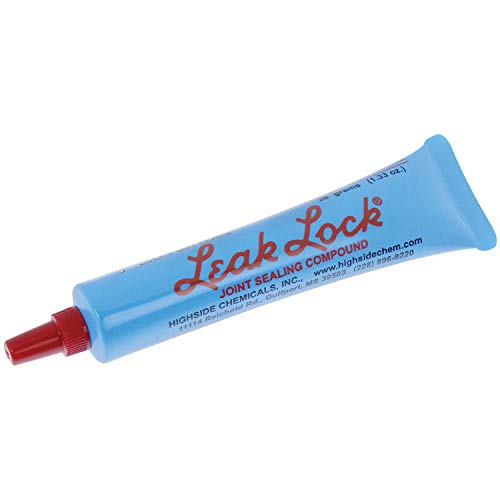
Highside Chemicals Leak Lock 1.33 oz Tube

Rectorseal Tru-Blu & Harvey’s Plumbers Putty

Black Swan All Purpose Pipe Dope 1 fl. oz.

D-NYX PTFE Teflon Tape 4-Pack 1/2″ x 520″

Oatey Pipe Joint Compound 4 oz (Pack of 2)
The Details Behind The Selections
Leak Lock has been a staple in mechanic’s shops and home toolboxes for decades, and the soft-set formula explains why it sticks around. Unlike the rigid thread sealants that harden into a permanent bond, this paste stays slightly pliable after curing, so joints remain workable if you ever need to break them apart. The 1.33-ounce squeeze tube fits comfortably in one hand, making it easy to brush onto male threads without mess.
You can use it on threaded metal joints, flanged faces, gasket surfaces, and mating surfaces where a thin, reliable film is enough to stop seepage. Because it doesn’t go rock-hard, it’s a forgiving option for someone still learning how much compound to apply. Anyone maintaining a home plumbing system or working on small engine repairs will appreciate how broadly it adapts.
Strengths Worth Knowing
- Soft-set formula allows future disassembly without chiseling or heat
- Works on threaded joints, flanges, and gasket surfaces alike
- Compact tube fits in a toolbox drawer and lasts through many repairs
- Compatible with most common metal pipe materials used in residential plumbing
Honest Caveats
- Not certified for potable water systems, so avoid drinking-water supply lines
- The small tube runs out faster than jar-based compounds on big projects
- Not designed for high-pressure gas distribution work, where a rated sealant matters more
Key Specs
Right Fit For
Homeowners and hobby mechanics handling general plumbing repairs on non-potable systems who want a forgiving sealant that won’t lock joints permanently.
A Better Fit Elsewhere
For drinking-water lines, the NSF-certified Black Swan All Purpose Pipe Dope offers the safer profile for that specific use.
This bundle pairs Rectorseal’s Tru-Blu brush-top thread sealant with a 14-ounce tub of Harvey’s stainless plumbers putty, covering both threaded connections and drain-setting jobs in one purchase. Tru-Blu’s built-in brush applicator keeps the blue compound off your fingers and lays down an even coat on threads, while the putty handles sink strainers, garbage disposal flanges, and faucet bases. The combo suits anyone running a busy service van or tackling a bathroom remodel from rough-in to fixture set.
Both products lean toward professional use, but the convenience factor is real for ambitious DIYers too. The brush top means less wasted compound compared to dip-and-spread approaches, and the putty tub lasts through dozens of fixture installations. For shops handling diverse residential work, the pairing eliminates two separate supply runs.
Points In Its Favor
- Brush-top applicator lays an even coat without messy fingers
- Stainless plumbers putty resists staining on natural stone and composite sinks
- Two-product bundle covers both threaded and flanged fixture work
- Putty tub size handles a full bathroom’s worth of fixture sets
Worth Bearing In Mind
- Plumbers putty is not rated for use on porous surfaces like marble or synthetic stone
- Brush-top Tru-Blu hardens more than soft-set options, making future disassembly tougher
- Carrying both products adds bulk to a small toolbox or job-site bag
Best Suited To
Working plumbers and dedicated DIYers handling a mix of threaded pipe work and fixture installation in a single project window.
Skip It When
Someone only needs a small tube for a one-off drip repair; the Highside Chemicals Leak Lock tube is simpler and cheaper for that.
Black Swan’s all-purpose formula handles the two scenarios that worry homeowners most: natural gas fittings and drinking water lines. The compound is NSF certified, meaning it’s been tested safe for contact with potable water, and it’s specifically formulated for natural gas applications where a poor seal is genuinely dangerous. Soft-set behavior means joints can be serviced later without grinding out hardened residue, and the high-viscosity paste fills thread imperfections on older or slightly damaged fittings.
The 1-fluid-ounce tube is sized for occasional repairs rather than a full-house repipe, and the low-odor formula makes it comfortable to use indoors. Compared to the Highside Chemicals Leak Lock reviewed earlier, this one’s the safer reach for any line that touches drinking water. It also tolerates the thermal expansion, contraction, and vibration that comes with hot water heating loops, so it works on boiler-adjacent piping too.
Reasons It Performs
- NSF certification for food and potable water system safety
- Formulated for natural gas line threads without needing a separate product
- High viscosity fills small thread gaps in worn or imperfect fittings
- Resists vibration, pressure cycling, and temperature swings
Practical Considerations
- Small tube won’t carry a contractor through a full day of new installations
- Yellow color can stain fabrics and work surfaces if spilled
- Soft-set means it’s not ideal for joints you never want to take apart
Who It Suits Best
Homeowners working on drinking water supply lines, gas appliance hookups, or any repair where certification and broad material compatibility matter.
Look Elsewhere When
Steam and high-pressure industrial applications call for the Oatey Pipe Joint Compound, which handles wider pressure and temperature extremes.
PTFE tape isn’t technically a pipe “dope,” but it’s the thread sealant most people reach for first, and the D-NYX four-pack delivers 520 inches per roll at a price that undercuts most hardware store singles. Each roll is half an inch wide, the standard size for residential NPT (National Pipe Thread, the tapered threading standard used across U.S. plumbing) fittings, and the material is pure PTFE. It wraps cleanly around threads without shredding, and four rolls in the package mean you won’t run out mid-project.
For quick fixes like showerhead swaps, garden hose bibbs, and washing machine supply lines, tape is faster and cleaner than paste. The trade-off shows up on larger diameter threads or systems with significant vibration, where a paste sealant like the Black Swan or Rectorseal options grips better. For most household drip jobs, though, this pack keeps your utility drawer stocked for years.
What Makes Sense
- Four rolls per pack means long-term supply for one low cost
- 1/2-inch width fits standard residential threaded fittings
- PTFE material handles both water and air line connections
- No drying time, so assemblies can go into service immediately after tightening
Points To Keep In Mind
- Less effective on worn or damaged threads compared to paste sealants
- Not certified for natural gas lines in all jurisdictions, so check local code
- Requires correct wrapping direction to avoid unraveling during assembly
Made For
Renters and homeowners who want a cheap, fast thread sealant for showerheads, faucets, and outdoor hose connections.
Not Your Match When
You’re sealing natural gas fittings or anything needing certification, where the Black Swan All Purpose Pipe Dope is the smarter choice.
Oatey is a name that comes up constantly in professional plumbing circles, and this white pipe joint compound earns that reputation through sheer versatility. The 4-ounce jar (sold as a two-pack for eight total ounces) handles water, steam, caustics, and dilute acid lines across PVC, CPVC (chlorinated polyvinyl chloride, a higher-temperature plastic pipe), ABS, polypropylene, iron, steel, and copper. That material range is unusual for a single product, and it removes the guesswork when you’re not sure what the previous installer used.
The performance temperature range spans negative 50 to 500 degrees Fahrenheit, which covers everything from outdoor faucets in winter to hydronic heating loops. The gas pressure rating reaches 3,000 psi and liquid handling extends to 10,000 psi, so it handles nearly any residential or light commercial system. For workshops running boilers, air compressors, or process piping, this compound is the one that stays on the bench.
Where It Delivers
- Wide temperature range handles heating systems and outdoor lines alike
- Compatible with virtually every common piping material in residential and commercial use
- High pressure ratings cover steam lines and compressed air systems
- Two-pack jar format offers good value per ounce for ongoing shop use
Factors To Consider
- White color shows dirt and grime on shop floors during application
- Larger jar format isn’t convenient for occasional at-home repairs
- Not rated for natural gas distribution in all applications
Key Specs
Whose Shelf It Belongs On
Workshops, maintenance closets, and serious DIYers who tackle steam, compressed air, or mixed-material plumbing systems.
Reach For A Different Pick When
You’re doing a single small household repair, where the Highside Chemicals Leak Lock tube is more convenient and less prone to drying out between uses.
Choosing Pipe Dopes That Actually Fit Your System
Picking the right pipe dope starts with the medium flowing through the lines. Water, natural gas, steam, compressed air, and chemicals all place different demands on a thread sealant, and using the wrong one can mean a slow leak at best or a dangerous failure at worst. If your project touches drinking water, look for NSF certification, which means the sealant has been independently tested as safe for contact with potable water. The Black Swan formula reviewed above carries that distinction.
Match the Sealant to the Pipe Material
Thread sealants don’t work universally across every pipe type. PVC and CPVC plastic threads need a compound rated for plastic, because aggressive solvents in some pastes can actually stress-crack the material. Metal threads (brass, copper, galvanized steel, black iron) handle a wider range of compounds, including the soft-set pastes like Leak Lock. Oatey’s white compound covers the broadest material range, which is why it’s popular for repairs where you’re not sure what the previous installer used.
Think About Future Disassembly
Soft-set compounds stay slightly pliable, letting you break joints apart years later with normal wrench force. Hard-set sealants form a permanent bond, which is fine for joints you never plan to service but a nightmare if a valve needs replacing. Homeowners maintaining older systems usually prefer soft-set behavior. Industrial installations where vibration and pressure demand maximum grip often justify the hard-set trade-off.
Tape Versus Paste Trade-Offs
PTFE tape is faster, cleaner, and cheaper for most household jobs like showerheads and hose bibbs. Paste compounds fill thread imperfections better, grip more securely under vibration, and are required for many code-mandated applications. For anything beyond a simple fixture swap, paste sealants tend to be the safer call. The D-NYX tape pack covers the quick-fix side, while the four paste options handle everything else.
Key Considerations Across These Picks
Pitfalls Shoppers Hit
The most common mistake is grabbing whatever tube is on the shelf without checking the application. PTFE tape on a natural gas fitting is a code violation in many jurisdictions, and a non-NSF paste on a kitchen sink supply line is a health concern. Another frequent error is over-applying paste compound; a thick bead actually prevents the threads from seating fully, creating the very gap you’re trying to seal. Always clean threads before application and follow the manufacturer’s spread guidance.
When Paying More Pays Off
Higher-tier sealants earn their premium through certification, temperature range, and material compatibility. The Oatey compound’s 500-degree rating and multi-plastic compatibility solve problems that basic hardware-store paste cannot, especially around boilers and mixed-material renovations. For a single faucet repair, the extra cost is wasted. For a workshop or whole-house repipe, the upgrade pays for itself the first time a tricky thread holds without a callback.




