


A reliable plasma cutter changes the pace of a home shop. Thin gauge steel, rusty plate, expanded metal mesh, all of it surrenders to a steady pilot arc. The five ARCCAPTAIN machines below each tackle a different kind of workspace, from a small garage running on a 110V outlet to a more serious 220V setup. The goal here is simple: help match the right tool to the kind of cutting you actually do.
The Main Contenders
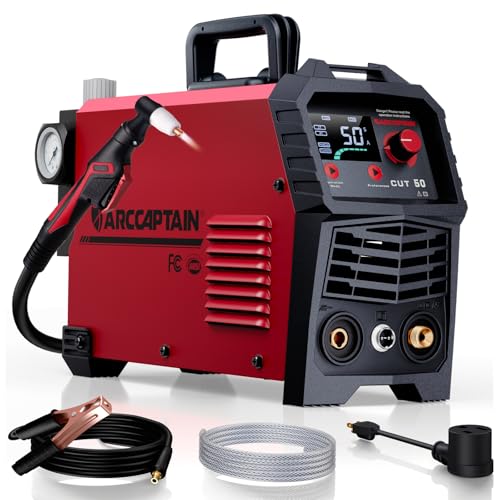
ARCCAPTAIN 50A Plasma Cutter 110V/220V Dual Voltage

ARCCAPTAIN 55A Plasma Cutter Non-Touch Pilot Arc

ARCCAPTAIN 55A Non-HF Plasma Cutter Blowback Pilot Arc

ARCCAPTAIN 55A Plasma Cutter Non-Touch Pilot Arc

ARCCAPTAIN 60A Plasma Cutter Non-Touch Pilot Arc
A Deeper Look At The Lineup
Plasma cutting in a residential garage usually comes down to voltage, and this unit sidesteps the debate by accepting either 110V or 220V. The maximum recommended clean cut lands at 1/2 inch on mild steel at the higher voltage, which covers most automotive patch panels, trailer repairs, and fabricated brackets. Because the power source can shift between wall outlets and a heavier shop circuit, you can use the same machine at home and at a friend’s workshop.
Unlike the higher-amperage ARCCAPTAIN models later in this list, the 50A output caps thicker plate work, so jobs on quarter-inch-plus steel demand slower travel speeds and patience. A separate air compressor is required, which is worth budgeting for if you do not already own one. For hobbyists stepping up from a cutting torch, the dual-voltage flexibility is the real selling point.
A Few Highlights
- Dual 110V/220V input widens where you can plug it in
- Cuts steel, aluminum, and copper on the same torch
- Reaches 1/2 inch clean cuts on common mild steel plate
- Compact enough to store on a shelf between projects
Things To Consider
- Air compressor sold separately, an extra line item to plan around
- Thicker plate work burns through consumables faster at 50A
Key Specs
Who It Suits Best
Garage hobbyists who want a single cutter they can move between home outlets and a more powerful shop circuit without swapping machines.
A Better Fit Elsewhere
The ARCCAPTAIN 60A Plasma Cutter Non-Touch Pilot Arc is the better pick if you cut thicker steel regularly and want mesh and rust-removal modes included.
Stepping from 50A to 55A sounds minor, but the real upgrade here is the non-touch pilot arc. The torch head initiates the cut without dragging across the workpiece, which means cleaner starts on thin sheet and far less tip wear when you are doing repetitive straight cuts in a fabrication shop. A pilot arc is the small conductive flame that bridges the gap between the nozzle and the metal before the main cutting arc forms, and not having to touch the surface makes start positioning much more forgiving.
Compared with the 50A unit above, this machine trades a touch of portability for steadier arc behavior and slightly thicker plate reach. Owners commonly note the convenience of starting cuts on already-painted or slightly uneven stock without scratching the tip. The 120V/240V split covers both home and light-commercial circuits, though you will still need a separate compressor pushing the recommended pressure.
Reasons It Performs
- Non-touch pilot arc preserves consumables during repeated starts
- 55A output extends useful plate thickness past typical home projects
- High-frequency start reduces the learning curve for new operators
Worth Noting
- High-frequency start can interfere with nearby electronics without proper grounding
- Voltage must be switched only after the screen and fan fully shut down, an extra step to remember
Made For
Home workshop users running a mid-sized compressor and cutting a mix of sheet metal and structural plate throughout the week.
Consider Something Else When
The ARCCAPTAIN 55A Non-HF Plasma Cutter Blowback Pilot Arc is a better match for shops that share the space with computers or other sensitive electronics, since it avoids high-frequency interference.
Most plasma cutters fire a high-voltage spark to start the arc, and that spark can scramble nearby electronics. This model skips that path entirely with a blowback pilot arc, where a mechanical spring-driven electrode movement does the starting work instead of a high-frequency pulse. In a workshop that shares space with CNC controllers, radio gear, or sensitive measurement tools, that difference pays off fast. The 110V/220V input keeps the unit flexible for home and shop outlets alike.
Where the previous 55A model used high-frequency starting, this one trades that convenience for cleaner electrical coexistence. The non-HF design also tends to extend consumable life because the electrode idles more gently between cuts. The trade-off is a slightly less crisp start on extremely dirty or painted surfaces, though it still handles common fabrication tasks without fuss.
Strong Points
- No high-frequency start, so nearby electronics stay happy
- Lower electromagnetic noise in shared workspaces
- Stable arc maintenance reduces wasted electrode burn during pauses
- 110V/220V versatility for portable or fixed setups
- Compatible with common 110V or 220V compressors
Trade Offs
- Blowback start can feel less instantaneous than high-frequency ignition
- Still requires a clean, dry air supply to maintain cut quality
Quick Facts
Best Suited To
Shops that run computers, radios, or sensitive diagnostic tools within a few feet of the cutting station and need a quiet electrical footprint.
Look Elsewhere When
The ARCCAPTAIN 60A Plasma Cutter Non-Touch Pilot Arc is the stronger choice if mesh cutting and rust removal are part of your regular workload, since this model focuses on plate work only.
Restoration work rarely offers clean steel. Rusty frames, painted panels, and coated plate are the norm, and that is where this 55A non-touch pilot arc model earns its reputation. The torch head initiates the cutting arc without physical contact, which means you can start a cut on weathered or coated stock without the tip dragging through grime. The high-frequency non-touch start is built for dirty real-world conditions, exactly what a barn-find car project or a fence-line repair tends to throw at you.
Sitting between the basic 50A model and the 60A flagship, this 55A unit covers the middle ground most weekend fixers actually need. The 120V/240V configuration suits North American outlets without rewiring, and the non-touch starting keeps consumables from wearing out on every painted surface. The honest read is that it shines when the steel is imperfect, and that is the more common scenario than clean plate work.
Strengths Worth Knowing
- Starts arcs through rust, paint, and surface coatings
- Non-touch ignition extends consumable life during long sessions
- 55A output balances power draw with household circuit compatibility
Room For Improvement
- Power must be off and the fan stopped before switching voltage, a habit to build
- Compressed air supply still required, and moisture in the line shows up as poor cut quality
Right Fit For
Restoration and repair work on old vehicles, farm equipment, and outdoor metal where clean steel is the exception rather than the rule.
Swap It Out When
The ARCCAPTAIN 60A Plasma Cutter Non-Touch Pilot Arc is the smarter grab if you regularly cut expanded metal mesh, since its dedicated mesh mode handles the interruptions that would stall a standard pilot arc.
At the top of the ARCCAPTAIN under-1000 line sits a machine that refuses to behave like a single-purpose tool. The 60A output covers thicker plate than the rest of the family, but the real story is the three operating modes: standard plate cutting, expanded-metal cutting, and a dedicated rust removal function. Expanded metal, the diamond-pattern mesh used in grating and security screens, defeats ordinary pilot arcs because the gaps keep breaking the circuit, and this model’s mesh mode keeps a steady arc through those interruptions.
The rust removal mode uses the same torch to blast oxidation off the surface, which is genuinely handy when you would rather not grind before cutting. Compared with the 55A restoration model above, this unit trades a touch of simplicity for versatility, and the non-touch pilot arc still preserves consumables during frequent starts. For most backyards and small fabrication shops, that combination covers roughly 90 percent of common metal jobs in one box.
What Makes Sense
- Three modes cover plate, mesh, and surface prep in a single machine
- 60A output pushes the useful plate thickness higher than the rest of the line
- Non-touch arc starting keeps consumable wear predictable
- 110V/220V flexibility for both portable and stationary setups
Points To Note
- More features mean a slightly steeper learning curve on the mode selector
- Air compressor requirement and pressure tuning still apply across all three modes
Whose Shelf It Belongs On
Mixed-project metalworkers who jump between solid plate, expanded mesh, and rusty surfaces without wanting to swap equipment between jobs.
Reach For A Different Pick When
The ARCCAPTAIN 50A Plasma Cutter 110V/220V Dual Voltage is a more focused choice for hobbyists who only cut clean plate and want a simpler interface to learn on.
What Matters Most When Choosing Plasma Cutters Under 1000
Amperage And Real Cutting Capacity
A machine’s stated output only tells part of the story. Rated amperage affects how thick a plate you can sever in a single pass and how fast you can move the torch. Home users cutting thin sheet and auto body steel usually do well at 40 to 55A, while structural plate and thicker stock push toward 60A. The published clean-cut figure, meaning the thickness where the cut edge is smooth enough to skip grinding, matters more than the maximum severance number for finished work.
Pilot Arc Style And Starting Method
Touch starts are the simplest and cheapest, but they wear tips and make starting on dirty metal awkward. Non-touch pilot arc designs, whether high-frequency or blowback, fire without contact, which extends consumable life and works better on painted or rusty stock. High-frequency starts can interfere with nearby electronics, while blowback designs trade a little crispness for a quieter electrical footprint in shared spaces.
Voltage Compatibility And Workshop Wiring
Dual-voltage machines accept both 110V/120V household outlets and 220V/240V shop circuits. That flexibility matters when the same cutter moves between a garage and a dedicated workshop. Single-voltage units cost less but lock you into one wiring situation, so plan around where the cutter will actually live.
Air Supply And Consumable Planning
Every plasma cutter in this price range needs a separate air compressor, and the pressure and cleanliness of that supply directly shape cut quality. Moisture in the line produces rough, oxidized edges, so a basic inline filter pays for itself. Consumables like electrodes and nozzles wear out faster at higher amperage and with frequent starts, and the non-touch pilot arc designs slow that wear noticeably.
Key Considerations Across These Picks
Common Buying Slip Ups
The most frequent mistake is choosing a cutter by amperage alone and ignoring the air compressor requirement. A 60A unit on a tiny 6-gallon compressor will underperform a well-matched 50A machine on a properly sized tank. Another trap is buying a touch-start model for restoration work, where rusty and painted surfaces chew through consumables quickly. Look at the starting method, voltage options, and your air supply together before committing.
What The Higher Tier Buys
Stepping from the 50A ARCCAPTAIN entry unit to the 60A flagship gains you a non-touch pilot arc, three operating modes including mesh cutting and rust removal, and noticeably thicker plate reach. The middle 55A options add non-touch starting and, in the non-HF variant, blowback ignition for electronics-friendly shops. Whether the upgrade is worth it depends on how often you cut dirty metal or expanded mesh, and how much you value the extra consumable life that non-touch starting provides.
Frequently Asked Questions
What thickness of steel can these plasma cutters handle?
The 50A model reaches roughly 1/2 inch clean cuts on mild steel at higher voltage, while the 55A and 60A units push further into thicker plate. Maximum severance numbers run higher but produce rougher edges that usually need grinding.
Do these cutters work on a standard 110V or 120V household outlet?
Yes, every machine in this ARCCAPTAIN lineup supports both 110V/120V and 220V/240V input. The 110V setting limits maximum output, so heavier plate work benefits from a 220V/240V circuit, but light and medium jobs run fine on a regular outlet.
Why does a non-touch pilot arc matter?
A non-touch pilot arc fires without dragging the torch tip across the workpiece, which preserves consumables and makes starting cuts on painted or rusty metal much easier. Touch-start units are cheaper but wear tips faster and scratch coated surfaces.
Is a separate air compressor required?
Every plasma cutter in this list needs a separate compressed air source to push the ionized gas through the torch. Compressor size and pressure matter for cut quality, so plan for a unit that can sustain the cutter’s recommended PSI and airflow.
What is the difference between high-frequency and blowback arc starting?
High-frequency starts use a high-voltage spark to ignite the arc, which can interfere with nearby electronics. Blowback starting uses a mechanical electrode movement instead, producing a quieter electrical footprint that suits shops sharing space with computers or radio gear.
Final Verdict
Your shop’s voltage, air supply, and the kind of metal you actually cut should drive the choice more than the spec sheet. The 50A dual-voltage unit is the easiest entry for a home garage, the 55A non-HF model fits electronics-heavy shops, and the 60A three-mode flagship covers the widest mix of projects. Match the tool to your real workload, and the rest of the cuts tend to take care of themselves.




