


A pneumatic impact wrench turns stubborn lug nuts and rusted bolts into a few seconds of trigger time, but only when the tool matches the air compressor behind it. Home mechanics, weekend restorers, and pros who already own a shop compressor all land in different spots on the torque-and-weight map. This list sorts through five solid options that pair well with a range of compressor setups, from a single dedicated socket to full aluminum-body wrenches ready for daily shop use.
The Picks In Brief

Laser 1119 Air Impact Socket 41mm 1/2″

AEROPRO 1/2″ Composite Air Impact Wrench

AEROPRO 1/2″ Pneumatic Impact Gun

AEROPRO 1/2″ Aluminum Air Impact Wrench Set
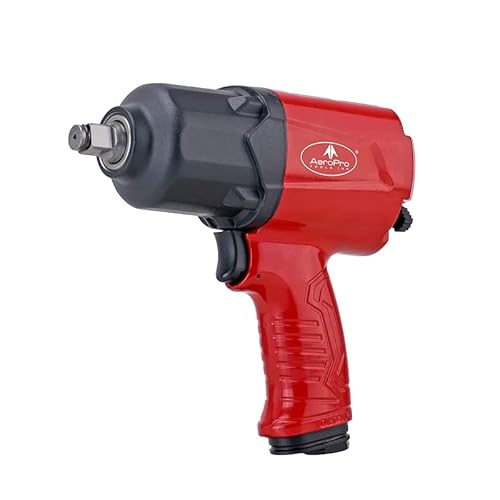
AEROPRO A398 1/2″ Aluminum Air Impact Wrench
More Details On Our Top Picks
Strictly speaking, the Laser 1119 isn’t a full impact wrench. It’s a single 41mm impact socket with a 1/2-inch drive, sold by a British tool brand that focuses on automotive specialty fittings. You slide it onto an existing air gun (any of the wrenches below will accept it) and it becomes a dedicated lug nut tool.
That narrow focus is exactly why it earns a spot here. Owners with a specific wheel or hub that demands a 41mm socket don’t need a whole new kit, just this one piece. For occasional targeted work, the Laser 1119 fills the gap without forcing a full tool purchase.
Notable Upsides
- Exact 41mm fit for specific vehicles and equipment.
- Standard 1/2-inch drive pairs with most impact wrenches.
- Single-purpose design keeps cost low.
- Brand has long-standing automotive tool credibility.
Things To Consider
- Not a complete wrench, so it needs a separate tool to function.
- Some listings ship from overseas, which can affect labeling and warranty support.
Who It Suits Best
Owners with one stubborn lug or specialty hub size who already own a 1/2-inch air wrench and need the right socket, nothing more.
Consider Something Else When
The AEROPRO 1/2″ Pneumatic Impact Gun covers far more jobs if you don’t yet own a wrench and need a full tool, not a single socket.
The AEROPRO composite-body wrench targets the fatigue problem first. At roughly 4.6 pounds wrapped in a polymer shell, it leans light for overhead suspension work or a full brake job. The 45mm cylinder pairs with a twin-hammer mechanism, the type of internal mechanism most modern impact wrenches use to deliver short, balanced blows rather than one heavy hit.
Working torque lands around 850 ft-lbs with a maximum loosening torque near 1220 ft-lbs, so it covers passenger cars, light trucks, and most suspension fasteners. The catch, and the honest one, is that you’ll need a separate air compressor capable of feeding the tool. A small pancake compressor won’t cut it for sustained runs.
Where It Helps
- Lightweight composite shell reduces arm strain on long jobs.
- Twin-hammer design delivers smoother, balanced blows.
- Working torque handles most passenger vehicle fasteners.
- Strong loosening torque for seized nuts.
Honest Caveats
- Air compressor sold separately, and a small unit won’t keep up.
- Composite housing is lighter but less rugged than aluminum for shop abuse.
Feature Snapshot
Made For
Home mechanics and hobbyists who already run a capable air compressor and want a lighter tool for brake, suspension, and lug work.
Skip It When
The AEROPRO 1/2″ Aluminum Air Impact Wrench Set is a smarter fit for shop environments where dropped tools and daily abuse are routine.
Where the previous AEROPRO trades weight for material, this gun trades complexity for control. A trigger-mounted one-finger reverse switch sits right where your index finger rests, so swapping rotation direction never breaks your grip. Above the trigger, a rotating speed dial offers three forward speed settings plus reverse.
Top speed reaches 7000 RPM, which makes fast work of spinning lugs off before the hammer mechanism does the heavy removal. The twin-hammer internals deliver up to 1200 ft-lbs of working torque. For someone running a mixed garage of cars, light trucks, and the occasional farm implement, this is a sensible middle ground.
Notable Gains
- One-finger reverse keeps your grip stable during direction changes.
- Three forward speeds let you match power to fastener size.
- 7000 RPM top speed shortens the spin-off phase.
- Twin-hammer design balances power delivery across each impact.
Points To Note
- More speed settings mean more trigger learning curve for first-timers.
- Compressor supply requirements still apply.
Best Suited To
Garage owners who want one tool that handles tire rotations, suspension bolts, and general disassembly without swapping between wrenches.
Look Elsewhere When
The AEROPRO A398 Aluminum Air Impact Wrench suits shops needing a tougher aluminum housing for heavier daily use.
Aluminum housing shifts the balance toward durability over lightness. This set ships as a complete package, with the wrench and accessories bundled for shop readiness. The 45mm cylinder and twin-hammer mechanism push working torque to 810 ft-lbs and maximum loosening torque to 1380 ft-lbs, which puts it firmly in heavy-duty territory.
Three forward speeds give the same directional flexibility as the previous AEROPRO, with the first setting designed to preload bolts before ramping up. For mechanics running trucks, agricultural equipment, or stubborn industrial fasteners, the extra loosening torque earns its keep.
Well-Handled Touches
- Aluminum body handles shop drops and daily wear better than composite.
- Higher loosening torque tackles larger fasteners.
- Bundle format means fewer accessory purchases upfront.
- Three forward speeds allow controlled bolt preloading.
Worth Bearing In Mind
- Aluminum adds weight versus the composite option above.
- Air compressor requirement still applies.
- Higher torque settings need a properly sized compressor to deliver full performance.
Perfect Match For
Working mechanics and serious DIYers handling trucks and heavy equipment on a regular basis.
Not Your Match When
The AEROPRO 1/2″ Composite Air Impact Wrench is friendlier on the arms during long overhead sessions.
The A398 takes the same aluminum-body, twin-hammer recipe as the previous AEROPRO and refines the experience for a single-tool shopper. It ships without the bundled accessories, so the price concentrates on the wrench itself. The 45mm cylinder and twin-hammer mechanism deliver working torque around 810 ft-lbs and loosening torque up to 1380 ft-lbs, identical in feel to its bundled sibling.
For restoration work where you want a dedicated, comfortable tool without redundant extras, the A398 hits a clean middle ground. The aluminum housing ages well, the controls stay simple, and the torque output handles whatever a weekend project car can throw at it.
Positive Takeaways
- Aluminum body balances durability and manageable weight.
- Smooth twin-hammer power delivery reduces wrist shock.
- Strong loosening torque for seized restoration fasteners.
- Streamlined package for owners who already own impact sockets.
Trade-Offs To Consider
- No bundled accessories, so add sockets and fittings to your cart separately.
- Still requires a capable air compressor to deliver full torque.
Feature Snapshot
Who Should Grab It
Restorers and home techs who already own a socket collection and want a clean, dedicated aluminum-body tool for project vehicles.
Another Choice May Suit
The AEROPRO 1/2″ Aluminum Air Impact Wrench Set bundles accessories and saves a separate purchase if you’re starting from scratch.
What To Weigh Before Choosing a Pneumatic Impact Wrench
Match the Wrench to Your Compressor
A pneumatic impact wrench only performs as well as the compressor feeding it. Air consumption is measured in CFM (cubic feet per minute), and most 1/2-inch wrenches need a compressor that can deliver at least 4 to 6 CFM at 90 PSI (pounds per square inch, the standard shop air pressure) for sustained work. A small 6-gallon pancake compressor can top off tires, but it will starve an impact wrench mid-job, leaving you waiting through recharge cycles. Before picking a tool, check your compressor’s CFM rating and compare it to the wrench’s air requirement.
Torque Needs vs. Weight
Torque output and tool weight move in opposite directions, and your real-world workload decides which way to lean. Heavy-duty truck and equipment work pushes you toward 1300+ ft-lbs loosening torque and aluminum or steel housing. Tire rotations and passenger car repairs usually live well within 800 to 1000 ft-lbs, where a lighter composite body saves your shoulders. For most home mechanics, anything above 1000 ft-lbs of working torque is plenty.
Drive Size and Socket Collection
Drive size refers to the square tang on the front of the wrench that holds the socket, and 1/2-inch is the most versatile size for automotive work. Smaller 3/8-inch drives suit tight spaces and lower torque, while 3/4-inch and 1-inch drives belong in heavy equipment shops. If you already own a 1/2-inch socket set, sticking with a 1/2-inch wrench protects that investment. Mixing drive sizes forces duplicate socket purchases.
Speed Settings and Trigger Feel
Modern impact wrenches often include multiple forward speeds, which sound like a luxury until you’re threading a small bolt and the wrench tries to spin it off the wall. A lower first setting lets you run fasteners down without overdriving, while higher settings handle removal. One-finger reverse controls keep your grip stable. For first-time air tool owners, fewer settings often feel easier, so don’t dismiss a simpler wrench just because it lacks a four-speed dial.
Where Shoppers Slip Up on Pneumatic Impact Wrenches
Buying Before Checking the Air Supply
The single most common mistake is buying a serious impact wrench and pairing it with a compressor that can’t keep up. The tool feels weak, the user blames the brand, and the compressor never gets upgraded. Always confirm CFM output before purchase.
Reaching for Maximum Torque by Default
The highest torque rating isn’t always the best fit. Excess torque rounds off lug nuts, snaps small bolts, and makes beginners feel like the tool is fighting them. Choose the torque range that matches your typical fasteners, not the biggest number on the spec sheet.
Key Considerations Across These Picks
Mistakes Worth Dodging
Skipping the air hose check is a quiet trap. A hose diameter that’s too narrow, or fittings that leak, can rob 10 to 20 percent of the wrench’s rated torque before it ever reaches the socket. Standard shop hoses run 3/8-inch inside diameter for most 1/2-inch wrenches, with quick-connect fittings tightened fully to prevent pressure loss. Owners commonly find that a new hose improves tool feel more than a new wrench would.
Where the Extra Money Goes
Higher-priced aluminum wrenches and bundled kits add real value, but the upgrade isn’t always about raw torque. Aluminum housings resist shop abuse longer than composite shells. Bundled kits throw in the sockets and fittings you would buy anyway, which lowers the total cost of ownership. For a once-a-month user, the entry-level composite gun makes sense. For daily shop work, the upgrade to aluminum and a complete kit earns its keep in longevity and convenience.
Frequently Asked Questions
What size air compressor do I need for a 1/2-inch pneumatic impact wrench?
A compressor delivering at least 4 to 6 CFM at 90 PSI handles most 1/2-inch wrenches for sustained work. Smaller units can still trigger short bursts but will pause often to refill.
Can a pneumatic impact wrench remove lug nuts without an impact socket?
No. Standard chrome sockets can shatter under impact forces and send shrapnel flying. Always use impact-rated sockets, which are forged from softer, tougher steel to absorb the blows safely.
How often should I oil a pneumatic impact wrench?
Most pneumatic tools need a few drops of air tool oil in the inlet before each use, or at least daily during regular shop work. Inline lubricators can automate this for high-volume users.
What’s the difference between twin-hammer and single-hammer mechanisms?
Twin-hammer mechanisms use two hammers striking the anvil simultaneously, producing smoother, more balanced power delivery. Single-hammer designs are simpler and cheaper but tend to feel rougher and wear faster under heavy use.
Is a composite or aluminum impact wrench body better?
Composite bodies are lighter and easier on the arms during long jobs, while aluminum bodies resist drops and shop abuse better. Pick composite for comfort and aluminum for durability in a busy shop.
Wrap Up
The right pneumatic impact wrench depends less on specs and more on the air compressor behind it and the fasteners you face most days. Match CFM and PSI to the tool, choose a torque range that fits your vehicles, and invest in aluminum only if your shop demands daily toughness. A few minutes of spec matching saves hours of frustration later.




