


Powder coating looks simple on the surface, but the gear behind a clean, even finish matters more than most beginners expect. Picking the wrong gun means uneven coverage, wasted powder, and a finish that chips after a few months. A good setup lets you coat bike frames, automotive parts, and home projects with a durable, professional-looking result. This list compares five popular kits to help you match the right tool to your shop size, budget, and skill level.
A Snapshot Of The Selections

VEVOR Powder Coating System 50KV Kit
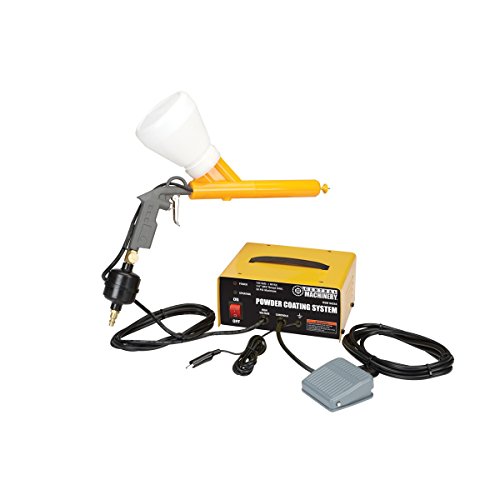
Chicago Electric Portable Powder Coating System

PTOOL Hotcoat PT-200 Dual Voltage Kit

PowderCoatPro 80KV Powder Coating Gun Kit

Kool Koat HyperSmooth 02 LED System
A Closer Look At Each Pick
VEVOR’s 50KV kit arrives as a complete starter package, which removes the usual scramble of sourcing a separate gun, cups, and foot pedal. The 50,000-volt electrostatic output, in plain terms the electrical charge that makes powder stick to grounded metal, is the same range you’ll find on entry-level commercial units. That gives it surprising reach for a kit priced closer to the hobbyist end of the market.
Home users restoring patio furniture or refinishing auto parts will appreciate the included nozzles and powder cups, which let you swap cup sizes for different job scales. The five-speed adjustment means you can dial back output for thin decorative work or push higher for thicker coverage on structural pieces. Owners commonly report that the foot switch feels sturdier than expected at this price point.
Noteworthy Benefits
- 50KV electrostatic output rivals pricier commercial units, helping powder cling to grounded metal for cleaner coverage
- Five-speed adjustment lets you tune output for everything from thin decorative coats to heavier industrial finishes
- Multiple nozzle and cup sizes mean you can tackle both small brackets and larger frames without buying extras
- Included foot switch frees both hands, making it easier to control the gun angle and trigger together
Points To Keep In Mind
- At 50KV it handles most hobby work, though shops tackling large vehicle frames may want more charging power
- New users should expect a learning curve dialing in the right air pressure and powder flow for the first few sessions
Whose Shop It Belongs In
DIY hobbyists and weekend restorers who want a complete kit without piecing together components from multiple sources.
Swap It Out When
High-volume shops that need adjustable voltage beyond a fixed 50KV setting will get more mileage from the Kool Koat HyperSmooth 02 LED Electrostatic Powder Coating System.
The Chicago Electric portable system trades adjustability for straightforward operation, which makes sense given its target audience of car hobbyists and small auto body shops. The 10-30 PSI air pressure range covers most coating tasks, and the inline filter helps keep moisture out of the powder stream, a small detail that prevents those annoying bubbles in the cured finish. Two powder cups give you enough capacity to coat a set of valve covers or a small batch of brackets without constant refilling.
Where this kit really earns its reputation is in vehicle work. Wheels, brackets, brackets, and smaller trim pieces all fall comfortably within its range. Compared to the VEVOR above, the Chicago Electric system is less versatile across different project types but more focused on the auto body world. The 15-amp draw means it runs on a standard outlet, which matters in a garage where dedicated circuits are rare.
Everyday Perks
- Works with any standard powder coating paint, so you can experiment with brands and colors without compatibility worries
- Inline filter reduces moisture contamination, a common cause of pinhole bubbles in the final cure
- Portable footprint suits small garages and mobile setups where a full bench-mounted system is impractical
- Standard 15-amp draw plugs into any household outlet without needing a dedicated circuit
Things To Weigh
- Limited PSI range means less fine-tuning for very thin or very heavy coating applications
- Two powder cups are enough for small jobs, though larger fabrication runs will need frequent refills
Quick Technical Notes
Right Fit For
Auto body hobbyists and small shop owners who want a simple, plug-and-play system for vehicle parts and small brackets.
Reach For A Different Pick When
Users tackling a wider variety of project sizes who want switchable voltage should consider the PTOOL Hotcoat PT-200 Dual Voltage Kit instead.
The PT-200 stands out in this lineup because of its dual-voltage design, a feature more common on pricier commercial guns. The ability to switch between 15KV and 25KV, where higher voltage means stronger electrostatic attraction and better powder wrap around complex shapes, gives you real flexibility. Coating a simple flat panel benefits from the lower setting, while intricate parts with deep recesses or Faraday cage areas (spots where static charge struggles to penetrate) respond better to the higher output.
For garage fabricators juggling different project types, this range prevents the frustration of buying one gun for flat work and another for complex parts. The clear powder bottle is a small but thoughtful touch, letting you monitor levels mid-coat without guesswork. Compared to the fixed-output VEVOR and Chicago Electric systems, the PT-200 trades some simplicity for genuine versatility across varied parts.
Well-Handled Touches
- Dual-voltage switching (15KV/25KV) handles both flat panels and complex recessed parts in one gun
- Clear powder bottle lets you check remaining powder without stopping mid-coat
- Higher 25KV setting improves powder wrap on intricate shapes where static charge typically struggles
- Compact gun body reduces fatigue during longer coating sessions
Honest Caveats
- Voltage switching adds a step to workflow, so users who only coat simple parts may not use the higher setting
- Lower KV output than premium kits like the PowderCoatPro 80Kv Powder Coating Gun Kit, which limits wrap on very large frames
Who Will Love This
Garage fabricators and small shop operators who coat a mix of flat panels and complex parts and want one gun that handles both.
Look Elsewhere When
Shop owners running heavy daily production who need higher continuous voltage should consider the PowderCoatPro 80Kv Powder Coating Gun Kit System.
The PowderCoatPro 80KV kit steps into professional territory with charging power that handles demanding jobs. The 80,000-volt output delivers stronger electrostatic attraction, which translates to better powder adhesion on larger surfaces and improved wrap on parts with recessed areas. Twin grounding systems add a layer of safety and consistency, reducing the static discharge issues that can interrupt coating flow on bigger projects.
Small business powder coaters running daily production cycles will appreciate the one-piece molded gun body, which tends to hold up better to repeated handling than multi-part assemblies. The assembled-in-the-US build and one-year warranty suggest the manufacturer stands behind the unit, something worth weighing against imported alternatives. The trade-off is a higher price tag and a footprint that may feel oversized for casual home users.
Reasons It Performs
- 80KV output delivers stronger electrostatic charge for larger parts and better powder wrap on complex shapes
- Twin grounding systems improve coating consistency by reducing static interruptions mid-spray
- One-piece molded gun body resists wear from repeated daily handling
- One-year warranty provides recourse for small business owners relying on the equipment
Trade-Offs
- Higher price point places it out of reach for casual hobbyists coating the occasional part
- Fixed 80KV output, while powerful, lacks the adjustable range of the Kool Koat HyperSmooth 02 LED Electrostatic Powder Coating System
Made For
Small business powder coaters and serious hobbyists who run regular production and need durable, high-output equipment.
A Better Fit Elsewhere
Users who want adjustable voltage to fine-tune for different part sizes should consider the Kool Koat HyperSmooth 02 LED Electrostatic Powder Coating System instead.
The HyperSmooth 02 LED sits at the top of this list for good reason, offering adjustable voltage from 0 to 100KV with a digital LED readout. That range covers virtually every coating scenario, from delicate restoration work where you want minimal static to heavy industrial finishes demanding maximum powder attraction. The LED display removes the guesswork from voltage selection, a meaningful upgrade for shops that switch between part types throughout the day.
Built for production environments, the system is known for dependable daily performance and a reputation among coating professionals for holding calibration well. Adult signature required at delivery reflects the unit’s value and the seller’s approach to secure shipping. Compared to the fixed-output kits earlier in this roundup, the HyperSmooth trades simplicity for genuine precision control.
Real-World Strengths
- Adjustable 0-100KV range covers every coating scenario from delicate restoration to heavy industrial finishes
- LED voltage readout eliminates guesswork when switching between part types
- Known for holding calibration well during extended production runs
Worth Bearing In Mind
- Highest price point in this roundup places it firmly in professional-shop territory
- Signature-required delivery means planning ahead for arrival and receiving the shipment personally
- Voltage range is overkill for hobbyists who only coat the occasional part
Feature Snapshot
Best Suited To
High-volume professional shops and serious production coaters who need precise voltage control across varied part types.
Not Your Match When
Casual home users and weekend hobbyists will find the VEVOR Powder Coating System 50KV Kit more than adequate at a fraction of the cost.
What Separates A Good Powder Coating Gun From A Frustrating One
Electrostatic output is the single biggest factor. Higher KV means stronger attraction between the charged powder and grounded metal, which translates to better wrap on complex shapes and less overspray wasted on the floor. For most home projects, 50KV handles flat panels and simple parts well. Recessed areas, frames, and intricate fabrication benefit from 80KV or higher.
Air pressure regulation matters more than beginners realize. Too much pressure blows powder past the part before it can stick; too little produces a weak, uneven pattern. Look for systems with adjustable PSI and an inline moisture filter. Moisture in the air line causes pinhole bubbles that only show up after curing, which forces you to strip and recoat.
Powder cup capacity affects workflow. Small cups mean constant refilling during larger jobs. Kits with multiple cup sizes, like the VEVOR and Chicago Electric options, let you scale up for big parts and scale down for detail work. If you primarily coat small brackets and trim, a single cup is manageable. Automotive wheels and frames demand larger capacity.
Build quality separates occasional-use tools from daily drivers. One-piece molded gun bodies, like the PowderCoatPro, hold up better to repeated handling than multi-part assemblies. Heavier circuitry generally runs cooler during long sessions, extending component life. For weekend hobby use, lighter construction is fine. For shop production, invest in durability.
Key Considerations Across These Picks
Common Shopping Slip Ups
The biggest mistake is matching the gun to the price rather than the project. A budget 50KV kit works fine for patio furniture, but it struggles on a motorcycle frame with deep recesses. Conversely, spending on a 100KV professional system for occasional small parts wastes money. Match voltage to the largest item you plan to coat.
Forgetting the curing oven is another frequent oversight. Powder coating requires consistent heat, typically 350-400°F, to flow and cure properly. A kitchen oven technically works for small parts, but it contaminates food surfaces and limits part size. Factor a dedicated curing solution into your budget from the start.
What The Higher Tier Buys
Premium systems like the Kool Koat HyperSmooth 02 LED deliver adjustable voltage that lets you fine-tune output for each part type. That flexibility means less powder waste, better first-pass coverage, and shorter learning curves. Higher-tier units also tend to hold calibration longer, so you spend less time recalibrating between jobs and more time coating.
The upgrade pays off when you run varied work or production volume. For shops coating the same part type all day, a fixed-voltage kit may serve just as well at lower cost. The extra investment makes sense once you find yourself adjusting for different sizes, shapes, or powder types multiple times per session.
Frequently Asked Questions
What voltage do most hobbyists actually need?
For flat panels, brackets, and simple parts, 50KV handles the job well. If your projects include frames, intricate shapes, or parts with deep recesses, stepping up to 80KV or adjustable voltage reduces frustration and powder waste.
Can I use any powder with these guns?
The systems covered here work with standard powder coating powders, the kind sold by coating suppliers in various colors and finishes. Specialty powders like metallics or clears may need specific voltage settings to apply evenly, which is where adjustable kits earn their keep.
Do I need a separate air compressor?
Yes, every gun in this list needs compressed air. The Chicago Electric runs on 10-30 PSI, which most home compressors with a 20-gallon tank can supply. Larger tanks and higher CFM ratings help maintain consistent pressure during longer spray sessions.
How long does a typical powder coating job take?
Spraying the part usually takes five to fifteen minutes depending on size and complexity. Curing in an oven at the recommended temperature runs another ten to twenty minutes plus cool-down time. Plan for about an hour from prep to finished part for most projects.
Is powder coating harder to learn than paint?
Powder coating has a steeper initial learning curve, since you cannot easily fix runs or sags the way you can with liquid paint. Once you dial in your gun settings and technique, results are more durable and consistent. Expect a few practice pieces before tackling visible or valuable parts.
Final Verdict
Your ideal gun depends on the size and variety of parts you plan to coat. The VEVOR kit covers most home needs at a friendly price, while the Kool Koat HyperSmooth serves shops that need adjustable precision. Match the voltage range and build quality to your workload rather than the highest specs on the page, and you’ll end up with gear that actually fits your shop.




