


Most homeowners meet a pump only when it fails. A working pressure washer suddenly sputters, the water pulses weakly, or the engine revs without pushing much at all. Swapping in the right replacement pump gets the machine back to work without the cost of a whole new unit, and that choice often decides how well the next few seasons of driveway, deck, and fence cleaning actually go.
How The Shortlist Stacks Up

Homelite 1/4″ Thermal Release/Relief Valve
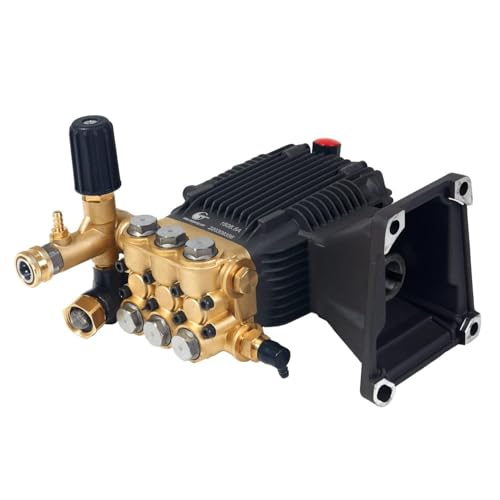
Canpump CF 3040 G Triplex Pump

TOOLCY 3/4″ Shaft Horizontal Pump
TOOLCY 7/8″ Vertical Rear-Inlet Pump

ROP Shop Himore 308653035 Pump
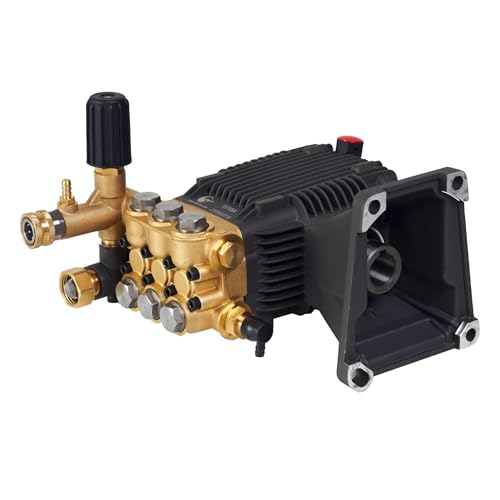
Canpump CF 3647 G High-Flow Pump

Canpump CF 4040 G Pro Pump

TOOLCY 1″ Shaft 4400 PSI Pump

Canpump CF 3030 G Compact Pump
The Details Behind The Selections
Pressure washer pumps run hot, and a thermal release valve is the small, often-overlooked component that bleeds water when temperatures climb too high. This Homelite thermal valve slots into existing pump plumbing as a 1/4-inch fitting, so for anyone who already owns a Homelite-style rig and notices surging or steam from the pump head, it is the kind of part that gets the machine behaving again without a teardown.
It is not a pump in the truest sense, so the comparison to the triplex units lower on this list is mostly about category. Where a full Canpump or TOOLCY swap replaces a worn heart, this little valve rescues one that is still mechanically sound. That makes it a smart first stop on the diagnostic checklist before committing to a bigger repair.
The Practical Payoff
- Stops heat-related pump damage by venting overheated water
- Standard 1/4-inch fitting suits many Homelite and similar rigs
- Cheaper than a full pump replacement when heat is the culprit
- Compact part stores easily in a tool drawer for seasonal swaps
Things To Consider
- Only addresses thermal issues, not worn plungers or seals
- Compatibility must be confirmed against your specific unit before ordering
Who It Suits Best
Homeowners with a Homelite washer that overheats on long jobs and wants the cheapest sensible fix.
Where Another Pick Suits Better
For a full pump replacement, the TOOLCY 3/4″ Shaft Horizontal Pump covers most residential engine swaps at a friendlier cost.
The CF 3040 G is a true triplex plunger pump, the kind contractors spec when weekend washing turns into weekday work. A triplex design uses three plungers firing in sequence, which smooths output and reduces the pulse you feel through the hose compared to a basic axial pump. At 3000 PSI and 4 GPM, you get flow that handles concrete, siding, and fleet vehicles without bogging down.
Mounting follows the SAE J609 flange standard, so it bolts to most 8 hp to 13 hp horizontal-shaft gas engines using a 1-inch shaft. That flexibility matters for fleet owners who keep a drawer of spare engines. Compared to the Homelite thermal valve above, this is the swap you make when the original pump is past saving, not a small parts fix.
A Strong Showing
- Triplex build outlasts axial pumps under daily use
- 4 GPM flow covers big driveways and side jobs fast
- Standard SAE J609 flange fits a wide range of engines
- 1-inch shaft suits many Honda and Predator-class motors
Worth Noting
- Heavier than axial units, so frame mounting may need checking
- Oil-level checks become part of routine maintenance, often monthly
Right Fit For
Contractors and serious DIYers running a 1-inch horizontal-shaft engine that needs pro-grade flow and pressure.
Consider Something Else When
Homeowners on smaller 180 to 225 cc engines should look at the TOOLCY 3/4″ Shaft Horizontal Pump for an easier match.
The TOOLCY 3/4-inch horizontal pump lands squarely in the most common residential replacement slot. Output ranges from 2600 to 3300 PSI at 2.5 GPM, and it spins at 3400 RPM, which is the sweet spot for engines in the 180 to 225 cc range from brands like Simpson, Homelite, Honda, and Karcher. For most homeowners with a tired mid-size washer, this is the kind of drop-in swap that brings a machine back to life without a learning curve.
Unlike the Canpump CF 3040 G above, this is not a triplex unit, so the pulse and noise floor are slightly higher. For driveway and deck work though, that trade rarely shows up in the wash quality. Owners commonly report that the 150-hour service life, about 50 hours longer than the typical axial pump in this class, gets them through several seasons of weekend chores.
Useful Strengths
- 3/4-inch shaft matches the most common small-engine swap
- 2.5 GPM keeps chemical injection and rinse cycles moving
- Longer service interval than most competing axial pumps
- Fits a wide mix of residential engine brands
Trade Offs
- Axial design means more pulsing than a triplex pump
- Not suited for daily commercial hours
Best Suited To
Homeowners running a small gas washer up to about 8 hp who want a straightforward, budget-friendly rebuild.
Not Your Match When
Anyone on a 7/8-inch vertical-shaft engine should look at the TOOLCY 7/8″ Vertical Rear-Inlet Pump for a direct match.
Vertical-shaft engines with a rear water inlet are a specific configuration, and the wrong pump here means rerouting hoses or buying adapters you did not budget for. The TOOLCY 7/8-inch vertical pump is built for that exact setup, taking water in from the back rather than the front. At 3100 PSI and 2.5 GPM, it lines up with engines in the Honda GC, Briggs, Subaru, and PowerStroke families that use a 7/8-inch vertical shaft.
Where the 3/4-inch horizontal model above targets a broad residential audience, this one is for people who already know they have a rear-inlet pump. Confirming the inlet direction before ordering is the single biggest step, since front-inlet pumps will not bolt up cleanly. Once matched, it drops in and resumes the role the old pump played, with no plumbing gymnastics.
Everyday Advantages
- Rear-inlet design matches common vertical-shaft rigs
- 7/8-inch shaft fits Honda, Briggs, Subaru, and similar engines
- 3100 PSI output handles most residential jobs comfortably
- Clean drop-in install when the model number lines up
Points To Keep In Mind
- Only works on rear-inlet pumps, not front-inlet models
- Engine shaft size must be verified before purchase
Who Should Grab It
Owners of vertical-shaft, rear-inlet gas washers in the 6 to 8 hp class who want a no-fuss rebuild.
Skip It When
Front-inlet pump owners are better served by the TOOLCY 3/4″ Shaft Horizontal Pump, which suits a wider install base.
When a part is sold specifically against a model number, compatibility questions get a lot easier. The Himore 308653035 is listed as a direct replacement for Homelite UT80709 and UT80709A units, which removes a layer of guesswork. The 7/8-inch vertical shaft, 3100 PSI ceiling, and 2.5 GPM flow match what those original pumps delivered, so the wash performance lands right back where it was before the failure.
Specs include a 3-bolt mounting pattern at roughly 7 11/16 by 6 3/16 by 6 7/16 inches, a max pump speed of 3400 RPM, and a max water temperature of 140 degrees F. For anyone staring at a dead Homelite washer and wondering which aftermarket pump will actually line up with the frame, that level of detail is the main draw. Compared to the TOOLCY 7/8″ vertical above, this is more about listed-model certainty than broad compatibility.
Features That Help
- Listed fitment for specific Homelite UT80709 models
- Standard garden hose inlet for easy hookup
- 3400 RPM ceiling suits typical residential engines
- 140-degree F water rating allows warm-water rinse work
Room For Improvement
- Fitment is narrow, so it suits fewer washers than the TOOLCY units
- Stock can be inconsistent depending on the season
Perfect Match For
Homelite UT80709 owners who want a model-matched replacement and minimal install fiddling.
Look Elsewhere When
Anyone with a non-Homelite washer should look at the TOOLCY 7/8″ Vertical Rear-Inlet Pump for broader brand coverage.
The CF 3647 G pushes 4.7 GPM, the highest flow in this roundup, which matters more than people expect. Higher flow means faster rinse cycles, more effective detergent lift, and quicker coverage on wide driveways and long fences. At 3600 PSI it also keeps up on stubborn grime, so the cleaning speed and the cleaning power both improve compared to a 2.5 GPM residential pump.
It uses the SAE J609-A flange and fits 13 hp, 390 cc-class horizontal-shaft gas engines with a 1-inch shaft. That puts it one rung up from the CF 3040 G, requiring a more serious engine to drive it well. For homeowners with a heavy frame and a big engine, this is the pump that turns a residential machine into something that feels closer to a small commercial unit.
Well-Handled Touches
- 4.7 GPM flow speeds up large surface jobs noticeably
- Triplex design smooths output at high pressure
- SAE J609-A flange fits most 13 hp horizontal-shaft engines
- Anodized finish helps resist corrosion in humid storage
Points To Note
- Demands a 13 hp class engine to deliver its full potential
- Bigger and heavier than residential-grade pumps
Who Will Love This
Property owners with big lots and a serious engine who want rinse speed as much as pressure.
Reach For A Different Pick When
Smaller engine setups pair better with the Canpump CF 3030 G, which is sized for typical residential power.
The CF 4040 G is the highest-pressure pump in this lineup at 4000 PSI, paired with a 4 GPM flow rate. That combination is the territory of prosumer and small-contractor work: stripping paint, blasting oil off equipment, and clearing heavy mildew from concrete. It is a triplex pump with an external, detachable unloader valve, and the bypass design helps shed heat during long trigger-off periods when water would otherwise cook in the manifold.
Compared to the CF 3647 G above, this trades a little flow for a lot more pressure, and the detachable unloader is a real service advantage when a valve goes bad. Owners of 13 to 14 hp horizontal-shaft gas engines in the 1-inch shaft class will find the most direct fit. For lighter residential work, the extra pressure is more machine than most people need, and that is worth weighing before committing.
Practical Advantages
- 4000 PSI tackles paint, oil, and heavy mildew removal
- External detachable unloader simplifies field service
- Extended bypass helps the pump cool between uses
- Triplex construction handles daily job-site hours
Honest Caveats
- More pressure than typical driveway cleaning requires
- Requires a matching 1-inch shaft engine in the 13 to 14 hp range
- Nozzle and hose choices must be rated for the higher pressure
Made For
Prosumers and small contractors running a 1-inch horizontal-shaft engine who need pro-grade stripping pressure.
A Better Fit Elsewhere
Homeowners doing only seasonal deck and driveway work get more usable output from the Canpump CF 3040 G.
Few replacement pumps in this price class ship with an adjustable unloader, and that is what makes the TOOLCY 1-inch shaft pump stand out. The unloader regulates how pressure behaves when you release the trigger, and being able to dial it in lets you match the pump to your engine’s working RPM band. With a 4400 PSI max and a 4.2 GPM flow ceiling, this is firmly a 1-inch horizontal-shaft, big-engine pump.
The manufacturer recommends running closer to 3400 PSI at 3400 RPM for longer pump life, which is a useful number to know before pushing the unit hard. Compared to the Canpump CF 4040 G above, you trade a detachable unloader for an adjustable one and gain a touch of pressure. For DIYers who like to tune their setup rather than leave it at factory settings, the difference is meaningful.
What Earns Its Place
- Adjustable unloader lets you tune output to your engine
- 4400 PSI ceiling covers tough residential and light commercial work
- 1-inch shaft fits larger horizontal-shaft gas engines
- Anodized body resists corrosion in damp storage spots
Soft Spots
- Requires a 1-inch shaft engine to mount properly
- Higher pressure demands rated hoses and nozzles
The Right Fit
DIYers rebuilding a big 1-inch shaft washer who want to fine-tune pressure to match the engine.
Swap It Out When
Smaller engine owners should look at the TOOLCY 3/4″ Shaft Horizontal Pump, which fits the 180 to 225 cc range.
The CF 3030 G sits in a useful middle ground: triplex durability without the bulk of the 4 GPM commercial units. At 3000 PSI and 3.1 GPM on a 3/4-inch shaft, it works with engines up to about 6.5 hp, which covers a lot of mid-size residential gas washers. Output is smoother than a basic axial pump, so the hose pulse is less noticeable during long runs.
For homeowners stepping up from a basic replacement and not yet ready for full commercial flow, this is a sensible middle. The SAE J609 flange keeps mounting predictable, and the 3/4-inch shaft matches the most common residential engine class. Against the Canpump CF 3040 G above, you give up a full gallon per minute of flow in exchange for fitting smaller engines cleanly.
Points In Its Favor
- Triplex build at a residential-friendly flow rate
- 3/4-inch shaft suits most small gas engines
- 3.1 GPM rinses faster than typical 2.5 GPM pumps
- Standard SAE J609 flange for predictable mounting
Less-Strong Areas
- Not built for daily commercial hours
- Flow is lower than the 4 GPM Canpump models
Whose Shelf It Belongs On
Homeowners with a 3/4-inch horizontal-shaft engine up to 6.5 hp who want a triplex upgrade.
Another Choice May Suit
Bigger engine owners wanting full 4 GPM output should look at the Canpump CF 3040 G for the higher flow.
Picking The Right Pump For Your Engine
Pressure and flow numbers get the headlines, but the match that actually matters is between the pump and the engine driving it. PSI is the force pushing water out of the nozzle, GPM is how much water moves through the system, and shaft size plus mount pattern decide whether the pump will bolt on at all.
Match The Shaft And Mount First
Shaft diameter is the single detail that decides compatibility before anything else. A 3/4-inch horizontal shaft covers most small residential engines, while 7/8-inch vertical and 1-inch horizontal layouts show up on bigger units. The SAE J609 mounting flange standardizes bolt patterns across many brands, so a flange-compatible pump drops in where the engine matches. Confirming both shaft size and orientation saves the trouble of a return.
Choose Triplex For Frequent Use
Axial pumps are lighter and cheaper, but triplex plunger designs last longer under repeated trigger pulls. For weekend-only use, an axial pump is fine, and the TOOLCY 3/4″ horizontal pump shows how far that class has come. For anyone running a washer more than a few times a month, the smoother output of a triplex unit pays back in service life.
Size Pressure And Flow To The Job
A 3000 PSI, 2.5 GPM pump handles cars, decks, and fences without strain. Going to 3600 PSI and 4.7 GPM, like the Canpump CF 3647 G, makes sense for wide driveways and longer rinse cycles, but only if the engine can support the load. Pushing a small engine with an oversized pump leads to early wear on both ends, so balance matters more than headline numbers.
Key Considerations Across These Picks
Common Shopping Slip Ups
The most frequent mistake is buying a pump by PSI alone, without checking shaft size, inlet direction, or mount pattern. A 4000 PSI pump that does not bolt to your engine is just a heavy shelf ornament. Always cross-check model numbers and shaft orientation, especially with vertical-shaft engines where front and rear inlet layouts are not interchangeable. Skipping oil checks on triplex pumps is the other common slip, since these units depend on regular oil top-offs for long service life.
Where The Extra Money Goes
Spending more on a triplex pump with a quality unloader valve buys smoother output, longer service intervals, and easier field repairs. The Canpump CF 4040 G’s detachable unloader is a good example: when the valve eventually wears, you replace it without pulling the whole pump. Higher flow also costs more because of bigger plungers and stronger manifolds, and that extra flow shows up in faster rinses on big surfaces. For anyone washing more than a car or two, the upgrade usually earns itself.
Frequently Asked Questions
How do I know which pump fits my pressure washer?
Check the engine shaft size, orientation, and the pump inlet location before ordering. Matching the existing model number is the safest path.
What is the difference between an axial and a triplex pump?
Axial pumps are simpler, lighter, and cheaper but wear faster. Triplex pumps use three plungers for smoother output and longer service life under regular use.
Can I run a higher PSI pump on my existing engine?
The engine must produce the RPM the pump needs and have the right shaft size. Mismatched setups shorten pump life and reduce cleaning performance.
How often does a triplex pump need oil?
Check the oil level before each use, and top off or change it per the manufacturer’s schedule. Most triplex pumps need attention every 50 hours or so.
Is a higher GPM really that important?
Higher GPM speeds up rinsing and improves detergent lift on wide surfaces. For quick car washes it adds little, but for driveways and decks it saves real time.




