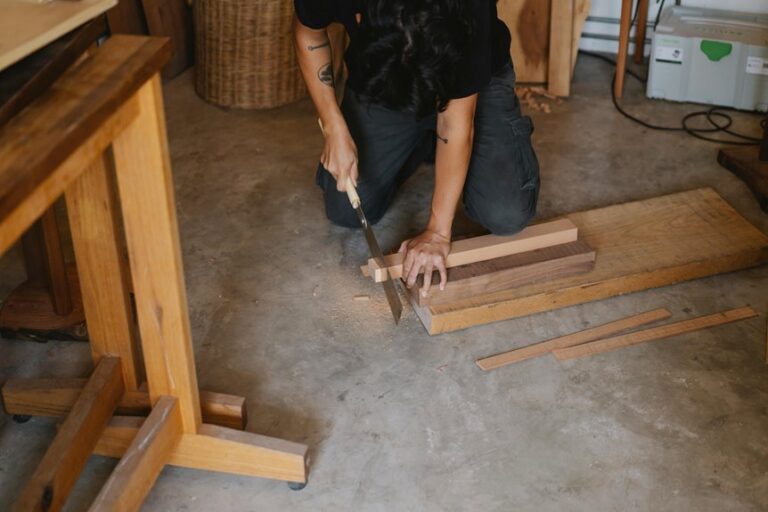
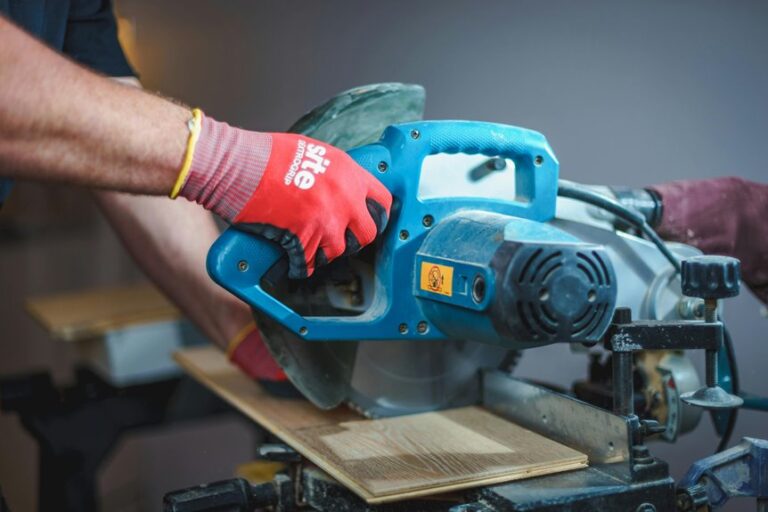
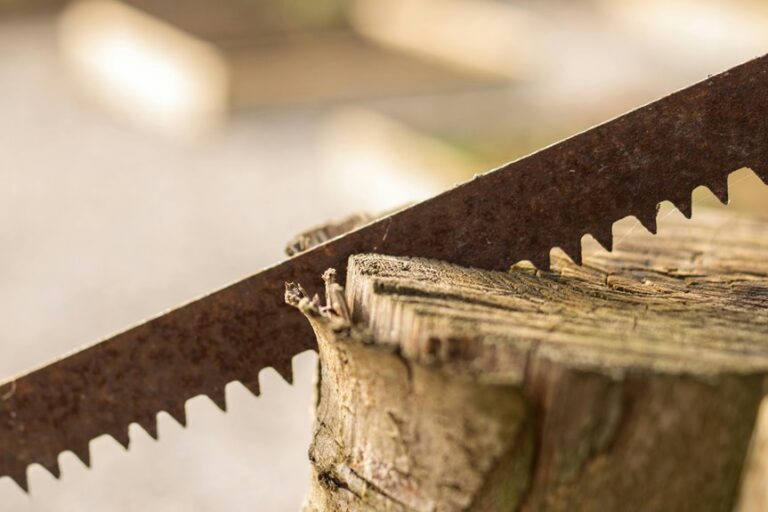
A good pull saw earns its space on a workbench the moment a dovetail or flush trim goes sideways. Western push saws muscle through wood, while pull saws (saws that cut on the stroke toward the user rather than away) slice on the back draw, which leaves a thinner kerf (the width of material the blade removes) and far less tear-out (splintering along the cut face). For hobbyists, furniture builders, and anyone who values a clean shoulder line, that difference is night and day. This roundup walks through seven pull saws covering flush cuts, general rip and cross work, fine joinery, and small DIY projects, so you can match a blade to the work on your bench.
A Snapshot Of The Selections

Temple Tool Co. Japanese Flush Cut Saw 6-Inch Double Edge

SUIZAN Ryoba Double Edge Saw 9.5-Inch

Temple Tool Co. 9.5-Inch Ryoba Pull Saw

SUIZAN Dozuki Dovetail Saw 7-Inch
SUIZAN Ryoba Double Edge Saw 7-Inch
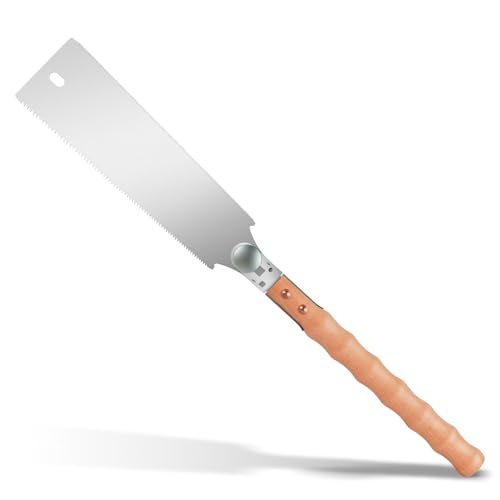
welltoy Double Edge Pull Saw 10-Inch SK5

welltoy 2PC Small Hand Saw Set 6-Inch and 4-Inch
The Details Behind The Selections
Flush cuts punish the wrong blade. Trim a dowel or peg with a stiff push saw and the surrounding face takes a beating, which is exactly the problem this 6-inch Temple Tool Co. flush saw is built to solve. The thin, flexible plate lets the teeth ride along a reference surface and leave a near-burr-free shoulder, so the work piece beneath stays clean.
Where the wider SUIZAN ryoba saws coming up later are designed for breaking down stock, this one is purpose-built for finish work. Picture trimming a row of chair dowels level with a seat, or shaving tenon cheeks (the flat sides of a tenon) to meet a shoulder line: that is the daily job this saw was made for, and the beech handle with brass hardware keeps the grip steady while you finesse the last fraction of a millimeter.
Why It Works Well
- Flexible plate rides flat against a reference surface, which protects the work piece during flush trimming
- Compact 6-inch length reaches into tight spots a longer ryoba cannot follow
- Beach (a dense European hardwood) handle paired with brass fittings gives a controlled, balanced grip
- Doubles as a small crosscut tool for trim pieces when a big saw is overkill
Things To Consider
- Narrow plate and short length make it a poor choice for breaking down sheet goods
- Tooth count on flush blades is intentionally fine, so it will glaze up faster on aggressive hardwood cuts; a quick pass with a feather stick (a thin wood scrap used to clear pitch) clears it
- Storage matters: leaving it in a damp drawer invites rust on the thin plate, so a dry wall hook pays off
Feature Snapshot
Who It Suits Best
Anyone trimming dowels, tenons, or pegs flush to an adjoining surface and who values a clean reference face over pure speed.
Look Elsewhere When
The 6-inch reach of the welltoy flush blade in pick seven is a closer match for small DIY trim jobs, while the longer SUIZAN 9.5-inch ryoba in pick two suits anyone breaking down full boards first.
A ryoba saw carries two sets of teeth on one blade: rip teeth on one edge for cutting with the wood grain, and crosscut teeth on the other for cutting across it. That dual personality is the whole reason the SUIZAN 9.5-inch has earned a permanent spot on hobbyist benches. You can break down a board and trim it to finished length with the same tool, no blade swap required.
Unlike the flush-focused Temple Tool saw in pick one, this ryoba wants you to cut freehand on a bench hook (a simple wooden jig that holds stock upright for sawing) or along a marked line. The longer plate covers more wood per stroke, so a full-width rip across a 1×8 takes only a handful of pulls. For furniture and box builds where you measure once, cut, and move on, it stays out of the way and out of your head.
The Value In It
- Two tooth geometries on one blade replace a separate rip and cross saw on a small bench
- 9.5-inch length clears most hardwood boards in two or three long strokes
- Thin kerf means less waste on expensive hardwood, which adds up over a project
- Light pull action reduces fatigue during a long dimensioning session (cutting stock to final size)
Points To Note
- Longer plate is harder to control than the Temple Tool flush saw when starting a cut on a vertical dowel
- Replacing a damaged blade is a dedicated job, not a quick swap, so handle storage carefully
Feature Snapshot
Made For
Woodworkers and hobbyists who want one saw to dimension lumber, then crosscut it to final size without swapping tools.
Consider Something Else When
Anyone focused on dovetail or fine tenon work gets tighter results from the reinforced SUIZAN Dozuki in pick four, since its stiff back keeps ultra-thin plates from wandering.
Take the SUIZAN ryoba above and dress it up. Temple Tool Co.’s 9.5-inch ryoba uses a Wingnut wood handle (a species in the walnut family known for tight grain and a warm chocolate tone) with brass accents, which makes the saw feel less like a tool and more like a shop keepsake. The geometry stays familiar: rip on one edge, cross on the other, pull-stroke action across the board.
For furniture builders who spend hours with a saw in hand, that ergonomic upgrade matters more than it sounds. Wingnut is slightly denser than typical beech, so the saw carries balance toward the front of the grip and tracks straight on long cuts. Where the 6-inch flush saw in pick one handles finish trims and the welltoy set in pick seven handles rough small tasks, this one occupies the middle: dimensioning hardwood boards and cutting the medium-sized joinery in between.
A Strong Showing
- Wingnut handle gives a denser, more centered grip that resists wrist twist on long pulls
- 9.5-inch length handles both board dimensioning and medium joinery cuts without a tool change
- Rip and cross teeth on one plate cover the full workflow of a typical furniture build
Trade Offs
- Premium handle materials push it above basic ryobas, so it asks more of a wallet on a tight starter budget
- Same long-plate caveat as the SUIZAN 9.5-inch: not the friendliest tool for tiny flush trim work
Best Suited To
Shoppers who plan to use a ryoba weekly and care about how the handle ages in their hand over years of pull strokes.
Skip It When
The SUIZAN 9.5-inch ryoba in pick two is the better call on a tighter budget, since it covers the same cutting work for less.
Where a ryoba trades versatility for thickness, a dozuki specializes. The defining trait of this SUIZAN is its stiffening spine along the top edge of the blade, which keeps a very thin plate from flexing mid-cut. That spine is exactly what you want when laying out dovetails or fine tenons, where a wandering blade spells the difference between a tight joint and a gappy one.
The shorter 7-inch length and reinforced back reward careful layout. A hobbyist trimming a half-inch tenon shoulder benefits from a saw that is happy to follow a marked line, rather than skating past it. Owners commonly report that the blade’s stability inspires confidence once you slow the stroke down, which is the whole point of a dozuki.
The Helpful Details
- Stiffened back keeps the thin plate from wandering, so pencil lines actually get followed
- 7-inch length is short enough to start a cut on the push stroke without flexing the plate
- Thin kerf wastes less wood on small, expensive hardwood blanks
Worth Noting
- The reinforced spine is the feature, but it also means you cannot flip the saw to use the back edge as a second tooth set, so the saw stays single-purpose
- Tooth geometry is fine and prone to pitch buildup in resinous softwoods; wipe the blade after long sessions to keep it cutting clean
Quick Facts
Who Should Grab It
Anyone cutting dovetails, tenons, or other fine joinery where a wandering blade will ruin the fit of the joint.
Reach For A Different Pick When
Most of a project involves breaking down sheet goods, and the SUIZAN 9.5-inch ryoba in pick two will handle the rough cuts faster.
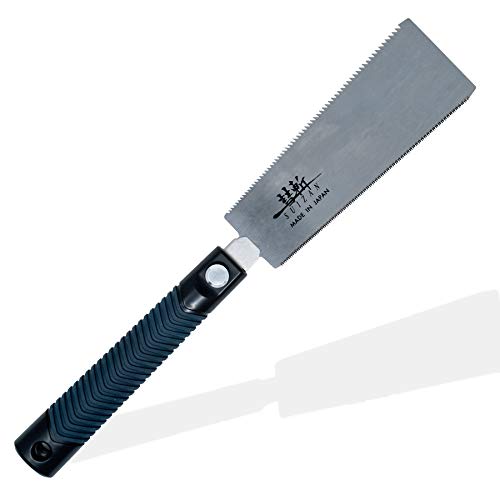
Sometimes a 9.5-inch ryoba is too much saw for the work. The 7-inch SUIZAN keeps the dual rip-and-cross layout of its bigger sibling, but in a footprint that suits a small workbench or a lap project on the kitchen table. The shorter plate makes starts easier and gives you tighter control on narrower stock.
For weekend builders cutting small parts, model pieces, or detail trim, the 7-inch length turns out to be the right size more often than expected. A hobbyist assembling a jewelry box can crosscut thin panels and rip narrow sides without flipping the saw or resetting a bench hook every few inches.
A Few Strong Suits
- Compact 7-inch plate handles narrow stock without overextending on each pull
- Dual rip and cross teeth keep the same workflow as the 9.5-inch ryoba in pick two
- Pull-stroke design makes starting cuts on a vertical layout easier than a long push saw
Some Limits To Know
- Fewer teeth cross the cut face per stroke, so wide rip cuts take more pulls than a 9.5-inch would
- Smaller handle can cramp hands during long sessions, depending on your grip size
Whose Shelf It Belongs On
Shops with limited bench space, hobbyists cutting small parts, and anyone who values control over a longer pull.
A Better Fit Elsewhere
The welltoy 2PC set in pick seven covers small DIY tasks for a similar footprint, and the dual blades give you a flush option in the same drawer.
The 10-inch welltoy stands out for two reasons. First, the SK5 blade (a tough, high-carbon steel used widely for hand tools) with replaceable construction means a damaged edge does not retire the whole saw, you swap the blade and keep going. Second, the tooth pattern uses gradient teeth on the coarse side and a fine 18 TPI (teeth per inch) edge on the other, which gives a shop the ability to rip aggressively and then cross cleanly without a tool change.
For a small workshop tackling panels, closet shelves, or full-size boards, the longer reach pays off in fewer strokes. The bamboo-knot handle stays cool and grippy through long cuts, which is helpful on humid days when other wood handles start to feel slick. It is also a different beast from the small DIY set in pick seven: bigger cuts, more horsepower, and a replaceable blade that extends the saw’s working life.
Strengths Worth Knowing
- Replaceable SK5 blade turns a damaged edge into a five-minute swap rather than a tool replacement
- Gradient teeth on the coarse side clear material quickly on rip cuts, while the fine edge handles trim crosscuts
- 10-inch reach covers wide boards with fewer pulls, useful for panel and shelf work
Honest Caveats
- Longer reach makes this saw less nimble than the SUIZAN 7-inch ryoba in pick five for small detail work
- Bamboo-knot handle looks great but can feel chunky in smaller hands, depending on grip style
Feature Card
Right Fit For
Small-shop woodworkers cutting shelves, panels, and full-width boards who want a replaceable blade for the long haul.
Swap It Out When
The SUIZAN 9.5-inch ryoba in pick two is the simpler call for those who do not need the replaceable blade system.
Not every cut on a weekend project needs a full ryoba. The welltoy 2-piece set pairs a 6-inch flush cut saw with a 4-inch drywall saw, and both blades use the same SK5 steel and anti-slip handle. For the DIY shopper fixing a door jamb, trimming a piece of paneling, or cutting a small notch in drywall, this kit handles tasks that bigger saws would only complicate.
The shorter 4-inch blade reaches spots a 9.5-inch ryoba could never access, and the 17 TPI (teeth per inch) flush side keeps trim work clean. You give up the versatility of a full ryoba and the rigidity of a dozuki, but for the price of a single mid-tier blade, the pair covers the small jobs that show up between bigger projects.
Useful Touches
- Two blades cover both flush cuts and small drywall or notch work in one purchase
- Anti-slip handle stays put during awkward angle cuts, which is where most small trim work happens
- SK5 steel construction holds up to repeated DIY sessions without dulling quickly
Soft Spots
- Short blades cannot break down a hardwood board the way the SUIZAN 9.5-inch ryoba in pick two can
- Replacement blades are not a stocked item, so a damaged edge is a real setback for casual users
Perfect Match For
Home DIYers, renters, and hobbyists handling small trim, drywall, and repair tasks rather than full furniture builds.
Where A Sibling Pick Shines
The Temple Tool Co. 6-inch flush cut saw in pick one is a more focused flush cut tool for anyone serious about trim work on hardwood.
Choosing A Pull Saw That Fits The Work
Pull saws reward specificity. A dozuki built for dovetails will frustrate the user on a sheet-good rip, and a long ryoba will overwhelm a flush trim. The right tool depends on what shows up on your bench more often than anything else.
Match The Blade To The Cut
Rip teeth run parallel to the wood grain and pull long shavings, so a rip edge handles breaking down boards into narrower strips. Crosscut teeth are filed to slice across the grain cleanly, which leaves a smooth finished edge on trim and final cuts. A ryoba carries both edges, so it is the closest thing to a one-saw shop for general woodwork. A dozuki trades one edge for a stiff spine, which is the trade worth making when joinery precision matters more than versatility.
Think About Plate Length And Spine
A 9.5-inch blade covers most hardwood boards in two or three pulls, while a 6-inch blade reaches into spots a longer saw cannot follow. Stiffened spines make thin plates cut straight, but they also lock a saw into a single role. A floppy flush saw cannot face down a full board; a stiff dozuki cannot flex along a reference surface. The blade’s flexibility is the feature, not an inconvenience.
Weight, Handle, And Strokes You Can Live With
Pull saws are lighter than Western push saws, and that weight difference shows up over a long session. A handle that fills your grip and tracks straight in line with the cut takes pressure off the wrist. Thin kerf means less wood disappears into the cut, which matters on expensive hardwood where every fraction of an inch costs real money.
Storage And Upkeep Matter
The thin plates on pull saws are the part most likely to take damage. A dry wall hook, a sleeve, or a drawer tray will save you from a bent plate or a rust bloom. After working resinous softwoods, wiping the blade keeps the teeth sharp longer. None of this is complicated; it just needs to be part of the routine.
Before You Add One To The Cart
A few practical head-fakes can derail a smart pull saw purchase. Skip them and the tool on the bench matches the work in front of you.
Where Shoppers Go Wrong
Treating a ryoba like a dozuki is the most common one. Hobbyists buy a long dual-edge blade expecting it to lay down clean dovetails, then wonder why the plate flexes on a knifed line. Match the saw to the dominant cut, not to the marketing copy. Another trap: ignoring plate thickness. A 0.3 mm plate flexes beautifully along a flush surface, but it will not stand up to a stubborn knot. Read the spec, not just the photo.
When Paying More Pays Off
Higher-tier saws earn their price with better heat treatment (the process of hardening the steel through controlled heating and cooling), tighter tooth sets (the precise angle of the teeth to the blade), and replaceable blades. On a tool you reach for weekly, those differences show up as straighter cuts and longer service life. On a saw you use twice a year, the upgrade rarely pays back. Match the spend to the use.
Frequently Asked Questions
What Is A Pull Saw?
A pull saw cuts on the stroke toward the user rather than away, which keeps the thin blade in tension and produces a cleaner edge with less effort.
How Does A Pull Saw Differ From A Western Saw?
Pull saws use thinner plates, cut on the draw, and leave a finer kerf, while Western push saws use thicker plates and rely on the push stroke to clear material.
What Is A Dozuki Saw?
A dozuki is a Japanese pull saw with a stiffening spine along the back of the blade, designed for fine joinery like dovetails and tenons.
Can A Pull Saw Cut Hardwood?
Yes, pull saws handle hardwood cleanly when the tooth count and plate stiffness match the cut, though coarser teeth clear material faster on thick stock.
How Do I Maintain A Pull Saw?
Keep the blade dry, wipe off pitch after resinous cuts, and store it on a hook or in a sleeve so the thin plate does not bend or rust between sessions.