A radial arm saw lives or dies by its blade, so this list leans into the cutters, switches, and accessories that keep a radial arm setup accurate, safe, and productive. Whether you’re ripping plywood sheets, trimming laminate, or restoring a vintage Craftsman that’s been in the family for decades, the right combination of blade geometry, tooth count, and supporting parts changes everything.
Most of the picks below also fit table saws, miter saws, and panel saws, which is good news for anyone running a mixed workshop. A thin-kerf combination blade, for example, is one of the most useful blades you can own regardless of which machine you strap it to. From there it’s about matching tooth count and grind to the material you cut most, and replacing the small parts (like a worn toggle switch) before they become a safety headache.
A Snapshot Of The Selections

Freud LU83R015 15-in Thin Kerf Combination Blade

Freud LU87R010 10-Inch Thin Kerf Rip Blade

CMT 254.080.10 Non-Ferrous & Laminate Saw Blade

CMT 219.090.12 Sliding Compound Miter Saw Blade

WEN 12-Inch 80T and 100T Finish Blade Bundle

Diablo Diamond Turbo Masonry Cut-Off Blade 12-Inch
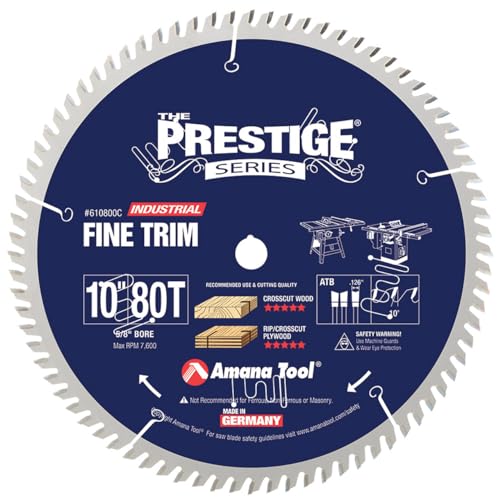
Amana Tool 610800C 10-Inch Prestige Trim Blade
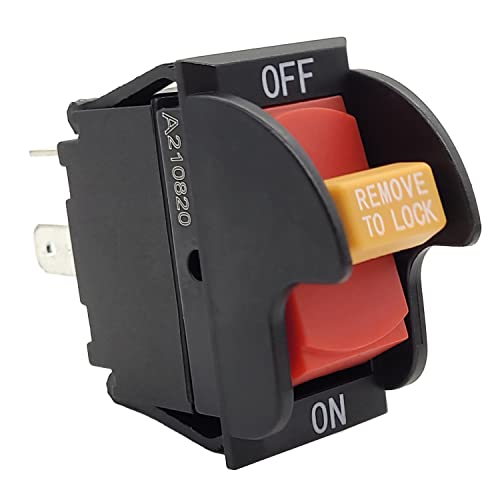
Laofudech SW7A Table Saw On-Off Toggle Switch
More Details On Our Top Picks
A 15-inch combination blade is the kind of upgrade that changes how a radial arm saw feels under load, and the Freud LU83R015 is built to live in that role. The thin-kerf profile (the kerf is the width of material removed by the cut) trims waste and helps older motors spin the cutter without bogging. Laser-cut anti-vibration slots keep the plate stable during long crosscuts, which is where a radial arm saw really earns its keep.
You can mount it on a 1-inch arbor saw and immediately handle both ripping and crosscutting without swapping blades. The non-stick coating reduces pitch buildup, so cleanup takes minutes instead of an hour. In a small shop that values flexibility, this is a strong everyday choice.
Bright Spots
- Combination tooth geometry handles rip and crosscut work in a single blade
- Thin-kerf body reduces motor strain on underpowered radial arm motors
- Anti-vibration plate slots produce cleaner edges and longer bearing life
- Non-stick coating resists pitch and pitch-related blade drag
Worth Noting
- Requires a saw with a 1-inch arbor, so it won’t fit older 5/8-inch setups
- Resin and pitch can still accumulate on the plate during heavy rip cycles
Feature Snapshot
Best Suited To
Home shop owners running 1-inch-arbor radial arm saws who want a single blade for both ripping and crosscutting.
Reach For A Different Pick When
Step over to the Amana Tool 610800C Prestige Trim Blade if your workload leans heavily on chip-free laminate or veneer work.
Where the LU83R015 is the swiss-army knife, the Freud LU87R010 is the dedicated ripsaw blade. The flat grind and 20-degree hook angle pull the blade through hardwood and sheet goods with a forward-feeding action that a radial arm saw rewards. You can rip 3/4-inch plywood without leaning on the carriage, which makes long production runs far less tiring.
The 10-inch size slots onto a 5/8-inch arbor, so it pairs with the more common mid-century radial arm machines still in service. The non-stick coating shaves off friction in dense grain, and the thin kerf leaves a clean edge that often needs no sanding before glue-up.
What Helps Most
- Aggressive hook angle feeds stock through the cut without forcing
- Thin-kerf plate minimizes waste on expensive hardwood and veneer
- 10-inch diameter pairs with classic 5/8-inch arbor radial arm saws
Trade Offs
- Limited to ripping, so you’ll want a separate crosscut blade nearby
- Smaller diameter reduces max depth of cut versus the 15-inch Freud above
Right Fit For
Woodworkers breaking down sheet goods and milling hardwood who want a blade that drives itself through the cut.
Consider Something Else When
Pick the WEN 12-Inch 80T and 100T Finish Bundle instead if you spend more time on finished trim cuts than on rough ripping.
Most radial arm saws spend their lives on wood, but the CMT 254.080.10 is the blade you reach for when the workpiece changes. A TCG (triple chip grind) tooth pattern handles aluminum, melamine, and PVC without chipping the brittle materials, and the negative hook angle (-6 degrees) keeps the blade from grabbing, which is reassuring when a 5/8-inch arbor saw is pushing through thin-wall tubing.
Micrograin carbide edges hold up well to the abrasive nature of laminate and composite stock, and the thinner plate saves horsepower on smaller saws. For the woodworker who also builds custom cabinets or cuts sink cutouts, this blade is the bridge between woodworking and light metalwork.
Good Reasons To Consider
- TCG tooth grind produces clean edges on aluminum and laminate
- Negative hook angle reduces grabbing on small cross-sections
- Thin plate eases the load on older radial arm motors
- Micrograin carbide resists wear from abrasive composites
Honest Caveats
- Not a substitute for a proper ferrous-metal cutoff saw on steel
- Specialty design costs more per tooth than a general-purpose wood blade
- Requires slow, steady feed rate to maximize edge life
Whose Shelf It Belongs On
Cabinet makers and remodelers who cut melamine shelving or aluminum trim on a radial arm saw already set up for wood.
A Better Fit Elsewhere
Stay with the Freud LU87R010 Rip Blade if your cuts are 95% solid wood and you rarely touch metal or laminate.
The CMT 219.090.12 is a 12-inch crosscut blade built for sliding compound miter saws, but the manufacturer lists radial arm saws among its compatible machines, and the 1-inch arbor is the giveaway. With 90 teeth and a -5-degree hook angle, it’s designed to glide through hardwood, plywood, and melamine without leaving the fuzzy edge that ruins a finished surface.
The industrial chrome carbide and tri-metal brazing extend edge life through heavy production runs, and the laser-cut sound dampening slots reduce the ringing that turns long crosscuts into an endurance test. If you build cabinets or furniture, this is the blade that keeps sanding to a minimum.
The Value In It
- 90-tooth count leaves a near-finished edge on hardwood and plywood
- Industrial chrome carbide extends time between sharpenings
- Compatible with radial arm saws that share the 1-inch arbor standard
- Sound-dampening slots cut noise during long crosscut sessions
- Tensioning ring stabilizes the plate at higher RPMs
Points To Note
- 12-inch diameter may not clear the guards on smaller radial arm saws
- Premium price reflects the carbide grade and tooth count
Made For
Finish carpenters and trim specialists running radial arm saws with 1-inch arbors who want a clean cut straight off the machine.
Look Elsewhere When
The Diablo Diamond Turbo Masonry Cut-Off Blade is the better call for tile, stone, or concrete cutting on a 12-inch saw.
The WEN bundle delivers two 12-inch finish blades at a price that usually buys one, which is the entire pitch. One blade runs 80 teeth for fine-finish work, and the other runs 100 teeth for ultra-fine cuts, so you can match the cutter to the workpiece without swapping out for a specialty blade every time. Both fit a 1-inch arbor and are rated for use on miter saws and table saws.
You may find the carbide quality a step below the CMT 219 above, but for weekend projects and DIY trim work, the bundle covers a wide range of cuts without leaving the wallet empty. It’s a smart starting point for a shop still being built out.
What Makes Sense
- Two-blade bundle covers fine and ultra-fine cuts in one purchase
- 1-inch arbor fits most modern radial arm and miter saws
- Carbide-tipped teeth handle both hard and softwood species
Where It May Fall Short
- Carbide grade is more economy than industrial, so edge life is shorter on heavy use
- 100-tooth blade cuts slower than a lower-tooth finish blade
Who Should Grab It
Beginners and DIY remodelers setting up a shop with a single radial arm or miter saw who want flexibility at a friendly price.
Skip It When
Step up to the CMT 219.090.12 if you run a production schedule and need an edge that lasts through daily cuts.
Stepping away from wood, the Diablo Diamond Turbo is a 12-inch diamond blade designed to cut masonry on a radial arm or tile saw. The turbo rim design clears dust fast and keeps the cut cool, which is critical when you’re pushing through concrete, pavers, or stone. At 2.8mm, the kerf is moderate, balancing fast feed rate with reasonable material removal.
For a workshop that occasionally handles tile or stone alongside woodwork, this blade is a versatile bridge. Don’t run it on a wood saw without dust control and water management, since dry masonry cutting throws fine particulate everywhere.
What It Does Well
- Diamond grit cuts concrete, stone, and tile efficiently
- Turbo rim pattern clears dust to keep the cut cool
- 12-inch size covers larger tile and paver work
Things To Weigh Up
- Requires wet-cutting setup or aggressive dust extraction for safe use
- Will not cut wood or metal without destroying the rim
- Arbor size should be confirmed against your specific saw before mounting
Who It Suits Best
Renovation contractors and tile installers who already own a radial arm saw and want one blade for occasional masonry cuts.
Not Your Match When
The Freud LU83R015 Combination Blade is a better fit if your work stays strictly in hardwood and sheet goods.
The Amana 610800C is the blade you mount when the workpiece is fragile. An 80-tooth ATB (alternate top bevel) grind and 10-degree hook angle let the cutter glide through single-sheet veneers and stacked laminates without chipping either face. The 5/8-inch arbor matches the older radial arm saws in many home shops, so it’s an easy drop-in for a vintage machine.
Where the CMT 254 above handles metal and the Freud LU87R010 rips wood, the Amana sits firmly in trim and panel sizing. The trade-off shows up in feed rate: it wants a slow, deliberate push, but the edge it leaves behind is essentially finish-ready.
Notable Gains
- 80-tooth ATB grind produces chip-free edges on veneer and laminate
- 10-degree hook angle delivers controlled, low-effort feeding
- 10-inch size fits classic 5/8-inch arbor radial arm saws
Some Limits To Know
- Slow feed rate frustrates high-volume production work
- Premium price for what is essentially a single-purpose trim blade
Perfect Match For
Finish carpenters and cabinet makers trimming laminates, melamine, and hardwood panels where chip-free edges matter.
Swap It Out When
Pick the CMT 254.080.10 Non-Ferrous Blade if your trim work involves aluminum extrusions or composite panels instead of wood.
Not every upgrade is a blade, and the Laofudech SW7A is a reminder that a worn switch is one of the most common reasons a vintage radial arm saw gets parked. The switch replaces OEM part numbers for Delta, Ryobi, and Craftsman machines, so it covers a wide swath of mid-century workbench saws still running in home shops. It also fits planers, band saws, drill presses, and dust collectors.
Installation is a straightforward wire-and-mount swap, and the rugged toggle is rated for the inrush current of induction motors. For a saw that’s been reliable for decades but now needs a safety refresh, this switch is the lowest-cost path back to safe operation.
Features That Help
- Direct replacement for several common OEM part numbers
- Compatible with Delta, Ryobi, and Craftsman radial arm saws
- Mounts on planers, band saws, and dust collectors too
Practical Considerations
- Confirm the OEM cross-reference matches your specific saw model before ordering
- Requires basic wiring comfort and a safe lockout procedure during install
The Right Fit
Restorers of older radial arm saws and shop owners replacing a flaky or cracked switch on multiple bench tools.
Another Choice May Suit
The WEN 12-Inch Finish Bundle is a more useful upgrade for shops that don’t yet need a switch replacement.
Choosing The Right Blades And Parts For Your Shop
Match The Blade To The Material, Not The Saw
A radial arm saw is a versatile platform, and the blade you mount decides what it cuts well. Combination blades like the Freud LU83R015 cover ripping and crosscutting in one body, while dedicated rip blades (Freud LU87R010) and trim blades (Amana 610800C) trade versatility for cleaner results in their lane. Match the tooth count to the finish you need: 24 to 40 teeth for rough work, 60 to 90 for cabinet-grade cuts, and 80 to 100 for trim and veneer.
Understand Hook Angle, Kerf, And Tooth Geometry
Hook angle is the angle of the tooth relative to the cut line, and it controls how aggressively the blade pulls itself through wood. A steep positive hook (15 to 20 degrees) feeds fast and suits ripping, while a low or negative hook (0 to -6 degrees) feeds slowly and resists grabbing, which matters on a radial arm saw where the blade climbs through the workpiece. Thin-kerf blades remove less material, which helps smaller motors, but flex more on heavy cuts.
Confirm Arbor Size And Plate Diameter
Arbor size is the diameter of the center hole that mounts the blade, and getting it wrong means the blade won’t fit. Older radial arm saws typically use 5/8-inch arbors, while many newer machines and sliding miter saws run 1-inch. Plate diameter affects depth of cut and guard clearance, so measure your saw’s housing before stepping up to a 15-inch blade.
Don’t Forget The Small Parts
A reliable switch, clean arbor, and properly adjusted guard matter as much as the blade itself. The Laofudech SW7A is a good example of a $20 part that brings a dormant saw back to safe, daily use. Before you blame a cut quality issue on the blade, check the switch, the brushes, and the alignment of the arm.
Where Shoppers Go Wrong In This Category
Pitfalls Shoppers Hit
A common trap is buying the cheapest blade and expecting cabinet-grade results. Tooth count, carbide grade, and plate stability all influence finish quality, and a bargain blade on a fine finish cut produces tearout that no amount of sanding fixes. Another mistake is ignoring arbor size, which leads to blades that simply don’t fit the saw. Measure twice and confirm the spec before clicking through.
Where The Extra Money Goes
Premium blades like the CMT 219.090.12 use industrial chrome carbide, tri-metal brazing, and laser-cut plate features that extend edge life dramatically. Higher tooth counts also mean slower, cooler cuts, which reduces heat-related warping and tooth loss. The upgrade pays off for shops that run daily cuts; for weekend projects, a mid-tier blade is usually enough.
Frequently Asked Questions
What Size Blade Does A Radial Arm Saw Use?
Most radial arm saws accept 10-inch or 12-inch blades, though some older industrial machines take 14-inch or 15-inch cutters. Always confirm the arbor size and the saw’s maximum blade diameter before upgrading, because guard clearance and motor power both limit what the machine can safely run.
Can Radial Arm Saws Use Miter Saw Blades?
Many miter saw blades are compatible with radial arm saws, especially when the arbor size and diameter match. Crosscut blades with 60 to 90 teeth tend to perform well on both machines, so the CMT 219.090.12 and the WEN 12-Inch Finish Bundle are both reasonable choices for shared duty.
What Is The Best Blade For Ripping Plywood On A Radial Arm Saw?
A thin-kerf rip blade with a 20-degree hook angle, such as the Freud LU87R010, is a strong match for sheet goods. The flat grind clears the wide kerf cleanly, and the thin plate keeps the saw from bogging down in plywood stacks.
Are Thin Kerf Blades Worth It On A Radial Arm Saw?
Thin-kerf blades reduce motor load and waste less material, which helps older or smaller radial arm motors maintain RPM. The trade-off is slightly more plate flex, so heavy ripping through dense hardwood may benefit from a full-kerf blade instead.
How Often Should I Replace The Blade On A Radial Arm Saw?
Replace the blade when cuts start producing excessive tearout, burning, or require more feed force than usual. For shops that cut daily, carbide blades typically last several months; for hobbyists, a quality blade can run for years before needing a swap.