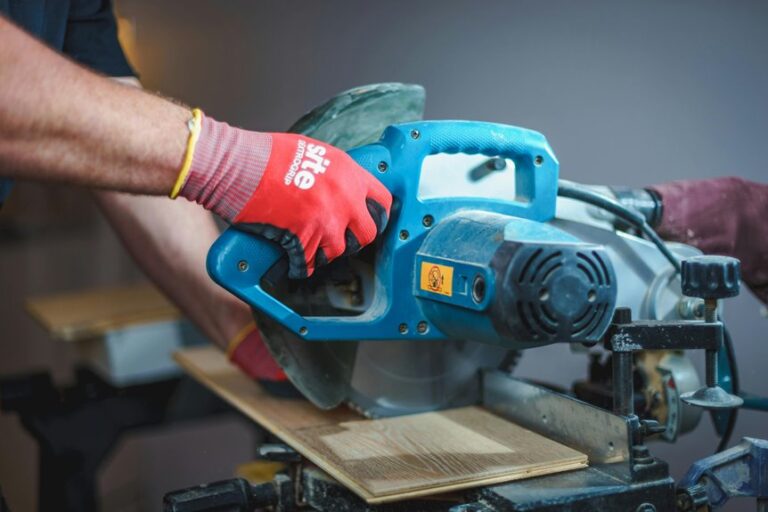
A rear handle circular saw puts the grip and trigger behind the motor, mimicking a chainsaw stance. That layout transfers weight straight down through the cut, so framers and remodelers chasing cleaner lines and less arm fatigue pay close attention to this style. Cordless M18 platforms now rival corded output, while classic worm drives keep their torque-first reputation alive. The shortlist below mixes both, with options that suit weekend deck projects and others built for daily jobsite abuse.
A Fast Comparison Of The Options

Bosch 7-1/4-Inch Worm Drive Circular Saw CSW41

DEWALT 7-1/4-Inch Circular Saw DWE575
SKILSAW SPT77WML-01 15-Amp Worm Drive

Milwaukee 2830-20 Rear Handle 7-1/4-Inch
DEWALT DWE575SB Corded Circular Saw
SKILSAW SPT67WL-01 Sidewinder 7-1/4-Inch
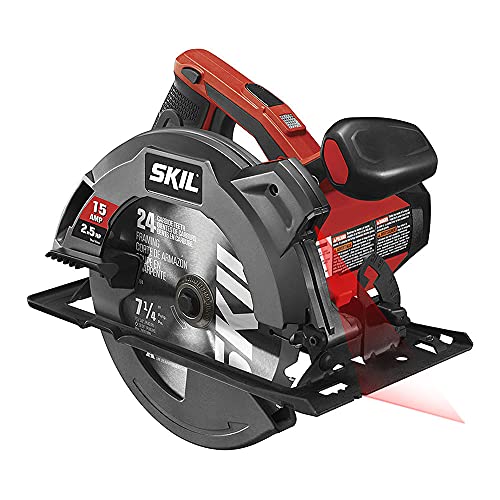
SKIL 5280-01 Circular Saw with Laser

Makita HS0600 10-1/4-Inch Circular Saw

CRAFTSMAN CMES510 7-1/4-Inch Corded
A Closer Look At Each Pick
Framers and remodelers who lean on worm drive cutting power gravitate to the Bosch CSW41, where the gear-reduction layout pushes the blade slower and harder for cleaner rips through wet lumber. A rear-mounted grip keeps the saw aligned with the forearm, much like a chainsaw, which is the whole reason this style exists.
Compared with the DEWALT DWE575 below, this Bosch trades lightweight handling for raw torque and longer blade life under heavy loads.
Where It Delivers
- Worm drive gearing delivers strong, steady torque through dense framing lumber.
- Rear handle geometry lines up naturally with your wrist, easing long rip cuts.
- 7-1/4 inch blade cuts standard 2x material in a single pass.
- Brushed motor design is field-serviceable for shop owners.
- Balanced weight near the rear grip reduces wrist torque during vertical cuts.
Trade Offs
- Heavier than sidewinder saws like the SKILSAW SPT67WL-01, so overhead work tires the arm faster.
- Gearbox oil may need occasional checking, a maintenance step corded sidewinders skip.
Who It Suits Best
Pro framers and serious remodelers cutting wet lumber all day will appreciate the torque-forward design.
Where Another Pick Suits Better
The DEWALT DWE575 is a smarter match for anyone prioritizing all-day comfort over maximum torque.
The DEWALT DWE575 trims every gram it can from a corded circular saw without gutting the 15 amp motor underneath. At roughly 8.8 pounds, it sits at the lighter end of corded saws, which is meaningful when you’re reaching over your head to trim a header or cutting dozens of rafter tails.
Against the Bosch CSW41 above, the DWE575 sacrifices worm drive torque for a nimbler feel and easier blade swaps. For most DIYers and remodelers, that balance lands well.
Key Advantages
- Lightweight corded body reduces fatigue on long days of overhead trimming.
- 57 degree bevel capacity handles common angled cuts without awkward repositioning.
- 2-9/16 inch depth of cut covers standard 2x lumber at full bevel.
Things To Consider
- No electric brake means the blade coasts longer after trigger release.
- Corded design limits reach without extension cords or generators.
- No laser line, so beginners may want the SKIL 5280-01 instead.
Right Fit For
Remodelers and serious DIYers running corded power who need a lighter saw for all-day cutting sessions.
Consider Something Else When
The DEWALT DWE575SB is the better choice if an electric brake and faster repeat cuts matter to your workflow.
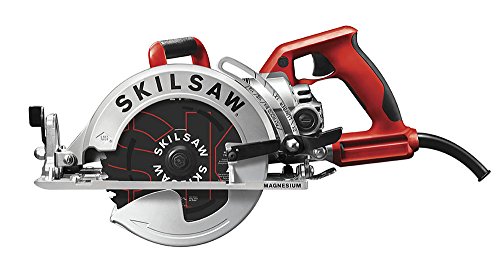
SKILSAW rebuilt its classic worm drive around a magnesium housing, trimming weight without giving up the slow-blade, high-torque character the brand built its name on. The 11.5 pound figure is unusual for a worm drive, where heavier gear reduction usually adds bulk.
Compared to the Bosch CSW41 covered above, this SKILSAW aims for the same torque audience but with a noticeably lighter footprint. It’s the model pros reach for when worm drive cutting power matters but their shoulders protest standard worm drive weight.
The Practical Payoff
- Magnesium housing cuts weight while improving heat dissipation around the motor.
- 15 amp motor handles pressure-treated lumber and engineered beams without bogging.
- Worm drive gearing delivers the slower blade speed that pros trust for clean rips.
- Rear handle alignment keeps the wrist straight through long vertical cuts.
Points To Keep In Mind
- Still heavier than sidewinders like the DEWALT DWE575.
- Magnesium parts can show cosmetic wear from jobsite drops more readily than steel.
Best Suited To
Framers and trim-out pros who want worm drive cutting behavior with less end-of-day shoulder strain.
Skip It When
The SKILSAW SPT67WL-01 is a friendlier match if a sidewinder layout and lighter top-handle feel matter more than worm drive torque.
Milwaukee’s 2830-20 brings rear handle ergonomics into the M18 cordless system, a platform already common on framing trucks. The brushless motor is rated to deliver corded-comparable cutting output, which is the bar that cordless rear handle saws keep trying to clear.
Against the corded Bosch CSW41 covered above, this Milwaukee trades unlimited runtime for the freedom to cut anywhere on site without hunting for a generator. You may find the cutting feel slightly different from a worm drive, since brushless sidewinder motors spin faster.
Standout Benefits
- Brushless motor output rivals 15 amp corded saws in most framing cuts.
- M18 battery compatibility means one charger system covers drills, impacts, and saws.
- Rear handle layout keeps wrists aligned when cutting roof trusses overhead.
- No cord to trip over on cluttered deck builds or remodels.
Honest Caveats
- Battery and charger add to total cost beyond the bare tool.
- Heavy high-capacity packs tip the balance point back compared to corded saws.
Perfect Match For
Tradesmen already invested in the Milwaukee M18 system who want cordless rear handle ergonomics on framing days.
Not Your Match When
The DEWALT DWE575SB fits better if you need constant runtime and don’t already own a battery platform.
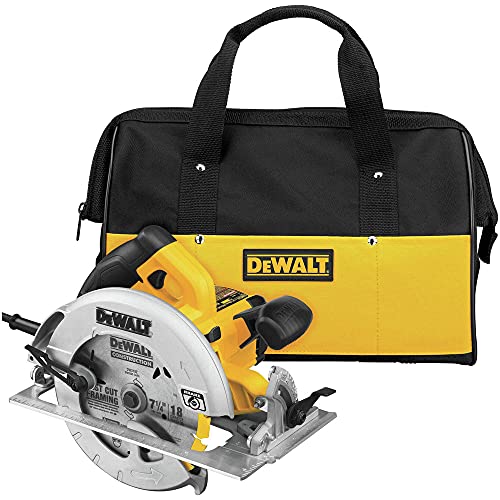
The DWE575SB takes the DWE575 body and adds an electric brake that stops the blade the moment you release the trigger. On a jobsite where repeat cuts stack up, that brake shaves time and reduces the slow coast that throws off your line.
Where the SKIL 5280-01 below leans on a laser line, this DEWALT leans on mechanical safety and faster cycle times. The trade-off is real: the brake adds modest weight and a few extra dollars to the price tag.
Everyday Wins
- Electric brake stops the blade quickly for safer repeat cuts.
- Same lightweight 8.8 pound base as the DWE575 for overhead work.
- 57 degree bevel capacity handles a wide range of angled cuts.
- 15 amp motor delivers the cutting power needed for framing lumber.
Worth Bearing In Mind
- Corded design limits mobility on remote or off-grid job sites.
Who Should Grab It
Carpenters who make dozens of short cuts per hour and want the blade to stop on a dime each time.
Look Elsewhere When
The SKIL 5280-01 is worth a look if a built-in laser line matters more than an electric brake.
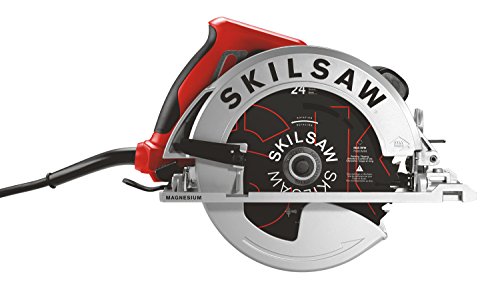
The SPT67WL-01 takes the sidewinder layout, where the motor sits directly beside the blade, and pairs it with a Dual-Field motor designed specifically for circular saws. Sidewinders spin faster than worm drives, which favors finish cuts and sheet goods where a clean edge matters.
Where the SKILSAW SPT77WML-01 above leans into worm drive torque, this sibling model trades that torque for a lighter top-handle stance. The honest read is that finish carpenters and remodelers who cut plywood and trim lean toward this style.
Reasons It Performs
- Sidewinder layout keeps the saw compact for cuts in tight spaces.
- Dual-Field motor is engineered to stay cool under extended use.
- Lighter overall weight than the worm drive SPT77WML-01.
- Fast blade speed suits sheet goods and trim cuts.
Room For Improvement
- Less torque than worm drive saws for pushing through thick, wet lumber.
- No electric brake on the base configuration.
Built With In Mind
Finish carpenters, remodelers, and DIYers who cut sheet goods, trim, and framing lumber on a mixed schedule.
Swap It Out When
The SKILSAW SPT77WML-01 is the better fit when worm drive torque and slower blade speed matter for daily framing work.
The SKIL 5280-01 brings a single-beam laser guide and an integrated dust blower to a 15 amp corded platform, which is the combo that makes first projects less guesswork. The laser projects your cut line onto the workpiece, which removes one common point of confusion for newer users.
Against the DEWALT DWE575 above, the SKIL trades a smaller, lighter frame for those alignment features. You may find the laser most useful on long sheet-good cuts where following a pencil line by eye drifts the saw off course.
What Makes Sense
- Single-beam laser projects the cut line onto the workpiece.
- Integrated dust blower keeps the line visible during the cut.
- 15 amp motor handles most home framing and deck projects.
Less Ideal Details
- Heavier than the DEWALT DWE575 for overhead work.
- Laser adds a small step if you prefer sighting along the shoe traditionally.
Whose Shelf It Belongs On
First-time saw owners and weekend DIYers who want visual cut-line help and a familiar price point.
A Better Fit Elsewhere
The DEWALT DWE575 suits better if you already know how to sight a cut line and want the lightest corded option available.
The Makita HS0600 jumps up to a 10-1/4 inch blade, which is the kind of tool you reach for when the lumber is bigger than 2x. The 3-13/16 inch depth at 90 degrees means a 4x post comes out the other side in a single pass, no flipping required.
Compared with the SKIL 5280-01 covered above, this Makita is heavier and more specialized, but it earns its place on crews that frame with timbers or rip thick stock. The ball-and-needle bearing construction is the kind of detail that suggests long service life under load.
Practical Advantages
- 10-1/4 inch blade cuts 4x material in a single pass.
- 3-13/16 inch depth at 90 degrees handles most post and beam stock.
- Ball and needle bearing construction supports smooth power transfer under load.
- Adjustable top guide aligns notches with the cut line for improved accuracy.
Points To Note
- Larger blade and motor push the weight well above standard 7-1/4 inch saws.
- Specialty tool, so it overlaps with framing saws only on heavier cuts.
Who Will Love This
Carpenters, timber framers, and remodelers cutting posts, beams, and thick dimensional lumber on a regular basis.
Another Choice May Suit
The CRAFTSMAN CMES510 is worth considering for standard 2x work where the extra capacity is unnecessary.
The CRAFTSMAN CMES510 pairs a 15 amp motor with a magnesium shoe, which is a nice material upgrade at a price that’s friendlier than the pro-grade picks above. The 5,500 RPM blade speed and 18T carbide blade are aimed at fast, aggressive cuts in dimensional lumber.
Compared to the DEWALT DWE575 covered above, the CRAFTSMAN trades DEWALT’s lighter frame for a magnesium shoe and tool-free beveling. The honest read is that this saw suits home workshop owners who cut on weekends rather than every day on a job site.
A Strong Showing
- Magnesium shoe reduces weight and resists jobsite wear.
- 5,500 RPM motor delivers fast, aggressive cutting in dimensional lumber.
- Tool-free beveling shoe pivots up to 55 degrees with detents at 22.5 and 45.
- Spindle lock simplifies blade changes for the home shop owner.
Some Limits To Know
- No electric brake means the blade coasts after trigger release.
- Corded design limits mobility versus the Milwaukee 2830-20 cordless option.
Made For
Home shop owners and weekend remodelers who want a magnesium-bodied corded saw without the pro-tier price tag.
Reach For A Different Pick When
The DEWALT DWE575SB makes more sense if an electric brake and lighter weight matter for your project list.
What Matters Most Before Choosing Rear Handle Circular Saws
Drive Style and Cutting Feel
Worm drive saws spin the blade slower with higher torque, which suits wet lumber and framing work where a slower, more aggressive cut is fine. Sidewinder saws spin the blade faster and sit beside it directly, which favors sheet goods, trim, and finish cuts. Picking the right drive style matters more than raw specs, since the saw’s personality shapes how every cut feels.
Weight, Balance, and Grip Position
Rear handle saws push the trigger and grip behind the motor, which lines up the wrist and forearm the way a chainsaw does. The trade-off shows up in total weight: the rear handle and motor often sit higher than a top-handle design, so balance matters as much as the pound figure. For overhead work, a lighter rear handle saw like the DEWALT DWE575 will outlast a heavier worm drive on your shoulders.
Bevel Range and Depth of Cut
Most 7-1/4 inch saws in this category cut 2x lumber at 90 degrees and offer a bevel up to 55 or 57 degrees. A bigger blade, like the 10-1/4 inch Makita HS0600, raises the maximum depth so 4x posts come clean in one pass. The catch is heavier overall weight and a less nimble feel for everyday cuts.
Power Source and Runtime
Corded saws deliver constant power but tie you to an outlet or generator. Cordless rear handle saws like the Milwaukee 2830-20 trade runtime for mobility, and the actual cutting time per charge depends on the battery capacity and the density of the material. For crews already invested in a battery platform, cordless starts to make practical sense.
Key Considerations Across These Picks
Pitfalls Shoppers Hit
A common slip is choosing a worm drive saw for finish carpentry, where the slower blade speed and heavier gear box fight you on sheet goods and trim. Another is buying a cordless rear handle saw without checking the battery system you already own, since starter batteries often lack the high-output rating that brushless motors want. New users sometimes skip the bevel detents at 22.5 and 45 degrees, only to find their mitered cuts are off by a degree or two.
Where The Extra Money Goes
Higher-tier rear handle saws tend to add brushless motors, electric brakes, and magnesium housings, all of which add cost but pay back over years of use. The electric brake alone is a workflow upgrade on jobs where you make hundreds of short cuts per day, since the blade stops on a dime. Magnesium parts also shed weight, which is the difference between finishing a framing day with sore shoulders and finishing one with energy to spare.
Frequently Asked Questions
What Is a Rear Handle Circular Saw?
A rear handle circular saw mounts the grip and trigger directly behind the motor, so the saw aligns with your forearm the way a chainsaw does. This layout transfers weight straight down through the cut, which reduces wrist strain on long vertical and overhead work.
Are Rear Handle Saws Better for Framing?
Rear handle saws are popular with framers because the grip orientation lines up cleanly with the cut line and supports a natural stance during long rips. Worm drive rear handle saws in particular deliver the slower blade speed and high torque that wet framing lumber responds to.
Corded or Cordless Rear Handle Saw?
Corded rear handle saws offer constant power and lower upfront cost, while cordless models free you from extension cords and generators. Cordless is a stronger pick if you already own a compatible battery platform and need to cut in places where power is scarce.
What Blade Size Fits Most Rear Handle Saws?
Most rear handle saws in this category use a 7-1/4 inch blade, which is the standard size for 2x lumber and sheet goods. Larger specialty saws, like the Makita HS0600, step up to 10-1/4 inches for timbers and 4x stock.
How Heavy Is a Typical Rear Handle Circular Saw?
Corded rear handle saws in this category range from about 8.8 pounds on the lighter side up to roughly 11.5 pounds for a magnesium-bodied worm drive. Cordless models vary with the battery, so the tool-only weight and the in-use weight can differ noticeably.