


Cordless hammer drills have quietly outgrown the “compact backup” label. Battery voltage keeps climbing, brushless motors show up everywhere, and a tool that once felt like a compromise now genuinely replaces a corded drill for many homeowners and trade pros. The catch is sorting through nine very different options, from tiny 12V drivers to full SDS rotary hammers built for concrete.
This guide walks through what each model actually brings, where the trade-offs show up, and who should spend on the heavy hitters versus who should grab the lighter workhorses. The picks below lean on each model’s stated specs, so you get honest attribute detail without the brochure fluff.
A Fast Comparison Of The Options

Bosch Professional 12V System GSB 12V-15 Battery Hammer Drill
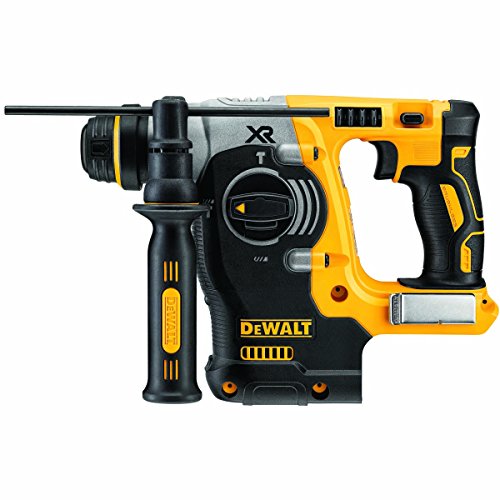
DEWALT 20V MAX SDS Rotary Hammer Drill (DCH273B)

BOSCH 11255VSR Bulldog Xtreme SDS-Plus Rotary Hammer

Milwaukee M12 FUEL 1/2″ Hammer Drill-Driver

DEWALT 20V MAX SDS Plus Rotary Hammer (DCH172B)

Cordless Rotary Hammer Drill 6.8 lb

DEWALT 20V MAX Hammer Drill Brushless (DCD805B)
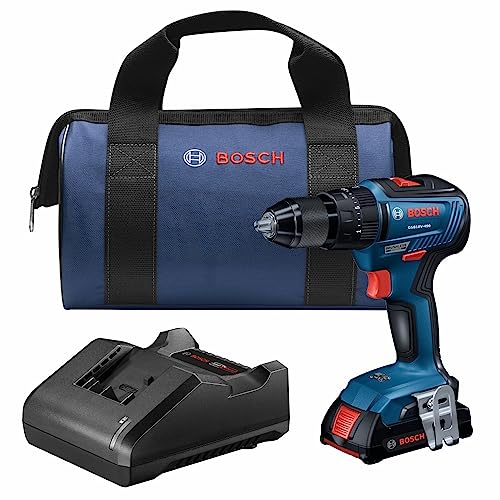
Bosch GSB18V-490B12 18V Hammer Drill Kit
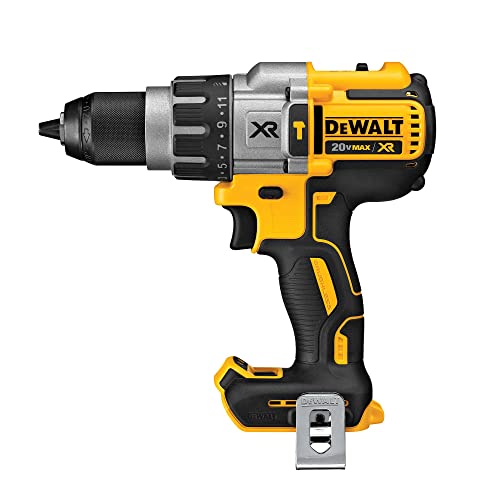
DEWALT 20V MAX XR Hammer Drill Driver (DCD996B)
A Closer Look At Each Pick
Where bigger 18V and 20V hammer drills get awkward, this 12V Bosch slips in and gets the job done. The 169mm head length is genuinely short, which means overhead work in a finished ceiling or a tight cabinet cavity no longer feels like a wrist workout. The two-speed gearbox puts out 15Nm for smooth driving and supports drilling up to 19mm, with a 10mm self-locking keyless chuck that holds bits firmly without needing a separate key.
It comes as a kit with two 2.0Ah batteries and a 39-piece accessory set, all packed in a canvas case for easy transport between calls. The trade-off, of course, is raw impact power, so this is not the drill for serious masonry. It is a precise, well-balanced tool built for installers, electricians, and anyone who spends more time above their head than at a workbench.
Where It Helps
- Compact 169mm head fits into ceiling joist bays and cabinet interiors where 18V drills cannot reach comfortably.
- 10mm self-locking chuck means faster bit swaps and fewer dropped bits on ladders.
- Two 2.0Ah batteries in the kit keep a charged spare ready, which matters on long trim-out days.
- 15Nm torque handles typical wood, metal, and light masonry without bogging down.
Honest Caveats
- Impact force and chuck capacity are modest, so heavy concrete drilling is a stretch for this model.
- The canvas case is portable but offers less rigid protection than a hard shell on rough jobsites.
At A Glance
Right Fit For
Electricians, cabinet installers, and finish carpenters who spend more time in ceiling cavities than on concrete slabs.
Reach For A Different Pick When
The DEWALT 20V MAX SDS Rotary Hammer Drill (DCH273B) suits anyone who regularly drills anchor holes in poured concrete.
SDS-Plus is the chuck system built for serious hammer drilling, and this DEWALT leans into that purpose hard. The 1-inch rotary hammer pairs a brushless motor with a German-engineered mechanism, delivering 2.1 Joules of impact energy, which is the kind of force that chews through cured concrete, brick, and stone instead of politely tapping at it.
Three application modes cover rotation-only drilling, hammer drilling, and chisel-only work, so the tool doubles as a small chipper when tile or mortar needs removing. The bare-tool listing means the battery and charger are sold separately, which only makes sense if you already own a DEWALT 20V battery platform. For mechanical and electrical contractors who install anchors all day, that ecosystem pays off fast.
Strong Points
- SDS-Plus chuck system accepts masonry bits designed for sustained impact loads.
- 2.1 Joules of impact energy handles concrete and stone without exhausting the motor.
- Three modes (drill, hammer drill, chisel) replace two tools on a typical anchor install.
- Brushless motor extends runtime and reduces wear on internal components.
Things To Consider
- Sold as bare tool, so budget for at least one 20V battery and a charger if you are new to the platform.
- Heavier than a standard drill-driver, so overhead anchor runs can wear on the forearm after a full day.
Made For
Trade professionals who anchor into concrete regularly and already run, or plan to build, a DEWALT 20V battery setup.
Look Elsewhere When
The Bosch Professional 12V System GSB 12V-15 is a smarter pick for finish work in tight overhead spaces.
The Bulldog Xtreme is the corded outlier in a list full of batteries, and there is a real reason it stays in the conversation. A mains-powered SDS rotary hammer simply does not run out of steam mid-job, which is exactly what you want during long chipping sessions or when drilling dozens of 3/8-inch anchor holes in a basement floor.
The SDS-Plus bit system swaps bits by hand without any chuck key, and the Vario-Lock positioning offers 36 bit angles for chiseling. Vibration control is built into the housing, which sounds like a marketing line until you spend an afternoon breaking up tile and your hands do not go numb. An auxiliary handle and a depth gauge ship in the carrying case, so it arrives genuinely ready to work.
Features That Help
- Corded power means no battery anxiety on marathon demolition days.
- SDS-Plus system with tool-free bit changes keeps the workflow moving.
- 36-position Vario-Lock chiseling adjusts to the wall and the angle of attack.
- Built-in vibration control reduces hand fatigue over long sessions.
Trade Offs
- Being tethered to an outlet limits how far you can roam on a jobsite or in a yard.
- SDS-Plus bits are a different ecosystem from standard drill bits, so adapter work may be needed for non-masonry tasks.
Best Suited To
Renovation crews and serious DIYers who already have outlet access and need sustained hammering power.
Consider Something Else When
The DEWALT 20V MAX SDS Rotary Hammer Drill (DCH273B) is the better match for roaming anchor work without a cord.
At 2.6 lbs with battery, the Milwaukee M12 FUEL is the kind of tool you forget is hanging on your tool belt. The 1/2-inch all-metal chuck is a serious piece of hardware for a subcompact drill, which is why electricians and HVAC techs like it: the chuck holds larger bits firmly without slipping, and the brushless motor delivers noticeably more torque than older M12 generations.
The bare-tool listing is part of Milwaukee’s M12 platform play, so it works with the dozens of M12 batteries and chargers you may already own. You trade raw impact force for portability here, but the trade-off makes sense for anyone climbing ladders, crawling through attics, or driving fasteners overhead for hours. For occasional light masonry, the hammer mode is more capable than its size suggests.
A Few Highlights
- 2.6 lb tool weight makes belt carry and overhead work genuinely comfortable.
- Brushless motor delivers stronger performance and longer life than brushed predecessors.
- 1/2-inch all-metal chuck grips bits firmly under load without slipping.
- M12 platform compatibility opens access to a huge ecosystem of batteries and chargers.
Worth Noting
- Bare-tool only, so first-time M12 shoppers need to budget for a battery and charger.
- Smaller motor means heavier masonry drilling is slow compared to 18V and 20V class drills.
Who It Suits Best
Service trades and remodelers who want a hammer drill that disappears on a tool belt but still drives lag screws without flinching.
Where Another Pick Suits Better
The DEWALT 20V MAX XR Hammer Drill Driver (DCD996B) is the smarter upgrade for daily jobsite drilling on larger projects.
DEWALT’s ATOMIC line is designed to live in the gap between a 12V drill-driver and a full-size rotary hammer, and the DCH172B hits that niche well. The 5/8-inch SDS-Plus chuck paired with a brushless motor produces 1.4 Joules of impact energy, which is enough to handle rod hanging, concrete forming, and small cable tray work without dragging out a heavier tool.
The compact form factor is the real story. This drill fits in places where the larger DCH273B above would be unwieldy, like inside a steel stud cavity or above a drop ceiling. The bare-tool listing keeps the price reasonable for anyone who already invests in DEWALT 20V batteries. It is a thoughtful middle pick, not a stripped-down entry model.
Where It Excels
- Compact SDS-Plus drill fits into stud bays and overhead cavities that reject full-size rotary hammers.
- Brushless motor stretches battery life and reduces internal wear over time.
- 1.4 Joules of impact energy covers most small-anchor and rod-hanging tasks.
- ATOMIC platform scales well with existing DEWALT 20V battery investments.
Small Caveats
- 5/8-inch chuck capacity limits the largest masonry bit you can run.
- Impact energy is lower than the larger DCH273B, so heavy concrete demolition is not its strength.
Feature Snapshot
Perfect Match For
Mechanical and electrical installers who drill small-anchor holes in tight overhead spaces and already run DEWALT 20V batteries.
Swap It Out When
The DEWALT 20V MAX SDS Rotary Hammer Drill (DCH273B) suits crews who need larger bit capacity and heavier impact energy.
This cordless rotary hammer earns attention mostly for one specific number: 6.8 pounds. For a category where tools routinely tip past 10 pounds with battery attached, that kind of weight savings shows up fast on a long drilling run, especially above shoulder height.
The trade-off is that the listing keeps specs light, so you step into it knowing the form factor is the headline. For homeowners and small-shop users tackling the occasional masonry project, like a patio pergola or a basement bar build, that lighter weight and cordless freedom may be more useful than chasing maximum impact energy. Treat it as a friendly introduction to rotary hammering, not a daily crew tool.
Why It Works Well
- 6.8 lb total weight is noticeably easier on the arms than most cordless rotary hammers.
- Cordless convenience means no extension cords strung across the yard or basement.
- Reasonable size for homeowners who only drill into masonry a handful of times a year.
Points To Keep In Mind
- Limited published specifications make it harder to match against pro-grade alternatives.
- Best for lighter masonry work, not full-day concrete demolition sessions.
Whose Shelf It Belongs On
Homeowners and weekend builders who want a manageable rotary hammer for small masonry projects around the house.
Skip It When
The DEWALT 20V MAX SDS Plus Rotary Hammer (DCH172B) is the better choice for anyone who needs verified specs and brand-name support.
The DCD805B is a compact 1/2-inch hammer drill-driver, not a rotary hammer, which matters for how you should think about it. It runs in the same size class as a standard drill-driver but adds a hammer mode rated at up to 34,000 BPM for occasional masonry drilling. The 2-speed transmission lets you switch between high-torque low-speed driving and high-speed drilling without swapping tools.
The brushless motor is the real upgrade over older brushed DEWALT 20V drills: it runs cooler, sips battery power more efficiently, and generally lasts longer under heavy use. The bare-tool listing keeps the cost reasonable for someone adding to an existing DEWALT 20V battery system. As a do-it-all drill that can also handle light masonry, it is one of the most versatile picks in this roundup.
Everyday Advantages
- 2-speed transmission adapts to drilling wood, metal, and masonry without changing tools.
- Brushless motor extends runtime per battery charge compared to brushed models.
- Compact body fits into cabinets and tight spaces where full-size drills feel clumsy.
- DEWALT 20V platform compatibility with the rest of the XR tool family.
Practical Considerations
- Not a true rotary hammer, so sustained concrete drilling is harder than SDS-Plus models like the DCH273B.
- You will need a DEWALT 20V battery and charger to get started, sold separately here.
Feature Rundown
Who Will Love This
Remodelers and DIYers who want one drill that handles wood framing, metal fastening, and light masonry without swapping tools.
Not Your Match When
The DEWALT 20V MAX SDS Rotary Hammer Drill (DCH273B) is a better fit for anyone drilling into concrete every week.
The Bosch GSB18V-490B12 is a kit, not a bare tool, which sets it apart in a list where most options arrive without a battery. The included 18V 2.0Ah standard power battery is enough to get started on smaller projects, and the rapid mode selector dial on the body is what gives this drill its identity.
The selector switches between hammer mode, drilling, and driving with a 20-position clutch for fine-tuning torque. That kind of granularity is genuinely useful when working with mixed materials, because the right torque setting prevents stripping soft fasteners. The brushless EC motor adds to the kit’s value by reducing heat and runtime loss under load. For first-time cordless hammer drill shoppers, having the battery in the box matters.
Standout Benefits
- Battery included in the box, so no separate charger or battery purchase is required to start.
- Rapid mode selector dial cycles between hammer, drill, and drive modes without guessing.
- 20-position clutch reduces fastener stripping in soft materials and delicate work.
- Brushless EC motor extends runtime compared to brushed 18V predecessors.
Things That May Matter
- 2.0Ah battery is on the smaller side, so heavy use may benefit from a higher-capacity spare.
- SDS chuck is not included, so this drill works best for keyless bit use rather than masonry-only bit systems.
Key Specs
Who Should Grab It
First-time cordless hammer drill shoppers who want a complete kit out of the box, with the battery included.
A Better Fit Elsewhere
The DEWALT 20V MAX XR Hammer Drill Driver (DCD996B) is a stronger match for daily professional drilling on bigger jobsites.
The DCD996B sits at the top of DEWALT’s 20V MAX XR hammer drill lineup, and the build reflects that. The 1/2-inch ratcheting chuck is nitro-carburized metal with carbide inserts, which is a fancy way of saying the jaws stay grippy on bits even after years of heavy use. The brushless motor delivers up to 75 percent more runtime than brushed equivalents, so larger battery packs go further on a single charge.
Three speed settings cover the typical drilling, driving, and high-speed fastening needs, and a 3-mode LED light brightens dim corners of jobsites and crawlspaces. This is a bare tool, which makes sense for crews who already run stacks of 20V batteries. For tradespeople who want a hammer drill that can keep up with daily production framing and masonry drilling, this is the kind of tool that earns its keep over years.
Useful Highlights
- Nitro-carburized metal chuck with carbide inserts grips bits firmly under heavy load.
- Brushless motor stretches runtime noticeably compared to brushed 20V models.
- 3-speed transmission matches speed and torque to fastening, drilling, and high-speed tasks.
- 3-mode LED with 20X brightness helps in dark corners and tight cavities.
Where It Is Less Suited
- Bare tool only, so newcomers to DEWALT 20V need to budget for batteries and a charger.
- Larger body than compact 12V options like the Bosch GSB 12V-15, so extended overhead work tires the arm faster.
Feature Overview
Built With In Mind
Production framers, remodelers, and trade pros who run DEWALT 20V batteries and need a hammer drill that holds up to daily work.
Where A Sibling Pick Shines
The DEWALT 20V MAX SDS Rotary Hammer Drill (DCH273B) is the better upgrade when concrete anchor work dominates the day.
What To Weigh Before Choosing A Cordless Hammer Drill
Voltage class is the first real decision. A 12V drill like the Bosch GSB 12V-15 is light and quick, perfect for finish work and overhead fastening, but it lacks the impact force for serious masonry. An 18V or 20V drill splits the difference, giving you more torque without the bulk of a full SDS rotary hammer, which is what you want for general carpentry plus the occasional concrete anchor. Voltage ratings are not interchangeable across brands, so a DEWALT 20V battery will not power a Milwaukee or Bosch 18V tool. Picking a brand and sticking with it pays off in shared batteries and chargers.
Chuck type is the second decision that quietly shapes the whole ownership experience. Keyless chucks accept standard drill and driver bits and are the right call for most users. SDS-Plus chucks are built for sustained impact drilling in masonry, and they require SDS-Plus bits, which are a different ecosystem from regular drill bits. If your work is mostly wood and metal, save the money and stick with a keyless chuck. If you anchor into concrete every week, the SDS-Plus investment is worth it.
Hammer mode versus rotary hammer is the third call. Hammer mode on a regular drill-driver adds light impact for occasional masonry drilling. A true rotary hammer uses an SDS-Plus chuck and a piston-driven mechanism for sustained concrete work. Homeowners and remodelers can usually stay in the hammer mode camp. Trade pros who live on anchor installs will feel the difference within a single workday.
Battery platform and ecosystem matter more than they look at first. Bare-tool listings save money, but only if you already own compatible batteries. First-time shoppers should look for kits like the Bosch GSB18V-490B12 that ship with a battery. Brushless motors, present on most modern picks here, generally last longer and run longer per charge than brushed equivalents, which is why they are worth prioritizing.
Key Considerations Across These Picks
Common Shopping Slip Ups
A frequent misstep is buying a 12V drill expecting it to handle heavy masonry work. That is not what those tools are for, and the frustration shows up the first time a 1/2-inch bit stalls in cured concrete. Matching the drill class to the workload keeps expectations realistic.
When Paying More Pays Off
The jump from a brushed motor to a brushless one, or from a 2-speed to a 3-speed transmission, is where the price difference actually shows up on the jobsite. Longer runtime, less heat, and finer speed control compound over years of ownership, which is why pros gravitate toward XR and FUEL-tier tools even when the entry-level picks look capable on paper.
Frequently Asked Questions
What is the difference between a hammer drill and a rotary hammer?
A hammer drill adds a light pounding action to a standard rotating chuck, which is enough for occasional masonry drilling. A rotary hammer uses an SDS-Plus chuck and a piston mechanism that delivers much harder blows, making it the right tool for sustained concrete work.
Do brushless motors really last longer than brushed ones?
Brushless motors generate less internal heat and have no brushes to wear out, which generally translates into longer tool life and more runtime per battery charge, especially under heavy load.
Can a 12V hammer drill replace a 20V model?
A 12V drill is a great fit for finish work, cabinetry, and light fastening, but it lacks the impact force and chuck capacity for repeated masonry drilling. For concrete anchors and heavy materials, an 18V or 20V drill is the smarter call.
What is SDS-Plus and why does it matter?
SDS-Plus is a specialized chuck system designed for sustained impact drilling in masonry. It accepts SDS-Plus bits, which lock in place without a key and transfer impact energy more efficiently than standard chucks, so the tool lasts longer under heavy use.
Is a bare-tool listing worth it for first-time buyers?
Bare-tool listings save money for shoppers who already own compatible batteries, but for first-time buyers, a kit that includes a battery and charger is usually the better starting point.




