


Fiberglass chews through ordinary blades. The resin binder acts like fine sandpaper, and once tooth edges round off, cuts wander and slow down. Picking the wrong blade for a fiberglass panel, pipe, or trim piece means chipped edges, heat buildup, and a frustration that follows you through the rest of the project. The right blade keeps teeth sharp, runs cool, and finishes the job without wearing out your patience.
This roundup is for tradespeople, boat repair folks, and serious DIYers who cut fiberglass often enough that the wrong blade costs real time. Each pick below is built around a specific cutting scenario, so you can match the tooth count and grit to the material sitting on your workbench.
An Overview Of The Picks

HAPU HARPOW Tools Masonry Reciprocating Saw Blade

Astro Pneumatic 5SAWR Blade Set 32 TPI 5-Pack
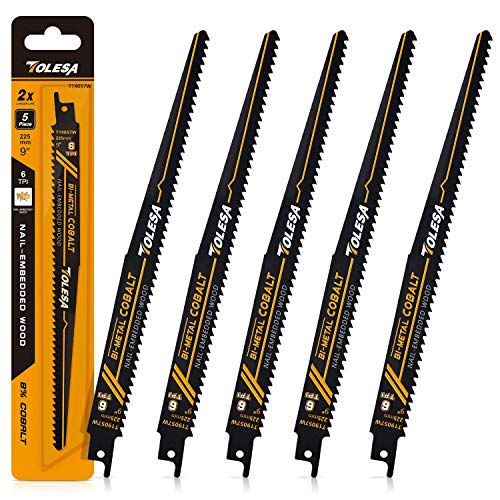
TOLESA Reciprocating Saw Blades 9″ 6TPI 5-Pack
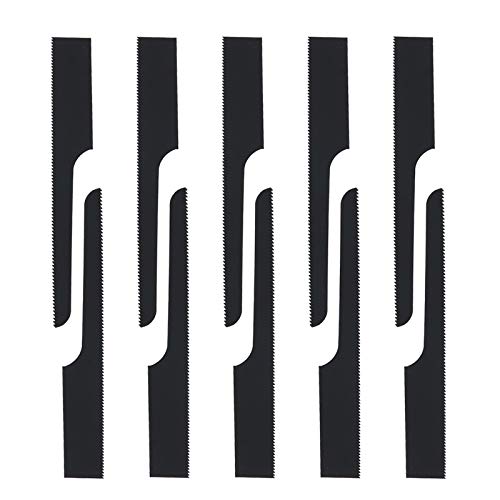
SING F LTD 10x Air Body Saw Blades 24T

Performance Tool M555-24 Air Saw Blades 10-Pack

SING F LTD 10pc Bi-Metal Air Body Saw Blades

Diablo Diamond Grit Reciprocating Saw Blade 9″

HAPU HARPOW 2-Piece 6″ Diamond-Grit Saw Blade
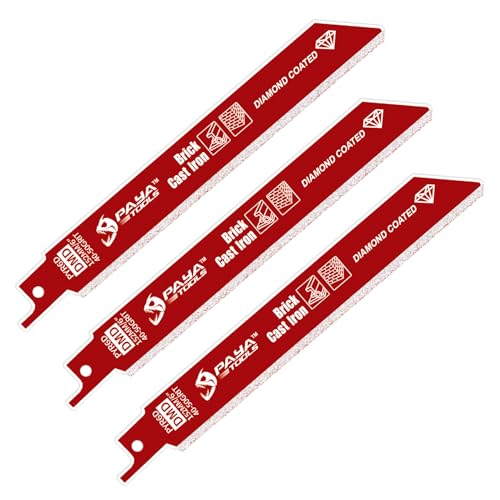
PAYA TOOLS 3-Piece 6″ Diamond-Grit Saw Blade
Inside Each Recommended Option
A nine-inch diamond grit blade built for thick, abrasive material. It works well when you are cutting through molded fiberglass panels, cast iron soil pipe repairs, or fiber cement backerboard. The reinforced body helps the blade track straight through dense stock, which matters when you are making plunge cuts into a fiberglass tub surround or trimming a stair landing.
For boat restorers and remodelers who hit fiberglass often, the extended tooth life means fewer blade swaps mid-project. The grit edge handles materials that would dull a standard toothed blade in a single pass. It is the kind of blade you keep on hand for the “surprise” cuts that come up when a remodel reveals old material nobody planned for.
Why It Works Well
- Diamond grit edge is rated for up to 6X longer life than standard blades in abrasive applications
- 9-inch length reaches into deeper cuts and extends past thicker material
- Reinforced body reduces flex during heavy cuts, keeping the cut line accurate
- Handles cast iron, masonry, fiber cement, and fiberglass with the same blade
- Thin kerf removes less material, helping faster cuts in dense stock
Worth Noting
- Diamond grit blades cut slower on thin, flexible fiberglass than a fine-tooth bi-metal blade would
- The 9-inch reach is overkill for trim work in tight cabinet spaces
Key Product Details
Who Will Love This
Tradespeople and remodelers who cut abrasive materials weekly, including fiberglass, need a long-life blade that can take punishment without constant replacement.
Look Elsewhere When
The Astro Pneumatic 5SAWR Blade Set is a cleaner fit for finish cuts on thin fiberglass where chip control matters more than blade life.
A five-pack of 32 TPI (teeth per inch) bi-metal blades sized for the Astro 129TW air saw. The high tooth count delivers a smooth, controlled cut on thin fiberglass sheet and trim. The bi-metal construction bonds a hardened tooth edge to a flexible backing, which is what gives these blades their balance of sharpness and bend resistance.
Users finishing a fiberglass motorcycle fairing, trimming a thin RV panel, or making precision cuts in a shower surround benefit from this kind of fine-tooth design. Each blade is individually sleeved, and the set stores in a vinyl pouch so spares stay organized in a drawer or toolbox tray. It is a different cutting world than the HAPU HARPOW diamond grit blade above, which is built for thick, abrasive material rather than finish quality.
Real-World Strengths
- 32 TPI produces clean edges on thin fiberglass, reducing chipping and splintering
- Bi-metal body resists breakage during curved or scroll cuts
- Five blades per pack covers a multi-day project without resupply
- Vinyl storage pouch keeps spare blades together in the shop
- Cuts pipe, mild steel, aluminum, plastic, and fiberglass with the same blade profile
Trade Offs
- 32 TPI is the wrong end of the spectrum for fast rough cuts on thick fiberglass
- Sized for the 129TW tool platform, so it is not a universal reciprocating saw fit
Made For
Shops already running Astro 129TW air saws who need consistent fine-tooth performance for finish fiberglass work, plumbing, and metal trim.
Consider Something Else When
The TOLESA Reciprocating Saw Blades 9″ 6TPI 5-Pack is the better match for standard electric reciprocating saws doing demolition and rough cuts.
Nine-inch bi-metal blades with six teeth per inch, designed for aggressive cuts in nail-embedded wood and engineered lumber. The coarse tooth pattern chews through material fast, which translates well when you are roughing out fiberglass-backed panels or pulling apart a structure where fiberglass is bonded to framing.
Demolition contractors and remodelers tearing out old shower walls, hot tub surrounds, or boat interiors will appreciate the speed. The cobalt-infused tooth edge (8% cobalt per the manufacturer) helps the blade hold up when it occasionally nicks a hidden fastener. It is rougher on finish edges than the Astro Pneumatic set, but that is the point, since these blades prioritize pace over polish.
Where It Delivers
- Aggressive 6 TPI tooth pattern removes material quickly during teardown work
- Bi-metal construction with cobalt-reinforced teeth handles nail strikes
- Wide gullets between teeth clear chips without clogging on rough cuts
- Works on glass fiber reinforced plastics under 7mm and engineered lumber
- Five-blade pack supports a full tear-out without mid-project resupply
Points To Note
- Coarse teeth leave a rough edge on finished fiberglass surfaces, so plan for trimming afterward
- Built for demolition pace, not precision trim work
Quick Facts
Right Fit For
Demolition crews and remodelers cutting fiberglass-embedded framing who want pace over polish and a blade that survives stray nails.
Not Your Match When
The Diablo Diamond Grit Reciprocating Saw Blade suits users who need cleaner cuts in abrasive fiberglass, especially cast iron and fiber cement combinations.
A ten-pack of 24-tooth bi-metal blades built for air body saws. Each blade measures roughly 95mm, which is the common fitment for pneumatic body saws used in auto body and light fabrication work. The high tooth count sits in a useful middle ground for cutting thin fiberglass panels without leaving heavy chipping.
Auto body techs and hobbyists restoring fiberglass car panels get a stockpile of blades at a unit cost that makes single-blade replacement painless. The bi-metal construction is what gives these blades their edge retention on fiberglass resin, which is far more abrasive than plain steel sheet metal. Compare to the 32 TPI Astro set, and you trade a smoother finish for more cutting speed.
The Good Stuff
- Ten blades per pack keeps spares on hand for high-consumption shops
- 24 TPI balances cut speed with acceptable edge quality on thin fiberglass
- Bi-metal body holds up to the flex of pneumatic saw reciprocation
- Listed compatible with wood, fiberglass, plastic, and sheet metal
Honest Caveats
- Carbon steel core, not a true high-end bi-metal, so blade life per unit is shorter than premium options
- Designed specifically for air body saws, not full-size reciprocating saws
Best Suited To
Auto body shops and fiberglass panel restorers who blow through blades quickly and want a budget-friendly bulk pack for air saws.
Skip It When
The Performance Tool M555-24 is a better match for shops that want a recognized brand and a more durable bi-metal build on the same TPI.
A ten-pack of 24 TPI bi-metal air saw blades from a recognized tool brand. The M555-24 sits in the same tooth-count range as the SING F LTD pack above but steps up the construction quality. Performance Tool has been a steady presence in the budget-to-mid tool market, and these blades reflect that reputation for predictable shop consumables.
Multi-material shops that cut fiberglass, plastic, and thin metal in a single afternoon benefit from the universal fit. The bi-metal build reduces breakage on curved cuts, which is helpful when trimming fiberglass headlight buckets or dashboard panels. You pay a small premium over generic options, but the consistency across the ten-pack matters for production environments.
Good Reasons To Consider
- Bi-metal construction improves breakage resistance during curved cuts
- Universal fit works on most common reciprocating air saws in shop fleets
- Ten-pack provides consistent blade performance across a work session
- 24 TPI handles fiberglass, plastics, and metals with one blade profile
Possible Compromises
- Air saw fit only, so not a swap-in for full-size corded reciprocating saws
- 24 TPI is a compromise between finish quality and cut speed, not specialized for either extreme
Who Should Grab It
Working shops with mixed-material cut lists who want a dependable 24 TPI blade from an established brand at a reasonable per-unit cost.
A Better Fit Elsewhere
The SING F LTD 10pc Bi-Metal Air Body Saw Blades is a stronger value option for shops that want a mixed TPI assortment in one pack.
A ten-blade pack that splits the difference: five 24-tooth and five 32-tooth bi-metal blades sized for air body saws. The mix lets you switch from fast rough cuts to cleaner finish work without buying a second pack. It is the kind of practical combination that suits a part-time hobbyist or a small shop with varied cut lists.
The 24 TPI blades handle faster trimming, while the 32 TPI blades clean up edges on visible fiberglass surfaces. Owners commonly report using the coarser blades for rough sizing and switching to the finer blades for trim work on motorcycle fairings or kayak repairs. Listed compatibility covers wood, fiberglass, plastic, and sheet metal, which covers most light fabrication needs.
What Pays Off
- Two TPI options in one pack covers rough sizing and finish work
- Bi-metal construction adds durability over plain carbon steel
- Ten-blade count supports extended projects without resupply runs
- Multi-material compatibility suits a small shop with varied work
Soft Spots
- Split pack means only five blades at each TPI, so heavy users may still need to restock
- Air body saw fit only, limiting usefulness for full-size reciprocating saw users
Feature Snapshot
Built With In Mind
Hobbyists and small shop owners cutting varied materials on air saws who want a single pack that covers both rough and finish work.
Another Choice May Suit
The HAPU HARPOW Tools Masonry Reciprocating Saw Blade is the right pick for full-size reciprocating saws and abrasive-heavy fiberglass work.
A nine-inch diamond grit blade from Diablo, a brand known for premium cutting tools. The thin kerf design (the width of material the blade removes as it cuts) removes less stock per pass, which speeds up work and reduces heat buildup in the cut. That matters with fiberglass, since heat softens the resin and produces a smell nobody wants in a confined space.
Tradespeople and serious DIYers who cut cast iron, fiber cement, masonry, and fiberglass benefit from a single premium blade that handles them all. The diamond grit edge is rated for up to 6X longer life than standard blades, which softens the higher unit cost over time. It is a noticeable step up in refinement from the HAPU HARPOW diamond grit blade earlier in this list, particularly in cut speed and finish quality.
Practical Pluses
- Thin kerf design cuts faster and produces less waste per pass
- Diamond grit edge rated for up to 6X longer life in abrasive applications
- 9-inch length reaches into deeper material and tight spaces
- Single blade covers cast iron, masonry, fiber cement, and fiberglass
- Diablo’s reputation for consistent blade quality reduces mid-project surprises
Some Limits To Know
- Premium pricing per blade compared to entry-level diamond options
- Still slower on thin flexible fiberglass than a fine-tooth bi-metal blade
Perfect Match For
Tradespeople who regularly cut abrasive materials and want a longer-lasting diamond blade with refined cut speed from a recognized brand.
Swap It Out When
The PAYA TOOLS 3-Piece 6″ Diamond-Grit Saw Blade is a more compact alternative for shorter reach cuts and lower per-pack cost.
A two-pack of six-inch diamond grit blades from HAPU HARPOW Tools. The shorter length makes these blades easier to control in tight spaces, which is the trade-off you accept when stepping down from the nine-inch version reviewed earlier. Reinforced body construction still helps reduce deflection during cuts, and the thin kerf profile keeps material removal efficient.
Plumbers and remodelers working in confined areas benefit from a shorter blade. Think under-sink fiberglass repairs, tight shower valve cutouts, or trimming fiberglass panels in a kitchen alcove. The diamond grit edge handles cast iron, masonry, fiber cement, and fiberglass, which covers the messy reality of older home repairs where you never know what material you will hit.
Real Benefits
- 6-inch length improves control in tight spots where longer blades bind
- Diamond grit edge handles multiple abrasive materials with one blade
- Thin kerf speeds up cuts and reduces material waste
- Two-blade pack covers a small project at a low entry cost
Small Caveats
- Two-blade count is small for high-volume shops
- 6-inch reach is too short for deep cuts in thick material
Whose Shelf It Belongs On
Plumbers and remodelers who frequently work in tight spaces and need a compact diamond grit blade for fiberglass and masonry trim cuts.
Where A Sibling Pick Shines
The HAPU HARPOW Tools Masonry Reciprocating Saw Blade is the stronger fit for users who need the 9-inch reach for deep or thick material.
A three-pack of six-inch diamond grit blades in the 40 to 50 grit range. The grit rating tells you the abrasive particle size, and 40 to 50 grit is a coarser cut suited to faster material removal. The reinforced body design and thin kerf profile carry over from the nine-inch HAPU HARPOW design, just sized down for shorter reach work.
Remodelers and marine repair techs who make repeated short cuts in fiberglass, fiber cement, or masonry get a balanced three-pack at a sensible entry cost. The grit edge is rated for up to 6X longer life than standard blades, which helps offset the slightly higher cost per blade over a project. Compared to the HAPU HARPOW two-pack above, you get one extra blade and a coarser grit for faster cuts.
What It Does Well
- 40 to 50 grit diamond edge favors faster material removal in abrasive stock
- Three-blade count supports a moderate-size project without restocking
- 6-inch length fits work in cabinets, closets, and other tight zones
- Reinforced body design reduces deflection during heavy cuts
- Multi-material compatibility covers fiberglass, masonry, and fiber cement
Details To Watch
- Shorter reach rules out deep plunge cuts in thick assemblies
- Coarser grit leaves a rougher edge than finer diamond blade options
Feature Rundown
The Right Fit
Remodelers and marine repair users who want a compact, multi-pack diamond blade for repeated short cuts in abrasive materials.
Reach For A Different Pick When
The Diablo Diamond Grit Reciprocating Saw Blade 9″ is the better option for users who want a premium brand and longer reach on abrasive jobs.
What Matters When Choosing Reciprocating Saw Blades For Fiberglass
Tooth Design vs. Grit Edge
Toothed bi-metal blades use sharp cutting edges to slice material. They work fast on thin fiberglass, but the resin binder dulls the teeth quickly. Diamond grit blades use abrasive particles to grind through material, which is slower on thin stock but lasts far longer on thick, abrasive fiberglass. Match the blade type to the material thickness and the volume of cutting you expect to do.
TPI and Cut Quality
Teeth per inch (TPI) controls the trade-off between speed and finish. Lower TPI blades (6 to 10) cut faster but leave rough edges. Higher TPI blades (24 to 32) cut slower but produce cleaner edges on visible fiberglass surfaces. For a project that involves both rough sizing and finish trimming, a mixed pack like the SING F LTD 10pc set covers both jobs.
Blade Length and Reach
A 9-inch blade reaches deeper into material and is the standard length for most reciprocating saws. A 6-inch blade is easier to control in tight spaces and reduces the risk of the blade binding against adjacent surfaces. For under-sink work, cabinet interiors, or any confined area, the shorter blade usually wins on control.
Fitment With Your Saw
Standard electric reciprocating saws use a universal shank. Air body saws use a shorter, narrower shank designed for pneumatic tools. Buying a blade that does not fit your saw is a common mistake, so check the shank type and the listed tool compatibility before ordering. Air saw blades in this list are clearly marked, and full-size blades fit standard reciprocating saws.
Key Considerations Across These Picks
Pitfalls Shoppers Hit
The most common mistake is choosing a coarse-tooth demolition blade for finish fiberglass work. The cut goes fast, but the rough edge requires extra sanding or trimming afterward, adding time rather than saving it. A second trap is buying a diamond grit blade for thin, flexible fiberglass sheet and expecting fast cuts. Diamond grit works best on thick, dense material, and bi-metal fine-tooth blades cut thin fiberglass faster with cleaner results.
What The Higher Tier Buys
Premium diamond grit blades like the Diablo 9-inch option cost more per unit but last significantly longer in abrasive applications. The longer blade life means fewer blade swaps on a project, less time wasted on tool changes, and a more consistent cut quality across a long job. For users who cut abrasive materials monthly or more, the higher unit cost pays back through reduced replacement frequency. For occasional one-off cuts, the entry-level diamond options like the HAPU HARPOW two-pack make more economic sense.
Frequently Asked Questions
Can a standard reciprocating saw blade cut fiberglass?
Standard bi-metal blades with 14 to 24 TPI cut thin fiberglass reasonably well, though tooth wear happens quickly. Diamond grit blades last much longer on abrasive fiberglass but cut slower. Match the blade type to the cut volume and material thickness.
What TPI works best for fiberglass?
For finish cuts on thin fiberglass, 24 to 32 TPI produces the cleanest edges. For rough cuts and demolition work, 6 to 10 TPI removes material faster. Mixed packs offer both options for projects that require rough sizing and finish trimming.
Do diamond grit blades work on fiberglass?
Diamond grit blades are designed for abrasive materials including fiberglass, fiber cement, masonry, and cast iron. They cut slower than toothed blades on thin stock but last far longer on thick or high-volume fiberglass work.
How long do reciprocating saw blades last on fiberglass?
Blade life depends on TPI, blade quality, and material thickness. Bi-metal toothed blades may dull after a few cuts on thick fiberglass. Diamond grit blades are rated for up to six times the life of standard blades in abrasive applications.
Can air body saw blades cut fiberglass as well as standard reciprocating saw blades?
Air body saw blades cut fiberglass well within their size range, but they are shorter and designed for pneumatic tools. For deep cuts, thick material, or full-size reciprocating saws, standard-length blades are the better fit.




