


Refreshing a few walls, staining the back deck, or finally tackling that rental property has a way of turning into a much bigger job once the brush comes out. Residential paint sprayers cut that time down dramatically, but the category spans everything from handheld HVLP (High Volume Low Pressure) units for furniture to cart-mounted airless rigs for whole-house exteriors. Picking the wrong type wastes paint and patience, so the list below sorts nine solid options by the kind of work they actually do best, with honest trade-offs called out for each.
The Main Contenders

Graco 17G180 Magnum ProX19 Cart Paint Sprayer

Wagner Spraytech Control Pro 130 HEA Sprayer
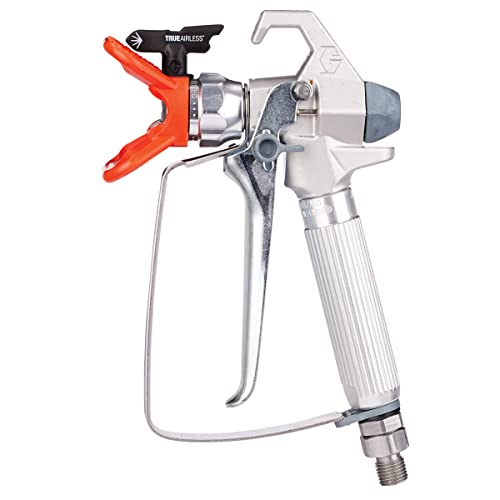
Graco SG3 Professional Airless Spray Gun
Mechloom 1000W HVLP Electric Paint Sprayer

Mechloom 1000W HVLP Spray Gun (Blue)

Wagner Spraytech Control Spray QX2 Stain Sprayer

Wagner Spraytech FLEXiO 570 HVLP Sprayer

CUIOFREE 1000W Electric Paint Sprayer

Mechloom Cordless Paint Sprayer 700W
Inside Each Recommended Option
The Graco Magnum ProX19 is the kind of cart-style airless sprayer (a pump-driven system that pushes paint through a tiny nozzle at high pressure, no air compressor needed) that turns a weekend of brushwork into a single afternoon. It rolls alongside you on a wheeled frame, which matters once you’re thirty minutes into a long wall and dragging a hose gets old. The fully adjustable pressure gives real control over output, so the same rig handles a thin primer coat and a thicker latex finish without swapping machines.
The RAC IV SwitchTip is the small detail that makes a big difference: reverse the tip to clear a clog in seconds and you’re spraying again instead of tearing down for cleaning. For rental property owners who cycle through empty units, that reliability matters more than fancy features.
A Favorable Mix
- Cart-mounted design saves your back on long projects
- Adjustable pressure adapts to primers, stains, and latex
- SwitchTip reversal clears clogs without disassembly
- Handles thicker materials without constant thinning
- On-the-job pump swap reduces downtime during big jobs
Things To Consider
- Airless units produce more overspray than HVLP, so masking takes longer
- Cart footprint needs storage space in a garage or shed
Key Specs
Who It Suits Best
Homeowners with rental properties, multi-room repaints, or exterior siding jobs who want pro-grade output without renting a contractor rig.
Consider Something Else When
The Wagner Spraytech FLEXiO 570 is a calmer fit for indoor furniture and detail work, where the ProX19’s overspray feels excessive.
Wagner’s Control Pro 130 uses HEA (High Efficiency Airless) technology, which is their term for a redesigned tip and pump combo that produces noticeably less airborne mist than traditional airless sprayers. For a homeowner spraying a fence six feet from the neighbor’s garden, that lower overspray is the difference between a quick rinse and a long apology.
It runs unthinned paints and stains straight from the can, so the prep stays simple. Setup is straightforward, and the controls feel approachable even if your only previous experience is a roller and a tray. Coverage speed is the other strong suit, because the pump keeps a steady flow without the pulsing you sometimes feel on cheaper units.
Key Advantages
- Low overspray protects nearby cars, plants, and furniture
- Handles unthinned latex and oil-based stains alike
- Continuous flow keeps the finish consistent across long passes
Worth Noting
- Still requires thorough masking on windy exterior days
- Hose length can feel short for two-story exteriors without an extension
Made For
DIYers tackling a full deck restain or whole-house exterior who care about cleanup time as much as spray time.
Look Elsewhere When
The Graco 17G180 Magnum ProX19 is a stronger match when you spray across multiple rental units, where its swappable pump pays off.
The Graco SG3 sits in a different category than the rest of this list: it’s a replacement gun, not a standalone sprayer. Already own a Graco or Magnum airless rig? The SG3 is the upgrade path that turns a tired stock gun into something that feels closer to contractor-grade. The four-finger trigger spreads the pull across more of your hand, which sounds minor until you finish a long ceiling run without cramping.
It’s rated to 3,600 PSI (pounds per square inch, the standard pressure measurement for airless systems), so it pairs cleanly with the heavy-duty pumps Graco sells. The built-in hose swivel keeps the line from twisting when you change angles, a small thing that prevents the kinks that interrupt flow mid-stroke. The thumb safety lock also helps if you set the gun down on a ladder between passes.
The Good Stuff
- 3600 PSI rating handles high-output pumps without bottlenecking
- Four-finger trigger reduces hand fatigue on long sessions
- Built-in swivel stops hose kinks during angled work
- Thumb safety lock prevents accidental spray when set down
- Compatible with existing Magnum and Graco airless setups
- Replaceable in-handle filter extends gun life between cleanings
Trade Offs
- Only useful if you already own a compatible airless pump
- Heavier than the stock guns that ship with entry sprayers
Best Suited To
Existing Graco or Magnum owners whose stock gun has worn out, leaked, or never felt right in the hand.
Skip It When
The Wagner Spraytech FLEXiO 570 is a better all-in-one starting point if you don’t already have a pump and hose setup waiting.
The Mechloom 1000W HVLP is a handheld electric sprayer aimed squarely at the first-time user. Three brass nozzles ship in the box (1.0mm, 1.8mm, and 2.5mm, named for the size of the spray opening), which covers the usual range of stains, sealers, varnishes, and properly thinned latex. The brass construction matters more than it sounds: plastic nozzles wear fast and distort the spray pattern after a few jobs.
The detachable 1400ml container keeps refill stops to a minimum, and the dust-blowing head is a thoughtful extra for prepping a surface before you spray. Adjustment is a single flow knob, so there’s no menu-diving to dial in your pattern.
The Helpful Details
- Three brass nozzles handle stains, varnishes, and thinned latex
- 1400ml detachable container means fewer refills on a cabinet run
- Dust-blowing head preps the surface without a separate tool
- Single-knob flow control keeps the learning curve short
Points To Keep In Mind
- Handheld design gets tiring on overhead ceiling work
- Thicker latex paints often need thinning before they spray cleanly
- Cleaning takes longer than with a sealed cup system
Perfect Match For
First-time sprayer owners refreshing furniture, cabinets, doors, or fences on weekends.
Reach For A Different Pick When
The CUIOFREE 1000W is worth a look if you want six nozzles and a higher flow ceiling for larger wall areas.
The blue Mechloom 1000W shares most of its DNA with the previous entry, but it leans harder into the budget category. For occasional staining jobs and small furniture pieces, the lighter price tag makes sense even though the brass nozzle set is the same general range. It’s the kind of tool you keep on a shelf for the second weekend of the month, not a daily driver.
You get the same 1400ml detachable container and the same general HVLP behavior, which is to say gentle, controlled spray patterns with very little bounce-back. The flow adjustment stays simple enough that a first-timer won’t need to read the manual twice.
The Practical Payoff
- Lower price keeps the entry cost down for casual users
- 1400ml container cuts refill trips on a small project
- Simple control layout gets you spraying within minutes
Honest Caveats
- Not built for daily use on a job site
- Heavier coatings require thinning and patience
- Nozzle options are more limited than the higher Mechloom tier
Who Should Grab It
Shoppers staining a couple of chairs, a small fence section, or a single piece of furniture who don’t need pro-level throughput.
A Better Fit Elsewhere
The Wagner Spraytech Control Spray QX2 is purpose-built for deck and fence staining if that’s the actual job on your list.
The QX2 is Wagner’s dedicated outdoor stain sprayer, and you can feel the focus in how it’s built. Three spray patterns (horizontal, vertical, and narrow round) handle the awkward geometry of deck boards, fence pickets, and latticework without constantly twisting the gun. Speed is the other strong pitch: stains go on noticeably faster than brushing, which is a real gift on a hot Saturday when the wood is drying under you.
It’s an HVLP unit, so overspray stays manageable around garden beds and patio furniture. Cleanup leans on a few removable parts, which is the kind of detail that makes the difference between putting the tool away wet and actually maintaining it.
Positive Takeaways
- Three spray patterns cover deck, fence, and detail work
- Coverage speed beats brush application on large horizontal runs
- Low overspray protects nearby landscaping and hardscape
- Removable parts simplify post-job cleaning
Room For Improvement
- Not designed for thick latex wall paint
- Tank refills interrupt longer staining sessions
Right Fit For
Homeowners with a deck, fence, or pergola staining project on the calendar who want to finish in one weekend.
Where A Sibling Pick Shines
The Wagner Spraytech Control Pro 130 HEA is a better fit for staining plus painting in the same project, since the QX2 leans stain-only.
The FLEXiO 570 is built around a detachable turbine, which means the motor sits in a base unit on the floor and the gun stays light in your hand. That separation makes a real difference on long ceiling runs where a heavy handheld would have you quitting early. The iSpray nozzle is the headline feature, designed to handle unthinned paints and stains so you skip the viscosity-guessing step most beginners stumble on.
Settings for material flow, air power, and spray width sit right on the handle, so adjustments happen mid-stroke. It works indoors on walls and ceilings and outdoors on siding and fences, which makes it the most versatile pick on this list if your projects tend to rotate between rooms and yards.
What It Does Well
- Detachable turbine keeps the gun light for overhead work
- iSpray nozzle handles unthinned paints and stains
- On-handle controls allow real-time pattern adjustments
- Covers both broad interior walls and outdoor projects
Small Caveats
- Turbine adds a base unit that needs its own floor space
- Higher cost than basic handheld HVLP options
Key Specs
Whose Shelf It Belongs On
Multi-project DIYers who bounce between furniture, walls, and outdoor wood and want one tool that handles both.
Swap It Out When
The Graco Magnum ProX19 is the better call for high-output, whole-house airless work where the FLEXiO’s pace feels too gentle.
CUIOFREE’s 1000W entry earns its heavy-duty label by including six nozzles and three spray patterns in a single kit, which gives it a wider material range than most handhelds at this level. A 1000W copper motor (copper windings dissipate heat better than aluminum, so the motor runs cooler during long sessions) drives output up to 1200ml per minute, which is enough to cover several hundred square feet in a quarter hour when conditions cooperate.
The control layout sits on the gun body, so you tweak flow without breaking your grip. It’s a good middle ground between the cheaper Mechlooms and a full cart-mounted system, especially for homeowners who repaint rooms often enough to want a real tool but not often enough to justify a contractor setup.
Useful Highlights
- Six nozzles cover a wide material range without buying extras
- 1200ml/min output handles large rooms in a single session
- Copper motor runs cooler during extended use
- Three spray patterns adapt to walls, furniture, and fences
Some Limits To Know
- Output claims assume ideal thinning and nozzle choice
- Handheld weight adds up during ceiling work
- Cleaning time scales with how many nozzles you actually use
Built With In Mind
Frequent DIYers repainting multiple rooms or tackling whole-fence runs who want stronger output than a basic handheld.
Not Your Match When
The Mechloom Cordless 700W removes the cord hassle if your projects keep moving between outlets, ladders, and outdoor zones.
Most handheld sprayers force you to plan around the nearest outlet, which gets old when the project keeps drifting between the porch, the shed, and a ladder. The Mechloom Cordless 700W solves that by shipping two 4.0Ah lithium batteries in the box, so you can swap mid-job and keep spraying instead of waiting for a charge. At 700W it’s lighter than the corded 1000W siblings, which actually helps when your arm is halfway up a ladder.
The trade-off is straightforward: you give up some peak output and accept a smaller paint cup, since batteries and a heavy reservoir don’t mix well on a handheld frame. For door frames, fence sections, furniture, and small room projects, that compromise is usually a fair one.
Real Benefits
- Two included batteries eliminate mid-job charging waits
- Cordless design removes outlet-hunting and trip hazards
- Lower weight reduces arm fatigue on ladder work
- Setup is fast since there’s no cord to manage
Possible Compromises
- Smaller paint reservoir means more frequent refills on large walls
- Lower wattage than corded 1000W siblings, so pace is more measured
- Batteries add to long-term replacement cost over years of use
Key Specs
The Right Fit
DIYers painting across a yard, climbing ladders, or working in rooms without convenient outlets.
Where Another Pick Suits Better
The CUIOFREE 1000W is a smarter match for long, plug-in sessions on large wall surfaces where cordless pace feels slow.
Choosing Residential Paint Sprayers That Match the Job
The biggest decision in this category is airless versus HVLP, and that choice flows directly from the project. Airless sprayers push paint at high pressure through a small tip, which means fast coverage on large surfaces like siding, ceilings, and whole rooms. The catch is overspray, so masking takes longer and nearby surfaces need covering. HVLP units use a high volume of air at lower pressure, which trades some speed for finer control and much less airborne mist. That makes HVLP the friendlier pick for furniture, cabinets, indoor walls, and any job where overspray would cause real headaches.
Match nozzle size to material. Stains and sealers flow through a 1.0mm tip, latex wall paint wants a 1.8mm to 2.5mm tip, and thicker coatings need even larger openings. Buying a unit that ships with multiple nozzles saves the guesswork.
Think about mobility before the paint comes out. Cart-mounted airless rigs roll well but need garage space. Handheld electrics are easy to store but tire your arm on ceilings. Cordless units free you from outlets but trade peak output for that freedom. Choosing the form factor that matches your typical workspace matters more than chasing the highest wattage number.
Finally, plan for cleanup. Sprayers that disassemble into a few removable parts rinse out in minutes. Units with long internal passages or fixed filters take longer, and skipping that step shortens the tool’s life.
Key Considerations Across These Picks
Common Shopping Slip Ups
A frequent mistake is choosing an airless sprayer for small furniture projects and being surprised by the masking workload. Another is grabbing a handheld HVLP for a whole-house exterior and running out of patience long before the second coat is on. Match the tool to the scale of the project, not the other way around.
Where The Extra Money Goes
Higher-tier models in this category add features that show up after the first month of ownership: brass nozzles that hold their shape, swappable pumps that cut downtime, better hose fittings that don’t leak, and ergonomic triggers that prevent hand fatigue. The upgrade pays off when you spray often enough to feel those details, and falls flat if the tool only comes off the shelf twice a year.
Frequently Asked Questions
What is the difference between HVLP and airless paint sprayers?
HVLP sprayers use high air volume at lower pressure for fine control and minimal overspray, while airless sprayers push paint through a tiny tip at high pressure for faster coverage on large surfaces. Pick HVLP for furniture and indoor detail work, airless for exteriors and big rooms.
Do I need to thin paint before using a residential paint sprayer?
Most airless sprayers handle unthinned latex paint, but many HVLP units expect stains, sealers, and properly thinned latex. Check the manufacturer’s guidance for the specific nozzle size, since smaller tips need thinner paint to spray cleanly.
Can one paint sprayer handle both interior and exterior projects?
Yes, versatile HVLP units like the Wagner FLEXiO 570 cover both rooms and outdoor wood, though airless rigs tend to dominate exterior walls for speed. Match the tool’s strength to the dominant project type in your rotation.
How long does cleanup take on a typical sprayer?
Sprayers with removable cups and tips usually rinse out in five to ten minutes. Units with longer hoses, fixed filters, or sealed passages can take twenty minutes or more, especially after latex paint.
Are cordless paint sprayers powerful enough for whole rooms?
Cordless sprayers handle small to medium rooms well, especially with two batteries to swap. For very large rooms, corded 1000W units or cart-mounted airless systems maintain steadier output without battery pauses.




