


Trim work separates a quick paint job from a sharp one. Brushes leave strokes, and full-size rollers bully their way into corners, so a dedicated mini roller earns its place on the ladder next to a steady cup of coffee. Whether you’re cutting in along baseboards, refreshing cabinet doors, or rolling doors and frames on a weekend refresh, the right roller handle, cover, and nap (the fabric length covering the roller core) make the difference between clean edges and a frustrating redo. This lineup pulls together frames, refills, kits, and a couple of niche helpers for tight, detail-heavy work.
The Main Contenders
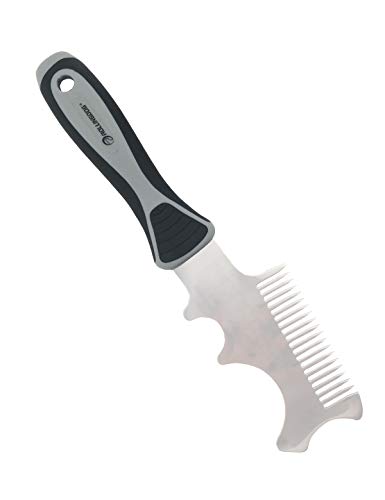
ROLLINGDOG 4 in 1 Paint Brush Comb

Wooster Brush SR053 Sherlock Extension Pole
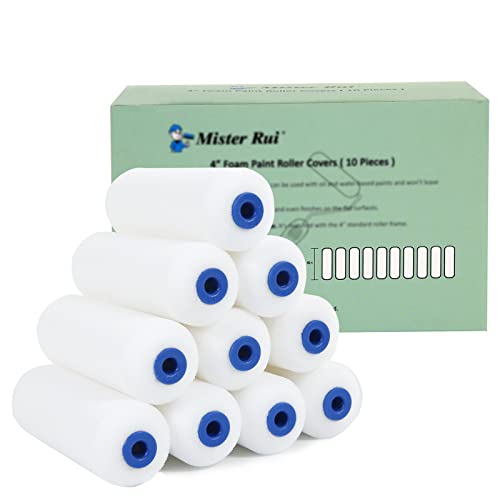
Mister Rui Mini Foam Paint Roller 10 Pack

FoamPRO 5R 3-Inch Trim Roller Refills

Purdy Ultra Finish Microfiber Mini Roller Covers

Pro Grade Paint Roller Kit with Brushes
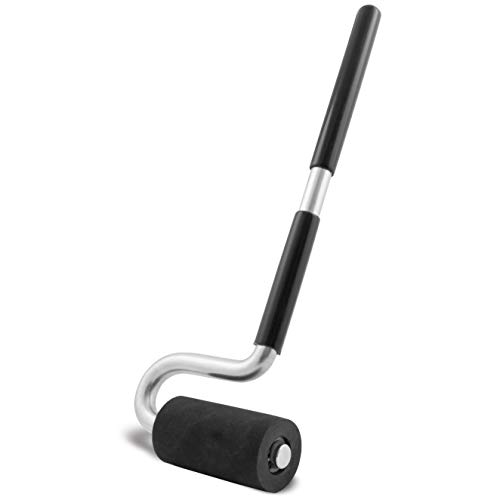
Fulton Long Handle J Roller

Pro Grade Mini Paint Roller 10-Piece Kit

Wooster R017-4 Sherlock Roller Frame 4-Inch
Inside Each Recommended Option
Anyone reusing roller covers between coats knows the frustration of a stiff, paint-caked nap that leaves stipple marks on the next pass. The ROLLINGDOG 4 in 1 Paint Brush Comb works as a maintenance tool, scraping residue out of covers so they can be stored wet and brought back to life later. Built from 420 stainless steel, the comb flexes under pressure without snapping, and that same steel resists rust through long days in a damp garage or basement shop.
Four different blade profiles live on one body, covering the range from skinny mini rollers up to standard short-nap covers. The geometry isn’t fancy, but the steel is forgiving, and the slim profile reaches into the core where bristles and foam tend to trap paint. Compared to the Pro Grade mini kits reviewed later, this isn’t a paint applicator at all, it’s the cleanup partner you reach for once those covers come off the frame.
Everyday Wins
- Four cleaning profiles handle mini, mid-size, and standard roller covers in a single tool.
- 420 stainless steel construction flexes without bending, so aggressive scrubbing won’t kink the blade.
- Corrosion resistance holds up through repeated wet use, which matters for covers stored in solvent or water between sessions.
- Small enough to toss in a paint tray liner or apron pocket, so it stays on hand when covers start loading up mid-job.
Trade Offs
- Not an applicator, so it adds a step rather than replacing a roller in the workflow.
- Multiple blades in one body can feel busy when you’re focused on a single cover size.
Best Suited To
Painters who reuse quality covers across multiple coats and want a single tool that scrubs each nap profile clean.
Reach For A Different Pick When
You’re shopping for an applicator, not a maintenance accessory, in which case the FoamPRO 5R 3-Inch Trim Roller Refills deliver actual coverage.
High trim and stairwell crown molding are awkward without an extension, and a wobbly pole turns a clean cut-in into a wobble line. The Wooster Brush SR053 Sherlock Extension Pole covers the short-reach range from 1 to 2 feet, which is the sweet spot for ceiling-line trim, tall door frames, and stair rises where a full 4-foot pole feels clumsy. The hexagonal inner shaft, a six-sided aluminum tube that resists spinning in your grip, keeps the tool from twisting mid-stroke, so the roller tracks straight along the edge.
An outer fiberglass sleeve adds rigidity and absorbs the small flex you get when you push a loaded mini roller into a corner. The locking collar clicks in 6-inch increments, so you can tune the length to the exact height of your workpiece. Where the Fulton J Roller is built for pressure, this pole is built for reach and stability, and it pairs naturally with the Wooster R017-4 frame reviewed last.
A Few Strong Suits
- Twist-lock mechanism adjusts in 6-inch increments, so the length matches the height of the trim you’re rolling.
- Hexagonal inner aluminum shaft prevents the pole from rotating in your grip mid-stroke.
- Fiberglass outer sleeve adds the rigidity needed for clean lines on ceiling trim.
- Universal threaded tip works with most roller frames and pad holders already in the kit.
- Made in the USA, which for trade painters often translates to predictable replacement parts.
Worth Noting
- Short 1 to 2-foot range is too compact for full ceiling work, where a longer pole earns its keep.
- Fiberglass sleeve adds a bit of weight compared with all-aluminum poles in the same reach class.
Who It Suits Best
Tradespeople and serious DIYers working on tall door frames, stair trim, and ceiling-line edges where a full-length pole feels excessive.
Look Elsewhere When
You need to push hard into veneer rather than extend your reach, in which case the Fulton Long Handle J Roller is the right tool for the job.
Foam rollers have a reputation for leaving a glassy finish on doors and cabinets, and the Mister Rui Mini Foam Paint Roller 10 Pack leans into that strength. The high-density foam lays down thin, even coats with no lint or loose fiber to mar the surface, which is what you want when the trim being painted is a melamine cabinet door or a piece of small craft wood. Each cover is sized for a 4-inch frame, and the foam rinses clean under a faucet for water-based paints.
Ten covers in a single pack means one purchase covers a full door-front project without mid-job runs to the store. Compatibility spans water-based and oil-based finishes, so switching from latex wall paint to an alkyd trim enamel won’t require a different roller. The Mister Rui sits below the Purdy microfiber covers in finish quality, but it costs less per cover and stays disposable when cleanup starts to feel like a second job.
Why It Works Well
- High-density foam leaves a smooth, lint-free finish on flat trim and small craft panels.
- Ten covers per pack keeps a multi-door project moving without a mid-job supply run.
- Rinses clean under running water for water-based paints, so covers last across multiple sessions.
- Handles both water-based and oil-based finishes, which simplifies the kit when switching paint types.
Honest Caveats
- Foam covers don’t carry much paint, so frequent reloading interrupts the workflow on long baseboard runs.
- Not suited to textured surfaces, where the dense foam skips over rather than fills the profile.
Right Fit For
DIYers tackling cabinet doors, small furniture pieces, or craft panels where a smooth foam finish matters more than high paint pickup.
Swap It Out When
The trim is textured or the project demands an ultra-fine microfiber finish, in which case the Purdy Ultra Finish Microfiber Mini Roller Covers are the stronger choice.
The 3-inch width is the secret to clean baseboard work, and the FoamPRO 5R 3-Inch Trim Roller Refills are designed to fit that narrow profile. Foam construction lays down a lint-free coat, so a fresh cover produces a finish that doesn’t need a follow-up brush pass. The refills pair with any standard 3-inch frame, including slim hot-dog style handles sold separately, and the foam holds enough paint to cover a few feet of narrow trim before reloading.
These refills are also rated for all paint types, so swapping between a latex wall color and a heavier alkyd trim enamel doesn’t require a cover change. For shop owners spraying cabinet faces, the slim 3-inch width is also a sensible size for rolling the edges of doors that have already been sprayed. Compared to the Mister Rui 4-inch foam pack, the FoamPRO runs narrower, which makes it the better fit for actual trim rather than broader door panels.
What Works In Its Favor
- 3-inch width reaches into the tight reveal between baseboard and flooring where wider covers drag.
- Lint-free foam finish keeps the rolled surface free of loose fibers that would show in gloss enamel.
- Works across latex, oil-based, and alkyd paints, simplifying the kit on mixed-substrate projects.
- Lightweight refills reduce arm fatigue on long baseboard runs in older homes with miles of trim.
Points To Keep In Mind
- Requires a separate 3-inch roller frame, which is an extra purchase if your kit only includes 4 or 9-inch frames.
- Foam density is best on smooth trim, and it skips over heavy texture or raised panel profiles.
Perfect Match For
Homeowners restoring vintage baseboards, window casings, and chair rails where the 3-inch width matches the trim’s actual face.
Consider Something Else When
You need a frame and tray in the same purchase, in which case the Pro Grade Mini Paint Roller 10-Piece Kit bundles a frame, tray, and eight covers together.
Smooth trim work shows every imperfection, and that’s where microfiber earns its reputation. The Purdy Ultra Finish Microfiber Mini Roller Covers use a 3/8-inch nap on a 4.5-inch cover, and the dense microfiber pickup carries more paint to the wall than foam while still leaving a finish that’s free of stipple. The covers are designed for use with semi-gloss and high-gloss finishes, the paint sheens where roller marks telegraph the loudest.
Two covers per pack is a tighter count than the Mister Rui ten-pack, but the per-cover performance justifies the spend on a single accent wall or a set of interior doors. The microfiber works across all paint and stain types, including water-based and oil-based products, so it’s a versatile addition to a working kit. For trim painters chasing the closest thing to a sprayed finish without pulling out the airless, the Purdy is the upgrade path.
Useful Strengths
- 3/8-inch microfiber nap lays down a smoother coat than foam, especially in semi-gloss and high-gloss enamels.
- High paint pickup means fewer reloads on long baseboard runs and full door faces.
- Compatible with all paints and stains, so one cover handles a wide range of finish products.
- 4.5-inch width fits standard mini frames, making it a drop-in upgrade for existing kits.
Trade-Offs To Consider
- Two-pack format costs more per cover than foam ten-packs, which adds up on multi-room projects.
- Microfiber requires thorough cleaning between coats to prevent dried lint from showing in the next pass.
Key Specs
Whose Shelf It Belongs On
Finish-focused DIYers and pros rolling semi-gloss or high-gloss trim and interior doors where roller texture shows.
Where Another Pick Suits Better
You’re on a tighter budget covering cabinet doors, in which case the Mister Rui Mini Foam Paint Roller 10 Pack delivers volume at a lower per-cover cost.
An empty tool drawer at the start of a project is the surest way to overspend at the hardware store, and the Pro Grade Paint Roller Kit, Paint Brushes, 4″ & 9″ Roller Covers for Walls lands ten pieces in one box. The bundle includes a plastic tray, a 9-inch roller frame, a 4-inch mini roller frame, two 9-inch microfiber covers, two 4-inch microfiber covers, and a trio of flat and angled brushes in 1, 1.5, and 2-inch widths. That combination handles a full room, not just the trim.
Versatility is the headline. The 1/2-inch nap across the covers works on most wall textures, while the smaller frames cover door casings, baseboards, and window returns. The angled sash brushes step in for the corners and detail cuts a mini roller can’t quite reach. For homeowners starting from scratch, the Pro Grade 10-piece sits in the same family as the Pro Grade mini kit reviewed next, but adds the full wall coverage that single-purpose kits leave out.
Everyday Advantages
- Ten-piece bundle covers walls, trim, and detail cuts without a second purchase.
- Both 4-inch and 9-inch frames mean one kit handles small trim and broad wall rolling.
- Microfiber covers on both sizes deliver a smoother finish than economy knit covers.
- Three brush widths cover the gap where rollers can’t reach, like inside corners and ceiling lines.
Soft Spots
- Plastic tray is a serviceable starter, though pros often swap in a metal tray for heavier use.
- Cover count is light for whole-house projects, so refills will be a follow-up purchase.
Made For
First-time DIYers and homeowners refreshing a single room who want frames, covers, and brushes in one box rather than a parts list.
Skip It When
The project is trim-only and you need lots of 4-inch covers, in which case the Pro Grade Mini Paint Roller 10-Piece Kit focuses the same brand on the smaller job.
A J roller isn’t a paint roller, and treating it like one misses the point. The Fulton Long Handle J Roller with Thick Rubber Roller for Veneer & Laminate is a pressure tool, designed to push sheet goods flat against a substrate. The thick rubber wheel transfers firm, even pressure across veneer, laminate, and contact paper without scratching the face, and the long handle adds the leverage needed to squeeze out air pockets on a wide panel.
The shape itself, a J-curve with a single small wheel at the end, lets you work a sheet from the center outward in tight rolling passes. That’s how you chase bubbles out before the adhesive sets. The Fulton is the right answer for cabinet refacing, custom built-ins, and the kind of precise glue-down work that other rollers in this roundup simply aren’t built for. Keep it on the bench next to the Wooster pole and the Pro Grade kits, and the workshop covers most of the tasks a trim painter runs into.
What Makes Sense
- Thick rubber wheel delivers firm, even pressure without scratching veneer faces.
- Long handle adds leverage for wide panels where hand pressure alone won’t flatten the sheet.
- J-shaped profile works from the center outward, the right direction for chasing air out from under laminate.
- Fills a gap that paint rollers can’t, making it a useful complement to the rest of the kit.
Less Ideal Details
- Not a paint applicator, so it has no role on trim painting days.
- Single-wheel design limits coverage speed on very large sheet goods where a wider laminating roller saves time.
Who Should Grab It
Woodworkers and cabinet refinishers applying veneer, laminate, or heavy contact paper where hand pressure alone won’t seat the adhesive.
Where A Sibling Pick Shines
Your work is paint, not laminate, in which case the Mister Rui Mini Foam Paint Roller 10 Pack covers actual paint application at a lower cost.
Trim work eats covers. Between baseboards, door casings, and chair rails, even a single room can run through a handful of rollers in a day, which is why a kit built around cover quantity is the smarter buy. The Pro Grade Mini Paint Roller Kit, 4″ 1/2″ Nap Roller Covers, Trim, 10 Piece includes a mini tray, a 4-inch mini roller frame, and eight 4-inch covers with a 1/2-inch nap. The cover count alone beats most standalone packs.
The 1/2-inch nap picks up enough paint to cover most wall and trim textures without flooding the surface, and 4-inch width keeps the roller inside the trim face. Interior and exterior use both work with the kit, so the same box handles a living room refresh and a back-door casing project. Compared to the larger Pro Grade 10-piece kit reviewed earlier, this one trades the 9-inch frame and the brushes for a deeper bench of small covers, which is the right call when trim is the day’s only job.
What Helps Most
- Eight covers per kit support multi-room trim projects without a mid-job supply run.
- 1/2-inch nap handles lightly textured walls and standard trim without flooding or skipping.
- Mini tray is sized for the 4-inch frame, which means less wasted paint in the reservoir.
- Rated for both interior and exterior projects, so the same kit covers indoor trim and outdoor casing work.
A Few Limitations
- No full-size 9-inch frame included, so wall rolling needs a separate purchase.
- Mini tray is shallow, and heavier rolling on rough walls can slosh paint over the edge.
Built With In Mind
Homeowners with multiple trim projects on the calendar, from baseboards to door casings, who want cover depth over wall-rolling extras.
Not Your Match When
The project spans full walls plus trim, in which case the Pro Grade Paint Roller Kit with Brushes bundles a 9-inch frame and brush set in the same box.
A frame is the part of the kit that connects everything else, and the Wooster Brush R017-4 Sherlock Roller Frame, 4-Inch treats that role with the seriousness pros expect. The internal bearings are the headline feature, keeping the roller spinning smoothly so a loaded cover doesn’t drag or skip on the wall. A quick-release spring stops the cover from slipping mid-stroke, and a single rap against the handle pops the cover off for a fast swap.
The fiberglass-reinforced nylon cage and endcaps hold up to drops, solvent exposure, and years of daily use better than economy plastic frames. The chrome-plated 5/16-inch shank sits at a 90-degree angle, which is the standard for fitting into most threaded extension poles, including the SR053 reviewed earlier. For painters running a 4-inch mini roller through every job, the Wooster frame is the upgrade that pays back every time the cover doesn’t slip.
Bright Spots
- Internal bearings keep the roller spinning smoothly, so loaded covers don’t drag on the wall.
- Quick-release spring prevents slippage during use and allows one-handed cover changes.
- Fiberglass-reinforced nylon cage holds up to drops and solvent contact better than economy plastic.
- Full-size polypropylene grip gives a confident hold, even with wet or gloved hands.
Small Caveats
- Frame only, so the cover is a separate purchase and the initial kit cost runs higher than bundled options.
- 4-inch size is right for trim but too small for efficient wall rolling on large surfaces.
Who Will Love This
Tradespeople and frequent DIYers who already own quality covers and want a frame that holds up to daily use on a job site or in a busy workshop.
A Better Fit Elsewhere
You’re starting from scratch and need frames, covers, and a tray in one box, in which case the Pro Grade Mini Paint Roller 10-Piece Kit covers the bundled path.
What To Weigh Before Choosing Rollers For Trim
Roller width sets the boundary of where the tool can go. A 3-inch cover slips into the tight reveal where a baseboard meets the floor, while a 4.5-inch cover moves faster across a door face. Choose a width that matches the actual face of the trim you’re rolling, since oversize covers spill onto adjacent walls and force extra brush cleanup.
Nap material changes the finish. Foam lays down a glassy surface with no lint, which is ideal for cabinets and smooth doors. Microfiber carries more paint and produces a finer, more even coat on semi-gloss and high-gloss enamels. Knit covers pick up texture on lightly textured walls but telegraph more on smooth trim, so they’re a better fit for broader rolling than for fine line work.
Frame and handle quality matter on repeat jobs. A frame with internal bearings and a quick-release spring saves time on every cover change and keeps a loaded cover from slipping mid-stroke. Threaded shanks that match standard extension poles open the door to ceiling-line and stair trim, which is the kind of work where a step ladder gets old fast.
Kit versus individual pieces comes down to project scope. A bundled kit like the Pro Grade 10-piece or the Pro Grade mini kit lands everything in one box, which suits first-time DIYers and full-room refreshes. Individual frames, refills, and poles let a frequent painter upgrade one piece at a time, starting with the frame or pole that sees the most use.
Key Considerations Across These Picks
Common Shopping Slip Ups
The most common miss in this category is buying a 4-inch kit and then trying to roll a 3-inch baseboard reveal, where the cover drags onto the floor. Match the cover width to the narrowest face you’ll be rolling, not the average. Another trap is assuming a foam cover will perform like microfiber on gloss trim; foam skips on alkyd enamels and leaves a less consistent sheen, so the finish you planned can drift on you mid-project. Finally, a non-threaded shank on a frame kills any chance of pairing it with the extension pole you’ll want for ceiling-line work.
Where The Extra Money Goes
A premium pick like the Purdy microfiber covers costs more per cover because the microfiber is denser and lays down a finer finish, which is what you see on semi-gloss trim after the paint dries. The Wooster R017-4 frame runs higher than budget frames because of the internal bearings and the fiberglass-reinforced cage, two upgrades that show up in smoothness on the wall and in how the frame feels after a year of job-site drops. The honest read is that the extra spend buys finish quality and durability, both of which matter most for painters who roll trim every week rather than once a year.
Frequently Asked Questions
What size roller is best for trim?
A 3 to 4-inch mini roller is the standard width for trim, with 3-inch covers reaching into tight baseboard reveals and 4-inch covers moving faster across wider casings and door faces. The trim’s actual face width should drive the decision, since an oversized cover spills onto adjacent walls.
Are foam or microfiber rollers better for trim?
Foam rollers lay down a smooth, lint-free finish that suits cabinets and flat craft panels, while microfiber covers carry more paint and produce a finer result on semi-gloss and high-gloss enamels. For trim with a sheen, microfiber usually wins, while foam is the friendlier pick for flat finishes on small flat panels.
Can you use a mini roller for cutting in?
A mini roller covers the bulk of a trim face quickly, but a small angled brush is still the right tool for the corner where the trim meets the wall. Many painters roll first and then run a brush along the edge to clean up the line, which combines the speed of the roller with the precision of the brush.
How do you keep roller covers from slipping on the frame?
A frame with a quick-release spring holds the cover in place during use and allows a one-rap removal, which prevents the cover from spinning on the shank. Frames without that spring rely on friction alone and tend to slip once the cover is loaded with paint, which is one reason pro-grade frames cost more.
How long do trim roller covers last?
Foam and microfiber covers can be reused across multiple coats on the same day when cleaned promptly, but a cover that’s dried out with paint in the nap will leave stipple marks and should be replaced. For weekend projects, a fresh cover per room is a sensible cadence, while pros typically swap covers as soon as the nap starts loading up with dried paint.




