


Drilling into concrete, brick, or stone wears out a regular drill fast. Rotary hammer drills use a pounding action alongside rotation, so anchors and through-holes go in with less effort. Cordless options mean you can work on a ladder, in a basement, or far from an outlet. The eight picks below cover solo DIYers, busy contractors, and anyone building out a kit one tool at a time.
The Main Contenders
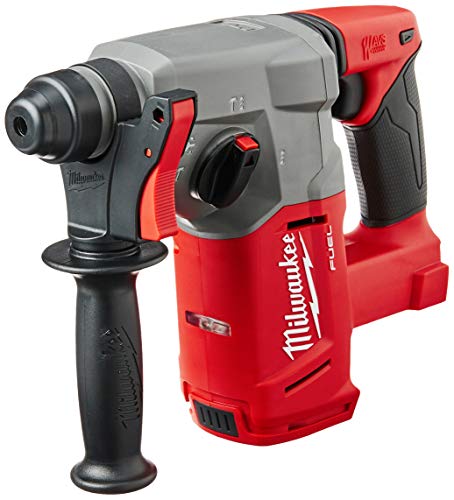
Cordless Rotary Hammer, SDS Plus

FLEX 24V 6-Tool Combo Kit FXM601-2B

DEWALT DCH133M2 Rotary Hammer Kit

DEWALT DCH133B Bare Tool Rotary Hammer

FLEX 24V 2-Tool Combo Kit FXM204-2B

DEWALT DCH263B 1-1/8-Inch Rotary Hammer
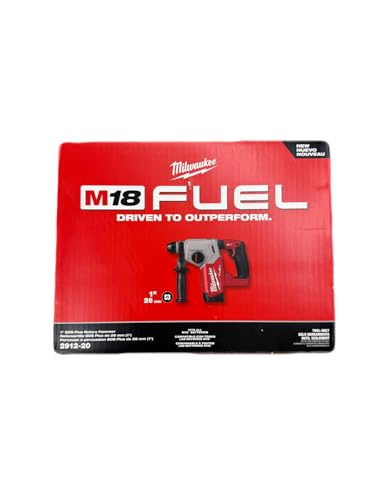
Milwaukee 2912-20 M18 Fuel Rotary Hammer
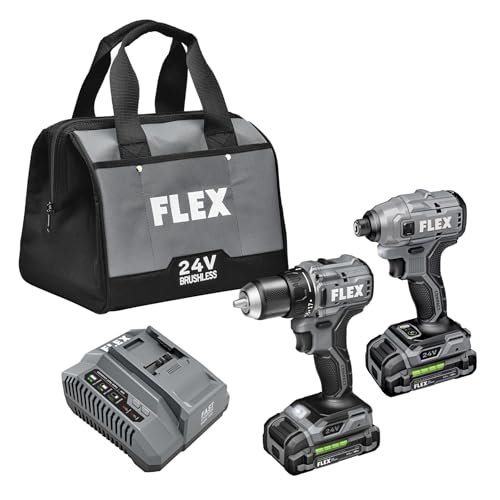
FLEX 24V Compact 2-Tool Kit FXM205-2A
Taking A Closer Look At The Options
If your project list runs toward TV mounts, bathroom grab bars, and the occasional concrete anchor, this cordless rotary hammer covers the basics without dragging a cord across the room. The SDS Plus chuck is the same standard you’ll find on most pro tools, so swapping bits between this and a larger rotary hammer is simple. The brushless motor keeps the tool compact while still delivering up to 4,900 blows per minute for masonry work.
At 18V with a 1-inch solid bit capacity, it leans toward lighter anchor jobs rather than all-day rebar drilling. The D-handle gives you a solid grip for overhead work, and the stop-rotation mode lets it double as a chisel for occasional chipping. You may find it underpowered for sustained heavy work where higher-joule tools shine.
Real Benefits
- SDS Plus chuck accepts standard masonry bits from any brand you already own
- Brushless motor extends runtime and reduces maintenance versus brushed designs
- 1-inch concrete capacity covers most shelf, cabinet, and anchor installs
- Stop-rotation mode turns the tool into a light chisel for tile or mortar cleanup
- 18V platform keeps the battery lightweight for ladder and overhead tasks
Things To Consider
- No battery included, so factor that into your budget if you don’t already own compatible packs
- 1.7 ft-lb impact energy is modest compared to the DeWALT DCH133B covered later
Who It Suits Best
Weekend DIYers handling concrete anchors, light tile removal, and occasional masonry drilling will find this a sensible starter rotary hammer.
Where Another Pick Suits Better
Contractors drilling rebar or post-installed dowels daily should step up to the DEWALT DCH263B for its higher impact energy.
Starting a kit from scratch is expensive when batteries and chargers cost nearly as much as the tools. The FLEX 6-tool combo collapses that problem into one purchase, bundling a 1/2-inch hammer drill, hex impact driver, circular saw, oscillating multi-tool, reciprocating saw, and a work light. Both 2.5Ah and 5.0Ah batteries plus a 160W fast charger come in the box, so you can run two tools at once without waiting for a charge.
The 24V brushless platform delivers more torque than 18V systems, which matters when driving lags through framing lumber or cutting pressure-treated deck boards. The circular saw handles 7-1/4-inch blades for standard lumber, and the reciprocating saw tackles demo work. This kit is a foundation, not a single-purpose tool, so its real strength is filling out a workshop in one move.
The Practical Payoff
- Six tools and two batteries in one box covers framing, demo, and finish work
- 160W fast charger cuts downtime between high-draw tools like the circular saw
- Brushless motors across the set extend tool life and runtime per charge
- Single 24V battery platform means future FLEX tool purchases skip the battery cost
Points To Keep In Mind
- Storage and transport require a serious toolbox or jobsite bag to manage six tools
- You may not need every tool immediately, so unused drivers and saws collect dust
Best Suited To
New homeowners, first-time contractors, and remodelers outfitting a complete cordless kit benefit most from this all-in-one approach.
Look Elsewhere When
Someone who only needs a dedicated masonry tool should consider the Milwaukee 2912-20 for focused rotary hammer performance.
DeWALT’s XR brushless line targets users who treat tools as a long-term investment, and the DCH133M2 kit delivers the brand’s rotary hammer with two batteries in the box. The German-engineered hammering mechanism produces 2.6 Joules of impact energy, which is enough headroom for rod hanging, structural connections, and beam anchorage without bogging down. The D-handle gives you leverage for overhead drilling in steel or concrete.
At 20V Max, the tool slots into the same battery platform as your other DeWALT gear, so chargers and packs move between tools freely. Compared to the compact FLEX kits, this is a focused rotary hammer rather than a multi-tool bundle, so you trade versatility for raw drilling capability. The brushless motor should outlast brushed designs in dusty jobsite conditions.
Standout Benefits
- 2.6 Joules of impact energy handles rod hanging and beam anchorage cleanly
- Kit includes two batteries, so you can rotate packs for continuous work
- Brushless motor runs cooler and lasts longer in demanding conditions
- 20V Max platform integrates with existing DeWALT batteries and chargers
Trade Offs
- Heavier than 18V compact rotary hammers, which adds fatigue on long overhead runs
- No chipping function, so it can’t replace a dedicated demolition hammer
Right Fit For
Tradespeople already invested in DeWALT 20V gear who need a reliable rotary hammer for structural and anchor work will appreciate this kit’s balance.
A Better Fit Elsewhere
Anyone needing larger 1-1/8-inch bit capacity for rebar work should consider the DEWALT DCH263B covered later in this list.
The DCH133B is the bare-tool version of the DCH133M2 kit, sold without batteries or charger for shoppers who already own DeWALT 20V Max packs. Mechanically, it’s identical: a brushless motor, 2.6 Joules of impact energy, and an SDS Plus chuck. If your shop is already loaded with 5.0Ah batteries from other DeWALT tools, this version skips the redundant cost.
For structural connections, clip and bracket mounting, and rod hanging, the hammering mechanism punches through concrete cleanly. The D-handle helps with two-handed control when drilling horizontally into walls or vertically into ceilings. This is a workhorse rotary hammer for the daily user, not a starter purchase.
Why It Works Well
- Same 2.6 Joule impact energy as the kit version at a lower upfront cost for existing DeWALT owners
- Brushless motor reduces wear in dusty concrete-drilling environments
- SDS Plus chuck compatibility means bit swaps match your existing collection
- 20V Max battery platform shared across the DeWALT XR line
Room For Improvement
- No battery, charger, or case included, so first-time DeWALT users pay extra
Who Should Grab It
DeWALT 20V Max loyalists with a fleet of batteries and chargers get the same tool body without repurchasing accessories.
Skip It When
First-time buyers without batteries should pick up the DCH133M2 kit version for the included power source and storage case.
Not every job needs a full demolition rotary hammer, and most DIYers spend more time driving screws and drilling pilot holes than breaking concrete. The FLEX 2-tool combo pairs a 1/2-inch drill driver with Turbo Mode and a 1/4-inch hex impact driver, covering the daily fastening and drilling work in any garage or workshop. Turbo Mode adds a short burst of speed for hole-starting in tough materials.
You get both a 2.5Ah and a 5.0Ah battery plus the 160W fast charger, so the kit is ready to work the moment it arrives. The drill driver produces 1,400 in-lbs of torque, and the impact driver pushes 2,500 in-lbs for lag bolts and deck screws. This is the kind of kit that handles a kitchen remodel without needing a single corded backup.
Points In Its Favor
- Two batteries plus fast charger mean no waiting between drilling and driving tasks
- Turbo Mode on the drill driver saves time when starting holes in metal or hardwood
- 1,400 in-lbs drilling torque handles most hole-saw and auger bit work
- Compact ergonomics fit comfortably in tight cabinet work and overhead drilling
Honest Caveats
- No hammer-drill function for masonry, so it can’t replace a true rotary hammer
- 2,500 in-lbs impact torque is strong but trails pneumatic impact tools for heavy assembly
Made For
DIYers and remodelers focused on cabinet installation, deck building, and general fastening work will find this pair covers the bases at a sensible price.
Consider Something Else When
Anyone drilling into concrete or brick regularly should add the DEWALT DCH133B to their kit for proper rotary hammer capability.
When the work list includes rebar dowelling, tilt-wall support, and post-installed anchors, you need more than a 1-inch rotary hammer. The DCH263B steps up to 1-1/8-inch capacity and 3.0 Joules of impact energy, putting it in the same class as corded SDS Plus tools. The brushless motor and German-engineered mechanism handle the punishment of repeated #3 to #5 rebar drilling without overheating.
Running on the same 20V Max platform as the DCH133B, this tool integrates with your existing DeWALT batteries. The lightweight design is relative; it’s still a substantial tool, but the balance helps during sustained vertical drilling. For contractors framing commercial spaces or installing seismic anchors, the upgrade from 2.6 to 3.0 Joules matters when each hole takes seconds, not minutes.
Where It Delivers
- 3.0 Joules of impact energy speeds up rebar and post-installed anchor drilling
- 1-1/8-inch bit capacity covers structural anchor and tilt-wall support work
- Brushless motor manages heat during long drilling sessions in dense concrete
- SDS Plus chuck shares bits with the smaller DCH133B for fleet flexibility
Small Caveats
- Bare tool only, so DeWALT newcomers need to buy batteries separately
- Heavier than 1-inch rotary hammers, so overhead work gets tiring faster
- Overkill for basic anchor and TV mount installations at home
Whose Shelf It Belongs On
Concrete crews, structural contractors, and serious remodelers who anchor into poured concrete daily benefit most from this jump in impact energy.
Another Choice May Suit
Casual DIYers will save money and weight with the smaller DEWALT DCH133B for household anchor and bracket projects.
Milwaukee’s M18 Fuel rotary hammer earns its place through a combination of speed and safety features. The brushless motor and SDS Plus chuck deliver fast drilling cycles, and the AUTOSTOP control senses bind-ups to prevent kickback when the bit catches in rebar or hits a void in concrete. For users already running M18 batteries, this slots into the system without adding a new charger to the shelf.
The 2912-20 ships as a bare tool, so the focus is on the hammer itself rather than a kit bundle. The M18 platform covers over 200 solutions, from impact wrenches to bandsaws, so battery investment compounds over time. Compared to the FLEX 24V kits, Milwaukee trades raw voltage for system maturity and contractor-focused ergonomics.
The Value In It
- AUTOSTOP control reduces wrist and arm strain during unexpected bind-ups
- Brushless M18 Fuel motor delivers strong drilling speed in 1-inch masonry
- M18 platform compatibility extends the value of every battery you already own
- SDS Plus chuck standard for quick bit changes between tasks
Trade-Offs To Consider
- Case not included, so plan for a separate storage solution
- 18V platform has less raw power than the 24V FLEX system for the heaviest work
Who Will Love This
Milwaukee M18 loyalists who value safety features and a mature battery platform will appreciate this rotary hammer’s integration.
Reach For A Different Pick When
Users needing higher impact energy for rebar should look at the DEWALT DCH263B’s 3.0 Joule output.
Reaching between studs, under sinks, or inside cabinet boxes calls for compact tools, and the FLEX FXM205-2A kit trims the 24V drill and impact drivers down to a more maneuverable size. The compact drill is roughly 17 percent smaller than the standard FLEX drill driver, making it easier to fit in tight spots where a full-size drill binds up. Two 2.5Ah batteries and the 160W fast charger are included.
You sacrifice some raw torque for the smaller footprint, but for assembly work, cabinet installation, and finish carpentry, the lighter weight and shorter head pay off. The 2-speed drill driver handles wood and metal pilot holes, while the compact impact driver manages most fastening tasks. This is the kit you reach for when a full-size tool feels like overkill.
The Helpful Details
- 17 percent more compact drill head fits between studs and inside cabinets
- 22 percent lighter than the standard FLEX drill, reducing arm fatigue overhead
- Two 2.5Ah batteries cover most full-day assembly sessions without recharging
- 160W fast charger refills batteries quickly between jobs
Some Limits To Know
- Lower torque than the full-size FLEX 2-tool kit, so heavy auger bits are a stretch
- 2.5Ah batteries drain faster than 5.0Ah packs under sustained load
Perfect Match For
Finish carpenters, cabinet installers, and remodelers working in tight spaces benefit most from the smaller tool heads and lighter weight.
Swap It Out When
Anyone needing maximum drilling torque should step up to the FLEX FXM204-2B kit for its full-power drill driver and impact driver.
What To Weigh Before Picking Your Rotary Hammer
Cordless rotary hammers have replaced corded models for most users, but the details decide whether a tool handles your workload. Impact energy, measured in Joules (a unit of energy delivered per hammer blow), separates light anchor work from structural rebar drilling. Battery platform matters more than any single tool, since switching brands later means replacing batteries and chargers.
Chuck type sets your bit options. SDS Plus is the universal standard for consumer and prosumer rotary hammers, and most bits you’ll find at any hardware store use it. SDS Max is a larger system for demolition hammers and is unnecessary for the cordless tools in this list. If you already own DeWALT, Milwaukee, or FLEX batteries, sticking with that platform saves real money.
Bit capacity determines the maximum hole size. A 1-inch capacity covers most anchor work and small through-holes. The 1-1/8-inch DCH263B opens up rebar dowelling and post-installed anchors, which matter for commercial work but are rare in residential projects. For occasional tile removal, a stop-rotation mode that turns off spinning while keeping the hammer action lets you chisel without buying a separate demolition tool.
Ergonomics and weight shape how long you can work before fatigue sets in. Overhead drilling with a heavy tool adds up fast, so the difference between a 6-pound and 8-pound rotary hammer is meaningful on a long day. D-handles give you two-handed control for horizontal drilling into walls, and side handles that rotate to multiple angles adapt to awkward positions.
Smart Shopping Notes Before You Commit
Mistakes Worth Dodging
Buying into a battery platform you don’t plan to grow with is the most expensive slip-up. Batteries cost as much as bare tools over time, so committing to DeWALT 20V, Milwaukee M18, or FLEX 24V based on which system matches your existing gear saves hundreds. Another common trap is choosing a 1-inch rotary hammer for rebar work and watching it bog down on the third hole.
Ignoring chuck size is a smaller but real mistake. SDS Plus is standard, but some compact rotary hammers use proprietary chucks that limit bit selection. Verify the chuck type before you buy, especially if you already own a collection of masonry bits. Also, bare-tool pricing looks tempting until you remember the battery and charger add up fast for first-time platform users.
When Paying More Pays Off
Higher-tier rotary hammers cost more because the impact energy, motor quality, and heat management step up together. The jump from 1.7 to 3.0 Joules in the DEWALT DCH263B isn’t just a number; it means faster drilling, less operator fatigue, and longer motor life under heavy use. Brushless motors, German-engineered mechanisms, and AUTOSTOP safety features all add cost but extend tool life in demanding conditions.
The upgrade makes sense for daily users who treat their tools as income-producing equipment. For occasional weekend projects, the mid-tier rotary hammers in this list deliver enough performance without overspending. Match the tool to the workload rather than buying capacity you’ll never use.
Frequently Asked Questions
What is the difference between a rotary hammer and a hammer drill? A rotary hammer uses a piston mechanism to drive the bit forward with much more force, while a hammer drill relies on two clutch plates clicking together. Rotary hammers handle concrete and masonry, while hammer drills are better for occasional brick or block work.
Can a rotary hammer drill through rebar? Yes, the higher-end rotary hammers like the DEWALT DCH263B are designed for rebar dowelling and post-installed anchors. Smaller 1-inch models may stall on larger rebar or overheat with extended use.
Do I need a special bit for rotary hammers? Yes, rotary hammers use SDS Plus bits (or SDS Max for larger tools). These bits have grooves that lock into the chuck and allow the hammering action to transfer to the bit tip without spinning the bit out.
Are cordless rotary hammers powerful enough for professional use? Modern brushless cordless models match or exceed the performance of older corded tools. For most contractor work up to 1-1/8-inch capacity, battery-powered rotary hammers are reliable daily drivers.
How long does a rotary hammer battery last? Runtime depends on the amp-hour (Ah) rating of the battery and the workload. A 5.0Ah pack handles several hours of intermittent drilling, while a 2.5Ah pack drains faster under sustained heavy use.




