


A router often becomes the most-used tool on a workbench once you start shaping edges, cutting joinery, or trimming laminate. The hard part is matching horsepower, control, and ergonomics to the kind of carpentry you actually do, whether that’s hobbyist builds on weekends or full cabinet runs in a small shop.
The nine models below span corded and cordless options across fixed-base, plunge, and combo kits. Each one addresses a different kind of user, from a first-time DIYer trimming countertop edges to a furniture maker running heavier hardwood profiles day after day.
How The Shortlist Stacks Up

BOSCH 1617EVS 2.25 HP Fixed-Base Router

BOSCH 1617EVSPK 2.25 HP Router Combo Kit

DEWALT 20V Max XR Cordless Router (DCW600B)

Makita XTR01Z 18V LXT Brushless Compact Router
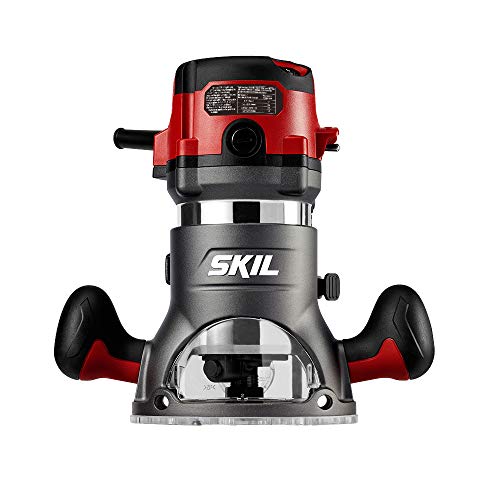
SKIL 10 Amp Fixed Base Corded Router (RT1323-00)

WORKPRO 6.5 Amp Corded Compact Router Kit

WORKPRO 20V Cordless Compact Router Kit

Milwaukee 18V Cordless Compact Router

WORKPRO 6.5 Amp Compact Router Combo Kit
Inside Each Recommended Option
The BOSCH 1617EVS sits at the top of many shop lists because it balances a robust 12-amp motor with electronic speed control that holds steady under load. That constant-response circuitry matters when you’re pushing a large bit through hardwood and the cutter would otherwise bog down.
A fixed base is the right call for table-mounted routing, where you want repeatable depth and a stable column rather than plunging from above. Owners commonly drop this into a router table, trim laminate with a smaller bit, or reach for it on edge profiles where consistent depth makes the difference between a clean reveal and a tear-out.
Advantages To Know
- Electronic speed maintenance keeps cuts consistent in dense material
- Sturdy fixed base with fine depth adjustment for table work
- Threads into standard router-table plates for a clean install
- Comfortable grip for long profiling sessions
- Strong track record for daily shop use
Points To Keep In Mind
- Fixed base only, so plunge cuts require a separate accessory
- Heavier than compact cordless options when working handheld
Key Specs
Who It Suits Best
Shops that mount the router in a table and prioritize repeatable depth on joinery, edge profiles, and trim work.
Consider Something Else When
The BOSCH 1617EVSPK combo kit is a smarter pick if you want a plunge base in the same platform for handheld mortising.
The 1617EVSPK shares the same 12-amp motor and electronic feedback as the fixed-base model above, but pairs it with a plunge base and a carrying case. The plunge base adds the freedom to start a cut in the middle of a workpiece, which matters for mortises, stopped dados, and sign-making.
For a small shop doing varied carpentry, owning both bases on one motor is genuinely useful. Swap in seconds, keep the same power curve, and skip the hassle of matching two separate tools to the same workload.
A Favorable Mix
- Two bases share a single motor, saving cost and bench space
- Plunge base unlocks mortising and stopped cuts
- Variable speed dial matches the bit to the material
- Comes with a hard case for storage between projects
Worth Noting
- Bigger and heavier than trim-focused compact routers
- Price climbs above single-base options
Right Fit For
Woodworkers who split time between a router table and handheld plunge work and want one consistent motor across both setups.
Look Elsewhere When
The DEWALT 20V Max XR Cordless Router suits you better when a corded setup isn’t practical and you need jobsite mobility.
The DCW600B is a tool-only body designed for people already running DEWALT 20V Max batteries. A brushless motor delivers corded-like cutting power while freeing you from finding an outlet or dragging an extension cord across a deck frame.
For trim carpenters and remodelers, the cordless angle is genuinely useful on site. You can sneak into tight cabinet runs, finish a deck post, or trim a doorway without re-pathing a cord, and dual LEDs over the work area help when overhead lighting is poor.
Positive Takeaways
- Brushless motor balances runtime with cutting power
- Quick-release clamp simplifies bit changes between profiles
- Variable speed dial adapts to hardwood and softwood alike
- Built-in LEDs brighten dim corners of the job
Honest Caveats
- Battery and charger sold separately
- Lower continuous torque than the 12-amp corded BOSCH models
- Plastic fixed base is light, so heavy cuts can feel less planted
Feature Snapshot
Whose Shelf It Belongs On
Trim carpenters and remodelers who already own DEWALT 20V Max batteries and need a portable router for jobsite work.
Skip It When
The Makita XTR01Z 18V LXT fits better if you’ve standardized on Makita batteries and want similar cordless capability.
The XTR01Z leverages Makita’s BL brushless motor technology, which is engineered to stretch each amp-hour of battery life and reduce heat buildup during long runs. For anyone already in the LXT platform, the router slides into the same batteries that power drills, saws, and sanders in the shop.
At a compact size, it handles edge rounding, hinge mortising, and decorative inlay work without wearing you out. Compared to the corded SKIL fixed-base below, you’re trading absolute torque for the ability to step away from the workbench.
A Strong Showing
- Brushless motor extends runtime per charge noticeably
- Compact form reduces fatigue on overhead cuts
- Compatible with the wider Makita 18V LXT battery system
- Smooth variable speed control for matched bit RPM
Trade Offs
- Body only, batteries sold separately
- Not a plunge base, so mortising is limited without accessories
Best Suited To
Existing Makita 18V owners who want a quiet, light, and capable cordless router for trim and detail work.
Reach For A Different Pick When
The Milwaukee 18V Cordless Compact Router is a better match if you already run the Milwaukee M18 platform and need a higher top RPM.
SKIL’s 10-amp fixed-base router (model RT1323-00) is a sensible entry point for someone just setting up a small home workshop. The 2.0-horsepower motor is plenty for trimming laminate, rounding over shelf edges, and cutting basic rabbets, without overwhelming someone still learning bit selection.
It accepts both 1/4-inch and 1/2-inch shank bits, which means you can grow your bit collection without replacing the tool. A coarse depth adjustment with micro-fine tuning helps dial in a clean cut on a first project.
Everyday Perks
- Accepts both common bit shank sizes
- Die-cast motor housing adds reassuring weight without bulk
- LED work lights brighten the cut line
- Micro-depth adjustment simplifies repeat setups
Where It Is Less Suited
- Fixed base only, so no plunge capability out of the box
At A Glance
Made For
First-time DIYers who want a forgiving, corded fixed-base router that handles household carpentry tasks without steep learning curves.
Where A Sibling Pick Shines
The BOSCH 1617EVS delivers more power and electronic feedback if you plan to push the tool into hardwoods and longer runs.
WORKPRO’s 6.5-amp compact router is the lightest unit in the roundup and the friendliest to a tight household budget. Six speed settings span the range most trim and decorative bits need, and the rack-and-pinion depth adjustment moves smoothly enough for precise small cuts.
For occasional projects such as rounding countertop edges, cutting small rabbets in plywood, or trimming door bottoms, the tool is genuinely capable. The honest read is that you shouldn’t expect it to power through a full stack of hardwood profiles, but that’s not what it’s built for.
Positive Points
- Light body reduces fatigue on small trimming jobs
- Six-step speed dial covers most common bit sizes
- Rack-and-pinion depth keeps adjustments smooth
- Lower cost opens routing to casual DIYers
Practical Considerations
- Less torque than 10-amp and 12-amp options in dense wood
- Compact size means shorter handles for big projects
Perfect Match For
DIYers handling light trim, laminate edging, and small decorative projects on weekends.
Swap It Out When
The SKIL 10 Amp Fixed Base Corded Router is a more capable step up if your projects start including heavier hardwood or repeated production cuts.
The 20V WORKPRO cordless router offers a brushless motor in a compact, handheld body, and it ships as a kit with battery and charger in the box. That last detail matters, because most cordless models in this roundup require you to bring your own battery system.
Variable speed adjustment covers a wide range, and the small footprint helps when routing tight corners on a hobby project. Compared to the corded WORKPRO model above, you give up a bit of sustained power for the freedom to work without a cord.
Strengths Worth Knowing
- Battery and charger included, ready to run out of the box
- Brushless motor adds runtime and durability
- Compact body handles intricate detail work well
- Wide speed range covers chamfer, slot, and trim bits
Some Limits To Know
- Lower torque than 12-amp corded options on hard maple
- Brand ecosystem is smaller than DEWALT or Makita
Who Should Grab It
Hobby woodworkers who want a complete cordless kit without buying into a larger battery platform separately.
Another Choice May Suit
The DEWALT 20V Max XR Cordless Router fits better if you already own DEWALT 20V Max batteries and value platform compatibility.
Milwaukee’s M18 compact router pushes a high no-load RPM ceiling, which translates to clean cuts on smaller bits that like to spin faster. The 18V brushless motor pulls from the same M18 batteries that power a wide range of professional tools, and at around 2.9 pounds the body stays manageable on overhead trim.
For a contractor or remodeler, the platform argument alone often seals the deal. You charge one set of batteries overnight and the next morning your drill, impact, saw, and router are all ready to go.
The Case For It
- High RPM range handles small-diameter bits cleanly
- Light enough to reduce fatigue on ladder work
- Brushless motor for longer service life
- Compatible with the extensive Milwaukee M18 system
Soft Spots
- Tool only, no battery or charger in the box
Feature Card
Built With In Mind
Contractors and remodelers running the M18 platform who need a cordless router for on-site carpentry and trim.
Not Your Match When
The WORKPRO 20V Cordless Compact Router Kit makes more sense if you want a complete battery-and-charger bundle rather than tool-only.
The combo version of WORKPRO’s compact router adds a plunge base to the fixed one, mirroring the dual-base approach of the pricier BOSCH combo kit on a smaller, lighter chassis. The same 6.5-amp motor and six-step speed range carry over, so you get versatility without a big jump in size.
For detail-oriented hobby woodworkers, the plunge base opens up stopped cuts, sign carving, and shallow mortising that a fixed base simply can’t reach. The rubber-wrapped grips help during longer sessions.
Benefits That Matter
- Includes both fixed and plunge bases on one motor
- Compact size works well in tight workspaces
- Comfortable rubber-wrapped handles during extended cuts
- Affordable entry into dual-base routing
Worth Bearing In Mind
- Lower horsepower than the 12-amp corded BOSCH options
The Right Fit
Detail-focused hobbyists who want both routing styles in a single affordable package without the weight of a full-size tool.
Where Another Pick Suits Better
The BOSCH 1617EVSPK combo kit is a stronger step up if you need full-size 12-amp power in both base styles for daily production work.
What Matters Most Before Choosing Routers For Carpentry
Match Power To The Workload
Routers for carpentry generally fall into two motor classes. Compact 6-amp to 7-amp models handle light trimming, laminate edges, and small decorative work. Mid-size 10-amp to 12-amp motors push through hardwood profiles, large diameter bits, and longer table-mounted sessions. A hobbyist trimming shelves every few months doesn’t need the same headroom as someone running a router table daily.
Choose The Right Base Type
A fixed base locks the bit at a set depth, which is ideal for table work and edge profiling where the cut is repeatable. A plunge base lets you start the cut in the middle of a board, which is essential for mortises, stopped dados, and sign work. Combo kits that include both bases give you flexibility without buying two separate routers.
Consider Corded Versus Cordless
Corded routers deliver constant power for long sessions and are well-suited to bench work. Cordless models trade some sustained torque for the freedom to work on ladders, in tight cabinet runs, and on jobsites without hunting for an outlet. Your existing battery platform often decides which cordless option makes sense.
Plan For Bit Compatibility
Most modern routers accept both 1/4-inch and 1/2-inch shank bits, though entry-level compact tools sometimes only accept 1/4-inch. A 1/2-inch shank gives you access to larger, heavier-duty bits for thick hardwood, while 1/4-inch bits cover most trim and decorative profiles. Confirming shank compatibility before buying a router prevents a frustrating bit return later.
Key Considerations Across These Picks
Wrong Turns To Avoid
A common slip is choosing a router purely on horsepower without checking base compatibility with a planned router-table insert. Another is buying into a cordless platform without confirming that batteries and chargers are already in the shop, since tool-only bodies can end up costing more once you add a charger and a high-capacity pack. Finally, underestimating bit shank size leaves some routers unable to accept the larger profiles you might want as skills grow.
Where The Extra Money Goes
Higher-tier models earn their price through better motors that hold speed under load, more refined depth-adjustment mechanisms, and build quality that survives years of daily shop use. The jump from a budget compact to a 12-amp mid-size router also brings the option of 1/2-inch shank bits, which open the door to larger-diameter cutters. The upgrade pays off when projects start including thick hardwood, heavy profiles, or repeated table-mounted sessions.
Frequently Asked Questions
What horsepower do I need in a router for carpentry?
For light trim and edge work, 6 to 7 amps is plenty. For hardwood profiles, raised panel bits, or table-mounted work, look for 10 to 12 amps so the motor holds speed under load.
Should I choose a fixed base or plunge base?
A fixed base is best for table work and edge profiles where depth stays constant. A plunge base is required for mortises, stopped cuts, and starting in the middle of a board. Combo kits offer both in one package.
Are cordless routers powerful enough for carpentry?
Modern brushless cordless routers handle most trim and edge work, including hardwood, as long as the battery is well charged. For long sessions under heavy load, a corded model still delivers more sustained torque.
What is a 1/2-inch shank and why does it matter?
The shank is the cylindrical part of a router bit that fits into the router’s collet. A 1/2-inch shank is thicker than the common 1/4-inch, which reduces vibration and allows larger bit diameters for heavier cuts.
Can I use any router bit in any router?
Only if the bit’s shank matches the router’s collet size. Many routers accept both 1/4-inch and 1/2-inch shanks, but some compact models only accept 1/4-inch bits, so it pays to check before ordering a new bit.




