


Rubber-based adhesives cover more ground than most shoppers realize, from the instant-bond cyanoacrylate (CA) glue in your craft drawer to the rubber-resin electrical tape in your toolbox, and the self-stick neoprene strips sealing a drafty door. Picking the wrong one wastes a weekend; picking the right one turns a stubborn repair into a ten-minute job. This roundup focuses on nine rubber adhesive picks that show up repeatedly in workshops, electrical jobs, and DIY gasket projects, with honest notes on where each one earns its place.
The Shortlist At A Glance

Mercury M300M 2oz Medium CA Glue

Scotch Super 33+ Vinyl Electrical Tape

Gorilla Weather-Resistant Duct Tape 1.88″ x 10 yd (2-Pack)

3M Scotch Super 33+ Electrical Tape 2″ x 66 ft

3M Scotch Super 88 Electrical Tape 3/4″ x 44 ft

WochiTV Adhesive Solid Neoprene Strips 2″ x 1/8″ x 180″
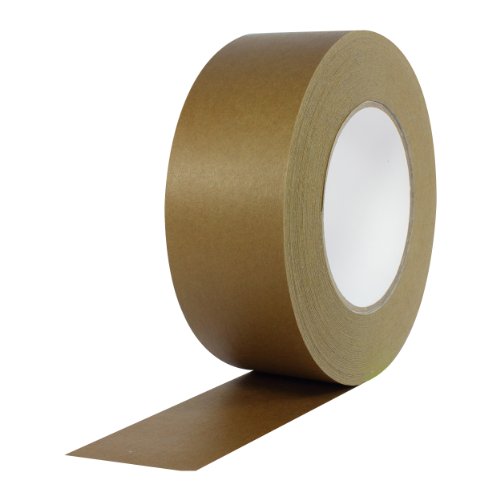
ProTapes Pro 184HD Kraft Flatback Carton Sealing Tape
WochiTV Adhesive Solid Neoprene Strips 1″ x 1/32″ x 180″

WochiTV Adhesive Solid Neoprene Strips 1/2″ x 1/16″ x 180″
A Deeper Look At The Lineup
The Mercury M300M is a medium-viscosity cyanoacrylate, the chemistry behind “super glue,” sold in a 2 oz bottle aimed at hobbyists who go through a lot of CA. Medium viscosity sits in a useful middle ground: thin enough to wick into tight mitred joints on balsa and basswood, thick enough to bridge small gaps on ceramic repairs or turned pen blanks without running everywhere.
It’s a sensible first step past the single-use tubes, and the larger bottle makes sense for anyone building model railroads, knife handles, or whittled Christmas ornaments all winter. Compared with the electrical tapes below, this lives in a completely different adhesive family, but it earns its slot because most shoppers searching for “rubber adhesives” want a single reference point for the liquid option too.
Reasons It Performs
- Medium viscosity handles both close-fit joints and small gap-fills on porous materials like balsa, MDF, and unfinished wood.
- The 2 oz size reduces the bottleneck of constantly replacing tiny tubes in the middle of a long build.
- Sets fast on most craft substrates, so a joint can usually be unclamped within 30 seconds at room temperature.
Things To Consider
- Cyanoacrylates have a finite shelf life once opened, and old stock loses grab fast, so storage in a cool, dry drawer matters.
- The glue bonds skin almost instantly, which means a pair of nitrile gloves is worth keeping nearby for finger-heavy assemblies.
Right Fit For
Hobby builders, model railroaders, pen turners, and casual crafters who need a refillable CA bottle for repeat projects rather than one-off household repairs.
Where A Sibling Pick Shines
For anyone needing a flexible seal on a car trunk or a noisy HVAC panel, the WochiTV 1/2″ x 1/16″ neoprene strip is a far better fit than any liquid CA.
Scotch Super 33+ is the tape most electricians reach for without thinking. It uses a pressure-sensitive rubber-resin adhesive laminated to a flexible PVC backing, measuring 3/4 in wide by 66 ft long with a total thickness of 7 mil. That combination gives it the stretch needed to wrap a tight splice and the body to hold a flag wrap on a breaker panel.
Where economy electrical tape turns brittle in a hot attic, Super 33+ keeps its elasticity across a wide working range, which is why it shows up on HVAC units, boat wiring, and outdoor junction boxes. It also sticks well to rubber and synthetic splicing compounds, making it a comfortable companion to the neoprene strips later in this list.
Real Benefits
- The rubber-resin adhesive grips cleanly on copper, aluminum, and most jacket materials without leaving a gummy film on the roll’s edge.
- PVC backing shrugs off moisture, UV rays, mild acids, and alkalis, so the same roll works in a basement and on a rooftop run.
- 7 mil thickness delivers real mechanical protection on splice joints, not just a color code.
Worth Noting
- Black absorbs heat in direct sun, so any wrap left on outdoor conductors in high summer may soften more than expected.
- For wide cable bundles, the 3/4 in width can mean more passes per joint than the 2 in version below.
Who It Suits Best
Homeowners, hobbyists, and working electricians who want one dependable roll for everything from a lamp repair to a subpanel rewire.
Consider Something Else When
Anyone wrapping large-diameter splices or chasing fewer rotations per joint should look at the 2 in 3M Scotch Super 33+ later in this list.
Feature Snapshot
Gorilla Tape is the duct-tape answer for surfaces where ordinary silver rolls give up. The shell is a tightly woven fabric with a weather-resistant outer skin, paired with a thick rubber-based adhesive laid down in a double-thick coat. That build lets it bite into stucco, brick, and rough lumber, not just the smooth, dust-free surfaces most duct tapes want.
The 1.88 in width matches standard duct-tape dies, so it works with most handheld dispensers. The two-pack sizing suits people stocking a garage for a season of fix-ups, from a cracked planter rim to a tarp patch. The trade-off shows up in clean removal: pull this off a painted surface later and you’ll likely need a scraper and a citrus cleaner.
Positive Takeaways
- Double-thick adhesive grips uneven substrates that defeat thinner utility tapes.
- Tight-weave backing adds real tear resistance while still allowing hand tearing across the roll.
- Weather-resistant outer shell handles rain, sun, and temperature swings during medium-term outdoor repairs.
Trade Offs
- Aggressive grab means leftover residue is common on finished walls, especially after a week in summer heat.
- Storing rolls in a hot garage can cause the edges to bleed adhesive onto the next roll, so a clip or hanger helps.
Made For
Homeowners tackling outdoor patches on masonry, wood, and vinyl, plus contractors needing a tape that survives a jobsite rather than a desk drawer.
Look Elsewhere When
If the job is sealing a moving box, ProTapes Pro 184HD is a cleaner fit than a thick utility tape.
This is the wider sibling of the 3/4 in roll above, using the same 7 mil Super 33+ formula on a 2 in x 66 ft format. Wider tape pays off when wrapping a service entrance, a battery cable boot, or any splice where each pass has to cover real circumference without stretching thin.
It’s also a go-to for splicing rubber splicing compounds on mining and industrial cable, where the wider wrap distributes mechanical stress across more surface area. The trade-off is a roll that doesn’t slip into a shirt pocket the way the 3/4 in version does.
A Strong Showing
- Identical rubber-resin adhesive and 7 mil construction as the narrower 33+ for a consistent seal across different wrap widths.
- 2 in width covers large-diameter cable jackets and panel knockouts in fewer rotations.
- Compatible with solid dielectric cable insulation and most synthetic splicing compounds.
Some Limits To Know
- Wider rolls are awkward inside crowded junction boxes, so a utility knife or scissors tends to live nearby.
- Heavier weight means the roll doesn’t dispense cleanly from a belt clip, so a bench mount is often more practical.
Best Suited To
Auto electrics, panel builders, and serious DIYers working on battery banks, solar combiner boxes, or service-entrance repairs where coverage matters more than compactness.
Skip It When
For tight, low-voltage splices in a smart-switch box, the 3/4 in Scotch Super 33+ is the more comfortable choice.
Feature Snapshot
Scotch Super 88 is the heavy-duty answer when Super 33+ isn’t quite thick enough. The 8.5 mil build is the headline number, giving extra mechanical protection on cable splices that take physical abuse, like a heavy cord on a job site or a battery cable routed near a hot engine bay. The rubber-resin adhesive is the same chemistry 33+ uses, so working with it feels familiar.
It’s flame-retardant and rated for a wide temperature range, which makes it a confident pick for outdoor conductor protection and motor lead pigtails. The roll is shorter at 44 ft, a trade-off you accept in exchange for that thicker, more durable build.
Real-World Strengths
- 8.5 mil thickness offers noticeably more abrasion resistance than 7 mil electrical tapes during in-service wear.
- Stays conformable on irregular splices despite the heavier build, so wrapping stays smooth without buckling.
- Compatible with solid dielectric cable insulations and synthetic splicing compounds used in utility and industrial work.
Points To Note
- Higher cost per foot than Super 33+ can sting on big rewire projects where thinner tape would technically suffice.
- Thicker profile means the roll ends faster, so a single 44 ft roll may not cover a full service panel rewrap.
Perfect Match For
Electricians, HVAC techs, and serious DIYers who need extra mechanical protection on outdoor or high-abuse splices where 33+ would be a stretch.
Reach For A Different Pick When
For a long weekend of low-voltage repair work around the house, the standard Scotch Super 33+ is the more cost-effective fit.
Feature Snapshot
WochiTV’s 2 in x 1/8 in self-adhesive neoprene strip is built for sealing real gaps, not hiding them. At 1/8 in thick, it compresses meaningfully under a door or a hatch, so the seal actually closes instead of just sitting in the channel. The 180 in run gives plenty of material for a garage-door perimeter or a workshop window.
Compared with foam weatherstripping at the hardware store, solid neoprene resists oil, mild chemicals, and compression set far better, which is why it shows up on machinery, electrical enclosures, and truck caps. Surface prep is the make-or-break step: the adhesive wants a clean, dry substrate to reach its full grip.
Everyday Advantages
- 1/8 in thickness compresses firmly under closed doors, creating a real seal against drafts and road noise.
- Solid neoprene resists water, mild oils, and weathering far longer than open-cell foam tape.
- Self-stick backing speeds up gasket and insulation jobs that would otherwise need a separate contact cement.
A Few Limitations
- Adhesive needs a fully cleaned, dry surface; wiping with isopropyl alcohol before applying is widely recommended for a long-lasting bond.
- 2 in width can overpower narrow sash gaps, so trimming with a sharp utility knife is part of the install.
Who Should Grab It
Shop owners, garage-door tinkerers, and home renovators sealing HVAC access panels, tool-chest drawers, or machinery enclosures where foam tape would crush flat.
Another Choice May Suit
For thin trim edges or drawer cushioning, the slimmer 1″ x 1/32″ WochiTV strip is a better fit than this heavy 1/8 in version.
Quick Facts
Pro 184HD is a flat-back paper tape with a rubber-based pressure-sensitive adhesive, the dark brown workhorse of professional moving rooms. The Kraft paper backing tears cleanly by hand along both directions, and the rubber adhesive bites corrugated fast without needing a long dwell time on a warm box.
It was developed for the moving industry, where a single 55 yd roll might close dozens of boxes in a day. The 7 mil paper build feels thinner than cloth duct tape but gives a tighter, less bulky seal, which is why it shows up on packaging lines as often as it does in residential move-outs.
Where It Helps
- Hand-tearable in both directions speeds up box sealing without hunting for a dispenser blade.
- Rubber-based adhesive reaches handling strength quickly on standard corrugated cardboard.
- Dark brown color reads as professional on outgoing shipments and blends with most kraft packaging.
Less Ideal Details
- Paper backing offers very little abrasion resistance, so it’s a poor choice for jobs that need weather or scuff protection.
- Application should happen at room temperature for the adhesive to wet out properly; cold warehouses can hurt initial grab.
Built With In Mind
Small-business shippers, e-commerce packers, and homeowners sealing a long stretch of moving boxes who want fast, clean application over heavy-duty weatherproofing.
Swap It Out When
For a tarp repair or a garage door hinge patch, Gorilla Tape’s cloth build is the right tool, not this paper tape.
This 1 in x 1/32 in version is the slimmest profile in the WochiTV family, a self-stick neoprene strip designed for jobs where 1/8 in material would interfere with a moving part. Think window sashes that have to slide, drawer runners that can’t bind, and cabinet doors that need a near-invisible cushion on the stop.
Because the rubber is so thin, it compresses with almost no force, which is ideal for anti-rattle and anti-squeak applications on a car interior or a tool chest. The 180 in run covers a long stretch without forcing a splice, and the same surface prep rules apply: clean and dry before pressing in place.
Notable Upsides
- 1/32 in profile fits behind moving parts without adding noticeable thickness or changing how a door closes.
- Solid neoprene gives longer service life than foam tape, even in thin gauges, since the rubber doesn’t crumble over time.
- Self-stick backing simplifies anti-rattle installs on trunk lids, glove boxes, and cabinet doors.
Worth Bearing In Mind
- Thin profile doesn’t bridge uneven surfaces the way 1/8 in neoprene does, so it isn’t a substitute for gap-filling gaskets.
- Light initial grab means the strip can shift on dusty metal until firmly pressed, so a second pass with a roller is often worth the effort.
The Right Fit
Anyone dampening squeaks in a car interior, weatherstripping a sliding window, or adding a soft bumper to cabinet doors where low profile matters more than thick compression.
Consider Something Else When
For sealing a wide garage-door perimeter, the thicker 2″ x 1/8″ WochiTV strip delivers the compression this slim version can’t.
The 1/2 in x 1/16 in strip splits the difference between the slim sash version and the heavy 1/8 in gasket. It’s narrow enough to ride along a trim edge or a metal-to-metal panel seam, and thick enough to dampen the kind of low-frequency vibration that turns into a buzz in a car door at highway speed.
At 180 in long, a single strip covers the perimeter of most trunk lids, small hatchbacks, or equipment enclosures with a little left over. The neoprene handles under-hood temperatures better than foam tape, and the rubber-based adhesive stays flexible through seasonal swings, which makes it useful for outdoor electrical cabinets too.
Strong Points
- 1/2 in width fits narrow trim edges and panel seams without overlapping into visible surfaces.
- 1/16 in thickness delivers more vibration damping than the 1/32 in version while staying trim-friendly.
- Neoprene rubber tolerates under-hood and outdoor temperatures that would degrade foam weatherstripping.
Details To Watch
- Adhesive requires a clean, dry substrate to reach its full bond; residue from old tape or silicone spray can undermine grip.
- Sharp scissors or a fresh utility blade cut the strip cleaner than a dull one, since neoprene frays at the edge if the cut is ragged.
Whose Shelf It Belongs On
Auto enthusiasts, home audio installers, and workshop tinkerers who need a vibration-dampening strip that disappears into a trim gap.
A Better Fit Elsewhere
For wide garage-door seals or HVAC panel gasketing, the 2″ x 1/8″ WochiTV neoprene strip is the right call over this narrower option.
Feature Snapshot
What To Weigh Before Choosing Rubber Adhesives
Match The Adhesive Family To The Substrate
Rubber-based products break into three working families: rubber-resin tapes (the Scotch 33+ and Super 88 lines), pressure-sensitive utility tapes (Gorilla Tape and Pro 184HD), and self-adhesive neoprene strips (the WochiTV family). Liquid CA sits in a separate cyanoacrylate family, useful for craft bonds but not for the gap-filling or sealing jobs the rest of this list handles. Picking the right family first saves a wasted trip back to the bench.
Thickness And Width Often Matter More Than Adhesive Strength
A 7 mil tape isn’t automatically better than an 8.5 mil tape; it’s better for thin splices, while 8.5 mil earns its keep on cable that takes physical abuse. The same logic applies to neoprene strips: 1/32 in handles sliding-window cushioning, 1/8 in handles a real sealing gap on a garage door. Match the dimensions to the joint, not to a generic idea of “heavy duty.”
Temperature, UV, And Chemical Exposure Drive Real-World Performance
A roll of black electrical tape in a rooftop junction box cooks in direct sun, and a foam weatherstrip on an engine bay crumbles fast. The picks above list PVC, neoprene, and rubber-resin adhesives because those chemistries handle the typical garage, attic, and outdoor exposure ranges for DIY work.
Key Considerations Across These Picks
Common Shopping Slip Ups
The biggest mistake is treating all black tape as interchangeable. Cloth duct tape, electrical PVC tape, and flat-back paper tape look similar on a shelf but behave nothing alike once applied. Read the backing description, not just the color, before you commit. A second common slip is buying 1/8 in neoprene to cushion a sliding sash; that thick strip will fight the moving part every time the window opens.
What The Higher Tier Buys
Stepping from Scotch Super 33+ to Super 88 buys real mechanical protection, not just thicker plastic. Going from a generic utility tape to Gorilla Tape buys a shell that survives a season of weather. And moving from foam weatherstripping to solid neoprene buys years of compression recovery instead of a single heating season. The upgrade is worth it whenever the joint sees movement, heat, or weather, and not worth chasing on purely cosmetic indoor trim.




