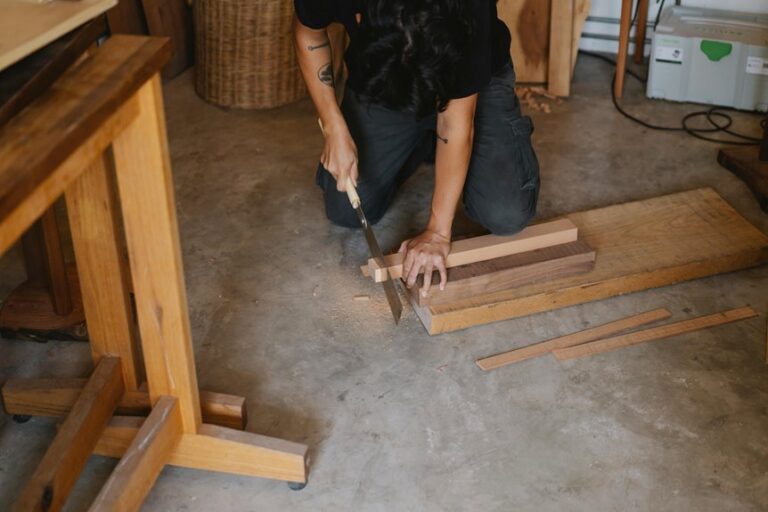
A ryoba saw flips the usual woodworking script: instead of pushing the blade through stock, you draw it toward you, letting the thin, hard steel do the work. That simple shift changes everything for hobbyists and pros trimming tenons, slicing dovetails, or sizing a walnut board to length. Pull saws stay sharper longer in many shops, leave a cleaner edge, and ask far less of your shoulder than a Western push saw muscling through 8/4 hardwood. The trick is matching tooth pattern, blade length, and handle feel to the kind of work you actually do, not the most expensive option on the shelf.
An Overview Of The Picks

SUIZAN Ryoba Double Edge Saw 9.5″ Japanese Pullsaw

SUIZAN Ryoba Double Edge Saw 9.5″ Assembly Ver
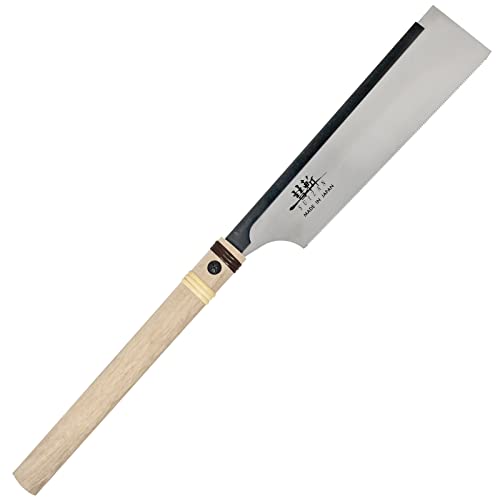
SUIZAN Dozuki Dovetail Saw 9.5″ Cross Cut

Temple Tool Co. 9.5″ Ryoba Hand Saw
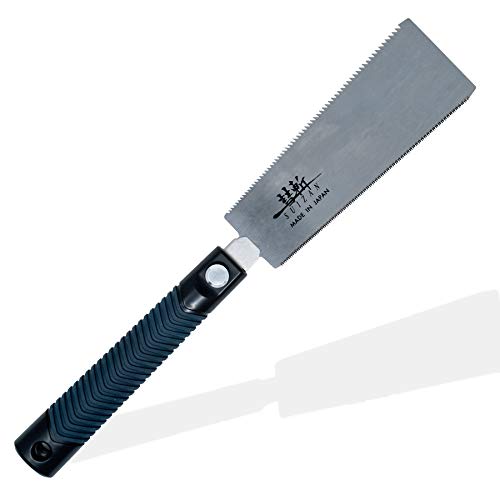
SUIZAN Ryoba Double Edge Saw 7″ Japanese Pullsaw

Gyokucho Razorsaw 9-1/2″ Double Edge Ryoba
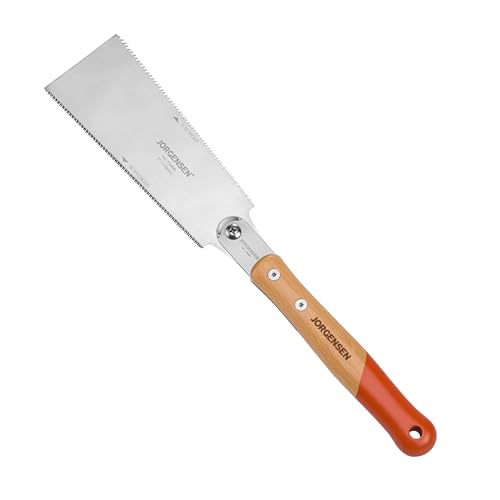
Jorgensen Ryoba 7″ Double Edge Pull Saw
What Each Pick Brings To The Table
The flagship SUIZAN ryoba has earned its place as the default recommendation for a reason. It pairs a 9.5-inch blade with rip teeth on one edge and crosscut teeth on the other, so a single tool handles most of the cuts a hobbyist workshop throws at it. The pull-stroke geometry keeps the blade thin and the cut clean, which matters when you are sizing visible joinery or trimming a finished panel to final dimension.
Woodworkers coming from Western push saws usually need a session or two to reset muscle memory, but the learning curve is short. The handle is long enough for two-handed control on long rip cuts and short enough to stay out of the way on crosscuts. For most home shops building furniture, cabinets, or cutting boards, this is the saw you reach for without thinking.
Positive Takeaways
- Dual-edge design eliminates the need to swap tools between rip and crosscut work
- Thin pull-cut blade leaves a finish-ready edge that often skips heavy sanding
- 9.5-inch length covers full boards and medium tenons comfortably
- Lightweight feel reduces forearm fatigue during longer layout sessions
- High-carbon Japanese steel holds its edge well through repeated use
Things To Consider
- No replacement blade option, so when the teeth finally dull, you are shopping for a new saw
- Pull-stroke technique takes a session of adjustment for anyone trained on push saws
- Handle shape favors right-hand users more comfortably than left-handed grip
Who It Suits Best
Hobbyists and weekend furniture builders who want one reliable saw covering most rip and crosscut tasks in softwood and moderate hardwood.
Where Another Pick Suits Better
For sawyers cutting dense maple or exotic hardwood daily, the Gyokucho Razorsaw 9-1/2″ Double Edge Ryoba is built specifically for that abuse.
The Assembly version of the SUIZAN ryoba solves one of the most common frustrations with traditional pull saws: a dulled blade no longer means a retired saw. The blade is designed to be swapped out, which makes the tool genuinely approachable for newcomers still learning how to care for fine-edged steel. If a novice accidentally rolls the blade into a knot or dings the tip, the recovery path is straightforward.
Beyond the replaceable blade, the geometry mirrors the standard SUIZAN 9.5-inch ryoba, with rip teeth on one side and crosscut teeth on the other. The pull-stroke action is light enough that anyone exploring hand-tool woodworking can practice without the wrist strain that push saws cause. For someone building a starter kit, this version adds long-term value without a complicated maintenance routine.
Where It Helps
- Replaceable blade design extends the tool’s working life well past the first edge
- Same 9.5-inch rip and crosscut versatility as the standard ryoba
- Forgiving learning curve for first-time pull-saw users
- Lightweight pull action reduces fatigue during setup and trimming
Worth Noting
- Replacement blades add a recurring cost most traditional ryobas avoid
- Assembly hardware may need occasional checking as the saw sees heavy use
Made For
First-time ryoba owners and hand-tool newcomers who want a forgiving entry point with a long service path.
Look Elsewhere When
You want a single no-maintenance tool, in which case the SUIZAN Ryoba Double Edge Saw 9.5″ Japanese Pullsaw is the simpler pick.
The dozuki sits in a different category from a general ryoba, and once you understand that, its appeal becomes obvious. A dozuki has a stiffened spine running along the top edge of the blade, which keeps the thin cutting edge perfectly straight during fine cuts. That stiffness is exactly what you want when sawing waste from between dovetail pins or trimming tenon shoulders where a wandering blade ruins the joint.
The 9.5-inch length with 6-inch cutting depth gives plenty of reach for most joinery work without making the saw feel twitchy. Crosscut teeth on this model handle grain-crossing cuts cleanly, leaving a surface that needs little more than a quick pass with a shoulder plane. For furniture makers chasing tight-fitting joinery, the dozuki earns its spot on the bench.
Useful Strengths
- Stiffened spine keeps fine cuts straight during detailed joinery
- Crosscut teeth leave a clean shoulder on tenons and dovetails
- 6-inch cutting depth handles standard furniture joinery comfortably
- Reinforced back reduces the risk of blade flex on delicate cuts
Trade Offs
- Not a dual-edge design, so rip cuts require a separate ryoba on the bench
- Fine teeth demand careful handling to avoid bending individual points
Right Fit For
Woodworkers focused on hand-cut dovetails, tenons, and other fine joinery where cut accuracy matters more than versatility.
Skip It When
You mostly break down rough lumber, in which case the Temple Tool Co. 9.5″ Ryoba Hand Saw covers both rip and crosscut in one pass.
Temple Tool Co. took a different route with this ryoba, putting equal weight on how the saw looks and how it cuts. The handle is solid Wingnut, a hardwood in the walnut family, paired with brass hardware that gives the tool a finished, almost heirloom feel. For woodworkers who keep a curated bench, the handle alone makes this saw worth showing off.
Beneath the aesthetics, the dual-edge design is the practical core: rip teeth on one side for sizing stock along the grain, crosscut teeth on the other for clean cuts across the face. It handles everything from rough breakdown of cutting boards to larger dovetails and tenons. The brass components also add a bit of mass at the balance point, which gives the saw a planted feel during longer cuts.
What Earns Its Place
- Wingnut hardwood handle offers a warm, natural grip that ages well
- Brass hardware adds visual character and a balanced heft
- Dual rip and crosscut edges handle most shop tasks
- 9.5-inch blade covers full boards and medium joinery
A Few Limitations
- Higher price than mainstream SUIZAN offerings for a similar blade profile
- Wooden handle needs occasional conditioning to stay sealed in dry shop environments
Best Suited To
Detail-oriented hobbyists who want a tool that performs well and looks the part of a curated hand-tool collection.
Reach For A Different Pick When
You prioritize pure cutting performance over finish, in which case the SUIZAN Ryoba Double Edge Saw 9.5″ Japanese Pullsaw delivers similar geometry for less.
When the workbench gets crowded or the project is more model-sized than furniture-sized, a shorter blade earns its keep. The SUIZAN 7-inch ryoba trims two inches off the standard length, which makes it noticeably more agile on small joinery, box work, and detail cuts. The reduced length also means the saw feels more like an extension of your hand than a separate tool.
You still get rip teeth on one edge and crosscut on the other, so the dual-purpose nature of the format is preserved. The shorter reach means you trade some capacity for very long cuts, but most small-shop projects never need that reach anyway. For model makers, instrument builders, and anyone working with small box joints, this is the friendly size.
Strengths Worth Knowing
- 7-inch blade offers excellent control on small and mid-sized workpieces
- Lightweight feel makes it ideal for extended detail sessions
- Dual rip and crosscut edges cover most small-shop tasks
- Pull-stroke geometry keeps cuts clean on visible surfaces
Points To Note
- Shorter reach limits efficiency on wide boards and long rip cuts
- Small handle may feel cramped for users with larger hands
Whose Shelf It Belongs On
Model makers, luthiers, and hobbyists who build small boxes, jewelry cases, or instruments where control beats reach.
A Better Fit Elsewhere
For standard furniture-scale work where you break down full boards, the Temple Tool Co. 9.5″ Ryoba Hand Saw is a more capable daily driver.
Hardwoods are where most pull saws start to show their limits, and the Gyokucho Razorsaw exists specifically for that challenge. The blade is thinner than comparable saws at 0.018 inches, with a higher tooth count tuned for dense, abrasive stock like maple, oak, and teak. The geometry cuts hard wood without forcing the saw, and the tooth pattern leaves a notably smooth edge for the category.
Where a general-purpose ryoba can bog down or wander on figured hardwood, this saw tracks straight and asks less effort. The overall length of 23 inches gives the cut plenty of stroke, so you are not fighting short pulls through tough material. For shops that work mostly in dense or exotic lumber, the upgrade makes daily cutting noticeably more pleasant.
A Strong Showing
- High tooth count handles maple, oak, and exotic hardwoods cleanly
- Thin 0.018-inch blade reduces material waste and motor effort
- 23-inch overall length supports long, controlled strokes
- Crosscut at 22 TPI leaves an unusually smooth surface
- Rip at 9 TPI moves through dense grain efficiently
Honest Caveats
- Specialized tooth geometry is overkill for softwood-only shops
- Premium positioning pushes it above general-purpose ryobas
Who Should Grab It
Woodworkers who cut dense hardwood or figured exotics regularly and want a saw engineered for that workload.
Not Your Match When
Your shop focuses on softwood framing or beginner projects, where the SUIZAN Ryoba Double Edge Saw 9.5″ Japanese Pullsaw is the more sensible match.
Jorgensen brings a fresh tooth profile to the compact ryoba category with a three-sided grind that does real work in the cut. Hardened, geometrically shaped teeth clear chips efficiently, which keeps the blade from clogging during longer rip cuts. The result is a saw that feels purposeful rather than ornamental in a working shop.
One edge runs 18 TPI for hardwoods, while the other uses a 7 to 12 TPI gradual pattern tuned for fast, smooth rip cuts. The split lets you handle fine finish cuts and rough breakdown with the same tool, which is rare at this size. The 7-inch blade keeps the saw maneuverable on small projects without sacrificing the dual-purpose layout that makes the format so popular.
What Works In Its Favor
- Three-sided grind teeth clear chips efficiently during rip cuts
- 18 TPI edge handles hardwoods cleanly
- 7 to 12 TPI gradual rip edge moves through stock quickly
- Compact 7-inch size works well on small project layouts
Soft Spots
- Specialized tooth geometry is a newer design with less long-term track record than legacy brands
- 7-inch reach limits utility on wide boards
Who Will Love This
Hobbyists and small-project builders who want a compact, dual-purpose saw with a more aggressive tooth profile for everyday shop work.
Swap It Out When
You mostly cut full-size furniture stock, where the SUIZAN Ryoba Double Edge Saw 9.5″ Japanese Pullsaw offers the longer reach you need.
Picking The Right Ryoba Saw For Your Shop
Blade Length And What It Changes
Blade length shapes the kind of work a ryoba handles well. A 9 to 9.5-inch blade covers full boards, longer rip cuts, and most furniture-scale joinery without forcing awkward strokes. A 7-inch blade trades reach for control, making it easier to maneuver on small boxes, instruments, and detail work. For most home shops building furniture or cabinets, the longer blade pulls more weight, but small-project builders often prefer the compact feel once they try it.
Tooth Pattern And Cut Type
Ryoba saws carry two distinct tooth patterns on opposite edges, and each handles a different cut direction. Rip teeth, which cut along the grain, typically run at a lower TPI (teeth per inch) and remove material quickly. Crosscut teeth cut across the grain and use a higher TPI to slice wood fibers cleanly. Choosing a saw with both edges means you can switch cut direction by flipping the blade instead of reaching for a second tool.
Handle Feel And Grip Geometry
The handle decides how long you can comfortably work. A long, straight handle supports two-handed strokes for longer rip cuts, while a shorter, rounded handle favors one-handed control on detail work. Material matters too: traditional rattan-wrapped handles are grippy and warm, while hardwood handles age beautifully but benefit from occasional conditioning in dry shop conditions. If possible, the practical read is to handle the saw in person before committing, since grip preference varies widely between woodworkers.
Hardwood Workload And Tooth Durability
A standard ryoba handles softwood and moderate hardwood just fine, but dense species like maple, oak, and exotic hardwoods punish thin blades faster. Saws designed for hardwood work, like the Gyokucho Razorsaw, use thinner blade stock and higher tooth counts to stay sharp and track straight through tough material. If your shop leans heavily on dense lumber, the upgrade tends to pay for itself in cut quality and edge life.
Key Considerations Across These Picks
Where Shoppers Go Wrong
The most common mistake is choosing a saw by tooth count alone. Higher TPI sounds like a precision win, but it can bog down on rip cuts where you need faster material removal. Look at the full TPI range, edge layout, and intended wood type instead of chasing a single number. Another trap is ignoring handle comfort. A saw that looks the part but fights your grip will end up on the wall, not the bench. Consider also how the blade is held: a non-replaceable blade is fine for occasional use, but heavy shop time often benefits from a replaceable design that extends the tool’s life.
Where The Extra Money Goes
Premium ryobas earn their pricing through blade steel quality, tooth geometry, and handle materials. Hardwoods, for example, demand harder steel and more refined tooth grinding, which is where specialized saws like the Gyokucho command their position. Premium handles in walnut-family woods, brass hardware, and replaceable blade systems all add material and manufacturing cost. The upgrade makes sense when the saw will see frequent, varied cuts, especially in dense or expensive stock where a wandering blade wastes material. For occasional hobby work, a mid-tier saw usually delivers the same cut quality at a more comfortable entry point.
Frequently Asked Questions
What Is A Ryoba Saw And How Does It Differ From A Western Saw?
A ryoba is a Japanese pull saw that cuts on the draw stroke rather than the push. The thinner blade and reversed cutting direction leave a cleaner edge and ask less effort from your arms. The trade-off is learning the new stroke technique if you trained on Western push saws.
Can One Ryoba Handle Both Rip And Crosscut Cuts?
Most ryobas carry two tooth patterns on opposite edges, rip on one side and crosscut on the other. Flipping the blade switches the cut type, so a single saw covers most general shop work. Dedicated dozuki saws are an exception, built with one specialized edge for fine joinery.
How Do I Keep The Blade Sharp On A Ryoba Saw?
Pull saws stay sharp through long stretches of normal use, but they benefit from occasional light honing with a saw file matched to the tooth geometry. Avoid cutting hardware, knots, or dirty stock, since these chip fine teeth quickly. When the blade stops tracking cleanly, professional sharpening or replacement is the practical next step.
Are Japanese Pull Saws Suitable For Beginners?
Yes, though expect a short adjustment period as you retrain your stroke. Pull saws are lighter and easier to control than Western push saws, which actually helps newcomers. Starting with a replaceable-blade model or a compact 7-inch saw reduces the stakes while you build technique.
What Blade Length Works Best For Furniture Building?
A 9 to 9.5-inch blade covers most furniture-scale work, from breaking down boards to trimming tenons. Shorter 7-inch blades work well for boxes, instruments, and small joinery but limit efficiency on wider stock. For a first general-purpose saw, the longer blade is the safer pick.