


Stripping paint off a rusted trailer frame, prepping weld joints for a fresh coat, or bringing a tired steel table back to life, the right abrasive cuts hours of grind work. Most hobbyists and small-shop owners wrestle with the same three questions: which media matches the metal, how aggressive should it cut, and what setup actually fits a home garage without industrial plumbing. The eight picks below cover the full range, from needle scalers that chisel corrosion off plate steel to glass beads and aluminum oxide graded for everything from delicate restoration to heavy paint removal.
A Fast Comparison Of The Options

Ingersoll Rand 125 Standard Duty Needle Scaler

#12 Glass Beads (Extra Fine) 10 lbs

#8 Glass Beads (Medium) 10 lbs

#10 Glass Beads (Fine) 10 lbs
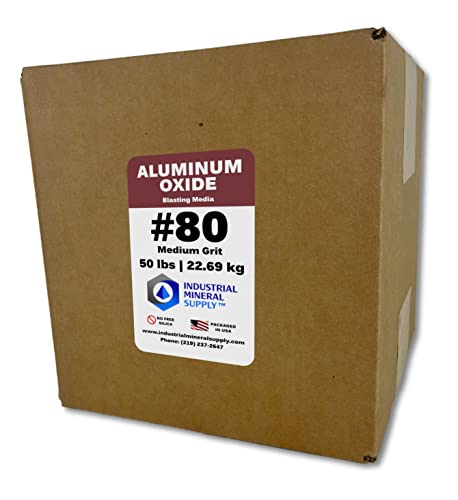
Aluminum Oxide #80 Grit (Medium) 50 lbs

Aluminum Oxide #100 Grit (Medium) 50 lbs
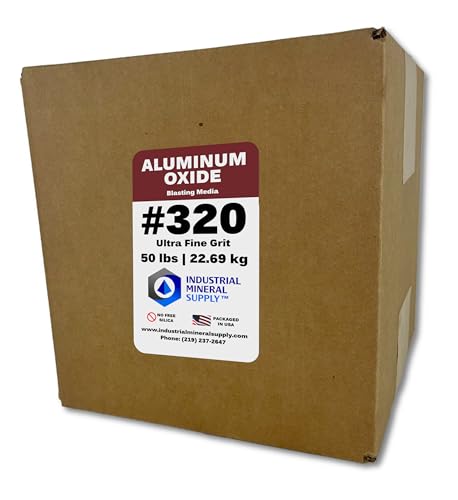
Aluminum Oxide #320 Grit (Ultra Fine) 50 lbs

Halfchet 7 Pc Sand Blaster Gun Kit
The Picks, Examined More Closely
The Ingersoll Rand 125 sits in a category of its own on this list. It is not a media-based sandblaster; it is a pneumatic needle scaler, meaning a bundle of hardened steel needles reciprocates rapidly to chip rust, scale, and old paint directly off metal surfaces. For marine yards, bridgework, or any shop regularly dealing with heavy plate steel, that mechanical approach beats abrasive blasting on cost-per-job because there is no media to buy, store, or clean up.
Unlike the abrasive media picks later in this roundup, the 125 needs an air compressor running at proper shop pressure to perform. The bayonet-style needle housing adjusts without specialty tools, and the throttle valve uses a rubber face for a positive seal. Users in shipyard environments commonly report the heat-treated needles hold up well under sustained use on corroded plate.
Good Reasons To Consider
- Adjustable needle housing locks in position without pulling out a special toolset, which keeps the workflow moving on long shifts.
- Three needle material options let you match aggressiveness to the substrate, from soft aluminum to hard plate steel.
- No consumable media means ongoing cost stays low once the tool is in hand.
- Rubber-faced throttle seals reliably, reducing air waste and helping the tool run cooler under load.
Things To Consider
- Requires a shop compressor capable of sustained airflow at the right CFM; portable homeowner compressors may struggle.
- Needles eventually wear and need replacement, a maintenance cost that scales with how aggressively you work.
Who Should Grab It
Marine technicians, structural steel fabricators, and restoration pros who deal with heavy corrosion daily.
Look Elsewhere When
The Halfchet 7 Pc Sand Blaster Gun Kit is a better match for hobbyists who want a siphon-fed abrasive setup rather than a pneumatic scaler.
Glass bead media works on a different principle than angular abrasives. The round particles, graded here at 140-230 US mesh (a measure of particle size, where higher numbers mean finer grit), peen the surface rather than chew it, meaning they drive a thin layer of compressive stress into the metal while smoothing and cleaning. For restoration work where preserving tolerances on machined parts matters, that round shape is the whole point.
Where the coarser #8 beads later in this list dig into mill scale, these extra-fine beads handle polishing passes on aluminum intakes, brass fittings, and stainless trim. The lack of free silica also means safer handling and easier disposal than many sand alternatives, a real plus for a home shop.
What Helps Most
- Round bead geometry cleans without removing base metal, which protects tight tolerances on bearings and machined surfaces.
- No free silica content makes the media safer to handle indoors and easier to dispose of responsibly.
- Recyclable across many cycles in a sealed cabinet, which lowers long-run cost.
- The extra-fine 140-230 mesh produces a soft, satin finish ideal for cosmetic restoration on aluminum and stainless.
Trade Offs
- Too gentle for heavy rust or thick paint; you will spend more time than an angular media would require.
- Works best inside a sealed blast cabinet; open-air use leads to heavy media loss and mess.
Right Fit For
Restorers working on vintage motorcycle parts, classic car trim, and precision aluminum components that need cleaning without dimensional change.
A Better Fit Elsewhere
The Aluminum Oxide #80 Grit (Medium) media suits anyone who needs to cut through rust and paint rather than polish.
Stepping up to the 70-100 mesh #8 beads means a noticeably larger particle that still cleans by peening rather than grinding. The medium grade hits a useful middle ground where the extra-fine #12 cannot: it removes light surface oxidation, blends machining marks, and still leaves a smoother finish than angular aluminum oxide will.
For a working shop that cleans fabricated steel parts, motorcycle cases, and aluminum castings on a regular basis, this mesh size is often the go-to. It also doubles as a peening media, the process of bombarding metal to introduce compressive stress that fights fatigue cracking, on weld zones that need stress relief after fabrication.
Real Benefits
- Balanced particle size removes light rust and oxidation while preserving the finish underneath.
- Effective peening action reduces tensile stress in welded and cyclically loaded parts.
- Larger particle means faster cleaning passes compared to extra-fine grades.
- Reusable over many cycles when paired with a cabinet vacuum and separator.
Points To Note
- Still too soft for thick mill scale or multiple layers of old paint on structural steel.
- Cabinet-based use is strongly recommended, or the beads scatter and waste quickly in open-air setups.
Feature Snapshot
Made For
Fabrication shops and home restorers handling mixed projects where both cleaning and peening come up weekly.
Reach For A Different Pick When
You mainly tackle heavy rust, in which case the Aluminum Oxide #80 Grit (Medium) is a more aggressive choice.
At 100-170 mesh, the #10 fine glass beads sit one step finer than the medium #8 reviewed above. That small jump in fineness makes a real difference in the finish texture, which matters when you are prepping surfaces for powder coating, ceramic coating, or any paint system that needs a controlled anchor profile.
The trade-off versus the coarser #8 is straightforward: you give up some cutting speed, but you gain a more uniform, satin-grade surface that topcoats bond to predictably. For engine rebuilders, motorcycle shops, and small-batch coaters running a cabinet daily, this is often the most-used bucket on the shelf.
What Makes Sense
- Fine 100-170 mesh creates a uniform anchor profile that paints and coatings grip reliably.
- Peens without dimensional change, so o-ring grooves and gasket surfaces stay within spec.
- Environmentally friendlier than silica-based media, with no free silica to worry about.
- Reusable across many cycles, which keeps the per-job cost low once you set up a cabinet.
Honest Caveats
- Slower on heavy rust than the aluminum oxide picks later in this list.
- Requires dry, sealed storage since glass beads clump if exposed to humidity over time.
Best Suited To
Engine builders and small coating shops that need repeatable surface prep without altering part dimensions.
Consider Something Else When
The Aluminum Oxide #80 Grit (Medium) handles thicker rust and multi-layer paint jobs more efficiently.
Aluminum oxide is the workhorse media of the abrasive world, and the #80 grit grade is where serious metal prep begins. The angular particle shape fractures on impact, continuously exposing fresh cutting edges, which is why it chews through rust, mill scale, and old paint far faster than round glass beads ever will. A 50-pound bag is the standard shop size for repeat users.
Compared to the gentler glass beads reviewed earlier, this media trades surface delicacy for raw cutting speed. The brown fused aluminum oxide also tolerates reuse better than many softer abrasives, so the per-job cost stays reasonable even on long production runs. Use it dry for fastest cutting, or wet to suppress dust on outdoor jobs.
The Good Stuff
- Angular particle geometry cuts through rust, mill scale, and old coatings quickly, saving hours on big surfaces.
- Hard, dense media holds up across many reuse cycles, which lowers the per-job material cost.
- Works on steel, aluminum, glass, ceramic, and stone, making it the most versatile abrasive in this roundup.
- Can be run wet or dry depending on the dust control and finish requirements.
Softer Spots
- Aggressive enough to remove base metal, so it is overkill for restoration work where dimensions matter.
- Generates noticeable dust in dry mode, so outdoor use with proper respiratory protection is the safer setup.
Technical Sheet
Whose Shelf It Belongs On
Restoration shops, trailer refurbishers, and anyone stripping old coatings from structural steel on a regular basis.
Not Your Match When
The #8 Glass Beads (Medium) are the better pick if you are cleaning without removing base metal from precision parts.
The #100 grit aluminum oxide sits one step finer than the #80 reviewed above, and that small shift has practical consequences. You give up a small amount of raw cutting speed, but you gain a smoother, more uniform surface profile, which is the difference between a profile that holds thick coatings and one that holds thin ones.
For shops running powder coat, industrial enamel, or two-part primer systems, the #100 grade is often the smarter default. The media still removes rust and mill scale efficiently, and the angular geometry continues to self-fracture on impact. Many users stock both #80 and #100 side by side and switch based on the coating spec.
Where It Helps
- Finer profile than #80 makes it the right choice for medium-thickness coatings and primers.
- Still cuts through surface rust and oxidation fast enough for production use.
- Reusable across many cycles, keeping the long-term material cost low.
- Works on the same broad range of substrates as the coarser aluminum oxide grades.
Points To Keep In Mind
- Not aggressive enough for thick, layered coatings; bigger jobs may still call for #60 or #80.
- Same dust and PPE requirements as other aluminum oxide grades in dry blasting mode.
The Right Fit
Shops running powder coat lines and small-batch refinishing where a consistent #100 profile is the standard.
Swap It Out When
The Aluminum Oxide #80 Grit (Medium) is the more efficient choice for stripping thick paint and heavy scale.
At #320 grit, this is the finest aluminum oxide in the roundup, and it serves a very different job than the coarser grades. Think of it as a finishing pass rather than a stripping pass. The fine particle produces a smooth, low-profile surface ideal for final prep before high-gloss coatings, clear coats, or precision finishing work.
You would not reach for this media to remove rust from a frame rail, but for stainless fabrication, decorative steel work, and pre-polish passes, the #320 grade saves a sanding step. Owners commonly pair it with the coarser #80 or #100 in the same shop to handle both heavy prep and finishing.
Well-Handled Touches
- Ultra-fine #320 grit delivers a smooth, low-profile surface ready for high-gloss coatings.
- Reduces or eliminates hand sanding on stainless and decorative steel before final polish.
- Same hard, angular aluminum oxide structure means reliable cutting edge retention across cycles.
- Compatible with the same sandblasters, blast guns, and cabinets as the coarser grades.
Less Ideal Details
- Far too slow for heavy rust or paint removal; using it that way burns through the bag without much progress.
- Finer particles create dust that stays airborne longer, so dry blasting outdoors with good ventilation matters.
Who It Suits Best
Custom metal fabricators, stainless kitchen builders, and finishing shops that need a final pre-coat profile.
Where A Sibling Pick Shines
The Aluminum Oxide #100 Grit (Medium) handles bulk stripping and prep work more efficiently on production runs.
The Halfchet kit is the entry point on this list, and that is exactly its job. Rather than picking a gun, nozzles, a suction tube, and gloves separately, you get the whole bundle in one box. The siphon-feed design draws media from a separate container, which means you can swap between glass beads and aluminum oxide without dumping the tank.
For someone clearing rust off a small trailer, refreshing garden tools, or stripping a single-piece furniture build, this kit gets you running without research. The included rubber gloves are a thoughtful add for anyone using a cabinet where hand access is part of the workflow. It is not an industrial tool, but it does not pretend to be one.
Practical Advantages
- All-in-one package removes the guesswork for first-time users, with gun, nozzles, suction tube, and gloves included.
- Steel and ceramic nozzles give you replacement options when one wears faster than expected.
- Siphon-feed design accepts a range of media, so you can switch between glass beads and aluminum oxide as needed.
- Pair it with any of the abrasive media picks above and you have a complete shop setup on day one.
Factors To Consider
- Plastic-bodied entry-level gun is not built for daily production use; the body tends to wear at threaded joints under heavy schedules.
- Performance depends heavily on your compressor’s CFM, so check airflow before expecting industrial results.
Feature Rundown
Built With In Mind
First-time hobby blasters tackling weekend rust projects on small parts and garden equipment.
Another Choice May Suit
The Ingersoll Rand 125 Standard Duty Needle Scaler is a better fit for heavy marine corrosion where a pneumatic tool is justified.
Choosing The Right Media And Tool For Metal Work
Picking the right sandblaster gear comes down to matching the media, the tool, and the substrate. Each combination behaves differently, and the wrong pairing wastes hours of work and wears through materials faster than necessary.
Match The Media To The Metal
Round glass beads excel on aluminum, stainless, and brass where dimensional stability matters. Angular aluminum oxide is the right choice on structural steel and cast iron where you need to cut through rust and old coatings. Glass bead media peens, which strengthens the surface, while aluminum oxide profiles, which gives paint a mechanical bond. The mesh grade dictates finish: coarser grades cut faster, finer grades leave a smoother profile ready for coatings.
Pick The Right Tool Format
Needle scalers like the Ingersoll Rand 125 work without media, which lowers recurring cost and keeps the work area cleaner. Siphon-feed sandblaster guns, like the Halfchet kit, are the affordable entry into abrasive blasting and pair well with most shop compressors. Pressure-feed pots are faster but typically out of scope for home shops. A sealed blast cabinet is worth the investment if you plan to use round glass beads, since open-air use of fine media leads to heavy waste and dust exposure.
Stock The Right Grades
A working shop rarely needs just one grade of media. Most owners benefit from a coarse aluminum oxide (#80) for stripping, a medium grade (#100) for general profiling, and a glass bead for finishing. Buying 50-pound bags of the workhorse grades and 10-pound bags of the specialty media is the most economical way to cover projects from trailer floors to motorcycle cases.
Key Considerations Across These Picks
Where Shoppers Go Wrong
First-time users often pick a media that is either too aggressive or too fine for the project at hand. Choosing aluminum oxide #80 to clean a vintage aluminum motorcycle case will scour the surface, while choosing glass beads for a rusted frame rail will take forever and barely make a dent. The mistake usually shows up as a half-finished project and a wasted bag of media. Match the media to the substrate and the coating schedule before you pull the trigger.
What Separates Premium From Basic
Higher-tier sandblaster gear tends to differentiate on three things: media reuse life, tool ergonomics, and dust control. Premium aluminum oxide fractures predictably and recycles more cycles, lowering the per-job cost. Better gun bodies hold tolerances under sustained use rather than developing leaks at the threaded joints. A sealed cabinet or vacuum system cuts dust dramatically, which improves finish quality and shop safety. The upgrade pays off when you blast regularly, but for occasional weekend projects the entry-level kit and a bag of #80 aluminum oxide cover the basics just fine.
Frequently Asked Questions
What Is The Best Sandblaster For Metal?
The best sandblaster for metal depends on the project. Needle scalers work best for heavy corrosion on plate steel, siphon-feed sandblaster guns handle most hobby and small-shop needs, and sealed blast cabinets are ideal when using fine glass bead media for precision work.
What Media Should I Use To Remove Rust From Metal?
Angular aluminum oxide in the #60 to #80 grit range is the most efficient media for cutting through rust. It fractures on impact to expose fresh cutting edges, so it chews through oxidation far faster than round glass beads.
Can I Use Glass Beads In A Regular Sandblaster?
Yes, glass beads work in most siphon-feed and pressure-feed sandblasters. They are denser than some media, so check that your gun and compressor can deliver enough airflow to keep the beads moving effectively.
What Is The Difference Between Glass Beads And Aluminum Oxide?
Glass beads are round and peen the surface, which cleans and strengthens without removing base metal. Aluminum oxide particles are angular and cut the surface, which profiles the metal and strips coatings aggressively.
Do I Need A Blast Cabinet For Sandblasting Metal?
A blast cabinet is strongly recommended for fine media and any indoor work. It contains dust, recycles media efficiently, and protects the operator from rebound and airborne particles. Open-air blasting is only practical outdoors with proper respiratory protection and where media loss is acceptable.




