


Stripping paint off a vintage truck frame, removing rust from a railing, or frosting glass for a craft project: each scenario asks something different from your abrasive setup. A blaster is only as good as the media feeding it, and a kit is only as flexible as its nozzles. This list pairs the right glass beads and aluminum oxide grades with a couple of siphon gun kits so you can match material, finish, and air demand to the job in front of you.
How The Shortlist Stacks Up

#12 Glass Beads 10 LBS Extra Fine Abrasive Media

#8 Glass Beads 10 LBS Medium Abrasive Media

#10 Glass Beads 10 LBS Fine Abrasive Media
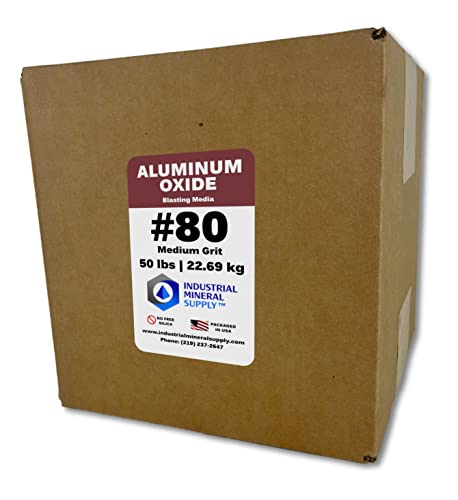
Aluminum Oxide 50 LBS #80 Grit Abrasive Media

Aluminum Oxide 50 LBS #100 Grit Abrasive Media

Aluminum Oxide 12 LBS #220 Extra Fine Abrasive

Halfchet 7-Piece Sand Blaster Gun Kit
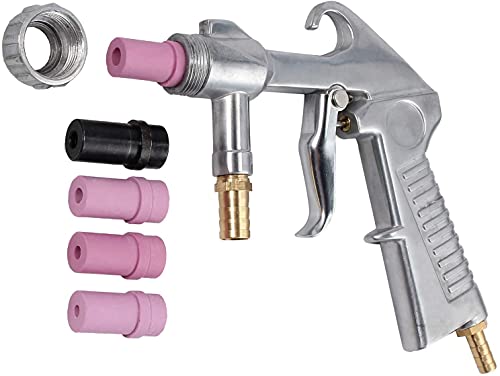
AMTOVL Sand Blasting Gun with 4 Ceramic Nozzles
Taking A Closer Look At The Options
When the goal is a satin sheen rather than raw removal, the #12 Extra Fine grade at 140-230 mesh is the gentlest option in the lineup. The round glass shape means it cleans and preps metal without distorting tolerances, which matters when you’re working on engine components or tooling where dimensions must stay exact.
Because the beads contain no free silica, you skip the respiratory concerns tied to traditional sand. They can also be recycled many times, so the 10-pound bag stretches across multiple projects. Compared to the medium and fine grades below, this one trades speed for finesse.
Strong Points
- 140-230 mesh size leaves the smoothest finish of any bead in the list
- Round shape preserves part dimensions while removing contaminants
- Silica-free composition is easier on lungs and safer for home shops
- Reusable across many cycles, lowering per-job media cost
Soft Spots
- Slower cutting on heavy rust or thick paint, where the #8 medium grade works faster
- Requires a sealed cabinet to contain fine airborne dust effectively
Made For
Restorers cleaning vintage aluminum, brass, or thin steel parts who need to preserve original dimensions and surface character.
Where Another Pick Suits Better
For a rougher starting pass on heavy oxidation, the #8 Glass Beads Medium grade offers noticeably faster material removal.
At 70-100 US mesh, the #8 grade is the workhorse of the glass bead family, large enough to lift paint and rust quickly while still round enough to avoid scarring. Owners working on trailers, mower decks, and chassis typically reach for this size first.
The same silica-free, recyclable profile applies, so you get aggressive cleaning without the lung hazards of silica sand. It peens the surface as it cleans, which actually compresses the metal slightly and helps reduce stress cracks in stressed components.
Practical Advantages
- Coarser 70-100 mesh cuts through layers of paint faster than finer grades
- Peening action seals pores and reduces tensile stress on metal
- Same reusable, silica-free formula as the rest of the bead line
- 10-pound bag covers large panels without frequent refills
Trade Offs
- Leaves a more visible matte texture than the #12 Extra Fine, which is the point but a real consideration on show pieces
- Cabinet visibility drops fast since the larger beads kick up more visible dust
Who It Suits Best
DIY mechanics and restorers stripping paint and rust from larger steel surfaces where speed matters more than mirror finishes.
Consider Something Else When
For detail panels or softer alloys, the Aluminum Oxide #220 Extra Fine media gives a smoother result with less risk of peening distortion.
The #10 Fine at 100-170 mesh lands in the practical middle of the bead range. You’re getting a noticeable cleaning bite without committing to the heaviest removal, which makes it the right starting point for most weekend shop sessions.
Round glass beads also stay gentle on part geometry, so cleaning up tools, hand tools, and small parts leaves dimensions intact. The trade-off against aluminum oxide is consistency, glass keeps its shape longer while oxide breaks down into finer dust.
Benefits That Matter
- 100-170 mesh hits a versatile balance between removal rate and finish quality
- Round shape cleans without leaving ferrous contamination behind
- No free silica makes it more comfortable to work around in a home garage
- Reusable for many cycles, reducing trips to restock
Points To Keep In Mind
- Slower than aluminum oxide on stubborn coatings where you need pure cutting power
Best Suited To
Shop owners who tackle a mix of small parts and medium panels and want one bead grade that handles most of their work.
Not Your Match When
If your main project is heavy paint or thick mill scale, the Aluminum Oxide #80 Grit delivers faster results on the toughest prep work.
Switching to aluminum oxide changes the texture of the work entirely. The angular, high-density shape chews through rust, scale, and old coatings that round glass beads would politely dance around. At #80 grit, the 50-pound pail covers serious restoration territory without constant refills.
Versatility is the big draw: the same media cleans and etches steel, glass, granite, marble, and ceramic, and works whether you run wet or dry. You may find the 12-pound #220 pail more useful on small parts once the heavy lifting is done.
Useful Highlights
- Angular shape etches as well as cleans, ideal for prep before paint or powder coat
- Compatible with steel, glass, granite, marble, and ceramic surfaces
- Works in both wet and dry cabinet configurations
- 50-pound bulk size suits frequent workshop use
Practical Considerations
- Breaks down faster than glass beads, so you’ll top up the cabinet more often
- Harder on soft metals like aluminum, where it can dig in too aggressively
- Generates visible dust clouds that demand solid cabinet ventilation
Right Fit For
Restoration shops and serious hobbyists who need a fast-cutting media for tough prep work across multiple materials.
A Better Fit Elsewhere
For final-stage surface refinement on softer alloys, the Halfchet 7-Piece Sand Blaster Gun Kit lets you swap in a finer abrasive and gentler approach.
The #100 grit sits one step finer than the #80, so you keep the angular cutting action of aluminum oxide but with a slightly less aggressive bite. That’s the sweet spot for automotive panels, where you want coating off without thinning the underlying steel.
The 50-pound pail handles multi-car projects without a mid-job refill, and the same wet-or-dry compatibility carries over. A finer media also loads the cabinet dust collector less aggressively, which owners commonly report as a noticeable difference during longer sessions.
Everyday Wins
- #100 grit strips paint while leaving a paint-ready profile on body panels
- Same multi-surface compatibility as the rest of the oxide line
- Generates a finer working dust than coarser grits
- 50-pound bulk format suits recurring project work
Honest Caveats
- Slower on heavy industrial scale than the #80 grade in the same line
- Still more aggressive than glass beads on softer materials
Perfect Match For
Auto restorers and home enthusiasts prepping car panels, frames, and sheet metal for primer and paint.
Skip It When
For purely cosmetic finishing on polished parts, the Aluminum Oxide 12 LBS #220 Extra Fine abrasive leaves a smoother, more refined texture.
The 12-pound pail in #220 Extra Fine is built for the back end of a project, when the heavy media has done its job and you’re chasing a smoother scratch pattern. Aluminum oxide at this fineness still cuts, but it leans toward refinement over raw stripping.
It works on the same broad list of substrates as the coarser oxide grades and still tolerates wet or dry use. The smaller pail size makes sense here since you typically need less fine media per job than coarse.
What Earns Its Place
- #220 grit lays down a fine, paint-ready profile without deep scoring
- Multi-surface compatibility with steel, ceramic, granite, and marble
- Wet and dry use for different cabinet configurations
- Compact 12-pound pail stores easily in a crowded shop
Small Caveats
- Too slow for the initial rust and paint removal stage
- Smaller pail means more frequent reordering on bigger jobs
Who Should Grab It
Finish-focused users running a second-pass prep before primer, paint, or final polishing on softer metals and detail parts.
Another Choice May Suit
For first-pass paint removal on large panels, the Aluminum Oxide 50 LBS #80 Grit covers the same media family at a far faster cutting rate.
If you don’t yet own a blaster, a kit solves the parts problem in one box. The Halfchet package pairs a siphon-feed gun with two steel nozzles, two ceramic nozzles, a sand suction pipe, an American connector, and a pair of rubber gloves, which is everything needed to start blasting alongside a compressor.
Ceramic and steel nozzles each have their place: ceramic lasts longer on aggressive media, steel tolerates impact better on tougher jobs. Owning both from day one means you can switch between cleaning, stripping, and engraving without ordering extras.
A Favorable Mix
- Seven-piece kit covers the full accessory list needed to start blasting
- Both steel and ceramic nozzles for different media and job types
- Rubber gloves included for hand protection during cabinet work
- American-style fitting keeps setup simple with common compressors
Less-Strong Areas
- Siphon-feed design limits you to lighter media like glass beads and fine oxide
- Nozzles wear with heavy use and replacements are not bundled in
Whose Shelf It Belongs On
First-time users building a complete blasting setup who want all the fittings and protective gear in a single package.
Reach For A Different Pick When
For more demanding production work that needs a higher CFM rating, the AMTOVL Sand Blasting Gun with 4 Ceramic Nozzles lists a specific 6 CFM at 80 PSI minimum requirement.
The AMTOVL blaster is built around an alloy steel nozzle instead of cast iron, which the maker notes is designed to resist wear longer under regular use. Four ceramic nozzles in the box give you multiple bore sizes for different work, from detail engraving to broader surface cleaning.
It’s rated for surface sandblasting and marble engraving, with a stated minimum air requirement of 6 CFM at 80 PSI. That puts it a step above casual siphon guns, so you may find it underpowered on a small home compressor but right at home on a shop-sized unit.
What Helps Most
- Alloy steel nozzle construction for improved wear resistance
- Four ceramic nozzles cover a range of bore sizes for varied tasks
- Suited to marble engraving as well as general surface blasting
- Listed air requirement helps match it to your existing compressor
Points To Note
- 6 CFM at 80 PSI demand rules out smaller hobby compressors
- Ceramic nozzles can chip on impact with very hard or jagged media
Built With In Mind
Shop-equipped hobbyists and small business users with a capable compressor who want a single gun for both surface prep and engraving work.
Swap It Out When
If you only own a smaller compressor, the Halfchet 7-Piece Sand Blaster Gun Kit has lighter setup demands and bundles more accessories out of the box.
Matching Abrasive And Gun To The Work
A sandblaster’s job splits into two layers: the gun that pushes the media, and the media itself. The gun determines how much air and pressure reach the work, while the media determines what that air does to the surface. Getting both right matters more than chasing the most aggressive option in either category.
Mesh size and grit explained. Glass beads use a mesh number, which describes how many openings per inch the bead passes through. Higher mesh equals a smaller, gentler bead, and lower mesh equals a larger, faster-cutting bead. Aluminum oxide uses grit numbers, where the scale flips: a higher grit like #220 cuts finer than a lower grit like #80. Picking between them is about matching the scratch pattern you want to the surface you’re working on.
Round versus angular media. Round glass beads clean and lightly peen without removing base metal, which keeps tolerances intact on engine parts and tooling. Angular aluminum oxide actively etches and strips, which is the right choice when you need a profile for paint to grip or scale to vanish. The two are complements, not substitutes.
Matching compressor output to your gun. Siphon-feed guns like the Halfchet kit work with smaller compressors, but pressure-feed or high-demand guns like the AMTOVL ask for at least 6 CFM at 80 PSI. Underpowering a blaster produces slow cuts and clogged nozzles, while matching the air supply properly keeps media flowing and the finish consistent.
Glass bead grade selection. The #8 Medium grade is the everyday workhorse for paint and rust on steel. The #10 Fine is a good middle setting for general cleaning, and the #12 Extra Fine is reserved for the final pass on parts where finish and dimensional accuracy matter most.
Aluminum oxide grade selection. Start with #80 for the heavy lifting on rust and mill scale, switch to #100 for paint prep on body panels, and finish with #220 Extra Fine for a smooth, paint-ready surface or for working on softer metals.
What Trips People Up Before They Buy
Common Shopping Slip Ups
The most frequent mistake is buying one grade of media and expecting it to do the whole job. Real projects move from heavy removal to fine finishing, and the same #80 grit that strips a frame in 20 minutes will leave a finish too coarse for primer. Stocking at least two grades, one coarse and one fine, covers most workflows without piling up unused bags.
Another common miss is ignoring the compressor’s CFM rating. A gun that asks for 6 CFM paired with a 4 CFM compressor delivers weak results, and the user assumes the blaster is to blame. Always check your compressor’s delivered CFM at the working PSI, not the peak horsepower number on the label.
Where The Extra Money Goes
Higher-tier kits earn their keep through nozzle material and accessory count. Alloy steel and quality ceramic nozzles last far longer than the basic options, which means less downtime swapping parts and more consistent performance across long sessions. Bundled gloves, connectors, and suction hoses also remove the friction of buying everything piecemeal.
For media, the jump from a small 10-pound bag to a 50-pound pail mostly pays off in price-per-pound and fewer reorders. The abrasive itself works the same way, so the upgrade is about convenience and project scale rather than finish quality.
Frequently Asked Questions
What mesh glass bead is best for general purpose blasting? For everyday cleaning of tools, hardware, and small steel parts, the #10 Fine at 100-170 mesh is the most versatile starting point, balancing cutting speed with a manageable finish.
Can aluminum oxide media be used on glass surfaces? Yes, aluminum oxide cleans and etches glass, though finer grits like #220 reduce the risk of deep scratches compared to coarser options.
What is the difference between siphon-feed and pressure-feed sandblasters? Siphon-feed guns pull media up through a suction tube using the venturi effect (a constriction that creates suction from airflow), which works with smaller compressors. Pressure-feed systems push media directly into the airstream and need more CFM but deliver faster, more consistent flow for production work.
How long do ceramic nozzles last compared to steel? Ceramic nozzles typically outlast steel on aggressive media like aluminum oxide, but they can chip on impact and need gentler handling. Steel nozzles tolerate abuse better but wear faster on hard abrasives.
Is silica-free glass bead media safer than traditional sand? Glass beads contain no free silica, which is the component of traditional sand linked to lung disease. That makes them a noticeably safer choice for home shop and indoor use, especially in less-than-perfectly-ventilated spaces.




