


Working on aluminum brings a specific headache: it’s soft enough that the wrong grit leaves deep scratches you can’t buff out, but you still need enough bite to strip paint, oxidation, or mill scale. Picking the right abrasive changes everything from prep time to the final finish, so the seven options below cover the grits most home fabricators and restoration hobbyists actually reach for.
A Side-By-Side Look
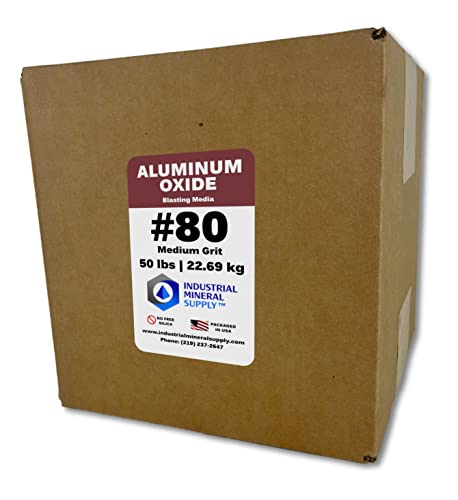
Industrial Mineral Supply Aluminum Oxide 50 lbs. #80 Grit

Industrial Mineral Supply Aluminum Oxide 50 lbs. #100 Grit

Industrial Mineral Supply Aluminum Oxide 50 lbs. #60 Grit
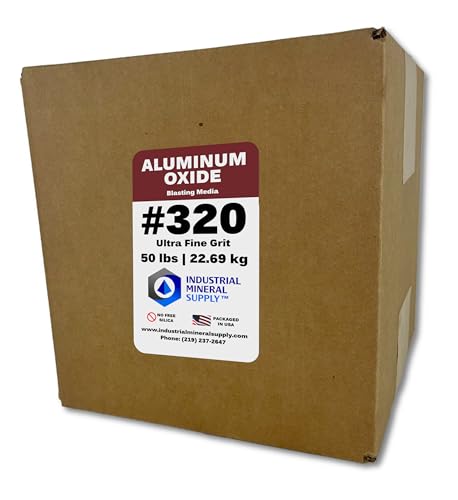
Industrial Mineral Supply Aluminum Oxide 50 lbs. #320 Grit

Industrial Mineral Supply Aluminum Oxide 50 lbs. #36 Grit

Industrial Mineral Supply Aluminum Oxide 50 lbs. #120 Grit

HDURCIR Aluminum Oxide 8 lbs. 100 Grit
What Each Pick Brings To The Table
The #80 grit from Industrial Mineral Supply lands in that sweet spot where the abrasive is sharp enough to chew through oxidation but not so coarse that it warps thin aluminum panels. At 50 pounds, you’re getting enough media for several mid-sized projects, which is handy if you regularly rotate between a motorcycle frame, a small engine case, and the occasional patio chair.
For home garages running a small blast cabinet or a siphon-fed gun, this is the grit most folks settle on as their default. It blends into the workflow without the profile of a coarser cut, and on aluminum you get a clean etch rather than deep gouges.
A Few Strong Suits
- Medium grit hits the balance between removal rate and surface control on soft metals.
- 50-pound bag suits multi-project workflows and shared shop use.
- Brown fused aluminum oxide is harder than the base metal, so it cuts consistently without shattering instantly.
- Works in both siphon and pressure cabinets, wet or dry.
Things To Consider
- May feel too aggressive on polished or thin-gauge aluminum that just needs cleaning.
- Heavy bag means a sturdy storage bin and dry spot to keep moisture from caking the media.
Who It Suits Best
Home metalworkers and restoration hobbyists who strip and prep aluminum pieces a few times a month will get plenty of mileage from this single bag.
Where Another Pick Suits Better
Finish-focused work on show-quality panels pairs more naturally with the Industrial Mineral Supply Aluminum Oxide 50 lbs. #320 Grit, which leaves a much smoother profile.
Step one grit finer from the #80 above and you get the #100, a media that plenty of fabricators treat as their house default. The slightly smaller particle still strips paint, light rust, and anodizing, but it leaves a finer tooth on aluminum, which translates to less sanding before primer.
For most home shop tasks, this is the grit that does everything adequately without specialized handling. It’s forgiving on parts where you don’t quite remember the alloy thickness.
Strong Points
- Cuts paint and oxidation while leaving a manageable surface profile for primer.
- Angular particle shape gives consistent etching across flat and contoured sections.
- Same 50-pound format as the coarser grits, so storage and transfer stay familiar.
- Suitable for wet or dry blasting depending on dust tolerance in your shop.
Worth Noting
- Slow going on thick powder coat or heavy mill scale that a #60 or #36 would clear faster.
- Aggressive enough that you still want to mask off threads and precision-machined areas.
Made For
Weekend restorers and small fabrication shops handling a mix of aluminum and steel parts benefit most from this versatile middle-of-the-pack grit.
Look Elsewhere When
Tackling a heavily corroded vintage trailer frame pushes you toward the Industrial Mineral Supply Aluminum Oxide 50 lbs. #36 Grit instead, which chews through rust much faster.
The #60 grit pulls more weight when aluminum parts come in with thick coatings baked on by years of weather. Bigger particles mean faster removal, and on heavy aluminum castings or wheel centers, the time savings are noticeable.
It’s the grit you reach for when the goal is to get down to bare metal quickly, not to leave a paint-ready finish. From there, stepping down to a finer pass handles the surface refinement.
Features That Help
- Aggressive cut rate strips multiple layers of paint and undercoating in fewer passes.
- Effective on aluminum castings where smoother grits tend to skate across the surface.
- Long-lasting particles that resist breaking down too quickly under pressure.
Points To Note
- Leaves a rough profile that almost always needs a follow-up finer pass before coating.
- Can distort thin aluminum sheet if you hold the nozzle too long in one spot.
- Storage discipline matters more with this grit, since moisture clumps the larger particles.
Key Advantages
Right Fit For
Shops restoring older vehicles or tackling neglected aluminum lawn furniture and equipment housings will appreciate the speed of this grit.
Swap It Out When
Final-stage cleanup on a freshly stripped part is where the HDURCIR Aluminum Oxide 8 lbs. 100 Grit earns its keep, since it leaves a smoother surface on small batches.
At the other end of the spectrum, the #320 ultra-fine grit behaves more like a polishing pass than a stripping tool. The particles are small enough that on aluminum they create a soft satin finish, perfect for parts you plan to clear-coat or leave as a brushed look.
It’s a specialty bag rather than a daily-use one, but if you work on alloy wheels, motorcycle cases, or decorative trim, having it on hand saves a separate sanding step.
Where It Delivers
- Creates a uniform satin profile that accepts clear coat and anodizing prep without heavy scuff sanding.
- Removes light oxidation and staining from aluminum without removing measurable base material.
- Same 50-pound bulk format, so the bag fits existing shop storage setups.
Small Caveats
- Hopelessly slow on heavy rust or thick paint, so it works best as a second-pass media.
- Clogs faster than coarser grits in humid shops, so dry storage and screen cleaning pay off.
Who Will Love This
Custom fabricators and restorers focused on visible-finish aluminum, like trim pieces, engine covers, and show-car parts, get the most out of this finer grit.
Consider Something Else When
For general shop work, the Industrial Mineral Supply Aluminum Oxide 50 lbs. #100 Grit covers more ground without slowing you down on basic prep tasks.
The #36 coarse grit is the heavy lifter of the lineup, built for projects where the aluminum is buried under decades of undercoating, road grime, or thick oxidation. It chews through material fast, which is a blessing on a full frame restoration and a curse on anything thin.
For most home users, this is a grit you keep around for specific battles rather than a daily driver. Pull it out when nothing else is making a dent, then switch to a finer pass to clean up the profile.
Practical Advantages
- Removes stubborn coatings and corrosion in a fraction of the time finer grits need.
- Effective on rough castings and structural aluminum where appearance is secondary.
- Bulk 50-pound bag covers full vehicle or equipment projects without constant refill.
Factors To Consider
- Easily damages sheet aluminum and thin-wall parts if nozzle distance and pressure aren’t dialed back.
- Leaves a deep anchor profile that always requires a follow-up grit before any coating.
- Generates more dust than finer media, so cabinet airflow and dust collection matter more.
Built With In Mind
Restoration shops and heavy-equipment owners stripping aluminum chassis, trailer frames, and engine blocks benefit most from the cut rate of this coarse option.
Reach For A Different Pick When
For small batch cabinet work, the HDURCIR Aluminum Oxide 8 lbs. 100 Grit gives you similar removal control without committing to a 50-pound bag.
The #120 fine grit handles the in-between stage that a lot of projects sit at: you’ve stripped the heavy stuff and now you need a clean, even etch for primer. On aluminum, this grit hits that “ready for paint” profile without aggressive sanding afterward.
It’s a good final pass after using the #60 or #80, and it doubles as a gentle cleaner on parts that just need a refresh rather than a full strip.
Positive Takeaways
- Produces a consistent surface profile that primer and powder coat adhere to reliably.
- Slower cut than medium grits, which means less risk of warping thin aluminum panels.
- Useful as both a finishing pass and a standalone cleaner on lightly oxidized surfaces.
Honest Caveats
- Not the right call for the first pass on heavy rust or thick coatings, where coarser grits save real time.
- Screen and filter maintenance becomes more noticeable at this fineness, since debris loads the media faster.
Whose Shelf It Belongs On
DIY painters and hobbyists prepping aluminum for topcoat will appreciate how this grit bridges the gap between stripping and finishing.
Not Your Match When
If you want a single grit to handle everything, the Industrial Mineral Supply Aluminum Oxide 50 lbs. #100 Grit is the more flexible everyday pick.
The HDURCIR 8-pound bag solves a real problem for casual users: 50 pounds of abrasive is overkill if you blast a few small parts a year. This smaller format gives you the same #100 medium grit without the storage commitment or the slow degradation of media sitting in a half-used drum.
It’s also handy for cabinet owners who want to try aluminum oxide for the first time without committing to a full-size bag. Pour it in, see how your equipment handles it, and refill as needed.
Benefits That Matter
- Manageable 8-pound size fits on a shelf without dedicated bin space.
- #100 grit works as both a stripper and a finisher on small aluminum parts.
- Sturdy plastic packaging keeps the media clean and dry between sessions.
- Mohs hardness around 9 cuts aluminum efficiently without melting into the surface.
Practical Considerations
- Runs out fast on full vehicle or large equipment projects, where the 50-pound bags make more sense.
- Smaller packaging means you’ll reorder more often if you blast regularly.
Perfect Match For
Garage hobbyists and small cabinet owners who want aluminum oxide on hand without the bulk of an industrial bag will find this size easier to manage.
A Better Fit Elsewhere
For someone stripping an entire frame or a fleet of parts, the Industrial Mineral Supply Aluminum Oxide 50 lbs. #60 Grit delivers the volume and aggression in one bag.
Picking The Right Abrasive Grit For Aluminum
Choosing sandblasting media for aluminum comes down to matching grit size, particle hardness, and bag size to the work in front of you. The most common mistake is starting too coarse, which leaves a profile so rough that subsequent sanding eats into your time savings.
Grit Size And The Finish It Leaves
Grit numbers describe particle size, where lower numbers mean larger, more aggressive particles. A #36 grit chews through material fast but leaves a deep anchor pattern, while a #320 grit creates a near-polished surface. For most aluminum work, the sweet spot sits between #60 and #120, depending on whether you need aggressive removal or a primer-ready profile.
Hardness And Friability
Aluminum oxide sits around 9 on the Mohs scale, a hardness rating that ranks a mineral’s resistance to scratching, which makes it harder than aluminum but softer than some ceramics. The angular, fractured particle shape means it cuts consistently rather than rounding off like glass bead. The trade-off is that harder media also embeds more readily in soft metals if you linger in one spot.
Bag Size And Shop Reality
A 50-pound bag is the workhorse format for active shops, but the media degrades over time and with moisture exposure. Smaller bags like the 8-pound option let you use fresh media for each project without long-term storage concerns, though you’ll pay more per pound.
Wet Vs Dry Blasting
Aluminum oxide works in both wet and dry setups. Dry blasting cuts faster but generates more dust, while wet blasting suppresses dust and reduces warping risk on thin sheet. Your cabinet’s dust collection and the part’s thickness usually decide the method.
Mistakes Worth Dodging And When To Spend More
Traps First Timers Fall Into
New blasters often pick the coarsest grit available thinking faster is better, then spend hours hand-sanding out the deep profile afterward. Going one or two grits finer than you think you need almost always saves total project time. Another common slip is buying a 50-pound bag to save on per-pound cost, only to have the media clump from humidity before you finish it.
Where The Extra Money Goes
Premium aluminum oxide tends to be cleaner, more uniformly sized, and packaged in moisture-resistant containers. For one-off projects, mid-grade media performs fine. For shops running abrasive through a cabinet daily, the consistency and durability of higher-tier media show up as less clogging, less dust, and fewer rejected parts from embedded particles.




