


Restoring a weathered deck is a weekend project most homeowners tackle more than once, and the sander you bring to the job shapes everything from prep time to the smoothness of the final stain. Choosing between a palm sander, a random orbit, or a cordless model comes down to board condition, square footage, and how much detail work hides between the planks. This roundup covers nine sander options built for outdoor woodwork, with hand-sanding support through full 5-inch cordless setups.
The Essentials At A Glance

Preppin’ Weapon Hand Sanding Block (Green)

DEWALT 1/4 Sheet Palm Sander (DWE6411K)

SKIL 1/4 Sheet Palm Sander (7292-02)

DEWALT 5-Inch Variable Speed Orbital Sander (DWE6423K)

DEWALT 20V MAX 5-Inch Cordless Orbital Sander (DCW210D1)

DEWALT 5-Inch Orbital Sander (DWE6421)

DEWALT 20V MAX XR Brushless 1/4 Sheet Sander (DCW200B)

SKIL 5-Inch Random Orbital Sander (SR211601)
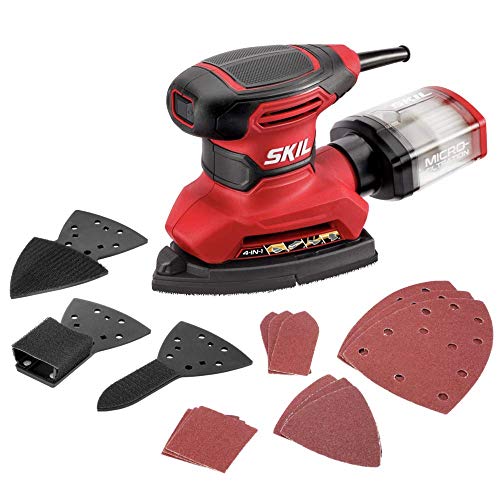
SKIL 4-in-1 Multi-Function Detail Sander (SR232301)
The Details Behind The Selections
No power tool reaches every spot on a deck, and the Preppin’ Weapon fills the gap that orbital sanders leave behind. Born from the auto body world, this hand block pairs a contoured ABS plastic shell with an all-stainless-steel paper clamp, giving it real heft in the palm. The shape suits larger hands, and you can swap sheets without wasting leftover paper. For corners between deck boards, baluster edges, or the last stubborn patch the orbit sander skipped, this block handles what bigger tools cannot.
It works wet or dry, so you can knock down raised grain on a humid day or feather out filler on a vertical railing. Most owners grab it after a powered pass to chase the swirl marks and crisp the transitions a 5-inch pad tends to leave behind. Compared with the corded DEWALT options coming up, this is the slower, quieter half of the workflow, and it earns its place by doing the close-quarters work those tools ignore.
Practical Pluses
- Stainless steel clamp grips sandpaper firmly and uses small offcuts, cutting waste on long jobs.
- Contoured body fills the hand without pinching, helpful for long prep sessions.
- Wet-or-dry compatibility means you can control dust on dry summer days or wash surfaces mid-job.
- Lightweight ABS shell takes a drop without cracking, a real plus on ladder work.
Things To Consider
- Manual sanding across a full deck is slow compared with any powered option in this roundup.
- The clamp design is optimized for standard sheet widths, so non-standard rolls need trimming first.
Whose Toolbox It Belongs In
Refinishers who already own a powered sander and need a reliable hand tool for corners, edges, and detail blending on railings and spindles.
Where Another Pick Suits Better
For broad surface work across a 300-square-foot deck, the DEWALT 5-Inch Variable Speed Orbital Sander (DWE6423K) covers ground far faster.
The DWE6411K is the kind of sander that disappears in the hand, which matters when you spend a full afternoon chasing pencil marks off a deck rail. A 2.3-amp motor drives 14,000 OPM, so it chews through old stain without bogging down, and a separate counterweight cuts vibration before it reaches your wrist. The rubber overmold texture gives a confident grip, even when the work surface is damp with morning dew. You get closer to the work than with bulkier 5-inch random orbits, which is exactly the point for detail-heavy outdoor woodwork.
The dust bag locks on with one hand, so you can empty it without setting the tool down. Quarter-sheet pads accept standard sandpaper you can tear from a full sheet, keeping consumable costs down on multi-deck projects. Where the Preppin’ Weapon above trades power for precision, this DEWALT adds muscle while still fitting into tight spots along balusters and stair risers.
Where It Delivers
- Short body height keeps your hand close to the surface for controlled passes on narrow boards.
- Counterweight design tames vibration, which reduces fatigue across a multi-hour refinishing day.
- Hook-and-loop or clamp paper attachment, with tear-down sheet sizing that fits any hardware store refill.
- One-handed dust bag swap keeps you working without breaking stride.
Honest Caveats
- Quarter-sheet footprint covers less surface than a 5-inch pad, so wide deck boards take more passes.
- Corded design limits reach to wherever the extension cord reaches.
Key Specs
Made For
Homeowners working on railings, steps, and tight deck areas where a smaller pad reaches spots a 5-inch sander cannot.
Consider Something Else When
You need maximum stock removal across open floorboards, where the DEWALT 5-Inch Orbital Sander (DWE6421) covers more area per pass.
The 7292-02 speaks to first-timers who know they need a sander but worry about gouging soft deck boards. Pressure control technology signals when you push too hard, which protects the wood and the tool. The 2.0-amp motor runs quieter than the higher-amp DEWALT models, so a nervous neighbor is less of a concern during a weekend refinish. A clear-view dust canister shows exactly when emptying is required, removing guesswork from the workflow.
The dust-sealed switch extends tool life by keeping fine deck dust out of the trigger assembly, a real concern when working outdoors all day. A built-in vacuum adapter accepts most shop vacs, so connecting to existing dust extraction is straightforward. If you found the Preppin’ Weapon too slow but the DEWALT DWE6411K above felt intimidating, this SKIL sits comfortably in between.
Where It Helps
- Pressure feedback protects soft cedar and pine from divots that beginners commonly leave behind.
- Clear dust canister shows fill level without opening the bag mid-pass.
- Soft-grip housing reduces hand fatigue for users without much sander experience.
Points To Note
- Lower amp draw means slower material removal on heavy paint or thick stain layers.
- Quarter-sheet pad covers less ground than a 5-inch random orbit on open floorboards.
Who It Suits Best
First-time deck refinishers who want forgiving controls and clear feedback while they learn proper pressure and pacing.
Not Your Match When
You need to clear large flat areas fast, in which case the DEWALT 5-Inch Variable Speed Orbital Sander (DWE6423K) is the better tool.
The DWE6423K is the workhorse pick for large deck surfaces that need to come clean quickly. A 3-amp motor drives 8,000 to 12,000 OPM through a variable-speed dial, so you can dial aggression up for stripping old paint and back off for fine sanding between stain coats. The counterweight and overmold grip keep the tool planted even during long cross-grain passes, and the low profile brings the pad close to the surface. The hook-and-loop pad swaps discs in seconds, which matters when switching from 60 to 120 grit mid-project.
For homeowners with a sprawling back deck or a second property to maintain, this is the sander that finishes the job before the weekend ends. It runs corded, so consistent power delivery is a given, even under load. Compared with the SKIL 7292-02 above, it offers substantially more torque and a much larger pad, trading finesse for throughput.
Everyday Perks
- Variable speed lets you match aggression to task, from heavy stripping to fine finish sanding.
- 5-inch pad covers wide deck boards in fewer passes than quarter-sheet models.
- Counterweight design reduces vibration transfer to the hand and wrist.
- Hook-and-loop pad changes grip discs in seconds, no tools required.
Trade Offs
- Higher orbit speeds can leave swirl marks on softwoods without careful technique.
- Corded operation requires an outdoor-rated extension cord, limiting reach on large properties.
Technical Sheet
Best Suited To
Homeowners and small contractors sanding large deck surfaces where speed and variable control outweigh the need for cordless mobility.
Look Elsewhere When
Your deck sits far from any outlet and you cannot easily run an extension cord, in which case the DEWALT 20V MAX Cordless Orbital Sander (DCW210D1) trades runtime for freedom.
When the deck sits at the far end of the yard and the nearest outlet is 100 feet away, the DCW210D1 earns its keep. A brushless motor stretches the included 2.0Ah battery across meaningful work time, and the variable-speed dial covers 8,000 to 12,000 OPM, matching the corded DWE6423K above for control. The kit ships with battery, charger, and a storage bag, so the tool is ready to roll out of the box. This is the option for refinishers who already own a 20V MAX platform and want to skip the extension cord entirely.
Hook-and-loop pad changes are quick, and the dust bag locks on without tools, so outdoor debris management stays simple. The brushless design runs cooler and typically outlasts brushed motors, an important consideration for anyone refinishing a deck every few years. Compare it to the DWE6423K and the trade-off becomes clear: cordless freedom for the cost of an extra battery on long jobs.
Strengths Worth Knowing
- 20V battery platform means no extension cords snaking across wet grass or uneven ground.
- Brushless motor extends tool life and runs cooler under sustained load.
- Variable speed matches the corded DWE6423K for stripping and finishing control.
Worth Noting
- Included 2.0Ah battery may not finish a large deck on a single charge, so a spare battery is a smart add-on.
- Cordless tools cost more upfront than equivalent corded models in the same lineup.
Who Will Love This
Existing 20V MAX tool owners and homeowners with decks positioned far from outdoor power outlets who value cordless convenience over peak runtime.
Skip It When
You are starting fresh without a 20V platform and want a lower entry cost, in which case the SKIL 5-Inch Random Orbital Sander (SR211601) keeps things simple.
The DWE6421 strips the variable-speed dial and keeps everything else that matters: a 3-amp motor, a hook-and-loop 5-inch pad, and the same counterweight balance that makes the larger DEWALT sanders comfortable to use. Fixed at 12,000 OPM, it lands at a useful middle speed for most deck refinishing, from removing weathered stain to feathering edges between boards. For homeowners who do not want to fiddle with a speed dial, this is the sander you grab and go.
The overmold grip absorbs vibration well enough for long sessions, and the one-handed dust bag stays attached through aggressive passes. It runs corded, so power never sags, and the included dust collection system keeps the air clearer during finish sanding. Sitting between the corded DWE6423K above and the SKIL options coming up, this model is a sensible middle ground for those who want DEWALT build without paying for variable-speed electronics.
Well-Handled Touches
- Fixed 12,000 OPM hits a versatile speed for most deck refinishing tasks.
- Counterweight and overmold grip keep vibration manageable across long sessions.
- Hook-and-loop pad swaps discs without tools or extra hardware.
Minor Gripes
- Single-speed design lacks the finesse of variable-speed options for fine finish passes.
- Corded operation requires dragging an extension cord around the work area.
The Right Fit
Refinishers who prefer a simple on-and-off sander with enough power to handle annual deck maintenance without extra controls.
Swap It Out When
You need to fine-tune speed for delicate finish work, where the DEWALT 5-Inch Variable Speed Orbital Sander (DWE6423K) provides more control.
The DCW200B targets detail-oriented refinishers who already own 20V MAX batteries and want a quarter-sheet sander that pairs with their existing kit. Variable speed runs from 8,000 to 14,000 OPM, covering everything from gentle finish passes to serious stock removal on railings and spindles. The brushless motor sips battery power efficiently, so a single 5Ah pack usually covers a full railing pass. Sold as a tool only, the price stays lower for people who already have batteries on hand.
The dust bag locks on one-handed and the tool connects directly to DEWALT dust extractors when finer collection matters. Against the corded DWE6411K earlier in the list, this trades constant power for full mobility, a fair swap for outdoor work far from outlets. It also complements the DCW210D1 above for users who want both 5-inch and quarter-sheet options in the same battery platform.
Positive Points
- Brushless motor stretches battery life across extended detailing sessions.
- Variable 8,000 to 14,000 OPM adapts to delicate finish work or heavy paint removal.
- Tool-only pricing rewards users who already own 20V MAX batteries and chargers.
Points To Keep In Mind
- Tool-only configuration means no battery or charger in the box for first-time platform buyers.
- Quarter-sheet footprint covers less area than 5-inch sanders on open deck boards.
Perfect Match For
Existing DEWALT 20V MAX users who want a cordless detail sander that pairs with their existing batteries and chargers.
Reach For A Different Pick When
You need wide coverage on open deck boards, where the DEWALT 5-Inch Orbital Sander (DWE6421) covers more ground per pass.
The SR211601 covers a lot of capability for the money, which is why it is the entry point many first-time deck refinishers reach for. Variable speed runs from 7,000 to 13,000 OPM, and a cyclonic dust box uses centrifugal force to keep fine particles contained without clogging the filter. Three sanding sheets ship in the box, so you can start the project the same day. Vibration control helps on long passes, and the hook-and-loop pad accepts standard 5-inch discs from any hardware aisle.
It works on wood, metal, and plastic, so the tool earns its keep beyond outdoor woodwork. Against the DEWALT DWE6421 above, this SKIL trades some build refinement for a noticeably lower entry cost, and the cyclonic dust system genuinely keeps the work area cleaner than a standard bag. For a single-deck project on a tight budget, the value is hard to argue with.
Key Advantages
- Cyclonic dust box keeps filters clear longer than standard collection bags.
- Variable speed adapts to delicate finish passes and aggressive stripping alike.
- Lower price point makes it accessible for one-off deck projects.
Some Limits To Know
- Lower-powered motor struggles on heavy paint layers compared with 3-amp DEWALT models.
- Cyclonic dust box adds bulk that may feel awkward in tight railing work.
Feature Snapshot
Built With In Mind
Budget-focused homeowners refinishing a deck for the first time who want variable-speed control without paying for premium brand pricing.
A Better Fit Elsewhere
You need maximum runtime and brand-name durability for repeat annual use, where the DEWALT 20V MAX Cordless Orbital Sander (DCW210D1) makes more sense.
The SR232301 is a detail sander built for the spots a 5-inch pad cannot reach, and the four interchangeable heads cover most of them. A 1.2-amp motor runs 13,500 OPM, which is plenty for corners, edges, and curved contours on decorative railings or bench work. Heads swap without tools, so the workflow stays quick when you move from a flat face to an inside corner to a curved spindle. The micro-filter dust box and optional 1-1/4 inch vacuum port give you two ways to manage dust, which is helpful for indoor projects the same tool might tackle later.
It is a detail tool first, not a deck-floor sander, so it works best after a larger sander has handled the broad surfaces. Pairing it with the SKIL SR211601 above or the DEWALT DWE6421 covers a full deck from open boards to tight corners. The lightweight build also reduces fatigue during the fiddly parts of a refinish.
Where It Excels
- Four quick-change heads handle corners, edges, contours, and flat detail sanding without tools.
- Compact body reaches tight spots between balusters and along stair risers.
- Dual dust management, with a micro-filter box and a vacuum port for finer collection.
Smaller Trade-Offs
- Small pad size makes covering open deck boards impractical for this tool alone.
- 1.2-amp motor is best suited for finish work rather than heavy stock removal.
Who Should Grab It
Refinishers who already have a primary sander and need a dedicated detail tool for railings, spindles, and decorative woodwork.
Where A Sibling Pick Shines
For the bulk of deck surface sanding, the SKIL 5-Inch Random Orbital Sander (SR211601) is the more productive primary choice.
What To Weigh Before Buying Sanders For Sanding A Deck
Pad Size And Footprint
A quarter-sheet palm sander fits into spaces a 5-inch random orbit cannot, but it covers far less wood per pass. For most deck floors, a 5-inch pad strikes the right balance between speed and control, while quarter-sheet and detail sanders handle the edges, railings, and corners around it. Choosing the right combination matters more than picking a single tool, and many decks benefit from two sanders used together.
Power Source: Corded Versus Cordless
Corded sanders deliver consistent torque without battery management, which helps on long stripping sessions far from any outlet concern. Cordless 20V options trade some runtime for freedom from extension cords, valuable on properties where the deck sits far from the house. Existing battery platforms make cordless sanders far more attractive, since batteries and chargers are already covered.
Speed Control And Orbital Rate
Variable-speed sanders adapt to different tasks: low speeds for fine finish passes, high speeds for stripping old paint. Single-speed tools simplify operation and often cost less, but they offer less finesse on delicate work. OPM, or orbits per minute, measures how fast the pad moves, and higher numbers generally mean faster material removal.
Dust Collection
Cyclonic boxes and sealed dust bags keep the work area cleaner and protect your lungs from fine wood dust. Tools with vacuum ports let you connect a shop vac for even finer collection, which matters if you are working close to windows or in covered porch areas. The collection system you choose often matters as much as the sander itself for daily usability.
Key Considerations Across These Picks
Common Buying Traps
Refinishing a deck for the first time often leads shoppers to grab a single random orbit and assume it covers everything. The smarter play is matching the tool to each phase: a 5-inch sander for the field, a quarter-sheet for rails, and a detail head for corners. Skipping dust collection is another common mistake, since deck dust stains nearby concrete and clogs nearby HVAC intakes if you are working near the house.
What The Higher Tier Buys
Stepping up to a brushless cordless sander adds motor longevity and battery efficiency, but the cost only pays off for repeat users. Variable-speed electronics make the tool more versatile across stripping and finishing, which matters on older decks with multiple layers of paint. The premium tier earns its place through durability and flexibility, not raw speed, and most one-off projects do not need it.
Frequently Asked Questions
What type of sander is best for a deck?
A 5-inch random orbit sander covers most deck floors efficiently, with a quarter-sheet palm sander or detail sander handling edges, railings, and corners. Combining two tools produces cleaner results than relying on a single sander for everything.
How many OPM do you need to sand a deck?
An OPM range of 8,000 to 12,000 covers most deck sanding tasks, from stripping old stain to fine finish work. Higher OPM cuts faster but requires more careful pressure control to avoid swirl marks on softwoods.
Can you use a palm sander on a deck?
Palm sanders work for detail areas, railings, and tight corners on a deck, but they are too slow for open floorboards. A 5-inch random orbit sander handles the broad surfaces far more efficiently.
Are cordless sanders powerful enough for decks?
Cordless 20V sanders deliver enough power for most residential deck refinishing, though runtime depends on battery capacity. A spare battery is a smart addition for any deck over 200 square feet.
What grit sandpaper should you use on a deck?
Start with 60 or 80 grit to remove old stain and weathering, then move to 100 or 120 grit for a smooth finish before applying new stain. Going finer than 120 grit can prevent stain from absorbing properly into the wood.




