


Sanding aluminum is a specific kind of puzzle. The metal gummy soft stuff with iron or steel tools can scratch through the surface, leave rust, and gum up your sheet in a hurry. You need abrasives that cut clean, shed heat, and resist loading. The wrong sheet turns a 15-minute job into a 45-minute slog, and that adds up fast across a full build. This guide looks at nine solid options that handle bare and painted aluminum, whether you’re knocking down welds on a fuel tank or smoothing a sheet-metal panel. Each pick gets a real-world read on grit, backing, and how it actually behaves on soft metal.
A Side-By-Side Look
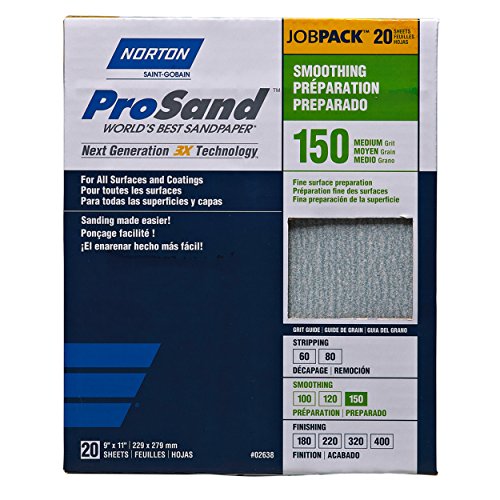
YOOZENA 9″ X 11″ Sandpaper Sheets, 20-Pack, 150 Grit

S SATC 5 Inch PSA Sanding Discs, 180 Grit, 100-Pack

S SATC 5 Inch PSA Sanding Discs, 320 Grit, 100-Pack

S SATC 5 Inch PSA Sanding Discs, 220 Grit, 100-Pack
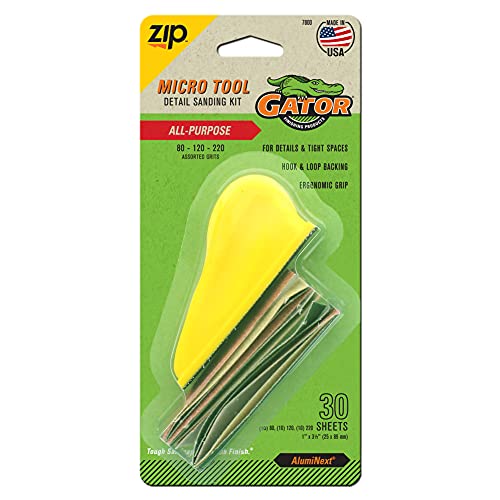
Gator MicroZip Sander Kit, Assorted Grits, 3.5″ x 1″
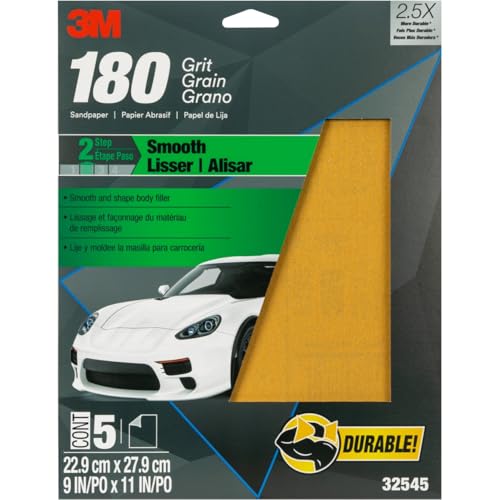
3M Sandpaper, 180 Grit, 9″ x 11″, 5-Pack

S SATC 5 Inch PSA Sanding Discs, 80 Grit, 100-Pack

S SATC 5 Inch PSA Sanding Discs, 120 Grit, 100-Pack

S SATC 5 Inch PSA Sanding Discs, 400 Grit, 100-Pack
Meet The Standout Selections
Hand-sanding aluminum panels calls for a sheet that flexes with the surface without tearing. The YOOZENA 9″ x 11″ sheets come in a 20-pack, three jobs’ worth of material folded and refolded without falling apart. A 150 grit sits in the sweet spot for knocking down light oxidation, blending scuffs, and prepping for primer without gouging the soft metal underneath.
Compared to the heavier PSA discs that dominate the rest of this list, these flexible sheets give you better control on curved body panels and tight corners. For most garage projects, that versatility matters more than machine speed.
Where It Helps
- Fibre-reinforced backing folds cleanly without cracking or splitting at the crease
- Open-coat construction, meaning the abrasive grains are spaced apart, resists clogging when soft aluminum swarf sticks to the surface
- Water-based stearate coating (a dry lubricant that sheds heat and prevents loading) keeps the sheet cutting longer on heat-sensitive metal
- No dye in the coating means zero risk of color bleeding onto bare aluminum, a real concern on visible panels
- 150 grit lands in the middle of most finishing sequences, useful for everything from scratch removal to primer prep
Honest Caveats
- Sheet format requires hand work or a clip-on sanding block, slower than a random orbital setup for large flat areas
- 20-sheet count runs out fast on big projects, so restocking mid-job is a realistic scenario
Key Specs
Best Suited To
DIYers restoring aluminum panels, fuel tanks, or trim who prefer hand control over machine speed and want a clog-resistant sheet.
Swap It Out When
The S SATC 80-grit PSA discs make more sense for large flat panels where a dual-action sander will cut your time in half.
PSA stands for Pressure-Sensitive Adhesive, meaning peel-and-stick backing, no separate hook-and-loop pad required. The S SATC 5-inch discs use that format with a self-adhesive back that grips the sander pad firmly. Peel the old one off, stick a new one down, and keep moving. 180 grit is a standard mid-range abrasive, fine enough to refine but aggressive enough to remove scuffs and minor imperfections on aluminum bodywork.
Where the YOOZENA sheets are built for hand work, these discs slot right into a random orbital or DA (dual-action) sander. For a full respray or a panel restoration, that speed difference matters more than the cost per disc.
What Makes Sense
- Self-adhesive backing peels off cleanly, leaving minimal residue compared to cheaper generic PSA discs
- Aluminum oxide grain handles aluminum without cross-contamination, an important detail since ferrous particles can embed and cause corrosion later
- 100-disc count keeps you sanding through multiple stages without reordering
- 5-inch diameter fits the vast majority of mid-size random orbital sanders used in auto work
Trade-Offs
- PSA discs lose their grip after several uses; you typically get one solid session per disc before replacement
- 180 grit is too fine for heavy weld cleanup, so you’ll need coarser discs on hand for stripping stages
- Backing disc must be perfectly clean or the adhesive fails partway through a pass
Built With In Mind
Auto body techs and restoration hobbyists running a 5-inch DA sander on aluminum panels who need a steady supply of mid-grit discs.
Consider Something Else When
The S SATC 80-grit discs are a better starting point when weld beads, heavy oxidation, or thick coatings are the first thing to remove.
Pre-paint prep is where 320 grit earns its keep. It knocks down the deeper scratches left by 180 or 220 grit without leaving tracks of its own that show through primer. On aluminum that needs to look smooth under a clear coat, this S SATC disc fills the gap between aggressive material removal and final polish.
The 100-pack format matches what the coarser S SATC options offer, so you can stock a full grit sequence from the same supplier. Consistency across grits means your hand never has to re-learn how a new brand breaks in.
Practical Pluses
- Fine enough to refine aluminum before primer, coarse enough to still remove minor surface defects
- Self-adhesive backing swaps quickly during multi-stage finishing work
- Aluminum oxide grain cuts cleanly on soft non-ferrous metals
- Compatible with both random orbital and DA sanders in the 5-inch class
Possible Compromises
- Loading becomes a real issue at 320 grit on aluminum, so the disc may need frequent cleaning or replacement mid-pass
- Not aggressive enough to start a project, only useful in the middle-to-end of a finishing sequence
The Right Fit
Restorers and painters working through a full prep sequence on aluminum panels who need a reliable fine-grit step before primer.
Look Elsewhere When
The S SATC 400-grit option serves better when you’re chasing mirror-polish prep or working on show-quality aluminum trim.
220 grit is the unsung middle child of sanding sequences. Finer than 180, coarser than 320, and ideal for that in-between pass where you need to refine 180-grit scratches without jumping all the way to finish work. On aluminum, that intermediate step is often the difference between a panel that looks sprayed and one that looks polished.
The S SATC 220-grit disc keeps the same aluminum oxide grain and PSA backing as the rest of the line, so workflow consistency is a quiet benefit you only appreciate when you’ve used mismatched brands in the same session.
Useful Highlights
- Sits perfectly between 180 and 320 for proper scratch-refinement sequences on aluminum
- Self-adhesive backing sticks reliably to standard 5-inch sander pads
- Aluminum oxide abrasive handles soft metal without excessive loading in this grit range
- Bulk 100-pack supports full-vehicle or multi-panel projects
Some Limits To Know
- Specialty grit that some users skip entirely, jumping 180 to 320, so buying 100 may overshoot your real need
- PSA adhesive loses tack after one extended session, especially on dusty aluminum surfaces
Who It Suits Best
Detail-oriented restorers running a multi-stage DA sander workflow who treat the 220-grit step as non-negotiable in their finishing sequence.
Another Choice May Suit
Casual DIYers might prefer skipping straight to the 320-grit S SATC disc to save time and disc inventory.
The Gator MicroZip is a different animal from the rest of this list. These are small detail sander sheets, not full-size sanding discs or 9″ x 11″ hand sheets. At 3.5″ x 1″, they fit MicroZip-style detail sanders and other compact pneumatic or electric tools built for tight spaces. Think motorcycle parts, aluminum trim, brackets, and small fabricated pieces where a 5-inch disc is overkill.
Assorted grits in one kit mean you get the full progression without buying five separate packs. For hobbyists working on varied small aluminum parts, that convenience is the whole point.
What Stands Out
- Compact sheet size reaches into corners, curves, and contours where 5-inch discs cannot maneuver
- Hook-and-loop backing swaps sheets fast (a Velcro-style attachment system that grips without adhesive)
- Premium P-grade aluminum oxide, meaning a consistently graded abrasive that meets tight tolerance standards, leaves a predictable scratch pattern critical for finish work
- High-density foam backing conforms to irregular surfaces common in fabricated aluminum parts
- Assorted grit kit covers rough shaping through fine finishing in a single purchase
Where It May Fall Short
- Requires a MicroZip-style detail sander, a specialty tool not everyone owns
- Small sheet size makes large flat panels tedious compared to full-size discs or sheets
Made For
Fabricators and hobbyists working on small aluminum components, brackets, motorcycle parts, or detailed trim where a precision tool matters more than surface area.
Where A Sibling Pick Shines
The YOOZENA 9″ x 11″ hand sheets are a more practical option for large aluminum panels that don’t need a detail sander.
3M carries a name recognition that matters when you’re buying consumables. The 32545 series sandpaper uses aluminum oxide bonded to a paper backing in a range of weights, and the 180-grit variant is a workhorse for body filler, glaze, and spot putty work on metal panels. On aluminum, the predictable cut and minimal loading make it a reliable choice for stages where you cannot afford a surprise.
Five sheets is a smaller pack than most entries here, but for a single panel repair or a weekend touch-up, that smaller count is the right size. No waste, no leftover sheets drying out in the shop.
Strengths Worth Knowing
- Bonded abrasive construction, meaning the grain is anchored with a resin bond that holds up under pressure, resists clogging longer than cheaper alternatives
- Longer-lasting aluminum oxide cuts consistently across the full sheet face
- Works for both hand sanding and machine sanding, depending on how you prefer to work
- Trusted brand with predictable quality, useful when matching a known finishing sequence from training or shop standards
Small Caveats
- Only 5 sheets per pack, which is fewer than competitors offering 20 or 100 in this grit range
- Per-sheet cost runs higher than bulk alternatives, so it makes more sense for occasional projects than high-volume shops
Quick Facts
Perfect Match For
Auto body professionals and serious DIYers who want predictable, brand-consistent results on aluminum panel prep without buying in bulk.
Not Your Match When
High-volume shop use benefits more from the S SATC 100-pack PSA discs, which cost less per disc over time.
80 grit is the heavy lifter of the aluminum sanding world. It tears through weld discoloration, heavy oxidation, thick coatings, and the kind of surface contamination that finer grits just polish over. On aluminum boats, vintage car panels, or any aluminum surface that has been neglected for a decade, 80 grit is the only practical starting point.
Pair it with the rest of the S SATC grit lineup and you have a complete stripping-to-finishing sequence in the same product family.
Everyday Wins
- Aggressive 80-grit cut removes material fast, saving real time on heavy restoration work
- Aluminum oxide grain handles non-ferrous metals without embedding foreign particles that cause corrosion later
- Self-adhesive backing sticks firmly even under the pressure needed for coarse work
- 100-disc count supports large projects without mid-job restocking
Things To Weigh
- Leaves deep scratch patterns that require multiple follow-up grits to refine before any coating or polish
- Too aggressive for finishing or detail work, so it only fits the first stage of a sequence
- Heat build-up at 80 grit on soft aluminum can be an issue without proper sander speed control
Whose Shelf It Belongs On
Restorers tackling heavy aluminum projects, stripped boat hulls, or rough welds who need aggressive material removal as a starting point.
Where Another Pick Suits Better
The 3M 180-grit hand sheet is the better call for light bodywork on a single panel where 80 grit would do more harm than good.
120 grit splits the difference between heavy stock removal and fine finishing. On aluminum, that middle ground is useful for shaping welds, smoothing out heavier scratches, and prepping surfaces for paint without leaving tracks that haunt you through the clear coat. It is the grit most people reach for when 80 is too aggressive and 180 is too timid.
As with the rest of the S SATC PSA lineup, you get a 100-pack and the same self-adhesive format. The 5-inch fit matches the standard random orbital pad found in most home workshops.
What It Does Well
- Versatile 120-grit sweet spot works for shaping, smoothing, and pre-paint prep on aluminum
- Aluminum oxide abrasive resists loading on soft non-ferrous metals
- Self-adhesive backing grips standard 5-inch sander pads securely
- Bulk pack supports multi-panel projects or ongoing shop use
Points To Keep In Mind
- Still leaves visible scratch patterns that need 180 or 220 grit follow-up before primer
- PSA adhesive degrades with heat from aggressive sanding, so working in cooler passes helps the disc last
Right Fit For
Home shop users and restoration hobbyists who need one grit that handles shaping, weld blending, and general aluminum surface work.
Skip It When
Show-quality aluminum finishing is the goal, and the 400-grit S SATC disc gives a much finer pre-polish result.
400 grit is the last stop before polishing compounds take over. On aluminum that needs a brushed-satin or near-mirror finish, this grit removes the micro-scratches left by 320-grit work and sets up the surface for buffing. It is also the right choice for scuff-sanding between clear-coat layers on aluminum trim or motorcycle parts.
This is a specialty pick, not an everyday choice, but for the projects that need it, nothing coarser will deliver the right result.
A Few Highlights
- Ultra-fine 400 grit refines aluminum to a near-polished surface
- Aluminum oxide grain maintains a clean cut at fine grits where cheaper abrasives break down quickly
- Self-adhesive backing handles the lighter pressure typical of fine-grit work
- 5-inch format fits standard random orbital sanders in most home shops
Practical Considerations
- 100 discs is overkill for occasional fine-finishing work, so this only makes sense if you regularly do show-quality aluminum
- At 400 grit, loading is a constant battle, and the disc needs frequent replacement on soft aluminum
Who Should Grab It
Custom fabricators and finish-focused builders prepping aluminum for final polish or buffing, where the last stage of refinement matters most.
Reach For A Different Pick When
General prep work on aluminum is the task, and the 3M 180-grit hand sheet handles everyday panel jobs at a more reasonable pace.
What Matters When Choosing Sandpaper for Aluminum
Picking the right abrasive for aluminum comes down to a few specific details that matter more than brand recognition. The first thing to understand is grit progression. Lower numbers (80, 120) cut fast and remove material aggressively, while higher numbers (320, 400) refine the surface. Jumping straight from 80 to 320 leaves deep scratches that show through primer, so plan a sequence rather than picking a single grit.
Abrasive type matters as much as grit. Aluminum oxide, a synthetic mineral known for toughness and heat resistance, is the standard for non-ferrous metals like aluminum. Silicon carbide cuts even finer but tends to load up on soft aluminum. Avoid any abrasive described as “general purpose” without specifying the mineral, since the cheaper aluminum zirconia options can fracture and embed particles in soft metal.
Format is the practical decision. 9″ x 11″ sheets work for hand sanding and detail work on curves. 5-inch PSA discs slot into random orbital and DA sanders for faster material removal. Hook-and-loop sheets on detail sanders like the Gator MicroZip fit small parts and tight spots. Pick the format that matches your tool and the project scale.
Backing weight and coating matter for longevity. Open-coat construction (where abrasive grains are spaced to prevent debris buildup) resists clogging, which is the single biggest issue when sanding aluminum. Water-based stearate coatings (dry-film lubricants applied to the abrasive surface) help shed heat and prevent loading. Color-dyed coatings can transfer to bare metal, so look for un-dyed options when the workpiece is visible aluminum.
Finally, consider the workflow. A bulk 100-pack makes sense for multi-panel or recurring projects, while smaller packs work for single repairs. Match your supply to your real consumption, not your optimistic plans.
Key Considerations Across These Picks
Common Shopping Slip Ups
The most frequent mistake is buying grit based on what looks aggressive enough rather than what the project actually needs. 80-grit is not a one-size-fits-all solution, and over-sanding with coarse grit creates repair work that takes longer than the original project. Start with the finest grit that handles the worst contamination and work your way up the sequence, only as far as the finish demands.
A second trap is ignoring the format mismatch. Buying PSA discs for a hook-and-loop sander, or hand sheets for a job that needs a DA sander, means wasted material and frustration. Confirm the tool’s accepted attachment system before placing the order.
What The Higher Tier Buys
Higher-priced abrasive sheets and discs typically buy you better mineral consistency, stronger backing bonds, and tighter quality control on the grit grading. That translates to predictable scratch patterns, longer sheet life under load, and less loading on soft aluminum. For a one-time repair, the premium may not pencil out. For ongoing shop work, the per-disc cost often works out lower because each disc lasts longer and cuts more consistently. The upgrade pays off most when the finish quality matters or when downtime from a failed disc costs more than the material itself.
Frequently Asked Questions
What grit sandpaper works best on aluminum?
The best grit depends on the stage of the project. 80 to 120 grit handles heavy oxidation, weld cleanup, and stripping old coatings. 180 to 220 grit works for shaping and pre-paint prep. 320 to 400 grit refines the surface for finishing or pre-polish work. Plan a sequence rather than relying on a single grit.
Can I use regular sandpaper on aluminum?
Standard aluminum oxide sandpaper works well on aluminum. Avoid sandpapers marketed only for wood, since their backing adhesives and coatings may not handle the heat and loading that aluminum produces. Open-coat sheets with stearate coatings perform noticeably better on soft, non-ferrous metals.
Why does sandpaper keep clogging when I sand aluminum?
Aluminum swarf (the fine metal particles produced by sanding) is soft and gummy, so it sticks to the abrasive surface instead of falling away. Open-coat construction and stearate coatings reduce this issue. Switching to a coarser grit, using lighter pressure, and cleaning the disc with a brush between passes also helps extend disc life.
What is the difference between PSA and hook-and-loop sanding discs?
PSA (pressure-sensitive adhesive) discs stick directly to the sander pad with a peel-and-stick backing and typically last one session. Hook-and-loop discs, a Velcro-style attachment, attach to a compatible pad and can be removed and reattached multiple times. Hook-and-loop is more convenient for frequent grit changes, while PSA often costs less per disc.
Is 400 grit fine enough to polish aluminum?
400 grit is the last step before polishing compounds, not a replacement for them. It removes the scratches left by 320-grit work and prepares the surface for buffing with polishing compound. For a true mirror finish, follow 400 grit with a dedicated aluminum polish and a soft buffing wheel.




